
 Save 15% on your 1st Autoship learn more

 Email us
 Live Chat
 FAQs
FAQs





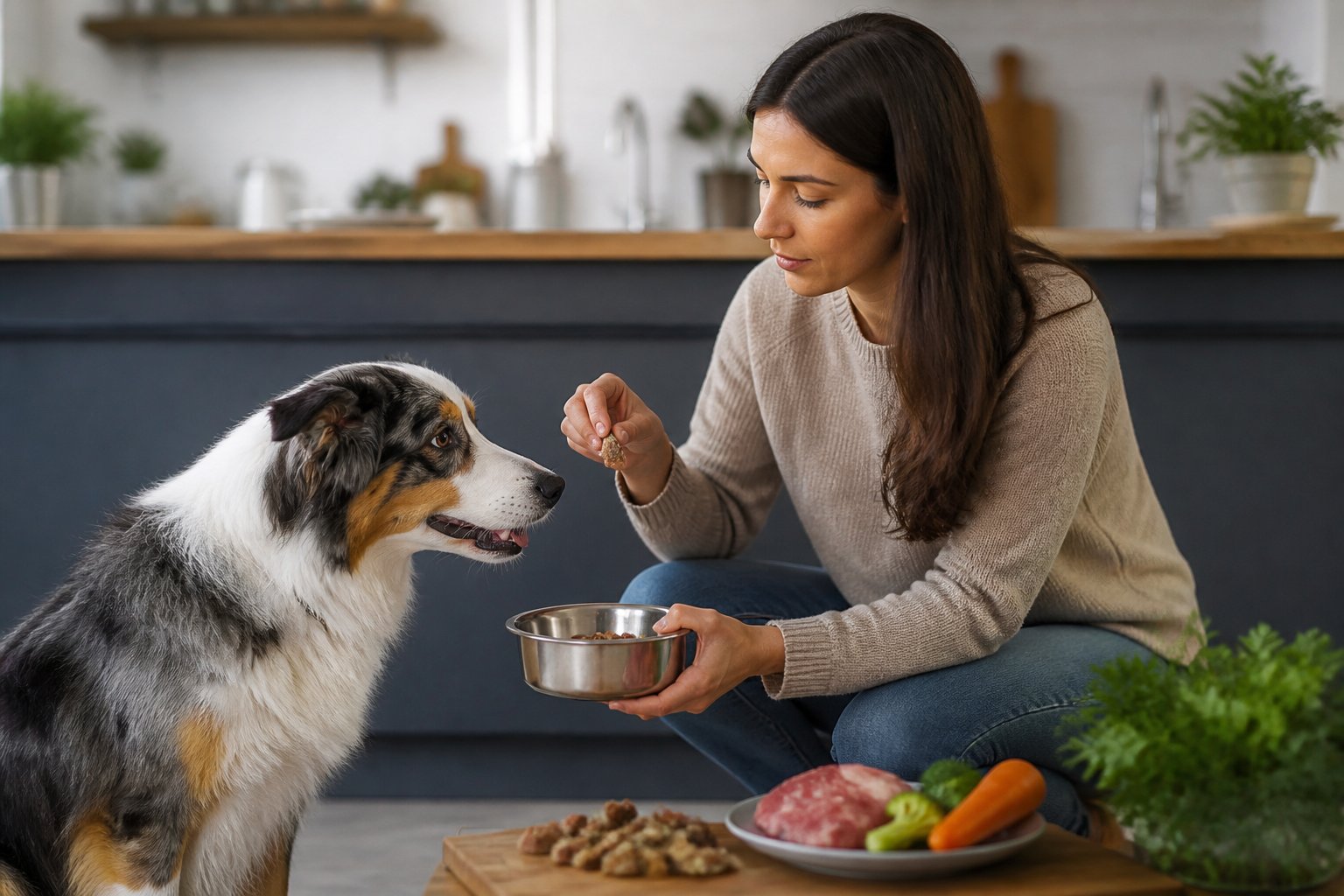
Introduction
You are standing in the pet food aisle or browsing online, looking at a bag of food that looks like small pieces of jerky. The label says it is air-dried, but the price and the ingredient list look a lot like the premium raw food in the freezer section. You might wonder if you are paying for raw nutrition or just a fancy version of kibble. This is a common question for dog owners who want the health benefits of a raw diet without the mess of thawing frozen meat.
At BaxterBoo, we see many owners making the switch to air-dried options to simplify their daily routines. This article covers the technical differences between air-dried and raw food, how the drying process works, and why it might be the right choice for your dog. You will learn if air-dried food truly counts as raw and how it compares to other shelf-stable options.
The Technical Definition of Raw Pet Food
To understand if air-dried food is raw, we first have to define what raw food actually is. In the world of pet nutrition, raw food is generally defined as ingredients that have not been exposed to high-heat processing. Standard raw diets usually consist of muscle meat, organ meats, ground bone, and sometimes fruits or vegetables. These ingredients are typically served fresh or frozen to keep the enzymes and nutrients in their natural state.
The primary goal of a raw diet is to provide nutrition that mimics what a dog would eat in the wild. This means avoiding the high temperatures used to make traditional kibble, which can change the structure of proteins and diminish certain vitamins. Since raw food is not cooked, it retains its natural moisture and live enzymes.
Air-dried food sits in a unique category. It starts with the same high-quality raw ingredients found in frozen diets. However, the moisture is removed through a very specific process. Because the food is never subjected to the extreme heat of an extruder, many experts and brands classify it as a raw-alternative or a minimally processed raw food. It is not raw in the sense of being wet and fresh, but it is raw in terms of its nutritional integrity.
Quick Answer: Air-dried dog food is considered a raw-alternative. While it is technically processed to remove moisture, it is not cooked with high heat, meaning it retains the nutritional profile of a raw diet in a shelf-stable form.
How the Air-Drying Process Works
The process of air-drying is a gentle method of preservation that has been used for centuries. Instead of using a vacuum or extreme cold like freeze-drying, air-drying uses a slow flow of air to evaporate water. Manufacturers place the raw ingredients in a chamber where air circulates at low temperatures.
This slow evaporation can take several hours or even days. As the moisture leaves the meat, the food becomes more concentrated. The low temperatures are high enough to neutralize many common pathogens like Salmonella or E. coli, but they are low enough to keep the proteins and enzymes from breaking down. This balance is what makes air-dried food so popular for owners concerned about safety.
Unlike kibble, which is often mixed with high amounts of starch to help it hold its shape during the "cooking" process, air-dried food does not require those fillers. The result is a dense, jerky-like texture that is packed with protein. Brands like our selection of Open Farm products and our selection of Earth Animal Wisdom products use this method to create a product that stays stable in your pantry for months without the need for chemical preservatives.
The Stages of Air-Drying
- Preparing the raw blend of meat, organs, and bone.
- Placing the blend in a controlled environment with specific airflow.
- Gently evaporating moisture over a long period.
- Testing for safety and packaging in airtight bags.
Key Takeaway: Air-drying uses evaporation at low temperatures to preserve food. This method protects delicate nutrients while making the food safe to store in a cupboard.
Air-Dried vs. Freeze-Dried Dog Food
It is easy to confuse air-dried food with freeze-dried food because both are shelf-stable alternatives to frozen raw. However, the texture and the science behind them are quite different. Freeze-drying involves freezing the food and then putting it into a vacuum. This causes the ice to turn directly into vapor, skipping the liquid stage.
Freeze-dried food is very light, porous, and often crumbles easily. It usually needs to be rehydrated with water before feeding to give it a more natural texture. Air-dried food is much denser. It feels like a tough piece of meat or leather. Most air-dried foods are designed to be fed exactly as they are, right out of the bag, without adding water.
Another difference is the calorie density. Because air-dried food is so concentrated, the serving sizes are often much smaller than what you would see with kibble or even some freeze-dried brands. A small scoop of air-dried beef or lamb can contain as much energy and protein as a much larger bowl of traditional food. We always remind our customers to check the feeding guidelines on the bag because it is very easy to overfeed these nutrient-dense morsels.
For a closer look at shelf-stable raw-style options, see our freeze-dried food category.
The Benefits of Choosing Air-Dried Options
One of the biggest reasons owners choose air-dried food is convenience. Feeding a traditional raw diet requires freezer space, careful thawing, and a very strict cleaning routine to avoid bacterial contamination in your kitchen. Air-dried food removes these hurdles. You can keep the bag in your pantry and scoop it into a bowl just like you would with kibble.
This convenience extends to travel as well. If you go camping or take a road trip with your dog, bringing bags of frozen meat is difficult. Air-dried food is lightweight and does not require refrigeration. It allows you to maintain your dog's high-protein diet no matter where you go.
From a health perspective, many owners notice improvements in their dog's coat and digestion. Because the food is so digestible, dogs often produce smaller, firmer stools. The high meat content also provides essential fatty acids that support skin health.
- No refrigeration or thawing required.
- Retains natural enzymes and amino acids.
- Highly concentrated nutrition with smaller serving sizes.
- Pathogen-reduced through controlled drying.
- Great for picky eaters who love the jerky texture.
Vet Tip: If your dog has a history of kidney issues or urinary stones, be careful with dry diets. While air-dried food is nutritious, it lacks the moisture found in fresh raw food. Always ensure your dog has access to plenty of fresh water or consider adding a splash of bone broth to their meal.
Is It Safer Than Fresh Raw Food?
Safety is a major talking point in the raw food community. Fresh raw meat carries a risk of bacterial growth if it is not handled perfectly. For households with young children, elderly family members, or people with compromised immune systems, the risk of handling raw meat every day might feel too high.
Air-dried food provides a middle ground. The drying process significantly lowers the moisture content, which is what bacteria need to thrive. By removing the water, manufacturers make the environment inhospitable for most harmful microbes. Additionally, the gentle heat used during the drying process acts as a kill step for many pathogens without "cooking" the food in the traditional sense.
Many premium brands we carry also use high-pressure processing (HPP) or frequent batch testing to ensure the food is safe before it leaves the facility. This gives you the nutritional profile of raw meat with a safety profile closer to that of dry kibble.
Considering the Cost and Value
There is no denying that air-dried dog food is more expensive per pound than standard kibble. The cost reflects the high meat content and the time-intensive drying process. When you buy a bag of kibble, a large portion of that weight is often made up of grains, legumes, or other fillers. When you buy air-dried food, you are paying almost exclusively for meat, organs, and essential supplements.
To see the true value, you have to look at the cost per feeding rather than the cost per bag. Since air-dried food is so nutrient-dense, you feed much less of it. A 50-pound dog might need several cups of kibble but only a small fraction of that in air-dried food.
Many of our customers at BaxterBoo use air-dried food as a "topper" rather than a full meal. By adding a handful of air-dried pieces to a high-quality kibble, you can boost the protein and flavor of the meal without the expense of a 100 percent air-dried diet. This is a great way to provide raw benefits while staying within a budget.
Bottom line: Air-dried food is a premium investment that provides highly concentrated nutrition, often allowing for smaller serving sizes compared to traditional diets.
Hydration and Air-Dried Diets
Because air-dried food has had almost all its moisture removed, your dog must stay hydrated through other means. Fresh raw diets are roughly 70 percent water, which helps keep the kidneys and bladder flushed. Air-dried food is usually less than 15 percent moisture.
If your dog is a "lazy drinker" and does not visit the water bowl often, you should be proactive. You can soak the air-dried pieces in a bit of warm water for ten minutes before serving. This softens the texture and ensures your dog gets the hydration they need. This is especially important for senior dogs or dogs living in hot climates.
We also suggest monitoring your dog's water intake when you first switch to an air-dried diet. You will likely notice they drink more than they did on a wet or fresh raw diet. This is normal and expected.
Finding the Right Fit for Your Dog
Not every dog needs an air-dried diet, but many can benefit from it. It is an excellent choice for dogs with food sensitivities. Many air-dried brands focus on limited ingredients and single-protein recipes. If your dog is allergic to chicken, you can easily find air-dried lamb, beef, or even mackerel.
If your dog is managing a chronic health condition, you should consult your veterinarian before making a major dietary change. For dogs with specific medical needs, like kidney disease or severe allergies, our pet pharmacy offers prescription pet foods. Sometimes a prescription diet is necessary to manage a condition, and we can help you get those specialized foods delivered right to your door.
Who Should Consider Air-Dried Food?
- Owners who want raw nutrition without the freezer mess.
- Frequent travelers or hikers who need lightweight food.
- Owners of picky eaters who prefer meaty textures.
- Dogs with minor skin or coat issues that need better fats.
- Pet parents looking for high-value training treats.
Key Takeaway: Air-dried food serves as a bridge between kibble and raw, offering the best of both worlds for many modern pet households.
Transitioning Your Dog to Air-Dried Food
Whenever you introduce a new type of food, especially one as rich as air-dried meat, you must go slowly. A sudden switch can lead to an upset stomach or diarrhea because the protein concentration is much higher than what your dog's digestive system is used to.
Step 1: Start by mixing a small amount of air-dried food into your dog's current meal. About 25 percent new food to 75 percent old food is a good starting point. Step 2: Monitor your dog's stool and energy levels for two or three days. Step 3: If everything looks good, move to a 50/50 mix for another few days. Step 4: Gradually increase the air-dried portion until you reach the desired amount over a period of 7 to 10 days.
During this transition, pay close attention to the feeding charts. It is very common for owners to look at the small amount of air-dried food in the bowl and think their dog is still hungry. Trust the calorie counts on the bag. These foods are designed to be small but mighty.
For more feeding guidance, our How to Feed Freeze Dried Dog Food for Better Health guide is a useful next step.
How to Store Air-Dried Food
One of the perks of this food is that it is very easy to keep. However, it is still meat, and it can spoil if not handled correctly. Most air-dried foods come in resealable bags. It is important to squeeze the air out of the bag before sealing it to prevent the fats from oxidizing and becoming rancid.
Store the bag in a cool, dry place. Avoid keeping it in a garage or a damp basement where temperatures fluctuate. If you prefer to use a storage container, keep the food inside its original bag and place the bag inside the container. This provides an extra layer of protection and keeps the bag's lot number and expiration date handy in case you ever need them.
Most air-dried foods stay fresh for about four to eight weeks after the bag is opened. If you have a very small dog and a very large bag, you might want to buy smaller bags to ensure the food stays as fresh as possible.
Using Air-Dried Food as a Training Tool
Even if you do not use air-dried food as a primary meal, it makes an incredible training treat. Most commercial treats are filled with sugar, glycerin, and starches. Air-dried food is just meat. Because it has a strong aroma and a chewy texture, most dogs find it highly motivating.
Since the pieces are often small and uniform, they are easy to carry in a treat pouch. They do not get greasy or crumbly like some other high-value rewards. We often recommend this to puppy owners who are doing a lot of intensive training and want to avoid overfeeding "junk" treats. You can simply deduct the training treats from their daily meal allowance to keep their weight on track.
If you are a member of our MVP Rewards programme, you can earn points on these premium bags of food and use them to save on future purchases of treats or gear. It is a great way to keep your training sessions well-stocked with high-quality rewards.
Bottom line: Whether used as a meal, a topper, or a reward, air-dried dog food is one of the most versatile and nutrient-dense options in the pet store.
Summary
Air-dried dog food offers a practical middle ground for owners who value the nutritional profile of a raw diet but need the convenience of a shelf-stable product. By slowly evaporating moisture at low temperatures, these foods preserve the proteins and enzymes that high-heat cooking destroys. While it is technically processed, it is not cooked, making it a "raw-alternative" that is both safe and convenient.
Remember to prioritize hydration and watch your portion sizes, as these foods are incredibly dense. Whether you use it as a full meal or a high-value topper, your dog is getting a boost of quality protein that supports their overall wellness.
If your dog has persistent health issues or requires a specific diet for a medical condition, always talk to your veterinarian. Our pet pharmacy is available for those who need prescription diets or medications. You can also save on your regular orders by using our Autoship programme, which ensures you never run out of your dog's favorite food.
FAQ
Does air dried dog food need to be refrigerated?
No, air-dried dog food is shelf-stable and does not require refrigeration. The process of removing moisture prevents the growth of bacteria and mold, allowing you to store it in your pantry. However, you should keep the bag tightly sealed in a cool, dry place to maintain freshness and prevent the natural fats from going rancid.
Can I mix air dried dog food with kibble?
Yes, many owners use air-dried food as a nutrient-dense topper for traditional kibble. This is a cost-effective way to add high-quality raw protein and enzymes to your dog's diet without switching to a 100 percent air-dried plan. Just remember to adjust the total amount of food to prevent overfeeding, as both types of food are calorie-dense.
Is air dried dog food the same as jerky treats?
While they look similar, they are not the same. Jerky treats are intended for occasional snacking and may contain extra salt or flavorings. Air-dried dog food is formulated to be a complete and balanced meal, containing the specific vitamins, minerals, and organ meats a dog needs to thrive. Always check the label to ensure the product meets AAFCO standards for a complete diet.
Why is air dried dog food so expensive?
The cost is higher because the food is made almost entirely of high-quality meat and organs with no cheap fillers like corn or wheat. The air-drying process is also much slower and more expensive than the high-speed extrusion used for kibble. However, because the food is so concentrated, you typically feed much less per meal, which can help offset the higher price per bag.






