
 Save 15% on your 1st Autoship learn more

 Email us
 Live Chat
 FAQs
FAQs





Introduction
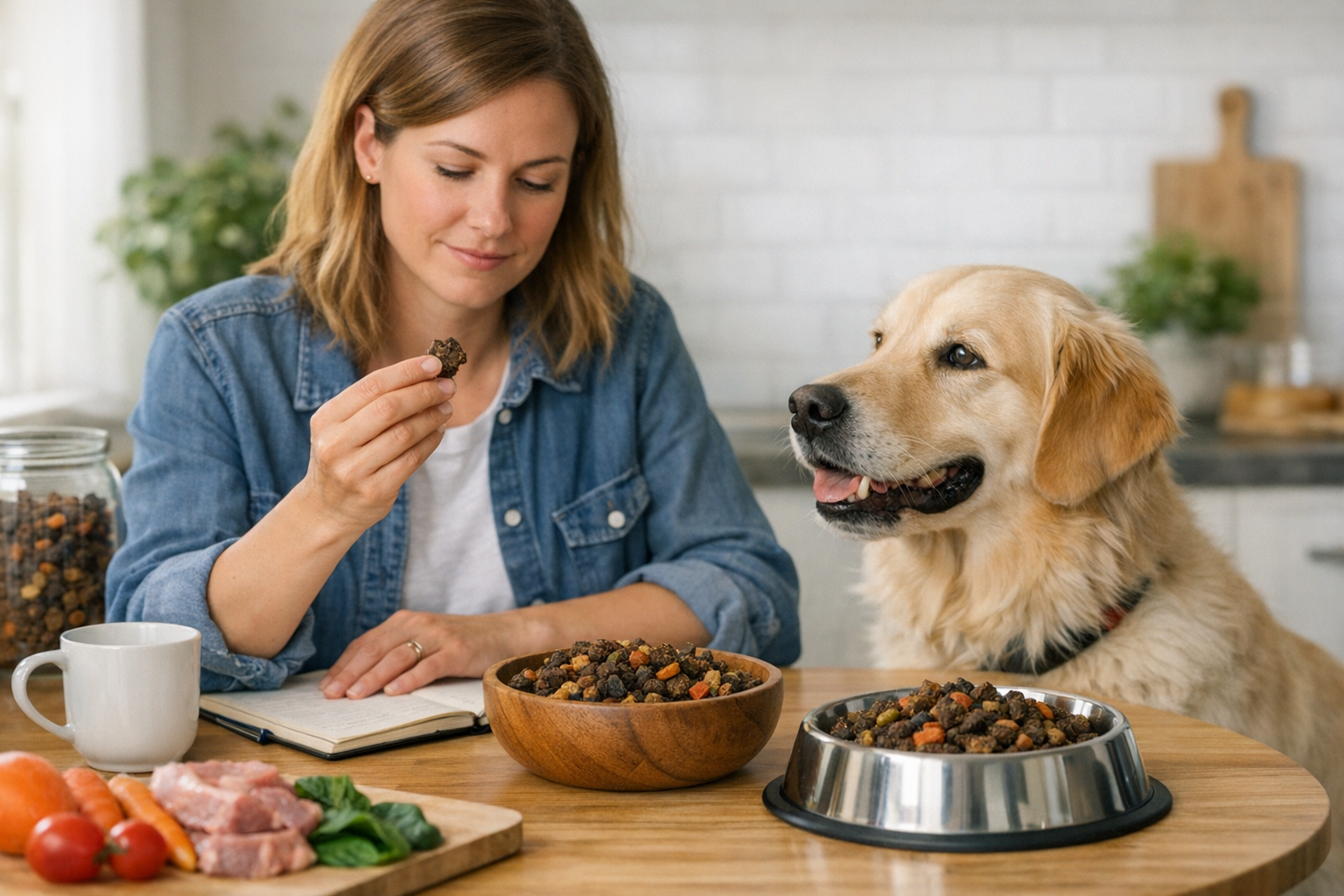
You might be standing in your kitchen, looking at a bag of jerky-style nuggets and wondering how they differ from the frozen patties in your freezer. Many dog owners want the nutritional benefits of a raw diet but struggle with the prep work, the freezer space, and the cleanup involved. This leads to a common question: is air dried dog food raw? At BaxterBoo, we talk to pet parents every day who are looking for that perfect balance between high-quality nutrition and the convenience of a scoopable food. If you want to browse options as you read, start with our air-dried dog food collection. While air-dried food is technically a raw-alternative, the process used to make it changes its shelf life and safety profile significantly. This article will explain exactly how air-drying works, how it compares to other raw formats, and why it might be the right choice for your dog.
Quick Answer: Air-dried dog food is a raw-equivalent diet. It is made by gently evaporating moisture from raw ingredients at low temperatures. This preserves the nutrients and enzymes found in raw meat while making the food shelf-stable and safe from harmful bacteria.
The Science of Air-Drying
To understand if air-dried food is raw, we have to look at the physics of the process. Traditional kibble is made using high heat and pressure, often reaching temperatures that "cook" the proteins and can destroy sensitive vitamins. Air-drying is different. It uses a slow evaporation process. Imagine a very sophisticated version of the way people have preserved meat for centuries.
The raw ingredients, which usually include muscle meat, organs, and bone, are placed in a chamber. Cool or lukewarm air is circulated around the food for several hours or even days. This air slowly pulls the water out of the meat. Because the temperatures stay very low, the cellular structure of the proteins remains largely unchanged. This is why many experts consider it a raw-equivalent. For a real example, Ziwi Peak Beef Air-Dried Dog Food shows how a gently air-dried formula can still feel close to raw. The meat is not "cooked" in the traditional sense, but it is no longer "wet raw" either.
Evaporation vs. Cooking
Cooking involves thermal energy that changes the chemical composition of food. For example, when you fry a steak, the proteins denature and the fats change. Air-drying avoids this. By removing the water, you create an environment where bacteria cannot grow. Bacteria like salmonella or listeria need moisture to survive and multiply. Once the moisture level drops below a certain point, the food becomes shelf-stable.
Key Takeaway: Air-drying removes moisture through evaporation at low temperatures. This keeps the nutritional integrity of raw meat intact while preventing bacterial growth.
How Air-Dried Compares to Other Raw Formats
Pet owners often confuse air-dried food with freeze-dried or dehydrated options. While they all aim to provide a shelf-stable alternative to frozen raw, the methods and textures are distinct. If you’re comparing raw-inspired options, our freeze-dried dog food category is a helpful place to look.
Air-Dried vs. Freeze-Dried
Freeze-drying is a more complex process. The food is frozen first, and then it goes into a vacuum chamber where the ice turns directly into vapor. This results in a very light, porous texture that usually needs to be rehydrated with water before feeding. Air-dried food is much denser. It has a texture similar to tough jerky. Most dogs enjoy the chewiness of air-dried food, and you generally do not need to add water to it.
Air-Dried vs. Dehydrated
Dehydration often uses slightly higher temperatures than air-drying. While it still preserves more nutrients than kibble, some dehydrated foods may lose a small amount of enzyme activity due to the heat involved. Dehydrated foods also typically require rehydration. Air-dried food sits in the "goldilocks" zone of being ready to eat straight from the bag while maintaining a raw-equivalent nutritional profile.
| Feature | Air-Dried | Freeze-Dried | Dehydrated |
|---|---|---|---|
| Texture | Jerky-like, dense | Light, crumbly | Flat, leathery |
| Rehydration | Not required | Usually required | Usually required |
| Nutrient Retention | Very High | Maximum | High |
| Shelf Stability | Excellent | Excellent | Excellent |
Is Air-Dried Food Safe?
One of the main reasons people move away from wet raw diets is the concern over pathogens. Handling raw meat in your kitchen requires strict hygiene to avoid cross-contamination. Air-dried dog food addresses this through several layers of safety.
First, the removal of moisture is a natural preservative. Second, many premium brands like Ziwi Peak or Open Farm use a process called "kill steps" during the drying phase. A product such as Open Farm Air Dried Dog Food - Harvest Chicken shows how a premium recipe can be air-dried and still shelf-stable.
Vet Tip: If you have a compromised immune system or small children in the house, air-dried food is often a safer way to provide raw nutrition. You get the benefits of the diet without the risks associated with handling wet, raw meat. Always wash your hands after handling any pet food.
The Nutritional Density Advantage
Because air-dried food has the water removed, it is incredibly nutrient-dense. When you look at a bag of standard kibble, much of the volume comes from fillers like corn, wheat, or peas. In contrast, air-dried recipes are often 90% to 98% meat, organs, and bone. To compare it with other everyday staples, you can also browse our dog food collection.
This means the serving sizes are much smaller. If you are used to feeding your dog two cups of kibble, you might only need to feed them three-quarters of a cup of air-dried food. This high density makes it an excellent choice for dogs with small appetites or those who need a lot of energy in a small amount of food, such as working dogs or active puppies.
Bioavailability of Raw Ingredients
Bioavailability refers to how easily a dog's body can absorb and use the nutrients in their food. Dogs have short digestive tracts designed to process animal proteins and fats quickly. The proteins in air-dried food remain in their natural state, making them highly bioavailable. This often leads to:
- Smaller, firmer stools
- Improved skin and coat health
- Higher energy levels
- Better weight management
Transitioning Your Dog to Air-Dried Food
If you decide to switch from kibble to an air-dried diet, you should do it slowly. Because the food is so rich and dense, a sudden switch can cause digestive upset. We recommend a transition period of at least seven to ten days.
Step 1: Mix a small amount. Start by replacing 25% of your dog's current food with the air-dried option. Do this for three days while watching for any changes in their stool.
Step 2: Increase the ratio. If your dog is doing well, move to a 50/50 mix for the next three days.
Step 3: Move to 75%. Increase the air-dried portion to 75% for another three days.
Step 4: Full transition. By day ten, your dog should be ready for 100% air-dried food.
Note: Some pet parents prefer to use air-dried food as a "topper" rather than a full meal. This is a great way to boost the nutrition of a high-quality kibble without the full expense of an air-dried diet.
For a deeper look at freshness and storage once the bag is opened, How Long Is Dry Dog Food Good for After Opening? is a useful next read.
Cost vs. Value
There is no denying that air-dried dog food has a higher price point per bag than kibble. However, it is important to look at the cost-per-feeding rather than the cost-per-pound. Since you are feeding significantly less volume, a bag often lasts longer than you might expect. If you want to save on repeat purchases, our MVP Rewards programme can help add extra value over time.
At BaxterBoo, we see many customers who find that the long-term benefits outweigh the initial cost. Better nutrition can lead to fewer vet visits for skin allergies, digestive issues, or weight-related problems. When you consider the quality of the ingredients, such as grass-fed beef or wild-caught fish, the value becomes clearer.
Is Air-Dried Food Right for Every Dog?
While air-dried food is an exceptional choice for most dogs, there are some specific considerations to keep in mind.
Hydration Needs
Since air-dried food has very little moisture, your dog must have constant access to fresh water. Dogs eating a traditional wet raw diet get a lot of their hydration from their food. When you switch to a dry format, their water intake will naturally increase.
Senior Dogs and Dental Health
The jerky-like texture of air-dried food provides a good chew, which can help with dental health by mechanical scraping of the teeth. However, if you have a very senior dog with missing teeth or painful gums, they might find the nuggets too hard. In these cases, you can add a little warm water or bone broth to the bowl to soften the food before serving.
Weight Management
Because the food is calorie-dense, it is very easy to overfeed. It is vital to use the measuring scoop provided by the manufacturer and follow the feeding guidelines based on your dog's ideal weight. If your dog is overweight, your veterinarian might recommend a specific prescription diet. Our pharmacy for dogs carries prescription pet foods through our partnership with Pet's Choice for dogs managing chronic conditions or weight issues. For additional wellness support, our dog healthcare category is another place to explore.
Key Takeaway: Air-dried food is highly concentrated. Measuring correctly is essential to prevent unwanted weight gain.
Ingredient Quality in Air-Dried Brands
When you read the label of an air-dried food, you will notice it looks different from kibble labels. You won't see "meat meal" or a long list of synthetic vitamins at the bottom. Instead, you see whole food sources. Brands like Ziwi Peak focus on "whole-prey" ratios. To browse more from the brand, see our selection of Ziwi Peak products. This means they include the heart, liver, kidney, and bone, which provide natural sources of vitamins and minerals.
Sourcing and Ethics
Many air-dried brands emphasize ethical sourcing. Since this is a premium product, manufacturers often use human-grade meats from farms with high animal welfare standards. For example, many recipes feature New Zealand green-lipped mussels, which are a natural source of glucosamine and chondroitin for joint support.
Bottom line: Air-dried food is a raw-equivalent diet that offers the convenience of kibble with the nutritional integrity of raw meat.
Common Questions About Storage
One of the best things about air-dried food is its shelf life. Unlike frozen raw, which only stays fresh for a few days in the fridge once thawed, a bag of air-dried food can last for several weeks after opening.
To keep the food fresh, always seal the bag tightly. Most premium air-dried brands come with high-quality resealable zippers. Store the bag in a cool, dry place. Do not pour the food into a separate plastic bin, as the original packaging is designed to keep oxygen out and prevent the fats from going rancid. If you’re interested in other ways to stretch your pet food budget, Discounted Dog Food: How to Feed Your Dog for Less is worth a look.
Summary Checklist for Choosing Air-Dried
- Check the meat percentage: Look for brands with at least 90% animal-sourced ingredients.
- Verify the drying process: Ensure the brand uses low-temperature air-drying rather than high-heat dehydration.
- Look for whole-prey ingredients: Organs and bone should be included for natural vitamins.
- Monitor your dog's weight: Use the specific feeding guide for air-dried food, not kibble.
- Ensure hydration: Always keep fresh water available.
Conclusion
Air-dried dog food provides a practical middle ground for owners who want the best possible nutrition without the hassle of raw meat prep. It is a raw-equivalent food that is safe, shelf-stable, and incredibly palatable for even the pickiest eaters. While the price per bag is higher, the smaller serving sizes and high bioavailability make it a powerful investment in your dog's long-term health. We carry a carefully curated selection of air-dried brands at BaxterBoo to ensure you have access to the best options on the market. If your dog has specific health concerns, remember to consult your vet before making a major dietary change.
Bottom line: For a diet that mimics what dogs would eat in the wild while fitting into a modern lifestyle, air-dried food is a top-tier choice.
To start your dog on a high-quality air-dried diet, explore our premium dog food collection. You can also save on every order by signing up for our Autoship programme to ensure your dog never runs out of their favorite food.
FAQ
Does air-dried dog food need to be refrigerated?
No, air-dried dog food does not require refrigeration. The air-drying process removes enough moisture to make the food shelf-stable at room temperature. You should keep the bag tightly sealed and store it in a cool, dry place to maintain freshness.
Can I mix air-dried food with kibble?
Yes, many pet parents use air-dried food as a high-value topper for kibble. This is a cost-effective way to improve the nutritional quality of your dog's diet. Just be sure to adjust the total calories to prevent overfeeding.
Is air-dried food better than freeze-dried food?
Neither is objectively "better," but they offer different benefits. Air-dried food is more convenient because it doesn't require rehydration and has a chewy texture dogs love. Freeze-dried food often has the highest possible nutrient retention but is more brittle and usually needs to be mixed with water.
Why is air-dried dog food so expensive?
The cost reflects the quality and quantity of the ingredients. It takes several pounds of fresh, raw meat to produce one pound of air-dried food because most of the weight is lost during the water evaporation process. You are paying for a highly concentrated product with premium, often human-grade, ingredients.






