
 Save 15% on your 1st Autoship learn more

 Email us
 Live Chat
 FAQs
FAQs





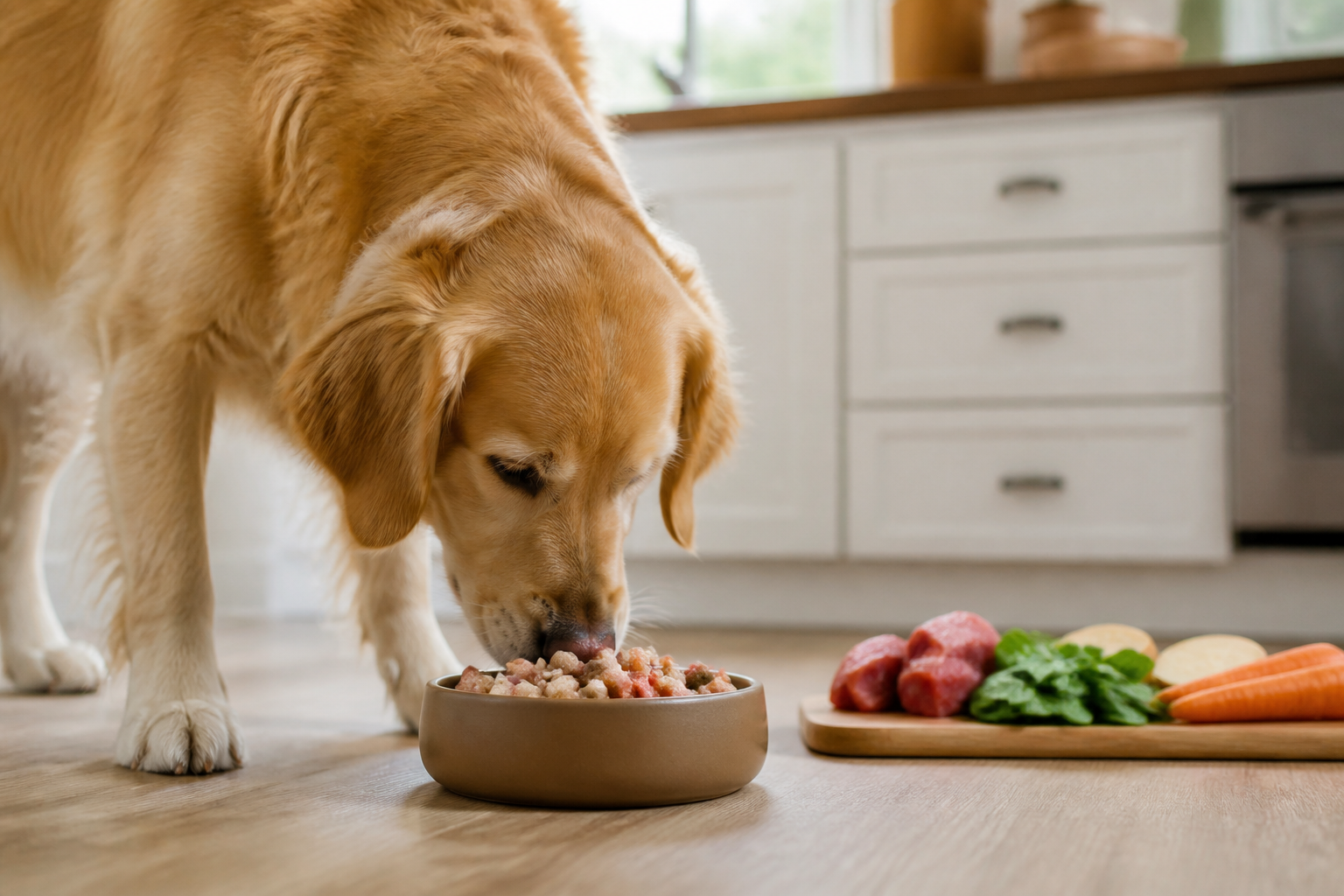
Introduction
You are standing in the dog food aisle or scrolling through pages of premium options, and you keep seeing the same term: freeze-dried raw. It looks like dry nuggets or small chunks of meat, yet the label claims it provides the benefits of a raw diet. If you are confused about whether these products are truly uncooked, you are not alone. Many pet owners wonder if the process of freeze-drying actually "cooks" the food or if it stays raw throughout the entire journey from the farm to the bowl.
At BaxterBoo, we know that choosing the right nutrition is one of the most important decisions you make for your dog. This article covers the science behind the freeze-drying process, how it differs from traditional cooking, and why most of these diets are considered raw despite being shelf-stable. Our goal is to help you understand exactly what is in your dog's bowl so you can make the best choice for their health and your lifestyle. While freeze-drying preserves the biological integrity of the meat, there are nuances in how different brands handle safety and pathogens.
The Science of Freeze-Drying and Raw Ingredients
To answer the main question: yes, almost all freeze-dried dog food is considered raw. This is because the process does not use high heat to kill bacteria or change the structure of the proteins. In traditional kibble production, ingredients are mixed and then cooked at high temperatures through a process called extrusion. This heat changes the chemical makeup of the food and can sometimes degrade sensitive vitamins and enzymes.
For more options, you can browse our freeze-dried dog food collection.
Freeze-drying takes a completely different approach. The process starts with raw ingredients, usually including muscle meat, organs, and bone. These ingredients are flash-frozen at extremely low temperatures. Once frozen, the food is placed into a vacuum chamber. This is where a process called sublimation occurs. The ice in the food turns directly into water vapor without ever becoming liquid. This removes nearly all the moisture while leaving the physical structure and nutritional profile of the raw meat intact.
Because the meat never reaches a temperature that would "cook" it, the proteins remain in their raw state. This allows your dog to consume the food in a form that is biologically similar to what they would eat in the wild. However, because the moisture is gone, the food is shelf-stable and does not require refrigeration like fresh raw diets do.
Quick Answer: Yes, almost all freeze-dried dog food is raw because it is processed using extremely low temperatures rather than heat. The moisture is removed through sublimation, which preserves the nutritional integrity and enzymatic activity of the raw ingredients without cooking them.
The Role of High-Pressure Pasteurization (HPP)
While freeze-dried food is raw, many pet owners worry about the safety of uncooked meat. This is where High-Pressure Pasteurization, or HPP, comes into play. You might see brands at BaxterBoo, such as Stella and Chewy's or Open Farm, mentioning this process on their packaging. HPP is a cold-water pressure process. It subjects the raw food to incredibly high pressure to neutralize harmful pathogens like Salmonella, Listeria, and E. coli.
It is important to understand that HPP does not use heat. Because there is no heat involved, the food is still technically raw. The pressure is high enough to burst the cell walls of bacteria but not high enough to cook the meat or destroy the beneficial enzymes that raw feeders look for. Some purists argue that any processing makes the food "less raw," but for the average pet owner, HPP provides a necessary layer of safety without losing the benefits of a raw diet.
Not every brand uses HPP. Some rely on strict testing of every batch to ensure safety. When you are looking at different freeze-dried options, it is helpful to check the manufacturer's website to see their specific safety protocols. This is especially important if you have young children, elderly family members, or immunocompromised individuals in your home who might come into contact with the dog's food or bowls.
Why Safety Protocols Matter
- Reduces the risk of cross-contamination in your kitchen.
- Lowers the chance of your dog getting a foodborne illness.
- Ensures the food stays shelf-stable for months without spoiling.
- Maintains the nutritional value without the need for synthetic additives.
Nutrients and Enzymes in Freeze-Dried Food
One of the biggest reasons pet owners choose raw or freeze-dried diets is the nutrient density. When you cook meat, some of the heat-sensitive vitamins, such as B vitamins and certain amino acids, can be diminished. Freeze-drying is widely considered the gold standard for preserving these nutrients. Because the food is never heated, the natural vitamins and minerals found in the meat, organs, and bones remain highly bioavailable.
Enzymes are another critical factor. These are proteins that help your dog digest their food and support various metabolic processes. Heat typically destroys these enzymes. Since freeze-drying keeps the food in its raw state, these naturally occurring enzymes stay active. This is often why owners report that their dogs have smaller, firmer stools when eating freeze-dried or raw diets. The body is able to use more of the food, resulting in less waste.
We often see dogs with sensitive stomachs thrive on freeze-dried options because the ingredient lists are usually very short. Many brands like Vital Essentials or Northwest Naturals focus on a limited-ingredient approach. They use high-quality animal proteins without the heavy starches or grains found in many kibbles. This mirrors the ancestral diet of canines and can be much easier on a dog's digestive tract.
Key Takeaway: Freeze-drying preserves the natural enzymes and heat-sensitive vitamins found in raw meat, leading to high nutrient bioavailability and improved digestion for most dogs.
The Practical Benefits of Freeze-Dried vs. Fresh Raw
If you have ever tried a fresh or frozen raw diet, you know it can be a lot of work. You have to remember to thaw the food in the fridge, handle bloody juices, and clean every surface the meat touches. Freeze-dried dog food offers a middle ground. It provides the nutritional profile of raw food with the convenience of a dry kibble.
You can store a bag of freeze-dried food in your pantry for months. It is lightweight, making it an excellent choice for traveling, hiking, or camping with your dog. You do not need a cooler or a freezer to keep it fresh. For many busy pet owners, this convenience is the deciding factor. It allows them to provide a high-quality raw diet without the logistical headaches of frozen logs or patties.
Another benefit is the texture. Some dogs are picky about the "mushy" texture of fresh raw food. Freeze-dried nuggets have a satisfying crunch that many dogs enjoy. You can also rehydrate the food by adding a little warm water or bone broth. This is a great way to add extra hydration to your dog's diet, which is vital for kidney and urinary health. For additional guidance, read this freeze-dried dog food feeding guide.
Comparison of Feeding Styles
| Feature | Kibble | Fresh/Frozen Raw | Freeze-Dried Raw |
|---|---|---|---|
| Processing | High Heat | None (Raw) | Cold (Freeze-Dried) |
| Storage | Pantry | Freezer/Fridge | Pantry |
| Convenience | High | Low | High |
| Nutrient Loss | Moderate | Very Low | Very Low |
| Safety | High (Cooked) | Variable | High (HPP/Testing) |
Vet Tip: If you are transitioning your dog to a raw or freeze-dried diet, do it slowly over seven to ten days. Sudden changes in protein levels or fat content can cause digestive upset. Always consult your veterinarian before making major dietary changes, especially for dogs with pre-existing conditions like pancreatitis or kidney disease.
Is All Freeze-Dried Food "Complete and Balanced"?
This is a critical distinction to make when shopping for your dog. Not all freeze-dried products are intended to be a full meal. You will generally find three categories of freeze-dried items:
- Complete and Balanced Meals: These are formulated to meet AAFCO (Association of American Feed Control Officials) standards for a specific life stage. They contain the necessary balance of vitamins, minerals, and fats to be your dog's only source of nutrition.
- Meal Mixers or Toppers: These are designed to be added to your dog's existing kibble. They provide a boost of raw protein and flavor but may not have the calcium or mineral balance required for a standalone meal.
- Treats: These are often single-ingredient items like freeze-dried beef liver or chicken breast. They are wonderful for training but should never make up more than 10% of your dog's daily calories.
It is vital to read the label carefully. Feeding a "topper" as a full meal for an extended period can lead to serious nutritional deficiencies. If you are unsure which category a product falls into, look for the AAFCO statement on the back of the bag. This statement will tell you if the food is intended for "intermittent or supplemental feeding only" or if it is a complete diet.
For topper and mixer options, explore our freeze-dried food supplements.
Understanding the Cost of Freeze-Dried Raw
One thing you will notice quickly at BaxterBoo or any specialty retailer is that freeze-dried food carries a higher price tag than kibble. This is due to the intensive nature of the freeze-drying process. It takes a long time to remove moisture through sublimation, and the machinery required is expensive to operate. Additionally, because the food is so concentrated, you are paying for the weight of the meat without the weight of the water.
A small bag of freeze-dried food might look expensive, but it is important to look at the feeding guidelines. Because the food is so nutrient-dense, you often feed much smaller portions than you would with kibble. When you rehydrate the nuggets, they expand significantly. Many owners find that using freeze-dried food as a topper is a great way to manage costs while still providing the benefits of raw nutrition.
By adding a handful of freeze-dried morsels to a high-quality kibble, you can improve your dog's coat, energy, and digestion without the expense of a 100% freeze-dried diet. This "hybrid" feeding model is becoming increasingly popular among budget-conscious pet owners who still want the best for their companions.
Bottom line: While freeze-dried food has a higher upfront cost, its nutrient density and the ability to use it as a topper make it a flexible option for various budgets.
Health Considerations and the BaxterBoo Pharmacy
Feeding a raw or freeze-dried diet can have a positive impact on many common health issues. We often hear from customers whose dogs have seen improvements in skin allergies and coat shine after switching to a minimally processed diet. However, nutrition is only one part of the health puzzle.
If your dog is managing a chronic condition like severe allergies, joint issues, or digestive disorders, dietary changes should be paired with professional veterinary care. Our pet pharmacy, operated in partnership with Pet's Choice, offers a wide range of FDA-approved medications and prescription diets. If your vet recommends a specific prescription food or a medication to manage an ongoing health concern, you can easily fulfill those needs through us.
Whether you are looking for a high-protein freeze-dried topper to encourage a picky eater or you need a specialized prescription diet for a medical condition, we provide the tools to manage your dog's health in one place. Always remember that significant changes in health, such as sudden weight loss or persistent lethargy, require a visit to your veterinarian for a proper diagnosis.
Handling and Hygiene for Freeze-Dried Raw
Even though the food is dry and often treated with HPP, it is still a raw meat product. You should treat it with the same respect you would a package of raw chicken from the grocery store. This means washing your hands thoroughly after handling the food and cleaning your dog's bowls after every meal.
If you choose to rehydrate the food, do not leave it sitting out in the bowl for hours. Once water is added, the risk of bacterial growth increases significantly. If your dog does not finish their rehydrated meal within 20 to 30 minutes, it is best to discard the leftovers and wash the bowl.
Safe Handling Checklist
- Wash hands with soap and water after touching the food or treats.
- Clean all bowls, scoops, and preparation surfaces with hot, soapy water.
- Keep the original bag sealed tightly and store it in a cool, dry place.
- Monitor children around the dog's feeding area to prevent them from touching the food.
Is Freeze-Dried Raw Right for Every Dog?
Most dogs can thrive on a freeze-dried raw diet, but there are a few exceptions. Puppies, especially large-breed puppies, have very specific requirements for calcium and phosphorus to ensure their bones grow at the correct rate. If you are feeding a puppy, you must ensure the freeze-dried food is specifically labeled for "growth" or "all life stages" and meets AAFCO standards for puppies.
Senior dogs with late-stage kidney disease may also need a different nutritional profile. Raw diets are naturally very high in protein and phosphorus, which can be hard on failing kidneys. In these cases, a prescription diet from our pharmacy might be a safer and more effective choice.
Finally, consider your dog's dental health. While some people believe raw bones and food help clean teeth, freeze-dried nuggets are often quite soft once they hit the saliva or are rehydrated. They do not provide the same mechanical scraping action as some hard kibbles or dental chews. Regular brushing and professional dental cleanings remain the best ways to manage your dog's oral health.
Transitioning Your Dog to Freeze-Dried Food
If you are ready to try freeze-dried raw, the best approach is a slow transition. This allows your dog's digestive enzymes to adjust to the higher protein and fat levels.
For more portioning and transition guidance, see this article about how much freeze-dried dog food to feed.
Step 1: Start by mixing a very small amount of freeze-dried food into your dog's current kibble. Roughly 10% of the meal should be the new food.
Step 2: Watch for any signs of digestive upset, such as loose stools or gas. If your dog seems fine, you can gradually increase the ratio over several days.
Step 3: By day seven to ten, you can move to a 100% freeze-dried diet or stay at a hybrid level that fits your budget and your dog's needs.
Step 4: If you decide to rehydrate the food, start with a small amount of water to see how your dog likes the texture. Some dogs prefer a "stew" consistency, while others like it just slightly dampened.
Key Takeaway: A gradual transition is essential for preventing stomach upset when moving from a processed kibble to a nutrient-dense raw or freeze-dried diet.
Conclusion
In summary, almost all freeze-dried dog food is raw because the low-temperature processing preserves the raw state of the ingredients. It offers the nutritional power of a raw diet with the ease of a shelf-stable product. Whether you use it as a complete meal or a flavor-boosting topper, it is a high-quality way to nourish your dog. We are proud to offer a wide selection of these premium diets at BaxterBoo to help your dog thrive.
To keep your dog in peak condition, remember these points:
- Verify if the food is a complete meal or a topper.
- Practice good hygiene when handling any raw meat product.
- Consider rehydrating the food to support healthy kidney function.
- Use our pharmacy for any prescription needs your veterinarian recommends.
If you are looking to get started, our Autoship programme is a great way to save on your dog's favorite freeze-dried recipes while ensuring you never run out. You can also earn rewards on every bag through the MVP Rewards programme. Taking the step toward better nutrition is a wonderful way to show your dog how much you care.
FAQ
Does freeze-drying kill bacteria in dog food?
The freeze-drying process itself does not kill all bacteria; it mostly puts pathogens into a dormant state by removing moisture. Many reputable manufacturers use High-Pressure Pasteurization (HPP) or rigorous batch testing to ensure the raw food is safe before it reaches your home. It is always important to handle these products with the same hygiene standards you would use for any raw meat.
Do I have to add water to freeze-dried dog food?
While you can feed freeze-dried food dry, rehydrating it with water or bone broth is generally recommended. Adding moisture helps with your dog's digestion and ensures they stay properly hydrated, which is especially important since the freeze-drying process removes almost all natural water from the meat. Some dogs prefer the crunch of dry nuggets, but rehydrating brings the food closer to its original raw state.
Can I mix freeze-dried raw food with kibble?
Yes, many pet owners use freeze-dried food as a "meal mixer" or topper to enhance the flavor and nutrition of standard kibble. This is an excellent way to provide some of the benefits of raw feeding without the full cost of a 100% freeze-dried diet. Just be sure to adjust the total amount of food you are giving to avoid overfeeding and unwanted weight gain.
Is freeze-dried food better for dogs than kibble?
Freeze-dried food is generally less processed and more nutrient-dense than traditional kibble, which is cooked at high heat. Many dogs experience better digestion, improved skin health, and higher energy levels on a minimally processed diet. However, the "best" food depends on your individual dog's health needs, your budget, and your lifestyle, so it is always a good idea to discuss dietary changes with your veterinarian.






