
 Save 15% on your 1st Autoship learn more

 Email us
 Live Chat
 FAQs
FAQs





Introduction
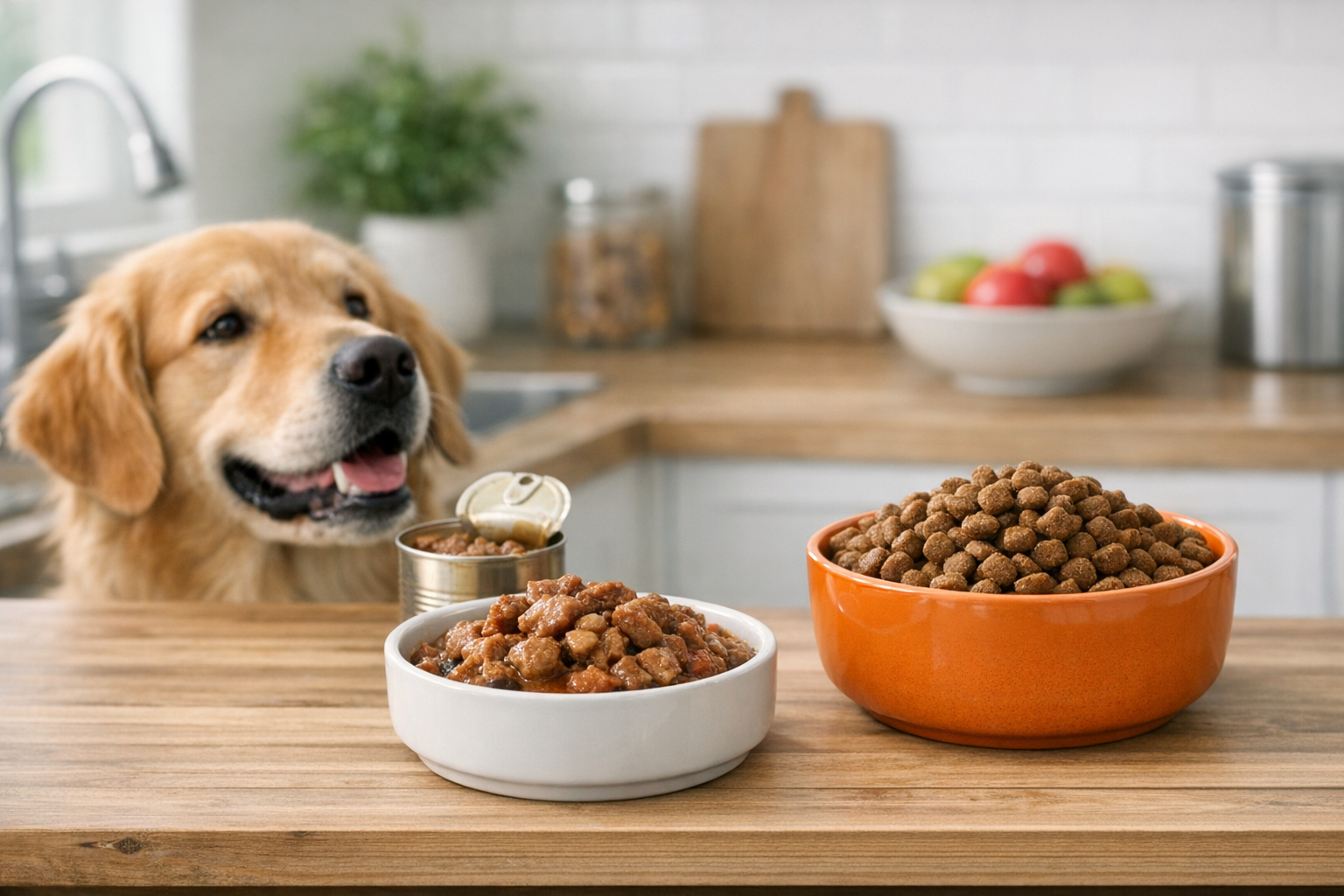
You fill the bowl with high-quality kibble, but your dog just walks away. They might give it a quick sniff or a reluctant crunch, but the excitement for mealtime is gone. This is a common scene for many pet parents, and it often leads to the same question: is canned food better than dry food for dogs? At BaxterBoo, we hear this question frequently from customers visiting our Vernon Hills warehouse and those shopping online. There is no simple yes or no answer because every dog has unique health requirements and preferences. This post explores the nutritional differences, the practical pros and cons of each format, and how to decide which one fits your lifestyle. Both options provide complete nutrition, but the right choice depends on your dog's age, hydration needs, and overall health. If you want to compare options as you read, start with our dog food category.
Quick Answer: Neither food is objectively better for all dogs. Canned food offers superior hydration and palatability for picky eaters or seniors, while dry food is more cost-effective and convenient for busy households. The best choice is the one that meets your dog's specific nutritional needs as determined by your veterinarian.
The Nutritional Breakdown of Wet and Dry Food
When you look at a bag of kibble and a can of wet food, the labels can be confusing. The percentages for protein and fat often look much higher on the dry food bag. This is because the percentages are calculated based on the weight of the food, including water. To get a fair comparison, you have to look at the nutrients on a dry matter basis. This means calculating the nutritional value after all the water is removed.
Protein and Fat Levels
Canned dog food often contains more meat-based protein than dry kibble. Because it does not need starches to hold a specific shape, manufacturers can focus more on animal proteins and fats. This makes canned food a common choice for owners who want a diet that closely mimics a dog's ancestral eating habits. Brands like Stella and Chewy's or Open Farm offer canned options with very high inclusion rates of quality meats. If you want to browse one of those brand assortments, take a look at our selection of Open Farm products.
Dry food still provides plenty of protein, but it usually includes more plant-based ingredients or meat meals. High-quality dry foods from brands like NutriSource or Acana use concentrated protein sources to ensure your dog gets what they need in a smaller serving size. For a healthy, active dog, the protein in a premium kibble is perfectly adequate for maintaining muscle mass and energy levels.
Carbohydrates and Binders
Kibble requires carbohydrates to work. During the manufacturing process, a dough is created and then pushed through an extruder. Without starches like grains, potatoes, or legumes, the kibble would simply crumble into dust. Most dry foods contain between 30 percent and 50 percent carbohydrates.
Canned food is cooked inside the can to sterilize it, so it does not need those same binders. Many wet foods are significantly lower in carbohydrates than their dry counterparts. If you are managing a dog with certain metabolic issues, a lower-carb wet food might be a useful tool. However, carbohydrates are not inherently bad. They provide an efficient source of energy for most dogs.
Key Takeaway: To compare the nutrition of wet and dry food accurately, you must calculate the values on a dry matter basis. Wet food generally has more protein and fewer carbs, while dry food is more nutrient-dense per gram.
The Case for Canned Dog Food
There are specific situations where canned food is the clear winner. If you have a dog that is struggling with certain health issues, the extra moisture and aroma can make a significant difference in their quality of life.
Superior Hydration
Water is the most important nutrient for any living creature. Many dogs do not drink enough water from their bowls, especially during hot Illinois summers or if they are prone to urinary issues. Canned food is typically about 75 percent to 80 percent water. When your dog eats a meal of wet food, they are getting a massive boost in hydration at the same time.
This extra moisture is particularly helpful for dogs with kidney issues or those prone to forming bladder stones. It helps flush the system and keeps the kidneys functioning more efficiently. For these dogs, we often suggest looking into our pet pharmacy. Through our partnership with Pet's Choice, we offer FDA-approved prescription diets like Farmina Vet Life that are specifically formulated for renal support.
Palatability and Picky Eaters
Canned food smells much stronger than dry food. For a dog, whose sense of smell is their primary way of experiencing the world, a strong aroma is the best appetizer. Wet food often has a texture that is much closer to fresh meat, which most dogs find irresistible.
If you have a dog that has lost its appetite due to age or illness, warming up a bit of canned food can often entice them to eat. It is also an excellent way to hide medications. You can easily mash a pill into a tablespoon of pâté-style wet food, and most dogs will swallow it without a second thought.
Support for Senior Dogs
As dogs age, they often develop dental problems or lose some of their sense of smell. Crunchy kibble can be painful for a dog with missing teeth or inflamed gums. Canned food is soft and easy to chew, making it much more comfortable for senior pets.
Many seniors also struggle to keep weight on. The high fat and protein content in premium canned foods can help these older dogs maintain a healthy body condition. Brands like Royal Canin and Purina Pro Plan offer specialized wet formulas designed specifically for the needs of aging dogs.
Vet Tip: If your senior dog suddenly stops eating their dry food, do not just switch to wet food. Schedule a dental exam with your veterinarian. They may be suffering from a broken tooth or gum disease that requires medical attention beyond a change in diet.
The Advantages of Dry Dog Food
While canned food has many benefits, dry kibble remains the most popular choice for dog owners in the United States. It offers a level of convenience and value that is hard to beat, especially for households with large dogs or multiple pets.
Convenience and Shelf Life
One of the biggest perks of dry food is how easy it is to handle. You can measure out a portion, put it in the bowl, and not worry if your dog takes an hour to finish it. It does not spoil quickly at room temperature. This makes it ideal for dogs that prefer to graze throughout the day.
Once a bag is opened, it can stay fresh for several weeks if stored in a cool, dry place. We recommend keeping the food in its original bag and placing that bag inside an airtight container. This helps preserve the fats and prevents them from going rancid when exposed to oxygen.
Cost-Effectiveness
If you are feeding a 70-pound Labrador, feeding exclusively canned food can get very expensive very quickly. Because canned food is mostly water, you have to feed a much higher volume of it to meet your dog's caloric needs. Dry food is nutrient-dense, meaning a small amount goes a long way.
For budget-conscious owners, premium dry foods offer excellent nutrition without the high price tag of canned cases. Buying in bulk is much easier with dry food, and it produces less packaging waste over time. Many of our customers use our Autoship programme to save on their favorite dry food brands like NutriSource or Acana, ensuring they never run out.
Enrichment and Dental Benefits
Dry food allows for more interactive feeding. You can put kibble into puzzle toys, snuffle mats, or treat-dispensing balls. This provides mental stimulation for your dog, which can help reduce anxiety and boredom. You cannot easily put wet food into a plush puzzle toy or hide it around the house for a scavenger hunt.
There is also a minor dental benefit to some dry foods. The mechanical scraping of the kibble against the teeth can help remove some plaque. However, this is not a substitute for regular teeth brushing or professional cleanings. Some specialized dental diets are specifically shaped to maximize this scraping effect, but standard kibble is usually swallowed too quickly to provide a major benefit. For more oral-health-focused options, browse our dog dental care collection.
| Feature | Canned (Wet) Food | Dry (Kibble) Food |
|---|---|---|
| Moisture Content | 75% to 80% | 8% to 12% |
| Shelf Life (Opened) | 2 to 3 days (Refrigerated) | 4 to 6 weeks (Sealed) |
| Palatability | High (Strong Aroma) | Moderate |
| Carb Content | Generally Lower | Generally Higher |
| Price per Meal | Higher | Lower |
Comparing the Manufacturing Processes
Understanding how these foods are made can help you understand why they have different nutritional profiles. The process of making kibble is very different from the process of canning food.
The Extrusion Process for Kibble
Most dry dog foods are made through a process called extrusion. Ingredients are mixed into a dough, which is then cooked under high pressure and temperature. The dough is pushed through a die to create the specific shapes we recognize as kibble.
After the kibble is dried, it is often sprayed with fats, vitamins, and minerals. This is because the high heat of the extrusion process can destroy some of the natural nutrients in the ingredients. The spraying process ensures the food is nutritionally complete and tastes good to your dog. Some brands, like Carna4, use a gentler air-drying or baking process to preserve more natural nutrients, though these are typically more expensive than standard kibble. If you want to see a familiar kibble brand, visit our selection of Purina Pro Plan products.
The Canning Process
Canned food starts with grinding the meat and mixing it with other ingredients and a liquid, like water or broth. This mixture is put into cans, which are then sealed. The sealed cans are put into a large pressure cooker called a retort.
The heat kills any bacteria and creates a vacuum seal that keeps the food fresh for years without the need for chemical preservatives. Because the food is cooked inside the can, the juices and nutrients are trapped within the container. This results in a product that is very close to its natural state in terms of moisture and texture.
Mixing Both for the Best of Both Worlds
You do not necessarily have to choose one or the other. Many pet parents find that a combination of wet and dry food is the perfect solution. This is often referred to as "topping" or "mixing."
The Benefits of Topping
By adding a spoonful of canned food to a bowl of kibble, you provide the aroma and moisture of wet food while keeping the cost-effectiveness and dental benefits of dry food. This is an excellent way to encourage a picky eater to finish their meal. If you are looking for mix-in ideas, check out our dog food topper collection.
Mixing can also help with weight management. Because wet food is lower in calories by volume due to the water content, you can sometimes feed a larger portion of food for the same number of calories by replacing some kibble with wet food. This helps your dog feel full and satisfied while they are on a diet.
How to Calculate Portions
When you mix foods, you have to be careful not to overfeed. You cannot just add a can of food on top of a full serving of kibble. You need to reduce the amount of dry food to compensate for the calories in the wet food.
Check the labels for the calorie count per cup or per can. If you want to replace 25 percent of the calories with wet food, you must remove 25 percent of the dry food. Your veterinarian can help you calculate the exact number of calories your dog needs based on their activity level and weight goals.
Bottom line: Mixing wet and dry food provides the hydration and taste of canned food with the convenience and value of kibble.
Health Considerations and the Role of the Pharmacy
Diet plays a huge role in managing chronic health conditions. Sometimes, a specific format of food is required to help your dog feel their best. This is where specialized nutrition and pharmacy services become essential.
Kidney and Urinary Support
As mentioned earlier, moisture is vital for dogs with kidney or bladder issues. In these cases, a strictly wet food diet is often the gold standard. The increased water intake helps dilute the urine and reduce the workload on the kidneys.
If your vet has diagnosed your dog with a condition that requires a specific diet, our pharmacy can help. Through our partnership with Pet's Choice, we carry FDA-approved prescription foods and medications for chronic conditions. Whether your dog needs a low-protein renal diet or a specific urinary formula, we provide the convenience of home delivery for these vital health products.
Weight Management and Satiety
Obesity is a major health concern for dogs in the US. It puts extra stress on their joints and can lead to heart disease or diabetes. Canned food can be a secret weapon for weight loss. Because it is mostly water, a bowl of canned food looks like more food than a small pile of kibble.
This helps the dog feel fuller. If your dog is always acting hungry on their diet, try replacing a portion of their kibble with a high-fiber wet food. Brands like Farmina Vet Life offer weight management formulas that can be ordered through our pharmacy section with a valid prescription from your vet.
Allergies and Skin Issues
Dogs with food sensitivities often do better on limited-ingredient diets. Both wet and dry formats offer limited-ingredient options, but wet food is sometimes cleaner because it does not need as many binders or preservatives. If your dog is constantly itching or has frequent ear infections, a change in protein source may be necessary.
We carry many brands that focus on novel proteins like venison, rabbit, or duck. For dogs with severe allergies, a hydrolyzed protein diet may be required. These are often available in both canned and dry formats through our pharmacy partnership.
Vet Tip: Always introduce a new food slowly over 7 to 10 days. Mixing a small amount of the new food into the old food helps prevent stomach upset and diarrhea. If your dog has a history of severe allergies, consult your vet before trying any new protein sources.
Food Safety and Storage
Regardless of which food you choose, how you handle it matters for your dog's safety and your own health.
Managing Wet Food
Once a can is opened, the clock starts ticking. Wet food should never be left in the bowl for more than two hours. After that, it becomes a breeding ground for bacteria. If your dog does not finish their meal, pick it up and throw it away.
Store opened cans in the refrigerator with a tight-fitting lid or a silicone can cover. Use the remaining food within two to three days. If you find you cannot use a whole can that quickly, you can actually freeze portions of wet food in ice cube trays and thaw them as needed.
Handling Dry Food
Dry food should be kept in its original bag. These bags are designed to keep moisture out and nutrients in. If you pour the food directly into a plastic bin, the oils from the food can seep into the plastic and go rancid over time. This can cause digestive issues or make the food taste bad to your dog. For more storage guidance, read our dry dog food freshness tips.
Always wash your dog's bowl daily, whether they eat wet or dry food. Saliva and leftover food particles can lead to bacterial growth that can make your pet sick.
Making the Final Decision
Choosing between canned and dry food does not have to be a stressful decision. Consider these three factors to find the right balance for your home:
- Your Dog's Health: Does your dog need more water? Do they have dental issues? Do they have a sensitive stomach?
- Your Budget: Can you afford to feed a high-quality canned food every day, or is a premium kibble more realistic?
- Your Schedule: Do you have time to manage refrigerated leftovers and frequent bowl washings, or do you need the convenience of a dry food that can sit out?
Many people find that a high-quality dry food as the base of the diet, supplemented with wet food as a treat or topper, provides the best balance of nutrition, convenience, and cost. We carry over 500 trusted brands at BaxterBoo, so you have plenty of options to explore regardless of which direction you choose. If saving on recurring food orders matters most, take a look at our MVP Rewards programme too.
Summary of Feeding Options
- Dry Food: Best for dental health, budget-conscious owners, and busy households. It works well with puzzle toys and enrichment.
- Canned Food: Best for hydration, picky eaters, senior dogs, and those with certain medical conditions like kidney disease.
- Mixed Feeding: Provides a balance of both. It increases palatability and hydration without breaking the bank.
- Prescription Diets: Essential for specific health conditions. These can be managed through our pharmacy partnership with Pet's Choice.
Bottom line: The "better" food is the one that keeps your dog at a healthy weight, provides energy for their daily life, and is enjoyable for them to eat.
FAQ
Does wet food cause more dental problems than dry food?
There is a common belief that kibble cleans teeth and wet food causes decay, but the reality is more complex. While some dry foods have a slight scraping effect, most dogs swallow kibble whole or only crack it once, which does not provide significant cleaning. Wet food does not inherently cause decay, but because it is soft, it does not offer any mechanical cleaning. Regardless of what you feed, regular teeth brushing and veterinary dental cleanings are the only ways to ensure good oral health.
Can I feed my dog only canned food?
Yes, you can absolutely feed a dog a diet consisting only of canned food, provided the label states it is "complete and balanced" according to AAFCO standards. Many small dogs or seniors thrive on an all-wet diet. However, for larger dogs, this can be very expensive and may lead to softer stools if the transition is not handled carefully. Always ensure the food is appropriate for your dog's specific life stage, such as puppy, adult, or senior.
Why is my dog suddenly refusing their dry food?
Sudden refusal of dry food can be caused by several factors, including dental pain, a change in the food's recipe, or the food going rancid. It can also be a sign of an underlying medical issue like nausea or kidney disease. If your dog has always liked their kibble and suddenly stops eating it, you should consult your veterinarian to rule out any health problems before assuming they have simply become a picky eater.
How do I switch from dry food to canned food?
To switch formats, start by adding a small spoonful of canned food to their regular kibble. Over the next week, gradually increase the amount of wet food while decreasing the amount of dry food. Watch for signs of digestive upset, such as loose stools or gas. If your dog has a sensitive stomach, you may need to extend this transition period to two weeks to allow their digestive enzymes to adjust to the higher moisture and fat content.






