
 Save 15% on your 1st Autoship learn more

 Email us
 Live Chat
 FAQs
FAQs





Introduction
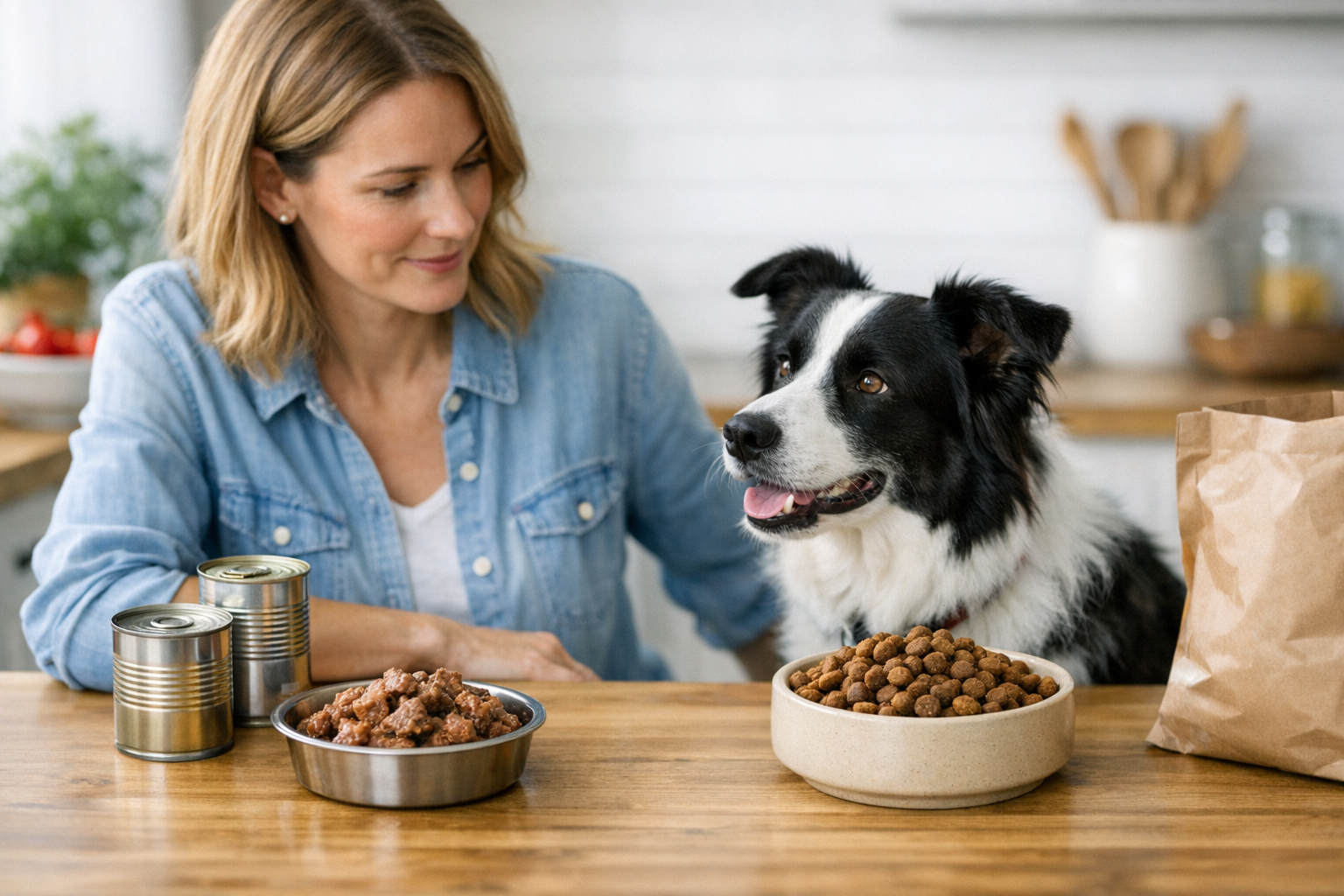
You are standing in the pet food aisle or scrolling through a website, and the options feel endless. One bag of kibble promises dental health, while a nearby can of stew looks like a gourmet meal. Your dog might be a picky eater who turns up their nose at dry biscuits, or perhaps you are managing a senior dog with a few missing teeth. Choosing between these formats is one of the most common hurdles for pet parents. At BaxterBoo, we have helped owners navigate these choices since 2006. This guide will break down the pros and cons of both formats so you can decide what belongs in your dog's bowl. We will cover nutritional density, hydration, and how to handle specific health needs through our dog food category.
Quick Answer: Neither format is strictly better for every dog. Dry food offers convenience and cost savings, while wet food provides essential hydration and higher palatability for picky eaters. Many owners find that a combination of both provides the best balance of nutrition and value.
Understanding Dry Dog Food
Dry dog food, often called kibble, is the most popular choice for households across the United States. It is made through a process called extrusion. Manufacturers mix wet and dry ingredients into a dough, which is then cooked under pressure and pushed through a die to create specific shapes. After the kibble dries, it is often sprayed with fats and vitamins to ensure it is both tasty and nutritionally complete.
One of the biggest draws of dry food is its practicality. It is shelf-stable and easy to store in large quantities. This makes it a great choice for families with large dogs or multiple pets. You can leave it in a bowl for a dog that prefers to graze throughout the day without worrying about immediate spoilage.
The Benefits of Kibble
Dry food is generally more energy-dense than wet food. Because the moisture has been removed, a smaller volume of food contains more calories. This often makes it the more affordable option when you look at the cost per serving.
- Convenience: It is easy to measure, easy to travel with, and creates very little mess.
- Shelf Life: An unopened bag can last for months. Once opened, it stays fresh for several weeks if stored in an airtight container.
- Use in Training: Kibble pieces work perfectly as low-calorie rewards or inside puzzle toys like those from Kong.
- Dental Health: Some dry foods are specifically shaped to help scrape away plaque. However, standard kibble is not a replacement for regular teeth brushing.
Potential Drawbacks of Dry Food
The biggest downside to an all-dry diet is the lack of moisture. Dogs on a strictly dry diet must be very good at drinking water from their bowls. If your dog is a "lazy drinker," they may live in a state of mild dehydration. Additionally, some lower-quality kibbles rely heavily on carbohydrates like corn or wheat to maintain the shape of the biscuit. While dogs can digest these, some owners prefer the higher protein ratios often found in canned options.
Key Takeaway: Dry food is the king of convenience and value. It is best for dogs that drink plenty of water and owners who need a shelf-stable, easy-to-manage feeding routine.
Exploring Canned Dog Food
Canned dog food, or wet food, is often seen as a treat, but it is a perfectly viable primary diet. It starts with grinding protein sources and mixing them with a gravy or gel containing essential minerals and vitamins. The mixture is then sealed in cans or pouches and cooked under high pressure to sterilize the contents.
The primary difference you will notice is the moisture content. While kibble is usually around 10 percent water, canned food can be 75 to 85 percent water. This makes a massive difference for dogs with certain health conditions or those that simply do not drink enough.
Why Dogs Love Wet Food
Most dogs find wet food much more appetizing than dry kibble. The aromas are stronger, and the texture feels more like real meat. This is particularly helpful for dogs that are sick, stressed, or aging. If your dog is staying at a kennel or recovering from surgery, a bit of wet food can jumpstart their appetite.
Health Advantages of Wet Food
The high water content in canned food serves several purposes. It helps flush the urinary tract, which can be vital for dogs prone to stones or infections. It also helps dogs feel full without adding excessive calories. This makes it a useful tool for weight management.
- Hydration: Provides a significant portion of a dog's daily water needs.
- Palatability: Entices even the pickiest eaters with rich scents and flavors.
- Soft Texture: Ideal for senior dogs with dental pain or missing teeth.
- Lower Carbs: Many wet foods contain more protein and fewer fillers than dry alternatives.
Vet Tip: If your dog has a history of urinary crystals or kidney issues, increasing their water intake is a top priority. Canned food is an easy way to do this. For dogs with chronic health conditions, we offer prescription diets through our pharmacy for dogs, which requires a valid vet prescription.
Comparing Nutrition and Cost
When comparing these two, it is important to look past the price tag on the shelf. Because wet food is mostly water, you have to feed a much larger volume to meet your dog's caloric needs. A large dog might require several cans a day, which can become expensive and create a lot of recycling waste.
Dry food provides more "bang for your buck" in terms of calories. However, you should always check the ingredient label. Look for a named animal protein, like chicken or lamb, as the first ingredient. Brands like our selection of NutriSource products and our selection of Acana products offer high-quality dry options that prioritize whole ingredients over fillers.
Nutrient Density Table
| Feature | Dry Dog Food (Kibble) | Canned Dog Food (Wet) |
|---|---|---|
| Moisture Content | Low (approx. 10%) | High (75% to 85%) |
| Caloric Density | High | Low |
| Protein Levels | Moderate | Often Higher (on a dry-matter basis) |
| Carbohydrates | Moderate to High | Low |
| Cost per Meal | Generally Lower | Generally Higher |
| Storage | Easy (Pantry) | Requires Refrigeration After Opening |
Special Considerations for Senior Dogs
As dogs age, their nutritional and physical needs change. Many seniors develop periodontal disease, which makes crunching on hard kibble painful. You might notice your older dog dropping pieces of food or hesitating before they eat. In these cases, switching to a wet diet can improve their quality of life overnight.
Senior dogs also tend to lose some of their sense of smell. Since scent is a huge part of how dogs experience food, the duller aroma of kibble might make them lose interest in eating. The pungent smell of a high-quality canned food can help maintain their interest in mealtimes.
If your senior dog is managing cognitive decline or joint stiffness, their diet becomes even more critical. We carry specialized supplements and foods like Senilife or Cosequin to support their aging bodies. When these needs become medical, our dog healthcare category can help support the care your vet recommends.
The Best of Both Worlds: Mixing and Topping
You do not have to choose just one. Many pet owners practice "mixed feeding." This involves using dry kibble as the base of the meal and adding a few spoonfuls of wet food as a topper. This strategy provides the dental and cost benefits of kibble with the hydration and flavor of canned food.
How to Successfully Mix Foods
Step 1: Calculate the total calories. / Do not just add wet food on top of a full serving of dry food, or your dog will likely gain weight. Step 2: Reduce the kibble portion. / Replace about 25 percent of the dry food with an equivalent caloric amount of wet food. Step 3: Mix thoroughly. / If you have a clever dog, they might just lick the wet food off the top. Stir it in so they get the benefits of both. Step 4: Clean the bowl. / Unlike a bowl of plain kibble, a mixed bowl cannot sit out all day. Wash the bowl after every meal to prevent bacteria growth.
Bottom line: Mixing wet and dry food is an excellent way to improve your dog's hydration and enjoyment without breaking your budget.
Managing Health with Specific Diets
Sometimes, the choice between wet and dry is made for you by a medical diagnosis. Dogs with diabetes, for example, often do better on diets with very specific carbohydrate and fiber levels. Dogs with heart or kidney issues may need strictly controlled sodium or phosphorus levels.
In these instances, your veterinarian might recommend a prescription diet. Brands like our selection of Royal Canin products and Farmina Vet Life create formulas tailored to these exact needs. Our pharmacy for dogs can help you get those medical necessities delivered to your door.
Flea, Tick, and Heartworm Prevention
Diet is just one part of the wellness puzzle. Regardless of whether you feed canned or dry, your dog needs protection from parasites. Managing these recurring needs through our Autoship programme ensures you never miss a dose, and it helps make repeat purchases easier to manage.
Storage and Safety Tips
Proper storage is essential for maintaining the nutritional value of your dog's food. For dry food, keep it in the original bag if possible. These bags are designed to keep fats from turning rancid. Place the entire bag inside a plastic or metal bin with a tight seal. Store it in a cool, dry place. Avoid the garage or laundry room, as heat and humidity can spoil the food or encourage mold.
Canned food requires different care. An unopened can is very stable, but once you crack that seal, the clock starts ticking.
- Refrigeration: Cover any unused portion with a silicone lid or plastic wrap and refrigerate immediately.
- Time Limit: Use opened canned food within three to five days.
- Room Temp: Do not leave wet food in your dog's bowl for more than four hours. If they haven't eaten it by then, throw it away.
- Warming Up: If your dog dislikes cold food, you can stir in a little warm water to bring it to room temperature and enhance the smell.
Which Should You Choose?
The decision ultimately depends on your individual dog. A healthy, active dog with no dental issues will likely thrive on a high-quality dry food. It is easier on your wallet and your schedule. However, if you have a small breed prone to dental issues, a senior dog with a fading appetite, or a dog with a history of urinary problems, canned food is a superior choice.
At BaxterBoo, we see pets as family. We carry over 500 brands, including Stella and Chewy's, The Honest Kitchen, and Orijen, to ensure you have access to the best nutrition possible. Whether you are looking for a bulk bag of premium kibble or a case of grain-free stews, our dog food category gives you plenty of options to compare.
Our team is proud of our 4.9-star average on Google reviews because we care about the results your pet sees. From puppies starting their first bag of kibble to seniors needing prescription support through our pharmacy, we are here for every stage of your dog's life.
Key Takeaway: Your dog's needs may change as they age or develop health conditions. Regularly reassessing their diet with your veterinarian ensures they are getting the right balance of hydration and nutrients.
FAQ
Is it true that kibble cleans a dog's teeth?
While the mechanical action of chewing hard kibble can help scrape some plaque from the surface of the teeth, it is not a complete dental solution. Most kibble pieces are small and brittle, meaning they shatter quickly without much scrubbing action. For real dental health, you should use a combination of regular brushing, dental treats like Greenies, and professional cleanings as recommended by your vet. If you want to keep learning about dental warning signs, see our guide to hidden bad teeth in dogs.
Can I feed my dog only canned food?
Yes, you can feed a dog an entirely canned diet as long as the food is labeled as "complete and balanced." This ensures it meets the nutritional standards set by AAFCO for your dog's life stage. While it is more expensive, many dogs live long, healthy lives on wet food alone. Just be sure to monitor their dental health closely, as wet food does not provide any abrasive cleaning for the teeth.
Why is my dog suddenly refusing their dry food?
A sudden change in appetite can be caused by several factors, including dental pain, an upset stomach, or even the food going stale. Check the expiration date on your bag and ensure it smells fresh. If your dog continues to refuse food or shows signs of lethargy, you should consult your veterinarian. For more context, our senior dog food guide covers how age-related changes can affect mealtime.
How do I transition my dog from dry to wet food?
To avoid digestive upset, always transition food slowly over seven to ten days. Start by mixing 25 percent of the new wet food with 75 percent of the old dry food for a few days. Gradually increase the amount of wet food while decreasing the kibble every two days until the transition is complete. This slow process gives your dog's digestive system time to adjust to the higher moisture and fat content. If you are planning a mixed bowl, our wet-and-dry feeding guide walks through the basics.






