
 Save 15% on your 1st Autoship learn more

 Email us
 Live Chat
 FAQs
FAQs





Introduction
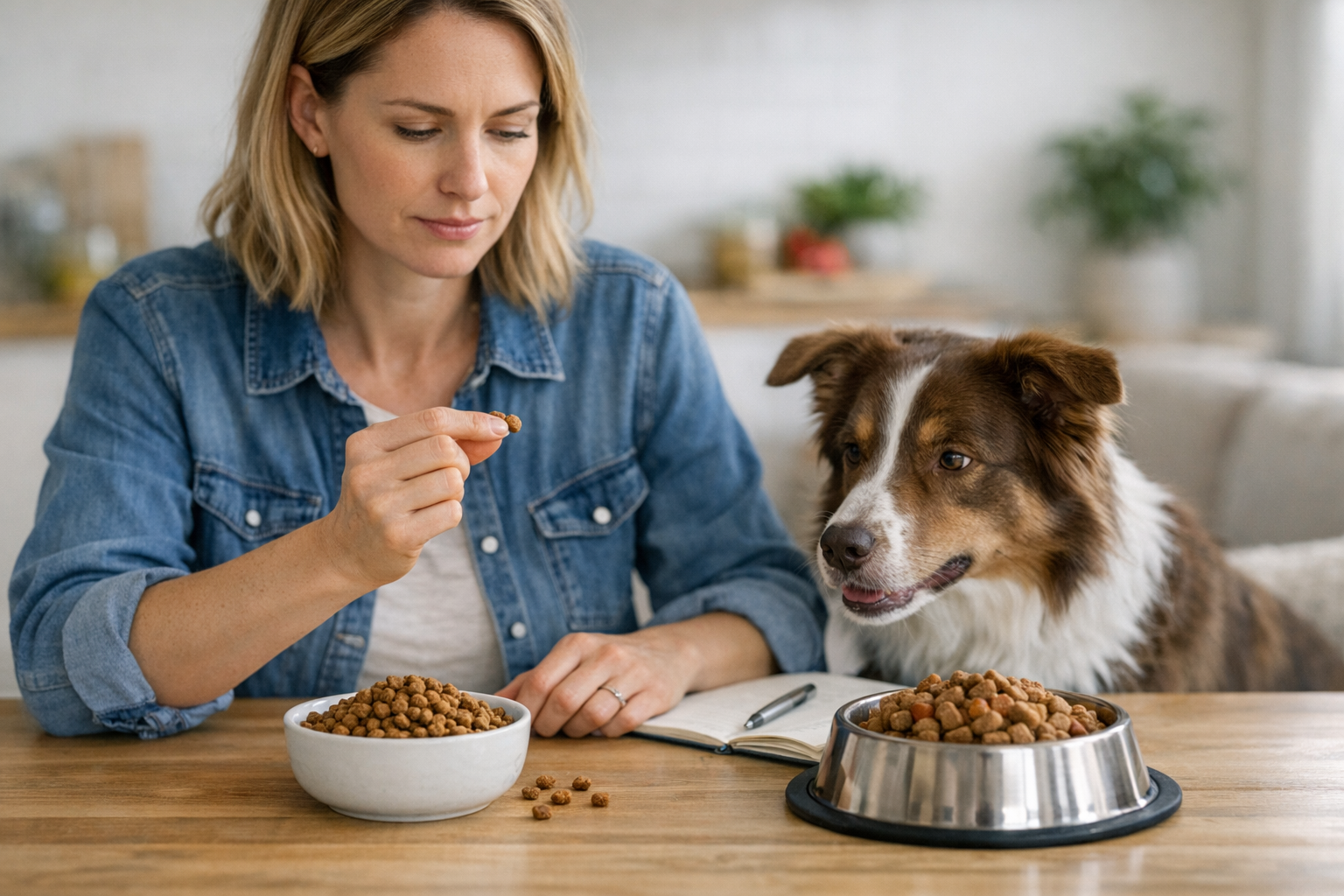
You turn your back for a moment to grab the mail. When you return, the cat’s ceramic dish is licked clean, and your dog is wearing a coat of kibble crumbs. This scene plays out in multi-pet households across the country every day. Most owners wonder if this is just a harmless snack or a reason to call the vet. At BaxterBoo, we know that managing a household with both species requires a bit of detective work regarding their diets. While a single stolen bite usually is not an emergency, feeding cat food to dogs as a regular habit is not ideal. This article covers why these diets differ so much and the health risks associated with mixing them. You will learn how to keep your dog out of the cat bowl for good.
Why Dogs Crave Cat Dry Food
It is no secret that most dogs prefer the cat’s dinner to their own. There is a simple biological reason for this attraction. Cat food is significantly higher in fat and protein than standard dog kibble. Manufacturers design cat food to be highly palatable because cats can be notoriously picky eaters. The result is a calorie-dense nugget with a very strong, meaty aroma.
Dogs are opportunistic scavengers. To a dog, that bowl of cat food smells like a concentrated hit of everything they crave. While our dog food category contains a balance of grains, vegetables, and proteins, cat food is almost entirely animal-based. This rich scent and flavor profile make it nearly impossible for a dog to ignore if the bowl is left on the floor.
Quick Answer: A small amount of cat food is generally not toxic to dogs, but it is not healthy as a regular meal. It contains too much fat and protein for a dog’s digestive system, which can lead to weight gain or serious issues like pancreatitis.
The Biological Divide: Omnivores vs. Carnivores
To understand why cat food is not great for dogs, we have to look at the animals themselves. Dogs and cats have very different nutritional requirements based on their evolutionary history. These differences are reflected in every bag of food we carry.
Dogs as Omnivores
Dogs are classified as omnivores. This means they can derive nutrients from both animal and plant sources. Their bodies are efficient at processing carbohydrates and turning them into energy. A healthy dog diet includes a precise balance of fiber, vitamins, minerals, and proteins.
Cats as Obligate Carnivores
Cats are obligate carnivores. Their bodies require certain nutrients that are only found in animal tissue. They cannot survive on a vegetarian diet. Because of this, cat food is formulated with much higher concentrations of animal proteins and fats. It lacks the fiber and complex carbohydrates that help a dog feel full and keep their digestion moving.
Key Nutritional Differences
If you look at the labels on the brands we stock, such as our Farmina selection, you will see distinct profiles. The Association of American Feed Control Officials (AAFCO) sets different minimums for each species.
- Protein Levels: Adult dog food typically requires a minimum of 18 percent protein. Adult cat food requires a minimum of 26 percent.
- Fat Content: The minimum fat for dogs is 5.5 percent, while cats need at least 9 percent.
- Taurine: Cats cannot manufacture their own taurine. It must be added to their food to prevent heart and eye issues. Most dog foods do not have high levels of added taurine because dogs can usually produce it themselves.
- Vitamin A: Dogs can convert beta-carotene into Vitamin A. Cats cannot. Cat food contains pre-formed Vitamin A at levels that might be too high for a dog over a long period.
Key Takeaway: Cat food is a concentrated fuel source designed for a high-protein hunter. A dog eating this regularly is essentially eating a diet that is too rich for their biological needs.
Immediate Health Risks of Eating Cat Food
When a dog eats a large amount of cat food in one sitting, the most common result is digestive upset. Because cat food is so rich, the dog’s stomach and intestines may struggle to process it. This often leads to a few days of discomfort for the pet and the owner.
Gastrointestinal Distress
The high fat content in cat kibble can cause soft stools or diarrhea. Some dogs may vomit shortly after eating the rich food. This is the body’s way of rejecting something it cannot easily digest. If your dog is prone to a sensitive stomach, even a small handful of cat food can cause significant bloating and gas.
The Danger of Pancreatitis
This is the most serious immediate risk. The pancreas is an organ that helps digest fat. When a dog consumes a sudden, massive dose of fat, the pancreas can become inflamed. This condition is known as pancreatitis. It is extremely painful and can be life-threatening if not treated by a veterinarian.
Symptoms of pancreatitis include:
- Hunched back or signs of abdominal pain.
- Repeated vomiting.
- Loss of appetite.
- Fever or lethargy.
- Dehydration.
Vet Tip: If your dog shows signs of severe abdominal pain or cannot keep water down after eating cat food, contact your vet immediately. Our pet pharmacy provides FDA-approved medications through our partnership with Pet's Choice to help manage recovery, but a professional diagnosis is the first step.
Long-Term Issues with Feeding Cat Food
Some owners use cat food as a topper or a "special treat" for picky dogs. While this seems harmless, long-term exposure to the wrong nutrient balance can lead to chronic health problems. We see this often in pets that have managed to sneak into the cat's stash for months at a time.
Obesity and Weight Gain
Since cat food is much more calorie-dense than dog food, it is very easy to overfeed. A dog eating a bowl of cat kibble is getting significantly more calories than they would from the same volume of dog kibble. Over time, this leads to obesity. Excess weight puts stress on a dog’s joints, heart, and respiratory system.
Kidney and Liver Strain
The high protein levels in cat food are not necessarily dangerous for a healthy young dog. However, for senior dogs or those with underlying issues, high protein can be a problem. The kidneys and liver have to work harder to process and filter the byproducts of protein metabolism. If a dog already has early-stage kidney disease, a high-protein cat diet can accelerate the decline of organ function.
Nutritional Deficiencies
While cat food has "more" of certain things, it may have "less" of others that dogs need. For example, dog food often contains more fiber to support gut health and specific ratios of calcium and phosphorus for bone maintenance. A dog living primarily on cat food may eventually develop deficiencies that lead to a dull coat, skin issues, or weakened bones.
Comparing Nutrients: A Quick Look
| Nutrient | Dog Requirement (Adult) | Cat Requirement (Adult) | Why it Matters |
|---|---|---|---|
| Protein | 18% Minimum | 26% Minimum | High levels can strain dog kidneys over time. |
| Fat | 5.5% Minimum | 9% Minimum | High fat causes pancreatitis in sensitive dogs. |
| Vitamin A | 5,000 IU/kg | 3,332 IU/kg | Cats need pre-formed Vitamin A; dogs convert it. |
| Taurine | Not required | 0.1% Minimum | Essential for cat heart health; usually extra in cat food. |
Bottom line: While cat food is not poisonous, its nutrient density is calibrated for a completely different metabolism.
What to Do If Your Dog Sneaks Cat Food
If you catch your dog in the act, do not panic. Most healthy adult dogs will be fine after a single incident. Your response should depend on how much they ate and their specific health history.
Step 1: Determine the amount. Check the cat’s bowl. If they only ate a few nuggets, you likely have nothing to worry about. If they broke into a brand-new bag and ate several pounds, the risk is higher.
Step 2: Monitor for 24 hours. Watch for vomiting, diarrhea, or signs of lethargy. If your dog seems fine and is acting like their usual self, you can simply wait it out.
Step 3: Adjust the next meal. If your dog ate a significant amount of cat food, consider skipping their next scheduled meal. This gives their digestive system time to process the extra fat and calories they just consumed.
Step 4: Watch for pain. Keep an eye out for a "tucked up" belly or a dog that is restless and cannot get comfortable. These are signs of abdominal pain.
Key Takeaway: One-time accidents are usually managed with monitoring and a temporary fast. Recurring incidents require a change in your home setup.
When Cat Food Might Be Recommended
In very rare cases, a veterinarian might actually suggest using cat food for a dog. This usually happens when a dog is suffering from extreme weight loss or is recovering from a wasting disease like cancer. Because cat food is so high in calories and very tasty, it can help jump-start an appetite in a dog that refuses to eat anything else.
However, this should only ever be done under the direct supervision of a professional. Once the dog's weight stabilizes or their appetite returns, they should be transitioned back to a high-quality dog food. We carry many premium dog foods from brands like our Stella & Chewy's products or our The Honest Kitchen selection that are designed to be highly palatable for picky eaters without the risks of cat food.
Prevention Strategies for Multi-Pet Homes
The best way to stop the "cat food habit" is to make the cat’s bowl inaccessible to the dog. Since cats are naturally agile, you have several options for physical barriers.
Elevated Feeding
The easiest solution is to move the cat’s bowl to a higher surface. A kitchen counter, a sturdy shelf, or the top of a tall cat tree works perfectly. Most dogs cannot reach these heights. This allows your cat to eat in peace without the dog hovering nearby.
Microchip Feeders
If you have a dog that is a "counter surfer" or a cat that is a slow eater, a microchip feeder is an excellent investment. These bowls only open when they detect the specific microchip or RFID tag of your cat. When the cat walks away, the lid closes, locking the dog out. This is also a great way to manage prescription diets if your cat needs specialized food.
Physical Barriers and Gates
You can use a baby gate with a small "cat door" built into the bottom. This allows the cat to pass into a separate room for feeding while the dog is blocked. Door props are another inexpensive option. They hold the door open just wide enough for a cat to squeeze through but too narrow for a medium or large dog.
Scheduled Feedings
Free-feeding (leaving food out all day) is the most common way dogs get into cat food. Switching to scheduled meal times ensures that food is only available when you are there to supervise. Once the cat finishes eating, pick up the bowl.
- Step 1: Establish a 20-minute window for your cat to eat.
- Step 2: Place the cat in a separate room or on an elevated surface.
- Step 3: Remove the bowl as soon as the cat walks away.
- Step 4: Store the cat food bag in a sealed, dog-proof container.
Bottom line: A little bit of home reorganization can prevent expensive vet visits for digestive issues or pancreatitis.
Managing Existing Health Conditions
If your dog has already developed a taste for cat food and is struggling with their health, BaxterBoo is here to help. For dogs that have gained too much weight, we carry specialized weight management formulas like our dog healthcare category. These diets are specifically designed to help dogs lose weight safely while still feeling full.
If your dog is managing a chronic condition like kidney disease or recurring pancreatitis, our pharmacy can be a vital resource. Through our partnership with Pet's Choice, we offer a range of FDA-approved prescription diets and medications. These products require a prescription from your veterinarian but can be conveniently shipped to your door or picked up at our Vernon Hills warehouse.
Vet Tip: Always consult your veterinarian before switching your dog to a prescription diet or a weight management plan. They can help you determine the correct calorie count and ensure the food addresses your pet's specific medical needs.
Why Quality Dog Food Matters
A dog that is constantly trying to eat cat food might be trying to tell you something about their own diet. If their current food is bland or low in protein, they might be searching for more flavor. Switching to a high-quality, meat-first dog food can often curb the desire to steal the cat's kibble.
Look for dog foods that list a specific animal protein as the first ingredient. Brands like Acana, Orijen, and NutriSource focus on high-quality ingredients that appeal to a dog's natural instincts. When a dog is satisfied with their own nutritious meal, they are less likely to go looking for trouble in the cat's bowl.
Conclusion
While an occasional stolen nibble of cat dry food is unlikely to harm your dog, it is certainly not a healthy habit. The high fat and protein levels can lead to serious conditions like pancreatitis or chronic obesity. At BaxterBoo, we believe that the right nutrition is the foundation of a long, happy life for your pets. By understanding the biological differences between your dog and cat, you can create a safer home environment for both. If your dog has a persistent habit of raiding the cat bowl, consider one of our high-quality dog foods or consult our pharmacy for prescription options if health issues have already begun.
- Keep cat food on high surfaces or behind pet gates.
- Monitor your dog for signs of stomach pain after an incident.
- Ensure your dog’s own food is high-quality and satisfying.
Our Autoship programme offers a wide selection of prescription foods and health supports to help your dog get back on track.
FAQ
Can a dog die from eating cat food? While it is very rare, a dog can die if they develop a severe, untreated case of pancreatitis after eating high-fat cat food. Most dogs will only experience a mild upset stomach, but the risk increases if the dog has underlying health issues or eats a very large amount. If your dog is lethargic or vomiting repeatedly, see a vet immediately.
Why is my dog obsessed with cat food? Dogs are attracted to cat food because it contains much higher levels of fat and animal protein than their own food. The smell is more intense, and the taste is richer, making it seem like a high-value treat. It is basically the "junk food" equivalent for dogs due to the concentrated calories.
Is it okay to use cat food as a dog treat? Using a single piece of cat kibble as a rare training treat is generally fine for most healthy dogs. However, you should avoid making this a regular habit, especially for small breeds or dogs prone to weight gain. It is always better to use treats formulated specifically for dogs, as they are lower in fat and more nutritionally balanced.
Can I feed my dog cat food if I run out of dog food? If it is a one-time emergency and your dog has no history of pancreatitis or sensitive stomach, a single meal of cat food is unlikely to cause a major problem. You should only give a small portion, as cat food is very calorie-dense. Transition back to your dog's regular food as soon as possible to avoid digestive distress.






