
 Save 15% on your 1st Autoship learn more

 Email us
 Live Chat
 FAQs
FAQs





Introduction
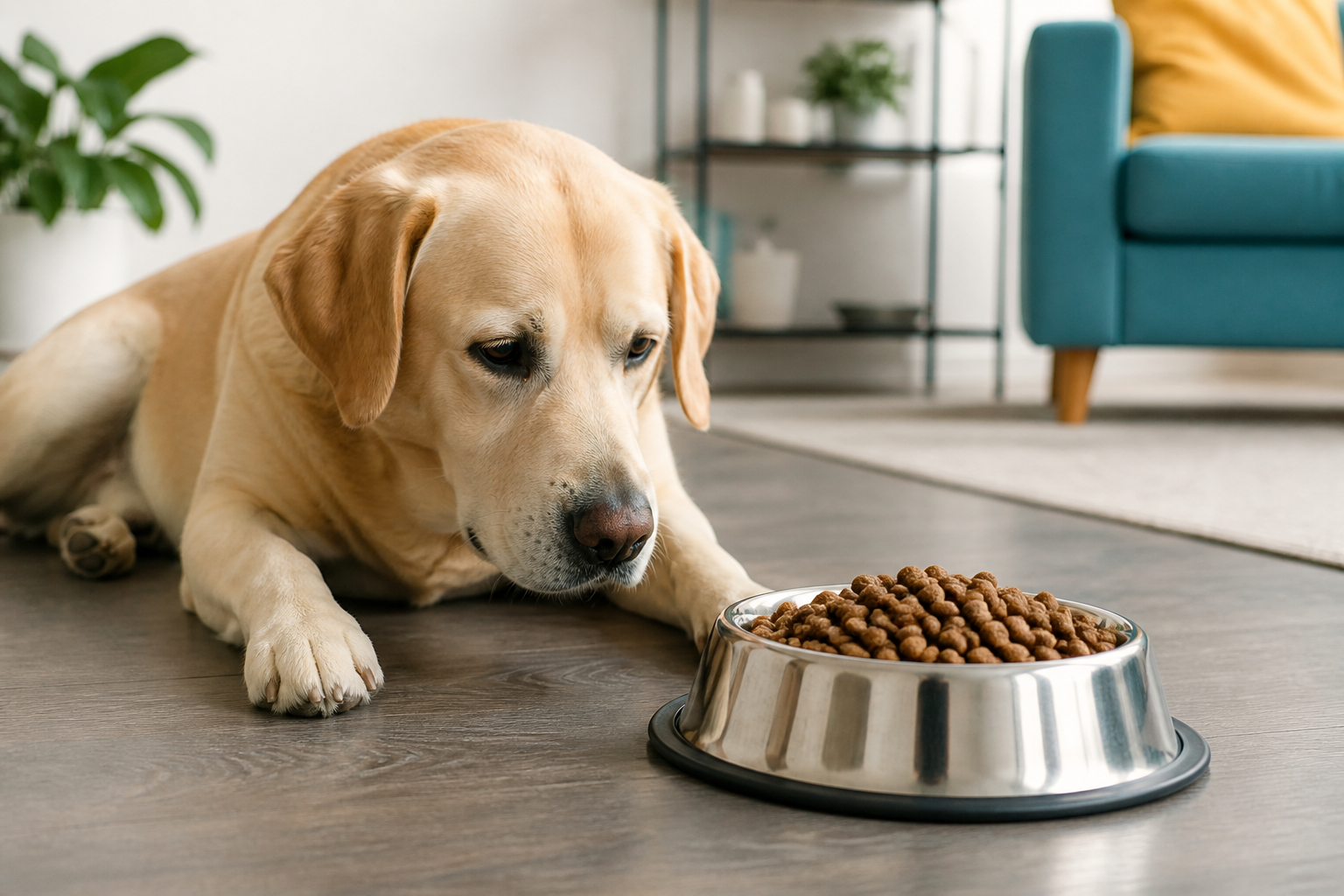
You walk into the kitchen and find your dog with their head buried deep in the cat's bowl. They are happily crunching away on those tiny kibbles as if they found a hidden treasure. Most dog owners in multi-pet homes have seen this happen at least once. At BaxterBoo, we hear from many customers who wonder if this "snack" is actually harmful or if they can use cat food as a backup when the dog food bag runs dry. While a few stolen bites likely will not cause an immediate crisis, cat food is not a healthy or balanced option for your dog. This article explores the nutritional differences between these species and why sticking to dog-specific formulas is vital for long-term health. Feeding your dog a diet meant for a cat can lead to serious health complications over time.
Why Dogs Crave Dry Cat Food
It is no secret that most dogs prefer the taste of cat food over their own kibble. The reason for this attraction is simple: fat and protein. Cats are obligate carnivores, meaning their bodies require nutrients found only in animal tissue. Because of this, cat food is formulated with much higher levels of animal proteins and fats to meet their biological needs. These ingredients create a very strong, meaty aroma that is incredibly enticing to a dog.
Dogs are opportunistic omnivores. Their sense of smell is their primary way of navigating the world. When they catch the scent of a high-fat, high-protein kibble, their instincts tell them they have found a calorie-dense food source. To a dog, cat kibble tastes like a concentrated treat. This is why many owners find it difficult to keep their dogs away from the feline feeding station.
Quick Answer: Dry cat food is not good for dogs as a regular diet. While it is not toxic, the high protein and fat levels can cause weight gain, digestive upset, and serious conditions like pancreatitis.
Biological Differences: Omnivores vs. Carnivores
To understand why dry cat food is not suitable for dogs, we have to look at how these animals process food. Dogs have evolved alongside humans for thousands of years. Their digestive systems have adapted to process a variety of ingredients, including proteins, fats, and carbohydrates from plant sources. They can even produce some of their own nutrients that cats cannot.
Cats have a much shorter digestive tract designed specifically for processing meat. They lack the enzymes needed to efficiently break down large amounts of plant matter. Because their bodies are so specialized, their food must contain specific amino acids and vitamins in higher concentrations. When a dog eats this highly concentrated formula, it can overwhelm their system.
Key Nutritional Differences
The Association of American Feed Control Officials (AAFCO) sets different standards for dog and cat nutrition. These standards ensure that each animal gets exactly what they need to thrive.
| Nutrient | Dog Food Minimum (Adult) | Cat Food Minimum (Adult) |
|---|---|---|
| Crude Protein | 18% | 26% |
| Crude Fat | 5.5% | 9% |
| Taurine | Not Required | 0.1% (Dry) |
| Vitamin A | 5,000 IU/kg | 3,332 IU/kg |
| Arachidonic Acid | Not Required | 0.02% |
These numbers show that cat food is much "richer" than dog food. For a dog, eating cat food is like a human eating nothing but rich cheesecake for every meal. It might taste good, but the nutritional balance is completely wrong for their biology.
The Risks of Feeding Cat Food to Dogs
Feeding dry cat food to your dog on a regular basis is not just a matter of poor nutrition. It can lead to physical illness. Some of these issues appear quickly, while others develop over months of scavenging.
Gastrointestinal Upset
The most immediate effect of a dog eating cat food is usually an upset stomach. Because cat food is so high in fat, it can be very heavy on a dog's digestive system. You might notice your dog experiencing diarrhea, gas, or vomiting shortly after they raid the cat's bowl. This is especially common in dogs with sensitive stomachs or those who are used to a very consistent diet.
Weight Gain and Obesity
Since cat food is calorie-dense, even small amounts can significantly increase a dog's daily caloric intake. If your dog is consistently eating cat kibble, they are likely to put on weight quickly. Canine obesity leads to a host of other problems, including joint pain, heart disease, and a shortened lifespan. Managing a dog's weight is much harder than preventing the gain in the first place.
Pancreatitis
This is perhaps the most serious short-term risk. Pancreatitis is the inflammation of the pancreas, often triggered by a high-fat meal. The pancreas helps digest food and regulate blood sugar. When it becomes inflamed, it can cause severe pain, dehydration, and even organ failure. Symptoms include hunched back, repeated vomiting, fever, and a painful abdomen.
Vet Tip: If your dog shows signs of severe abdominal pain or persistent vomiting after eating cat food, contact your veterinarian immediately. Pancreatitis is a medical emergency that often requires hospitalization and IV fluids.
Long-Term Nutritional Imbalances
If a dog were to eat only cat food for a long period, they would eventually suffer from nutritional deficiencies and toxicities. For example, cat food often contains higher levels of Vitamin D and Vitamin A than what is safe for a dog's long-term consumption. While cats need these levels, they can become toxic to dogs over time.
Additionally, dogs require a specific balance of fiber and carbohydrates to maintain healthy bowel movements and steady energy levels. Cat food is notoriously low in fiber because cats do not need much of it. This can lead to chronic constipation or other bowel issues in dogs.
Impact on Kidney and Liver Health
High levels of protein put extra strain on the kidneys and liver. For a healthy young dog, a little extra protein might not be a problem. However, for senior dogs or those with underlying health issues, the protein levels in cat food can be dangerous. The kidneys must work much harder to filter out the waste products of protein metabolism. If your dog already has decreased kidney function, cat food could accelerate the progression of kidney disease.
Key Takeaway: Cat food is formulated for the unique metabolic needs of felines. Using it as a dog food substitute can lead to nutrient toxicities and organ strain.
What to Do If Your Dog Sneaks Cat Food
If you catch your dog eating a small amount of cat food, do not panic. For most healthy dogs, a single incident will result in nothing more than a bit of gas or a soft stool.
Step 1: Remove the food immediately. Take the bowl away and secure it in a place where the dog cannot reach it.
Step 2: Monitor your dog. Watch for signs of distress over the next 24 hours. Look for vomiting, lethargy, or signs of abdominal pain.
Step 3: Adjust their next meal. If your dog ate a significant amount of cat food, you might want to reduce their next scheduled meal to prevent overfeeding and further stomach upset.
Step 4: Provide plenty of water. High-protein and high-fat foods can make dogs thirsty. Ensure they have access to fresh water to help their system process the extra nutrients.
Managing a Multi-Pet Household
Keeping the dog out of the cat's food is a common challenge for many of our customers. It requires a combination of training and environmental management. Since cats are naturally more agile, you can use their climbing abilities to your advantage.
Elevated Feeding Stations
One of the simplest ways to protect the cat's food is to move it off the floor. Cats are comfortable eating on counters, sturdy shelves, or the top of a cat tree. Most dogs, especially larger breeds, will not be able to reach these spots. This allows your cat to "free feed" if that is their habit without the dog interfering.
Selective Feeders
Technology has made multi-pet feeding much easier. There are now bowls available that only open when they sense a specific microchip or an RFID tag on a pet's collar. You can program the bowl to open only for your cat. When the dog approaches, the lid stays shut. This is an excellent investment for households where the dog is highly food-motivated and persistent.
Physical Barriers
Simple solutions like baby gates or cat doors can also work. Some baby gates come with a small "cat door" built into the bottom. This allows the cat to pass through to a laundry room or spare bedroom where their food is kept, while the dog remains on the other side.
When Your Dog Refuses Dog Food
Sometimes, a dog will stop eating their own food because they have held out for the "better" tasting cat food. This is common in clever dogs who have learned that if they ignore their bowl, their owner might offer them something more exciting.
We carry a wide variety of premium dog foods that are designed to be highly palatable. Brands like Stella and Chewy's or The Honest Kitchen offer mixers and toppers that can make a standard kibble much more appealing. Adding a little warm water or a spoonful of high-quality wet food can often entice a picky dog back to their own diet.
Bottom line: It is better to enhance your dog's own food with safe toppers than to let them fill up on cat kibble.
The Role of Prescription Diets
In some cases, a dog might actually need a diet that is higher in protein or fat due to a specific medical condition. However, this should only be done under the guidance of a veterinarian using a prescription diet. These formulas are still balanced for canine biology, unlike cat food.
Our pet pharmacy offers a wide range of prescription pet foods through our partnership with Pet's Choice. If your vet has diagnosed your dog with a condition that requires a specialized diet, such as weight management or kidney support, you can fulfill that prescription through us. We carry brands like Farmina Vet Life and Royal Canin that offer therapeutic diets tailored to specific health needs. These foods provide the targeted nutrition your dog requires without the risks associated with feeding them cat food.
Dealing with Chronic Health Issues
If your dog has a history of pancreatitis, diabetes, or kidney disease, even a small amount of cat food is a serious concern. These dogs have very little margin for error when it comes to their diet. A single raid on the cat's bowl could trigger a flare-up of their condition.
For owners of pets with chronic illnesses, we recommend keeping a close relationship with your vet. Our pharmacy can also assist with FDA-approved medications for managing these conditions. Whether your dog needs ongoing support for their digestive system or medication for a metabolic disorder, we provide the convenience of home delivery for these essential items.
Feeding Cat Treats to Dogs
You might wonder if cat treats are a safe alternative since they are given in smaller quantities. While a single cat treat is unlikely to hurt a dog, they are still not ideal. Cat treats are often even more concentrated in flavor and fat than cat kibble. Giving your dog cat treats regularly can lead to the same picky eating habits and weight gain mentioned earlier.
It is always better to choose treats designed for dogs. We stock a massive selection of healthy dog treats including single-ingredient freeze-dried options from brands like Vital Essentials and NutriSource. These provide the high-protein "reward" your dog wants while staying within the nutritional guidelines for their species.
Quick Tips for Treat Success
- Keep treats to less than 10% of your dog's daily calories.
- Use small, low-calorie treats for training sessions.
- Look for treats that offer functional benefits, like dental cleaning or joint support.
- Avoid giving cat treats to dogs with a history of pancreatitis.
Emergency Situations
If you find yourself completely out of dog food and the stores are closed, a single meal of dry cat food is generally acceptable for a healthy adult dog. It is better than letting them go hungry, but it should be a one-time solution. As soon as possible, return to their regular dog food.
To avoid these emergencies, many of our customers use our Autoship program. This ensures that a new bag of food arrives at your door before the old one runs out. It also provides extra savings and a free MVP Gold membership. Planning ahead with Autoship is the best way to ensure your dog never has to settle for the cat's dinner.
FAQ
Is it okay if my dog eats cat food just once?
For most healthy dogs, eating a small amount of cat food one time is not a cause for alarm. They might experience some minor gas or a slight change in their stool quality. However, you should still monitor them for any signs of vomiting or lethargy, especially if they have a sensitive stomach or a history of health issues.
Can a dog get pancreatitis from eating cat food?
Yes, cat food is significantly higher in fat than dog food, and a sudden high-fat meal is a known trigger for pancreatitis. This is an inflammation of the pancreas that causes severe pain and vomiting. If your dog is prone to digestive issues or is a breed predisposed to pancreatitis, you must be extra vigilant about keeping them away from cat food.
Why does my dog like cat food more than their own food?
Cat food is formulated for obligate carnivores, so it contains much higher levels of animal protein and fat. These ingredients have a very strong, meaty smell and taste that most dogs find irresistible. To a dog, cat food tastes like a concentrated, delicious treat compared to their more balanced, fiber-rich dog kibble.
What should I do if my dog refuses to eat anything but cat food?
This often happens when a dog becomes a "picky eater" after being allowed to sample cat food. To fix this, you should strictly separate their feeding areas and stop giving any cat food or treats. You can make their dog food more enticing by adding a high-quality dog food topper or a little warm water, but do not give in to their demands for the cat's food, as this reinforces the behavior.
If you need more strategies for a selective eater, read our guide to choosing dry dog food for picky eaters.






