
 Save 15% on your 1st Autoship learn more

 Email us
 Live Chat
 FAQs
FAQs





Introduction
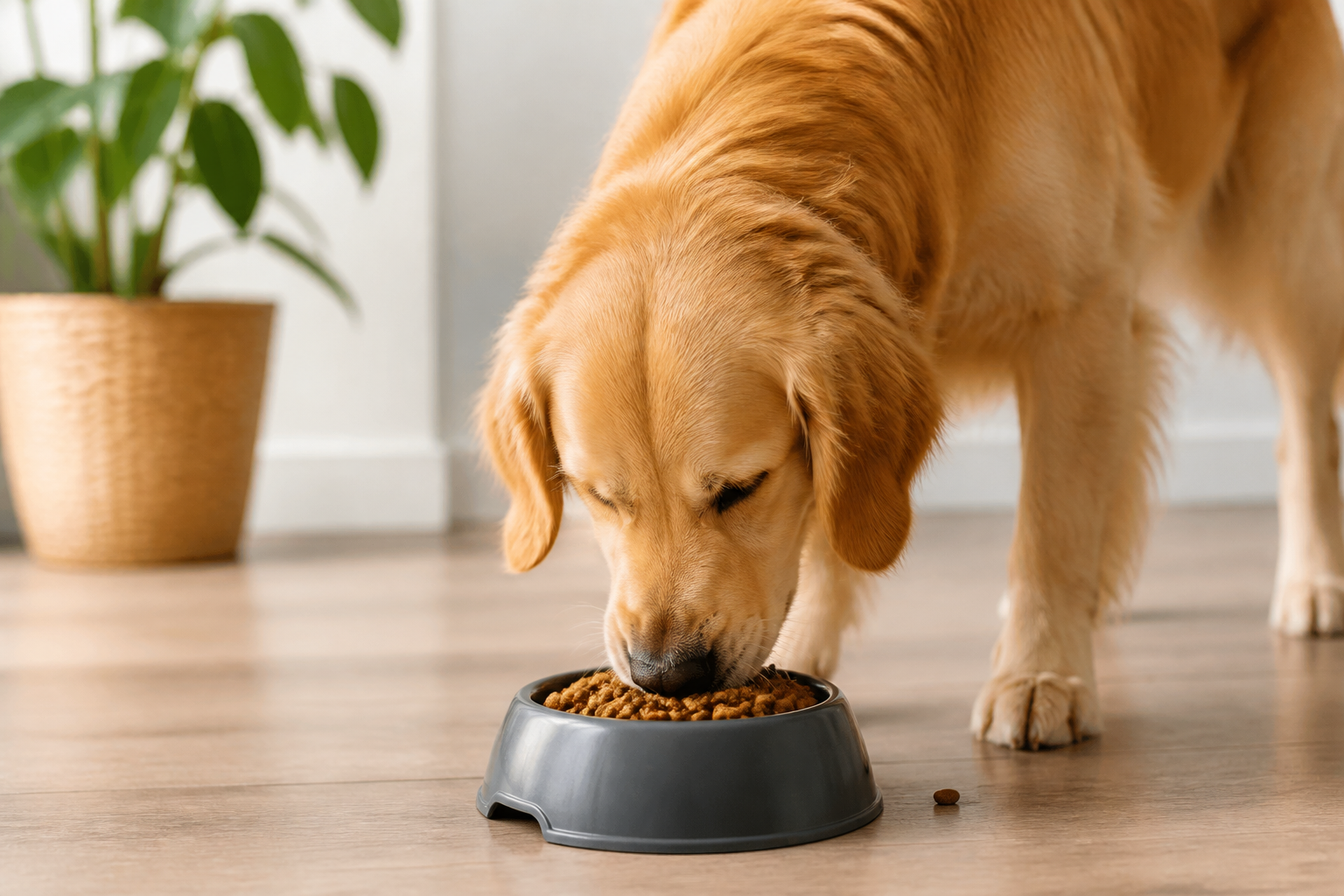
You walk into the kitchen and find your dog with their head buried deep inside the cat's bowl, happily crunching away on salmon-flavored kibble. It is a common sight in multi-pet households because dogs often find the high-protein scent of cat food impossible to resist. At BaxterBoo, we hear from pet owners every day who worry that these sneaky snacks might lead to a trip to the vet. While a few stolen bites of dry cat food usually will not cause an immediate emergency, it is not a safe or balanced dietary choice for your dog. This article explores the nutritional differences between the two species, the health risks of long-term feeding, and how to keep your dog's nose out of the cat's dish. Understanding these biological needs is the first step toward keeping both your pets healthy and satisfied.
Quick Answer: An occasional small amount of dry cat food is generally not toxic to dogs, but it should never be a primary meal. Cat food is too high in protein and fat for dogs, which can lead to obesity, digestive upset, or serious conditions like pancreatitis over time.
Why Dogs Crave Cat Food
Most dogs view the cat's bowl as a gourmet buffet. The reason is simple: cat food is designed for obligate carnivores. This means it is packed with high levels of animal protein and fat to satisfy a cat's biological requirements. These ingredients create a very strong, meaty aroma that appeals to a dog's powerful sense of smell.
Dogs are opportunistic scavengers and omnivores. They are naturally programmed to seek out calorie-dense food sources. Because dry cat food is much more concentrated in calories and fats than standard dog kibble, your dog sees it as a high-value prize. Even if your dog is well-fed, that bag of cat kibble in the pantry might seem like a giant bag of treats. If you are comparing feline formulas, browse our cat food selection for species-appropriate options.
Biological Differences Between Dogs and Cats
To understand why cat food is not ideal for dogs, we have to look at how these two species process nutrients. Cats and dogs have evolved very different metabolic pathways. Their nutritional needs reflect their historical diets in the wild.
Obligate Carnivores vs. Omnivores
Cats are obligate carnivores, which means their bodies require nutrients found only in animal tissue. They have a limited ability to digest plant matter and rely heavily on protein for energy. Because of this, cat food is formulated with much higher minimum protein and fat levels.
Dogs are classified as omnivores. While they love meat, their bodies are capable of digesting and thriving on a mix of animal protein, grains, and vegetables. Their digestive systems are longer than a cat's, allowing them more time to break down complex carbohydrates and plant fibers.
Specific Nutrient Requirements
The Association of American Feed Control Officials (AAFCO) sets different standards for each species. There are several key nutrients that make cat food distinct from dog food:
- Taurine: Cats cannot synthesize enough taurine on their own and must get it from their diet. While most dogs can produce taurine, cats require it for heart and eye health.
- Arachidonic Acid: This is an essential fatty acid that cats must consume. Dogs can typically produce it internally.
- Vitamin A: Cats cannot convert beta-carotene from plants into Vitamin A. They must eat preformed Vitamin A found in animal tissues. Dog food often uses plant-based sources for this vitamin.
- Protein Levels: The minimum protein requirement for adult cat food is significantly higher than the minimum for adult dog food.
Key Takeaway: Because cat food is formulated for a predator that relies almost entirely on meat, the nutrient balance is too intense for the average dog's digestive system to handle as a daily diet.
Short-Term Effects of Eating Cat Food
If your dog manages to finish off a bowl of cat kibble, you might notice some immediate changes. For many dogs, the most common result is a simple upset stomach. The high fat content is often the primary culprit.
Digestive Upset
A dog's stomach is used to a specific balance of fiber and protein. When they suddenly ingest a concentrated dose of fat and rich protein, it can lead to:
- Loose stools or diarrhea.
- Occasional vomiting.
- Flatulence and abdominal bloating.
- General lethargy as their body works to process the heavy meal.
These symptoms usually resolve within 24 hours. If your dog is a small breed or has a sensitive stomach, even a small amount of cat kibble can cause significant discomfort.
The Problem with Small Breeds
Small dogs are at a higher risk for immediate issues. Their smaller organs and faster metabolisms mean that a high-fat "bomb" of cat food can put more strain on their system than it would for a large breed dog. A Chihuahua eating a bowl of cat food is the equivalent of a human eating several sticks of butter in one sitting.
Vet Tip: if your dog eats a large amount of cat food and starts vomiting persistently or acting extremely lethargic, contact your veterinarian. High-fat meals can trigger acute digestive issues that require professional care.
Long-Term Health Risks for Dogs
While the occasional snack might just cause a bellyache, feeding dry cat food to a dog regularly can lead to serious health complications. These issues often develop slowly over months or years. For additional supplies that support everyday canine wellness, explore our dog healthcare category.
Pancreatitis
This is perhaps the most dangerous risk. The pancreas is an organ that helps digest food and regulate blood sugar. When a dog eats a diet that is too high in fat, the pancreas can become inflamed. This is known as pancreatitis.
Symptoms of pancreatitis include severe abdominal pain, a "hunched back" posture, repeated vomiting, and fever. This condition can be life-threatening and often requires hospitalization. Some dogs are genetically prone to this, and even one high-fat cat food meal can trigger an episode.
Weight Gain and Obesity
Because cat food is so calorie-dense, dogs that eat it regularly almost always gain weight. Obesity in dogs leads to a host of other problems, including:
- Increased pressure on joints and ligaments.
- Higher risk of diabetes.
- Reduced respiratory function.
- Decreased lifespan.
Kidney and Liver Strain
The high protein levels in cat food are not just "extra energy" for a dog. Their kidneys must work harder to filter out the waste products produced by protein metabolism. Over time, this extra workload can put unnecessary strain on the kidneys and liver. For senior dogs or those with underlying organ issues, this can accelerate the progression of disease.
Bottom line: Regular consumption of cat food forces a dog's organs to work overtime, leading to preventable chronic health conditions.
What to Do if You Run Out of Dog Food
We have all been there. It is late at night, the pet store is closed, and you realize the dog food bag is empty. You might look at the cat's bag and wonder if it is okay for just one night.
In a pinch, a single meal of cat food is unlikely to hurt a healthy adult dog. However, there are better alternatives you probably have in your kitchen right now. Before reaching for the cat food, consider these options:
- Plain Cooked Chicken: Boiled chicken breast with no skin or bones is gentle on the stomach.
- White Rice: This is easy to digest and provides necessary carbohydrates.
- Canned Pumpkin: Make sure it is plain pumpkin, not pie filling. It is great for digestion.
- Scrambled Eggs: Cook them plain without butter or salt.
If you must use cat food for one meal, try mixing it with some rice or plain bread to dilute the fat and protein concentration. This makes it easier for your dog to process.
To avoid this situation in the future, we recommend our Autoship program. It ensures your dog's preferred food arrives at your door on a regular schedule so you never have to worry about the bottom of the bag.
Managing a Multi-Pet Household
The best way to handle this issue is to prevent it entirely. If you have both cats and dogs, you need a strategy to keep their meals separate.
Elevated Feeding Stations
Cats are natural climbers. One of the simplest solutions is to feed your cat on a surface your dog cannot reach. A sturdy counter, a dedicated cat tree, or a high shelf can serve as a safe dining spot. This allows the cat to graze throughout the day without the dog interfering.
Separate Rooms
If you have a dog that is a high-level jumper, you may need to use physical barriers. Feeding your cat in a room with a baby gate can work well. You can find gates with small "cat doors" built into them that allow the cat to pass through while keeping the dog out.
Microchip-Activated Feeders
Technology has made multi-pet feeding much easier. There are specialized bowls available that only open when they sense a specific pet's microchip or collar tag. If the dog approaches the cat's bowl, the lid stays shut. This is an excellent investment for households where one pet is on a prescription diet.
Scheduled Feeding
Instead of "free-feeding" your cat by leaving a bowl out all day, try scheduled mealtimes. Put the cat's food down for 20 minutes and then pick up whatever is left. This removes the temptation for the dog and helps you monitor exactly how much your cat is eating.
When a Dog Needs a Special Diet
Sometimes, a dog's interest in cat food is a sign that they are not satisfied with their own diet. They might be looking for more protein or a different flavor profile. If your dog is constantly scavenging, it might be time to review their current food.
We carry over 500 trusted brands, including premium options like Farmina, Royal Canin, and The Honest Kitchen. These brands offer high-protein, meat-first formulas that might satisfy your dog's cravings without the dangerous fat levels found in cat food. Start by exploring our dog food category.
If your dog has already developed health issues from eating the wrong food, your veterinarian might recommend a prescription diet. Our pharmacy carries FDA-approved prescription pet foods through our partnership with Pet's Choice. These diets are specifically formulated to support dogs with kidney issues, weight management needs, or sensitive pancreases.
Step-by-Step: Transitioning Back to Dog Food
If your dog has become a "cat food addict," you need to transition them back to their own food carefully.
- Stop the access: Use the physical barriers mentioned above immediately.
- Evaluate the dog food: Ensure you are feeding a high-quality, palatable dog kibble.
- Use toppers: If your dog finds their food boring compared to the cat's, add a healthy topper. A spoonful of plain Greek yogurt or a little bit of warm water can enhance the aroma.
- Monitor behavior: Watch for signs of begging or scavenging and redirect with a dog-safe treat or a toy.
If your dog refuses their regular kibble, our guide to getting dogs to eat dry dog food offers another helpful next step.
Cat Treats vs. Dog Treats
It is tempting to toss your dog a cat treat now and then. After all, they are usually small. While an occasional cat treat is not toxic, the same rules apply. Cat treats are often very high in protein and liver content.
If you want to reward your dog, it is much better to use treats designed for them. Dog treats are formulated with the correct balance of vitamins and minerals. At BaxterBoo, we offer a wide range of healthy dog treats from brands like Stella and Chewy's and Zesty Paws that provide the meaty flavor dogs love without the nutritional imbalance. Browse our dog treats collection for species-appropriate rewards.
Summary of Feeding Differences
| Feature | Dog Food (Omnivore) | Cat Food (Carnivore) |
|---|---|---|
| Protein Level | Moderate (18-25% average) | High (26-45% average) |
| Fat Content | Moderate | Very High |
| Taurine | Usually synthesized by the dog | Required additive |
| Vitamin A | Often plant-derived (Beta-Carotene) | Animal-derived (Preformed) |
| Primary Risk | Nutritional deficiency if only eating cat food | Pancreatitis, Obesity, Kidney strain |
Conclusion
Sharing your life with both dogs and cats is a joy, but it does require some management in the kitchen. While a single instance of your dog eating dry cat food is rarely a cause for panic, it should never become a habit. The high protein and fat levels that keep your cat healthy are simply too much for a dog's system to handle. By setting up separate feeding areas and choosing high-quality, species-appropriate food, you can prevent long-term health issues like pancreatitis and obesity. If you are struggling to find a food your dog loves as much as the cat's, or if you need help managing a health condition caused by dietary indiscretion, we are here to help.
- Ensure your cat is fed in a dog-proof area, such as a high counter or gated room.
- Monitor your dog for signs of digestive upset like vomiting or diarrhea after any scavenging.
- Switch to a high-quality, meat-first dog food to satisfy your dog's cravings safely.
- Check out our MVP Rewards program to earn points on the right food for every pet in your home.
Key Takeaway: Respect the biological differences between your pets. Keep the cat food high and the dog food healthy to ensure a long, happy life for both.
FAQ
Can my dog get sick from eating cat food just once?
Most healthy adult dogs will only experience mild stomach upset, such as diarrhea or gas, after eating cat food once. However, dogs with sensitive stomachs or those prone to pancreatitis may have a more severe reaction. If your dog starts vomiting repeatedly or seems to be in pain, you should contact your veterinarian immediately.
Why does my dog prefer cat food over their own?
Cat food is much higher in animal fat and protein, which gives it a much stronger and more enticing aroma than most dog foods. To a dog, cat kibble smells and tastes like a concentrated treat. If your dog is consistently choosing the cat's bowl, they might be seeking more variety or a higher protein content in their own diet.
Is wet cat food worse for dogs than dry cat food?
Both wet and dry cat foods are formulated for the specific needs of cats and are equally unbalanced for dogs. Wet cat food can be even richer and more calorie-dense than dry kibble, which may lead to faster weight gain or more immediate digestive upset. It is best to keep all types of cat food out of your dog's reach.
What are the signs of pancreatitis in dogs?
Pancreatitis is a serious condition often triggered by high-fat meals like cat food. Common symptoms include persistent vomiting, a painful or swollen abdomen, fever, and a lack of appetite. Some dogs will also take a "prayer position," where their front legs are on the ground and their rear end is in the air to relieve pressure on their belly. This condition requires urgent veterinary attention and often a stay in the clinic for IV fluids and medication.






