
 Save 15% on your 1st Autoship learn more

 Email us
 Live Chat
 FAQs
FAQs





Introduction
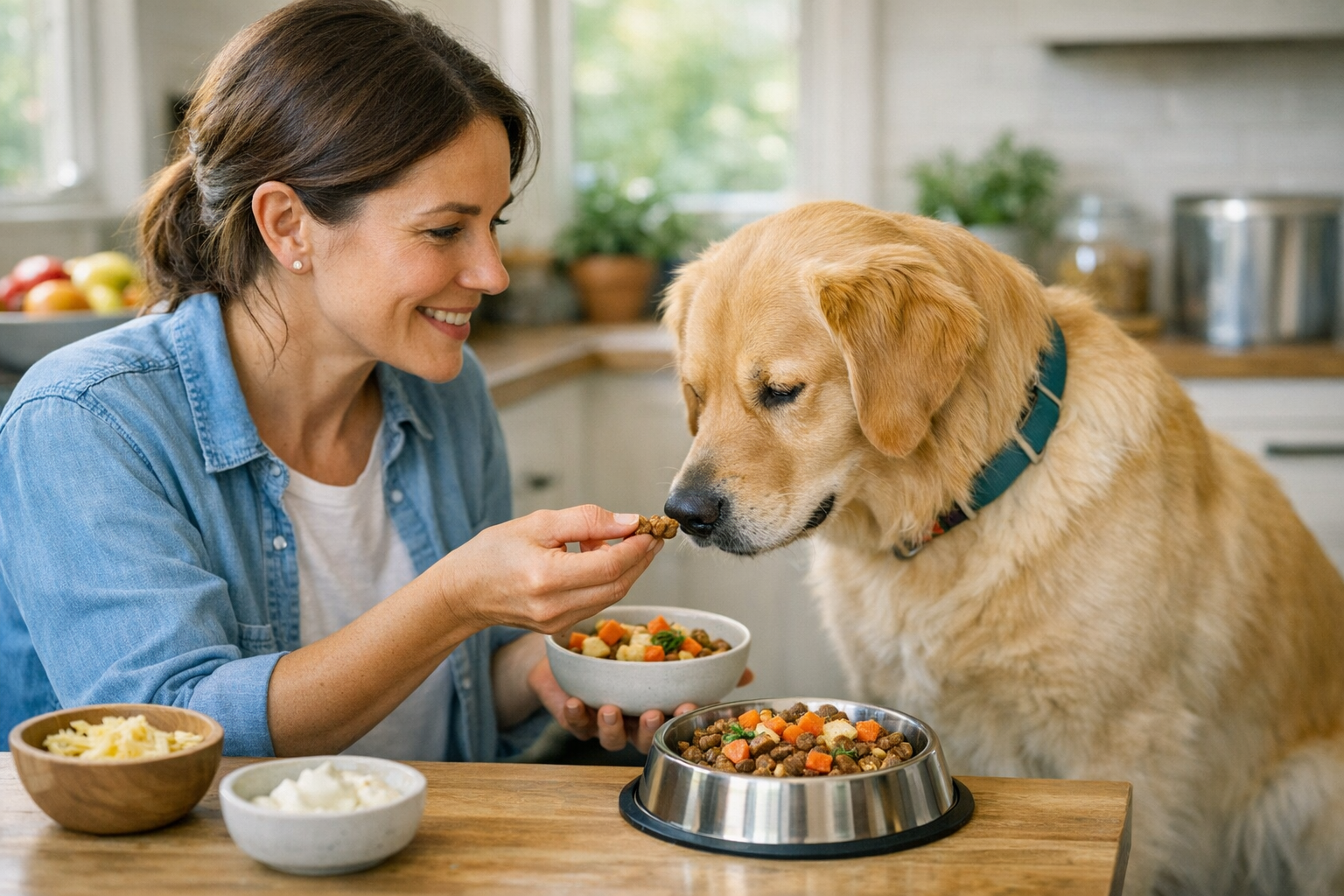
You set the bowl down and hear the familiar clink of kibble against ceramic. Instead of the usual frantic tail wagging, your dog takes one sniff and walks away. This moment is incredibly frustrating for any pet owner. You worry about their nutrition and wonder if they are feeling okay. While some dogs are natural vacuum cleaners, others develop a sudden or long-term pickiness toward dry food.
At BaxterBoo, we see this often. We know that a dog refusing their dinner is a puzzle that needs solving. This article covers the most common reasons for food refusal and provides practical steps to fix it. We will look at medical causes, behavioral habits, and ways to make the bowl more exciting. Our goal is to help you turn mealtime back into a positive experience for your dog, starting with our dog food category.
Rule Out Medical Issues First
Before you assume your dog is just being stubborn, you must rule out health problems. A sudden change in appetite is often the first sign that something is wrong. Pain or discomfort can make even the best kibble look unappealing.
Dental Health and Oral Pain
Imagine trying to eat a crunchy cracker when you have a toothache. That is what dry food feels like for a dog with dental disease. If your dog is interested in soft treats but ignores hard kibble, their mouth might be the problem. Look for signs like red gums, bad breath, or dropping food while they eat.
Digestive Sensitivity
An upset stomach or underlying GI issue can cause a dog to avoid their bowl. They may associate the dry food with the discomfort they feel afterward. If your dog is also experiencing vomiting, diarrhea, or a gurgling stomach, a health issue is likely at play.
Vet Tip: If your dog has not eaten anything for 24 to 48 hours, contact your veterinarian immediately. A loss of appetite can signal serious conditions like kidney issues or infections. Your vet may prescribe a specific diet, and our pharmacy offers FDA-approved prescription pet foods through our partnership with Pet's Choice.
If dental discomfort seems possible, our dog healthcare dental and breath care page is a smart next step.
Evaluate Your Feeding Routine
If your vet gives your dog a clean bill of health, the issue is likely behavioral. Sometimes we accidentally train our dogs to be picky. They are smart animals that know how to wait for something better.
The Treat Trap
It is easy to give a few extra treats throughout the day. However, these calories add up. If your dog gets 30 percent of their calories from high-value treats, they will not be hungry for their balanced dry food. They may also be "holding out" because they know a piece of cheese or a biscuit is coming later.
If you need more reward options, our dog treats collection can help you compare softer, higher-value choices.
The 30-Minute Rule
Leaving food out all day is called free feeding. This often makes food seem less valuable to a dog. They know it will always be there, so they lose the drive to eat when the bowl is fresh. Instead, put the bowl down and give them 30 minutes. If they do not eat, pick the bowl up and do not offer food until the next scheduled meal.
Exercise and Appetite
A tired dog is usually a hungry dog. If your dog has been lounging all day, they might not have the caloric demand to feel hungry. Try taking a brisk walk or playing a game of fetch right before mealtime. This triggers the natural cycle of "hunt, eat, and rest."
Key Takeaway: Consistency is the primary tool for correcting behavioral pickiness. Limit treats to 10 percent of daily calories and stick to a strict feeding schedule to build a healthy appetite.
Make the Dry Food More Appealing
Sometimes dry kibble just needs a bit of a boost to smell and taste better. Dry food does not have a strong aroma compared to wet food or table scraps. You can fix this with a few simple additions.
Warm Water or Broth
Adding a splash of warm water to the bowl does two things. It creates a soft texture and releases the natural aromas of the fats in the kibble. You can also use a pet-safe bone broth, like the options from Open Farm. Ensure any broth you use is free of onions, garlic, and excessive salt.
A good place to start is our Open Farm selection.
High-Quality Toppers
Toppers are a great way to bridge the gap between plain kibble and a gourmet meal. A spoonful of Stella and Chewy's meal mixers or a bit of canned food can make the whole bowl more enticing. Mix the topper in thoroughly so your dog cannot just pick out the "good parts" and leave the dry food behind.
One easy option is Stella & Chewy's Savory Salmon & Cod Meal Mixers Dog Food Topper.
The Power of Scent
A dog's sense of smell is their primary way of experiencing the world. If the food has been sitting in an open bag for two months, it has likely lost its scent and become stale. Always store kibble in an airtight container in a cool, dry place.
- Add a teaspoon of plain, unsweetened yogurt.
- Mix in a small amount of canned pumpkin (not pie filling).
- Sprinkle a few freeze-dried liver bits over the top.
- Use a salmon oil supplement to add flavor and skin support.
If you want more inspiration for flavor-forward meals, our freeze-dried food collection is worth browsing.
Choose the Right Kibble Size and Shape
Not all kibble is the same. The physical attributes of the food can affect how much your dog enjoys it. This is especially true for very small or very large breeds.
Small Breed Specifics
Small dogs like Yorkshire Terriers or Chihuahuas have tiny mouths. If the kibble pieces are too large, eating feels like a chore. Brands like Royal Canin and Farmina offer breed-specific or size-specific kibble. These are shaped to be easier for small jaws to pick up and crunch.
For a size-aware option, see our selection of Royal Canin products.
Texture Variety
Some dogs prefer a mix of textures. Certain brands offer "shredded" blends that combine crunchy kibble with soft, meaty pieces. This variety can keep a bored eater interested in the bowl. If your dog likes a crunch, ensure the food is fresh. If they prefer something softer, soaking the food for ten minutes before serving is a simple fix.
Bottom line: The size and texture of the kibble should match your dog’s physical needs and personal preferences.
Environmental Factors at Mealtime
Where and how you feed your dog matters just as much as what you feed them. A stressful environment can shut down a dog's appetite instantly.
The Right Bowl
Believe it or not, the bowl itself can be a problem. Stainless steel bowls can be noisy or create reflections that scare sensitive dogs. If your dog’s collar tags clink against a ceramic bowl, it might startle them. Try using a shallow silicone mat or a flat plate to see if they are more comfortable.
Quiet and Safety
If you have a multi-pet household, your dog might feel pressured or rushed. Other dogs or even a curious cat can make a dog feel like they need to guard their food rather than eat it. Try feeding your picky eater in a separate, quiet room where they can relax.
Interactive Feeding
Some dogs find a standard bowl boring. They have a natural instinct to forage and work for their food. Using a puzzle toy like a Kong or a snuffle mat can turn mealtime into a game. This mental stimulation can actually increase their interest in the food.
- Place kibble inside a wobbling toy.
- Hide small piles of food around the room for a "scavenger hunt."
- Use a slow feeder bowl to change the way they interact with the food.
Transitioning to New Food Safely
If you decide that your dog truly dislikes their current brand, you might need to switch. However, doing this too fast can cause a stomach upset, which makes the pickiness worse.
The Seven-Day Switch
When moving to a new brand, like the high-protein options from Orijen or Acana, take your time. Start by mixing 25 percent of the new food with 75 percent of the old food. Over the course of a week, slowly increase the amount of new food. This gives the digestive system time to adjust to new proteins and fiber levels.
A helpful place to compare options is our selection of Acana products.
Identifying Sensitivities
Sometimes a dog avoids food because a specific ingredient makes them feel itchy or bloated. If you notice your dog scratching their ears or licking their paws after eating, they may have a food sensitivity. In these cases, limited ingredient diets or novel proteins like lamb or venison can be very helpful.
Quick Answer: To get a dog to eat dry food, rule out dental pain first, then establish a strict feeding schedule and limit treats. You can also make the food more enticing by adding warm water, pet-safe broth, or a high-quality topper like freeze-dried morsels.
For another angle on the same topic, read our guide to picky eaters.
The Importance of Quality Ingredients
At BaxterBoo, we carefully select the brands we carry because we know that quality impacts appetite. If a food is full of cheap fillers and artificial flavors, a dog may eventually lose interest. High-quality foods use real meat as the first ingredient and avoid heavy use of corn or soy.
Freshness and Storage
Dry food contains fats that can go rancid if exposed to heat and oxygen. If your dog suddenly stops eating a bag that is halfway empty, the food might have spoiled. Always check the "best by" date when you buy. If you buy large bags to save money, consider splitting the food into smaller, airtight containers to keep it fresh.
Rotational Feeding
Some owners find success with rotational feeding. This involves switching between different flavors within the same brand. For example, you might feed chicken for one month and beef the next. This provides variety without the digestive stress of switching brands entirely.
Key Takeaway: Freshness and ingredient quality are often the "silent" reasons a dog refuses kibble. Store food properly and choose brands that prioritize real animal proteins.
If you are comparing value options, our discounted dog food guide is a useful companion read.
Managing Senior Dogs and Puppies
Age plays a huge role in appetite. Puppies and seniors have very different reasons for ignoring their dry food.
Senior Dog Considerations
As dogs age, their sense of smell and taste can fade. They may need food that is more "stinky" to get them interested. Seniors are also more likely to have joint pain that makes standing at a bowl uncomfortable. An elevated feeder can help a senior dog eat without straining their neck or shoulders.
Puppy Growth Spurts
Puppies go through phases where they are ravenous and phases where they seem uninterested. Teething is a common reason for a puppy to avoid hard kibble. During this time, soaking the kibble until it is mushy can provide much-needed relief for their sore gums.
Pharmacy and Specialty Support
For dogs with chronic health issues that affect appetite, like kidney disease or severe allergies, a standard over-the-counter kibble might not be enough. Our pharmacy offers a wide range of prescription diets through our Pet's Choice partnership. These are specifically formulated to be highly palatable while managing medical needs.
For more on specialized nutrition, see A Comprehensive Guide to Veterinary Diet Food.
Summary of Practical Steps
If you are struggling today, follow these steps to reset your dog's eating habits:
- Check the mouth. Look for red gums or broken teeth.
- Cut the scraps. Stop all table food and extra treats for three days.
- Warm it up. Add warm water or broth to the bowl to increase the aroma.
- Set a timer. Put the bowl down for 30 minutes, then take it away.
- Try a topper. Use a high-quality freeze-dried topper to add flavor.
- Talk to a professional. If the behavior continues, consult your vet to rule out internal issues.
Our BaxterBoo team is always here to help you find the right solution for your pet. We carry over 500 trusted brands, ensuring you have access to the best nutrition possible. Whether you need a more flavorful kibble or a puzzle toy to make dinner fun, we have the expertise to guide you.
If you want a simpler way to keep favorites in rotation, our Autoship programme can help.
Bottom line: Most cases of picky eating can be solved with a combination of medical screening, strict routines, and flavor enhancements.
To save on repeat purchases, explore the MVP Rewards programme.
FAQ
Why did my dog suddenly stop eating his dry food?
A sudden stop is often linked to health issues like dental pain, an upset stomach, or an infection. It could also be caused by a recent change in the home environment, such as a new pet or a move, which causes stress. If the refusal lasts more than 24 hours, a vet visit is the safest next step.
Can I mix wet food with dry food every day?
Yes, mixing wet and dry food is a great way to improve hydration and make the meal more appealing. Just be sure to adjust the total amount of food to avoid overfeeding and unwanted weight gain. Many owners find that a small "dollop" of wet food is enough to get their dog to finish the entire bowl of kibble.
How long can a dog go without eating?
Most healthy adult dogs can go for a couple of days without eating as long as they are still drinking water. However, you should not wait this long to take action. If your dog misses more than two meals or shows signs of lethargy and vomiting, contact your veterinarian immediately to check for underlying issues.
Is it okay to leave dry food out all day?
While "free feeding" is convenient, it is generally not recommended for picky eaters. Leaving food out reduces its perceived value and makes it harder for you to track exactly how much your dog is eating. Sticking to two or three scheduled mealtimes per day helps build a stronger appetite and a more predictable routine.






