
 Save 15% on your 1st Autoship learn more

 Email us
 Live Chat
 FAQs
FAQs





Introduction
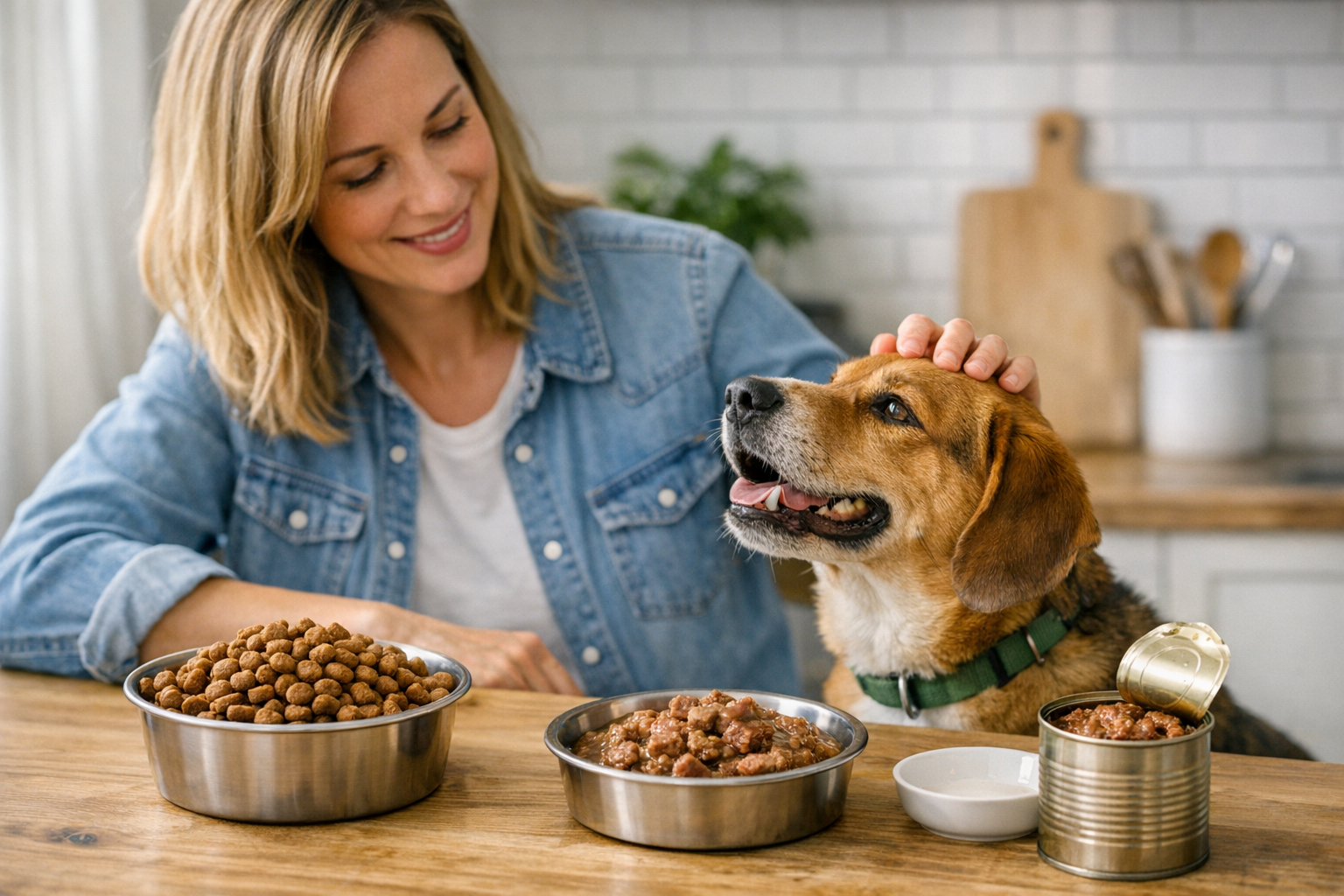
You stand in the pet food aisle and look at the rows of colorful bags and stacks of gleaming cans. Your dog is at home, perhaps starting to get a bit picky about their dinner or maybe needing to lose a few pounds. You want to provide the best nutrition possible, but the conflicting advice online makes it difficult to decide. Is the crunch of kibble essential for their teeth, or is the high moisture of canned food better for their overall health? Start by browsing our dog food category to compare your options. At BaxterBoo, we have helped pet owners navigate these nutritional choices since 2006. We understand that every dog has unique needs based on their age, activity level, and health history. This article explains the pros and cons of both formats to help you decide. Both options can provide a complete and balanced diet, but the right choice depends on your dog’s specific lifestyle and health goals.
Quick Answer: Neither food is universally better, as both offer complete nutrition. Dry food is convenient, cost-effective, and supports dental health, while wet food provides superior hydration, higher palatability for picky eaters, and helps with weight management.
Understanding the Manufacturing Process
The primary difference between these two food types starts with how they are made. This process determines the texture, moisture content, and shelf life of the final product.
How Kibble Is Created
Dry dog food is made through a process called extrusion. Manufacturers mix wet and dry ingredients to create a dough. This dough is fed into an extruder, which uses heat and pressure to cook the food. It is then pushed through small holes to create specific shapes. Once the kibble is cut, it goes through a drying process to remove moisture. Finally, a coating of fats and vitamins is often sprayed on to make it taste better and ensure it meets nutritional standards. Most dry foods contain only about 10 percent moisture.
How Wet Food Is Produced
Wet food involves a different method. The protein sources and other ingredients are ground up and mixed with a liquid gravy or jelly. This mixture is then put into cans or pouches and sealed. The sealed containers are heated to a high temperature to kill any bacteria and ensure the food is sterile. Because the food is cooked inside the container, it retains its natural juices. This results in a product that is usually 75 to 78 percent moisture.
Key Takeaway: The fundamental difference between wet and dry food is moisture content and processing. Dry food is extruded and dried, while wet food is sealed and sterilized to preserve high moisture levels.
The Advantages of Dry Dog Food
Dry food remains the most popular choice for many US households. It offers several practical benefits for both the owner and the dog.
Convenience and Storage
Kibble is incredibly easy to manage. You can measure out a portion, pour it into a bowl, and leave it out for a few hours if your dog is a "grazer" who likes to snack throughout the day. For a better setup at home, explore our dog food storage and accessories. It does not require refrigeration after the bag is opened. As long as you keep the bag sealed in a cool, dry place, it can stay fresh for several weeks. This makes it ideal for busy families or those who travel with their pets.
Cost Effectiveness
If you are looking for value without compromising on quality, dry food is generally the better buy. Because it is more calorie-dense, you do not need to feed as much of it by volume to meet your dog's daily energy requirements. This means a single bag lasts much longer than a case of canned food, reducing your monthly pet care expenses.
Dental Health Benefits
While it is not a substitute for brushing your dog's teeth, the texture of kibble can help. The mechanical action of chewing crunchy food can help scrape away some of the soft plaque on the teeth. Some specialized dental diets are even formulated with a specific kibble size and shape to maximize this cleaning effect.
- Easier to use in puzzle toys and slow feeders.
- Less messy than wet food.
- Lower carbon footprint due to lighter shipping weight.
- Available in a massive variety of specialized formulas.
Bottom line: Dry food is the king of convenience and value, offering an easy way to provide balanced nutrition while supporting dental hygiene.
The Benefits of Wet Dog Food
Canned food is often seen as a treat, but it can serve as a primary diet with significant health advantages.
Superior Hydration
Many dogs do not drink enough water on their own. This can lead to issues like urinary tract stones or kidney strain. Feeding wet food is one of the easiest ways to increase your dog's daily water intake. Because it is nearly 80 percent water, your dog is essentially "eating" their hydration. This is particularly helpful for dogs living in hot climates or those prone to urinary health issues.
Appealing to Picky Eaters
Dogs rely heavily on their sense of smell. Wet food has a much stronger aroma than dry kibble, especially when it is slightly warmed. This makes it much more enticing for dogs with diminished appetites, such as seniors or pets recovering from an illness. If your dog turns their nose up at their bowl, adding wet food can often jumpstart their interest in mealtime.
Weight Management and Satiety
Because wet food is less calorie-dense than kibble, a dog can eat a larger volume of food without consuming too many calories. This helps them feel fuller for longer. If your dog is always acting hungry but needs to lose a few pounds, wet food can satisfy their appetite while keeping their calorie count in check.
Vet Tip: For dogs with recurring urinary or kidney issues, the high moisture in wet food is often a medical necessity rather than a preference. Always consult your vet to see if a high-moisture diet could help manage these chronic conditions.
Comparing Nutritional Profiles
When you compare the labels of wet and dry food, the numbers can be confusing. This is because the moisture levels are so different. To accurately compare the two, you must look at the nutrients on a "dry matter basis."
Protein and Fat
Canned foods often contain more animal-based protein and fewer carbohydrates than dry foods. Kibble requires starches like grains, potatoes, or legumes to hold its shape during the extrusion process. Wet food does not need these binders, so it can prioritize meat ingredients. If your dog requires a high-protein, low-carb diet, wet food might have the edge. If you are comparing therapeutic formulas, check our selection of Farmina products alongside other brand options.
Vitamins and Minerals
Both types of food are usually formulated to meet AAFCO standards for "complete and balanced" nutrition. This means they both contain the essential vitamins and minerals your dog needs to thrive. We carry over 500 trusted brands that offer both formats, ensuring you can find a high-quality option regardless of which texture you choose.
When Health Conditions Dictate the Choice
Sometimes the decision between wet and dry is made for you by your dog’s health needs.
Senior Dogs and Dental Issues
As dogs age, they may lose teeth or develop sensitive gums. Crunching on hard kibble can become painful. In these cases, wet food provides a soft, easy-to-eat alternative that ensures they still get the nutrients they need. If your dog is in this life stage, our senior dog food collection can help you compare suitable options.
Prescription Needs and the Pharmacy
For dogs managing chronic illnesses like diabetes, severe allergies, or heart disease, a standard over-the-counter food might not be enough. Your veterinarian may recommend a prescription diet specifically formulated for their condition. These diets are available in both wet and dry versions from brands like Royal Canin and Farmina Vet Life.
Our pet pharmacy carries a wide range of these prescription pet foods for convenient home delivery. If your vet has provided a prescription for a specific health-related diet, you can have it fulfilled through our site for convenient home delivery. This ensures your dog gets the specialized medical nutrition they need to manage their condition.
Key Takeaway: Prescription diets are often available in both formats, allowing you to follow your vet's medical advice while still catering to your dog's texture preferences.
Mixing Wet and Dry Food: The Best of Both Worlds
You do not have to choose just one. Many pet owners find that a combination of both is the most effective approach. This is often called "topping" or "mixed feeding."
Why Mix?
Mixing wet and dry food can provide the dental benefits and cost savings of kibble with the hydration and taste of wet food. It makes mealtime more exciting for your dog and can be a great way to stretch your budget. You can use a smaller amount of high-quality canned food as a topper on a bowl of kibble.
How to Mix Safely
When mixing, it is vital to keep track of total calories. It is easy to accidentally overfeed when you are adding "just a little bit" of wet food.
- Determine the total daily calories your dog needs.
- Calculate the calories in your dry food portion.
- Subtract those from the daily total to find out how much wet food to add.
- Stir them together well to ensure your dog does not just pick out the wet chunks and leave the kibble.
Bottom line: Mixing formats is an excellent way to provide variety and hydration without the high cost of a 100 percent wet food diet.
Storage and Safety Tips
Proper storage is essential for maintaining the nutritional value and safety of your dog's food.
Dry Food Storage
Keep kibble in its original bag. These bags are designed to protect the food from oxidation. Place the bag inside an airtight container to keep out pests and moisture. Try to use a bag within six weeks of opening. After that point, the fats in the food can begin to go rancid, even if the food looks fine.
Wet Food Storage
Once a can or pouch is opened, it must be refrigerated immediately. Use a silicone lid or a plastic wrap to seal the top. Any unused portion should be discarded after three days. If you leave wet food out in a bowl, do not leave it for more than an hour or two. Unlike kibble, wet food can grow bacteria very quickly at room temperature.
- Check expiration dates before buying.
- Clean food bowls daily to prevent bacterial growth.
- Store all pet food in a cool, dark place.
- Never use a can that is bulging or deeply dented.
Transitioning Between Food Types
If you decide to switch from one to the other, or if you want to start mixing them, do so slowly. A sudden change in diet can cause upset stomachs, gas, or diarrhea. If you want a step-by-step guide, see how to switch from dry to wet dog food.
The 10-Day Transition Rule
A gradual transition allows your dog's digestive system to adapt to the new ingredients and moisture levels.
- Days 1-3: 75% old food, 25% new food.
- Days 4-6: 50% old food, 50% new food.
- Days 7-9: 25% old food, 75% new food.
- Day 10: 100% new food.
Watch your dog’s stool quality and energy levels during this time. If you notice any issues, slow down the transition and give their body more time to adjust.
Final Factors to Consider
Your dog’s life stage is a major factor in this decision. Puppies have very high caloric needs and small teeth, often making a mix of soaked kibble and wet food a great starting point. As they grow, many owners transition to primarily dry food for convenience. Senior dogs often shift back toward wet food as their appetite wanes or their dental health declines.
We encourage pet owners to join our MVP Rewards program for extra value on food purchases, whether you choose premium kibble or gourmet canned options. Additionally, our Autoship programme can help you save on your first order and ensures you never run out of your dog’s favorite meal.
Key Takeaway: The best food is the one that meets your dog's nutritional needs, fits your budget, and is something your dog actually enjoys eating.
Summary of the Choice
Deciding between dry and wet dog food does not have to be a source of stress. Dry food offers excellent value, convenience, and a bit of dental support. Wet food provides the hydration and aroma that can be life-changing for picky eaters or dogs with specific health concerns. Most healthy dogs will thrive on either, provided the quality of the ingredients is high.
If you are managing a health condition, remember that our pharmacy is here to help with prescription diets through our Pet's Choice partnership. For everyday nutrition, explore our premium dog food brands. Your dog's health starts at the bowl, and we are proud to be part of that journey with you.
FAQ
Is dry food better for a dog’s teeth than wet food?
Dry food can provide a small amount of mechanical cleaning as the dog crunches the kibble, which may help reduce plaque. However, it is not a replacement for regular toothbrushing or professional veterinary cleanings. Some dogs swallow kibble whole, which provides no dental benefit at all, so don't rely on food alone for oral health.
Can I feed my dog only wet food?
Yes, you can feed a dog a diet consisting entirely of wet food as long as it is labeled as "complete and balanced" according to AAFCO standards. This is often a great choice for small breeds, picky eaters, or dogs with certain medical conditions. Just be aware that a 100 percent wet food diet is typically more expensive and requires more careful monitoring of dental health.
Why is wet food usually more expensive than dry food?
Wet food is more expensive because it contains a high percentage of water, meaning you have to buy more volume to get the same number of calories. Additionally, the canning process and the weight of shipping water-heavy containers add to the retail cost. For many owners, the health benefits of hydration and palatability make the extra cost a worthwhile investment.
How do I know if my dog needs a prescription diet?
If your dog has chronic symptoms like frequent itching, digestive upset, or signs of kidney disease, you should consult your veterinarian. They can perform diagnostic tests to see if a specialized medical diet is required. If they issue a prescription, you can conveniently order those prescription foods from our pharmacy.






