
 Save 15% on your 1st Autoship learn more

 Email us
 Live Chat
 FAQs
FAQs





Introduction
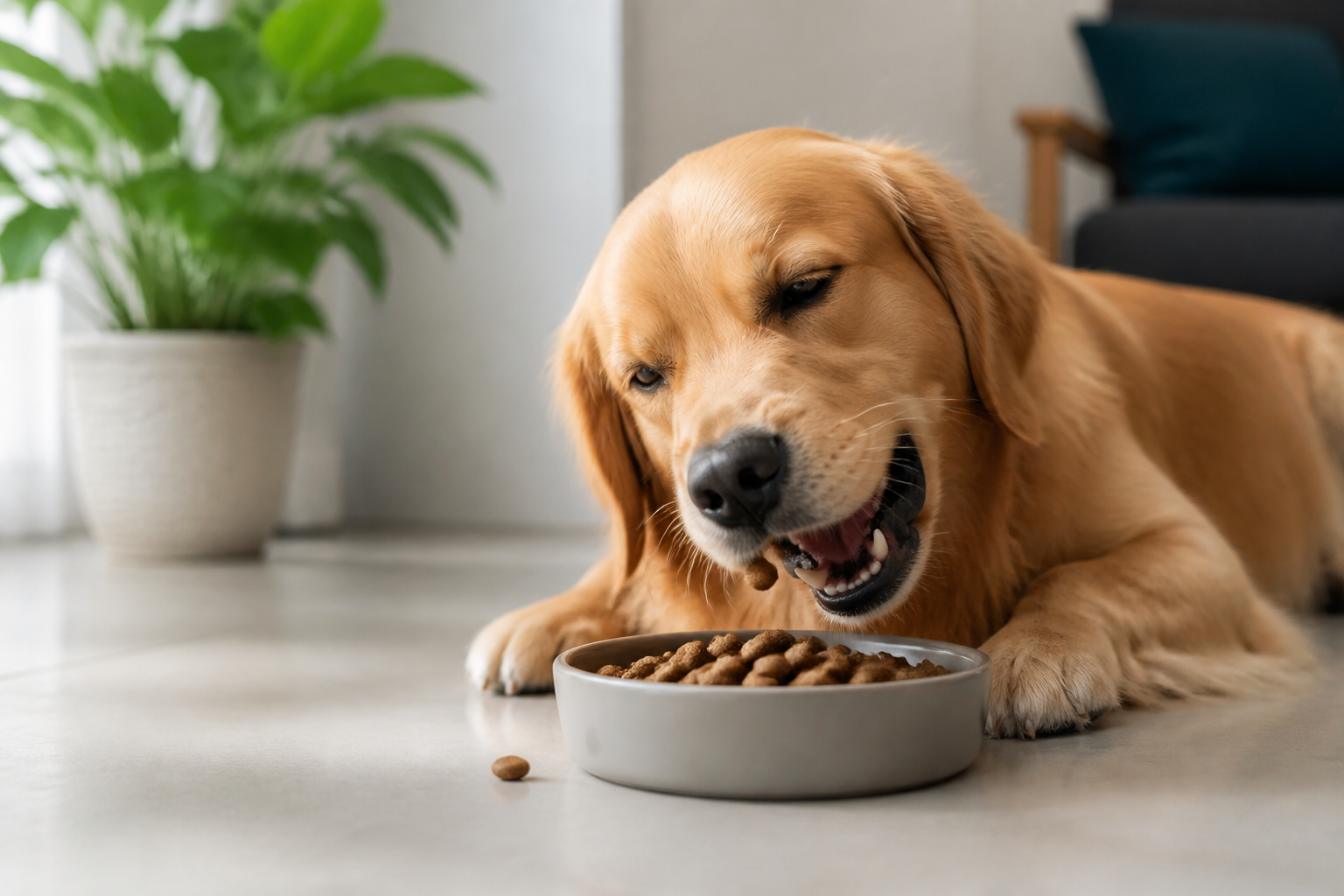
You are standing in the pet food aisle staring at two different bags. One is a high quality kibble and the other is a premium wet food. You might have heard that dry food acts like a toothbrush for your dog. Perhaps you have noticed your dog has slightly smelly breath lately. You want to make the best choice to keep those pearly whites healthy. At BaxterBoo, we hear this question from concerned pet owners every single day. We want to help you understand the real relationship between what your dog eats and their oral health. This article explores the science behind kibble, the risks of soft food, and why your choice of diet is only one part of the dental puzzle. You will learn that while dry food has some benefits, it is not a complete solution for dental hygiene.
The Popular Myth of the Kibble Toothbrush
The idea that dry food cleans teeth is one of the most common beliefs in pet care. The theory is simple. As a dog crunches on hard kibble, the friction scrapes away plaque. Many people believe this mechanical action keeps the teeth clean. In reality, the benefits of standard dry food are often overstated. Most regular kibble is small and brittle. When a dog bites down, the piece of food usually shatters instantly. It does not provide the sustained scrubbing action needed to clean the tooth down to the gum line.
Many dogs do not even chew their dry food thoroughly. Some dogs swallow kibble whole or only break it once. This means the food has very little contact with the surface of the tooth. While dry food does not stick to the teeth as much as wet food, it is not a replacement for a cleaning routine. You should view regular kibble as a neutral factor rather than a dental treatment. It is certainly better than a diet of sticky table scraps, but it will not prevent dental disease on its own. You can compare different textures and formulas in our dog food collection.
Quick Answer: Dry food is slightly better than wet food because it does not stick to the teeth as easily. However, regular kibble does not provide enough scraping action to actually clean a dog's teeth.
Why Wet Food Can Be Challenging for Oral Health
Wet food is often a favorite for dogs because of its strong aroma and flavor. However, it does present some challenges for dental hygiene. Soft, moist food is much more likely to get trapped in the tiny crevices between teeth. It also tends to linger along the gum line. This provides a perfect environment for bacteria to grow. When bacteria thrive on these food particles, they form a sticky film called plaque.
If plaque is not removed through brushing or chewing, it reacts with minerals in the saliva. This process turns soft plaque into hard tartar, also known as calculus. Tartar is much harder to remove and usually requires a professional cleaning. While wet food is not inherently "bad," it does require more vigilance from the owner. If you choose to feed a wet diet, you must be even more committed to a daily dental care routine. For options across wet and dry formulas, browse our selection of dog food.
The Benefits of Mixed Feeding
Some owners choose to mix wet and dry food. This can provide the hydration benefits of wet food with the slightly cleaner profile of dry food. If you use this method, try to keep the dry food as the final part of the meal. This may help dislodge some of the softer food particles left behind. However, the same rule applies. No matter the texture of the food, bacteria will still form plaque within hours of eating.
Vet Tip: If your dog has a history of dental issues or missing teeth, your vet might actually recommend wet food. Always consult your veterinarian before making major dietary changes for a dog with oral pain or advanced periodontal disease.
The Science of Specialized Dental Diets
Not all dry food is created equal. There is a significant difference between standard maintenance kibble and specialized dental diets. Brands like Royal Canin and Farmina Vet Life offer specific formulas designed to support oral health. These diets use a few clever tricks to actually clean the teeth.
First, the kibble size is much larger. This forces the dog to chew rather than swallow. Second, the internal structure of the kibble is different. Instead of shattering, the kibble is designed to allow the tooth to sink into it. This creates a "squeegee" effect that wipes the surface of the tooth as the dog bites down.
Some of these foods also contain chemical binders like polyphosphates. These ingredients help trap calcium in the saliva. This prevents the calcium from hardening plaque into tartar. These specialized diets are often much more effective than regular dry food.
Key Takeaway: For a diet to truly help clean teeth, it needs to be specifically formulated for dental health. Look for the VOHC (Veterinary Oral Health Council) seal on the packaging to ensure the food has been tested for its ability to reduce plaque or tartar.
Understanding Plaque Versus Tartar
To understand if dry food is working, you need to know what you are looking at. Plaque is the soft, colorless film of bacteria that forms on the teeth every day. You can easily wipe plaque away with a toothbrush or a finger. If plaque stays on the tooth for more than 48 to 72 hours, it begins to harden. This hardened form is tartar.
Dry food may help reduce the accumulation of soft plaque on the top surfaces of the teeth. However, it rarely reaches the most important area. That area is the gingival sulcus, which is the space between the tooth and the gum. This is where the most dangerous bacteria live. If tartar builds up under the gum line, it can lead to:
- Gingivitis (red, inflamed gums)
- Periodontal disease
- Bone loss in the jaw
- Tooth abscesses
- Systemic infections affecting the heart or kidneys
Regular dry food cannot reach these deep areas. This is why even dogs who eat dry food still need professional checkups and home brushing. For more practical guidance, read these pet dental care tips.
The Role of Dental Chews and Toys
Since regular dry food is not a perfect solution, we often recommend supplementing with our dental treats for dogs. Products like Greenies are designed specifically to provide the mechanical scrubbing that kibble lacks. These chews are flexible and durable. They allow the teeth to sink in deeply, reaching closer to the gum line.
Dental toys also play a part. Rubber toys with nubs or ridges can help massage the gums and scrape the teeth during play. When a dog chews on a high quality toy, it stimulates saliva production. Saliva contains natural enzymes that help break down food particles and protect the enamel. You can explore our dental dog toys for additional chew options.
- Choose chews that are appropriate for your dog's size.
- Look for products with the VOHC seal.
- Monitor your dog to ensure they do not swallow large chunks.
- Avoid extremely hard items like cow hooves or antlers, which can fracture teeth.
At BaxterBoo, we offer a wide variety of these dental aids to complement your dog's diet. Using these tools daily can make a much larger impact than simply switching from wet to dry food. For more ideas, see 10 best dental chews for dogs.
Professional Care and the BaxterBoo Pharmacy
Even the best diet and the best chews are not a substitute for professional veterinary care. Most dogs will eventually need a professional dental cleaning under anesthesia. During these visits, the vet can take X-rays to see what is happening below the gum line. They can also perform scaling and polishing that no food or toothbrush can replicate.
Sometimes, your veterinarian may prescribe a specific therapeutic diet for a health condition. Our pet pharmacy provides access to FDA-approved medications and prescription pet foods. Through our partnership with Pet's Choice, we help you get the exact products your vet recommends. This includes prescription diets that are clinically formulated to manage advanced dental disease or other related health issues.
Vet Tip: Never ignore "dog breath." Foul odors are usually a sign of infection or decay. Schedule a dental exam at least once a year to catch problems before they become painful or expensive.
Nutrients That Support Oral Health
What is inside the food matters just as much as the texture. Certain nutrients help the body fight the inflammation associated with dental disease. When you are looking for a high quality food, keep an eye out for these ingredients:
Fatty Acids
Omega-3 fatty acids are excellent for managing inflammation. Since periodontal disease is essentially a chronic inflammatory condition, these fats can help keep the gums healthier. Brands like NutriSource often include these in their formulas.
Antioxidants
Antioxidants like Vitamin C and Vitamin E support the immune system. A strong immune system is better at fighting the bacteria that live in the mouth. This can help prevent minor plaque from turning into a major infection.
Probiotics
Specific strains of probiotics can help balance the microbiome of the mouth. Just like the gut, the mouth needs healthy bacteria to crowd out the harmful ones. This can help reduce the speed at which plaque forms.
How to Transition Your Dog to a Dental Diet
If you decide to switch to a specialized dry dental food, you should do it slowly. A sudden change in diet can cause an upset stomach. Follow these steps for a smooth transition:
Step 1: Mix 25% of the new dental food with 75% of the old food. / Do this for two to three days while monitoring your dog's digestion and stool.
Step 2: Increase the ratio to 50% of the new food and 50% of the old food. / Maintain this for another three days to ensure your dog is adjusting well.
Step 3: Move to 75% of the dental food and 25% of the old food. / Watch for any signs of pickiness or digestive upset during this phase.
Step 4: Transition to 100% of the new dental diet. / You can now begin to observe the benefits of the specialized kibble over the coming weeks.
Bottom line: A slow transition over 7 to 10 days protects your dog's digestive health while introducing new dental benefits.
Beyond the Bowl: Brushing is Gold
We cannot talk about dental health without mentioning brushing. While dry food is a helpful tool, brushing is the gold standard. You do not need to spend an hour on it. Even 30 seconds of brushing a few times a week can significantly reduce tartar buildup. For additional brushing guidance, review these dog and cat dental care tips.
Always use a toothpaste specifically made for dogs. Human toothpaste contains ingredients like xylitol or high levels of fluoride that are toxic to pets. Dog toothpastes come in flavors like poultry or malt to make the experience more pleasant. Start by letting your dog lick the paste off your finger. Gradually move to a finger brush or a soft pet toothbrush.
If your dog absolutely will not tolerate brushing, do not force it. You can use dental wipes or water additives as an alternative. These products help kill bacteria on contact and are very easy to use. Combine these with a specialized dry food for a comprehensive approach to oral care.
Common Myths About Dog Teeth
There are many misconceptions about how to keep a dog's mouth clean. One common myth is that feeding raw bones is the best way to clean teeth. While some raw bones can provide scraping action, they come with high risks. Bones can be too hard and may cause a tooth to fracture. They can also splinter and cause internal injuries.
Another myth is that "doggy breath" is just a normal part of being a dog. This is not true. Healthy mouths should not have a strong, foul odor. If the breath is offensive, it usually means there is a high concentration of bacteria or a decaying tooth.
Finally, some people believe that if their dog is still eating, they must not be in pain. Dogs have a very strong survival instinct. They will often continue to eat even if they have a broken tooth or an abscess. You cannot rely on their appetite to tell you if their mouth hurts. You must look for other signs like dropping food, pawing at the face, or excessive drooling.
Creating a Complete Dental Plan
Caring for your dog's teeth is a multi-step process. Think of it as a pyramid. The base of the pyramid is a high quality diet, preferably a specialized dry food or one with the VOHC seal. The next layer is daily dental chews and toys to provide mechanical cleaning. The third layer is home care like brushing or dental wipes. The top of the pyramid is professional veterinary care.
By using all these layers together, you give your dog the best chance at a long, healthy life. Remember that oral health is directly linked to overall health. A clean mouth means a happier dog and fewer surprise vet bills in the future. If you regularly purchase food and dental supplies, our Autoship programme can help simplify recurring orders.
Summary Checklist for Dental Health:
- Choose a specialized dental kibble if your dog is prone to plaque.
- Incorporate VOHC-approved dental chews once a day.
- Provide safe rubber chew toys to stimulate saliva.
- Brush your dog's teeth at least three times a week.
- Use a water additive to help kill oral bacteria.
- Schedule an annual professional dental exam.
- Watch for red gums or bad breath as warning signs.
Conclusion
Is dry food better for your dog's teeth? The answer is a qualified yes. Regular kibble is better than wet food because it does not cling to the teeth. However, standard dry food is not a substitute for active dental care. For real results, look for specialized dental diets that are designed to scrub the teeth as your dog chews. At BaxterBoo, we want to help you build a routine that works for your lifestyle and your dog's needs. You can earn points on all your dental supplies through the MVP Rewards programme. For dogs needing extra support, remember that our pharmacy offers prescription dental diets to keep your pet's health on track.
Key Takeaway: Diet is a foundational tool for oral health, but it works best when combined with brushing, dental chews, and regular professional cleanings.
FAQ
Does dry dog food actually scrape teeth clean?
Regular dry food shatters too easily to provide much scraping action. However, specialized dental kibble is designed to stay intact longer, allowing the tooth to sink in and receive a mechanical cleaning. For the best results, you should look for foods with the VOHC seal of approval.
Can I feed my dog wet food if they have bad teeth?
Yes, wet food is often recommended for dogs with missing teeth or painful gums because it is easier to chew. If you feed wet food, you must be very diligent about brushing or using dental wipes. Soft food can easily get stuck in the gums and worsen existing dental issues.
Are dental chews better than dry food for cleaning?
Many dental chews are more effective than regular dry food because they are designed to be chewed for a longer period. This sustained contact helps reach areas near the gum line that kibble cannot. Using a combination of a dental diet and daily chews is usually the most effective approach.
How do I know if my dog needs a professional dental cleaning?
If you notice persistent bad breath, red or bleeding gums, or yellow-brown buildup on the teeth, it is time for a professional cleaning. You should also watch for changes in eating habits, such as chewing on only one side of the mouth. Your veterinarian should evaluate your dog's teeth at every annual checkup.






