
 Save 15% on your 1st Autoship learn more

 Email us
 Live Chat
 FAQs
FAQs





Introduction
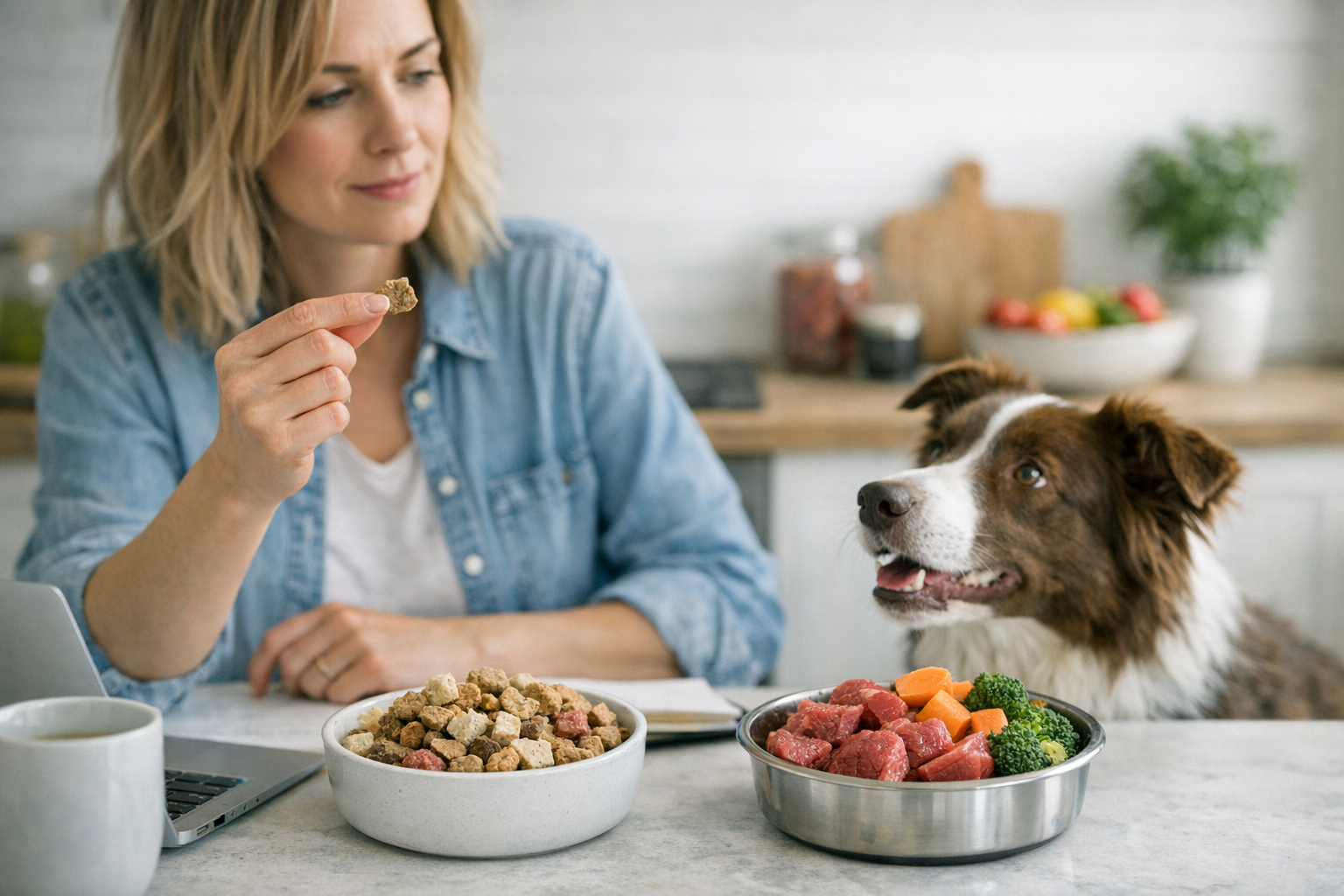
You are standing in the pet food aisle or browsing the digital shelves at BaxterBoo when you notice a bag of lightweight nuggets. The label says raw, but the bag is sitting at room temperature. It does not look like the bloody, frozen patties you usually associate with raw feeding. This leads to a common question for many dog owners: is freeze dried dog food actually considered raw?
We understand that choosing the right diet for your dog is one of the most important decisions you make. This article covers exactly what happens during the freeze-drying process and why it qualifies as a raw diet. We will also look at the safety considerations, nutritional benefits, and how it compares to traditional kibble. By the end, you will understand if this unique format is the right choice for your canine companion.
Quick Answer: Yes, freeze-dried dog food is considered a raw diet because the ingredients are never cooked with heat. The process removes moisture through sublimation while keeping the proteins, enzymes, and nutrients in their natural, raw state.
What Exactly Is Freeze-Dried Dog Food?
Freeze-drying is a sophisticated preservation method that was originally developed for human food, including emergency rations and astronaut meals. In the world of pet nutrition, it has become a popular way to offer the benefits of raw meat without the mess of thawing frozen blocks of food.
The process begins with raw ingredients like muscle meat, organs, bones, fruits, and vegetables. These ingredients are prepared and then flash-frozen at extremely low temperatures. Once frozen, the food is placed into a vacuum chamber.
Inside this chamber, a process called sublimation occurs. This is the scientific term for when a solid (ice) turns directly into a gas (water vapor) without ever becoming a liquid. By skipping the liquid phase, the structure of the food remains intact. The result is a lightweight, shelf-stable product that retains almost all of the original nutritional value found in the raw ingredients.
The Role of Sublimation
Sublimation is the key factor that separates freeze-drying from other methods like dehydration. In traditional dehydration, heat is used to evaporate moisture. Even low heat can slightly change the cellular structure of meat and vegetables.
Freeze-drying avoids heat entirely. Because the water is removed while the food is still frozen, the proteins do not denature. This means the biological profile of a freeze-dried chicken heart is virtually identical to a fresh one.
Why It Is Considered a Raw Diet
The primary reason freeze-dried food is classified as raw is the absence of heat during processing. In the pet food industry, "raw" typically refers to ingredients that have not been exposed to temperatures high enough to cook them.
Standard kibble is cooked using a process called extrusion. This involves high heat and high pressure to create the uniform brown crunchy bits we all recognize. This heat can destroy sensitive vitamins and natural enzymes. Manufacturers of kibble must add synthetic vitamins and minerals back into the food to ensure it is nutritionally complete.
Freeze-dried food avoids this problem. Because the ingredients stay raw, the natural enzymes remain active. These enzymes can help with digestion and nutrient absorption. For many owners, this is the biggest draw of a raw diet. You are providing food in a state that is closer to what a dog might find in nature.
Key Takeaway: Freeze-dried food is raw because it skips the cooking process entirely. It preserves the natural state of proteins and enzymes that are often lost in high-heat kibble production.
Nutritional Benefits of Freeze-Dried Raw Food
Many owners notice positive changes when they switch their dogs to a raw-based diet. Since freeze-dried food is nutrient-dense, you often feed smaller portions compared to kibble.
- High protein content: Most freeze-dried recipes are meat-first and contain very few fillers or starches.
- Improved palatability: The scent and taste are much stronger than cooked food, making it a great option for picky eaters.
- Bioavailability: Nutrients in their raw form are often easier for a dog’s body to recognize and use.
- Healthy skin and coat: The natural fats and oils remain intact, which often leads to a shinier, softer coat.
We carry several trusted brands that specialize in this format, including our selection of Stella & Chewy's products and our selection of Vital Essentials products. These brands focus on high-quality sourcing to ensure your dog gets the most out of every bite.
Vet Tip: If your dog has a history of kidney issues or other chronic health conditions, consult your veterinarian before switching to a high-protein raw diet. Our pet pharmacy information page can also help if your vet determines a specialized formula is necessary for your dog's specific medical needs.
Safety and Pathogen Considerations
While freeze-drying removes moisture, it does not necessarily kill all bacteria. This is a common misconception among pet owners. Bacteria like Salmonella or Listeria can enter a state of dormancy when moisture is removed.
If those bacteria are present in the meat before it is freeze-dried, they may still be there when you open the bag. Some companies use a process called High Pressure Processing (HPP) to reduce the risk of pathogens. HPP uses extreme pressure to neutralize bacteria without using heat.
However, you should still handle freeze-dried food with the same care you would use for raw meat. This means washing your hands thoroughly after handling the food and cleaning your dog's bowl daily.
Who Should Be Careful?
If there are people in your home with weakened immune systems, small children, or elderly individuals, you need to be extra cautious. Dogs eating a raw diet can sometimes shed bacteria in their saliva or stool. While this is rarely a problem for a healthy dog, it can be a risk for vulnerable humans.
If your dog is currently managing an illness or is taking immunosuppressive medications from our pharmacy, talk to your vet. They can help you decide if a raw diet is safe for your dog's current health status.
Safe Handling Checklist
- Wash hands with warm soapy water for 20 seconds after touching the food.
- Disinfect all surfaces that come into contact with the food or the dog's bowl.
- Store the bag in a cool, dry place and keep it sealed to prevent moisture from getting in.
- If you rehydrate the food, discard any leftovers after 30 minutes to prevent bacterial growth.
Freeze-Dried vs. Dehydrated: Knowing the Difference
It is easy to confuse freeze-dried and dehydrated foods because they both look like dry, shelf-stable products. However, they are processed differently.
Dehydrated food is made by circulating warm air around the food. This process takes a long time and uses low heat. Because heat is involved, some people do not consider dehydrated food to be truly raw. It is often described as "minimally processed" or "cooked at low temperatures."
The texture is also different. Dehydrated food is often leathery or tough. Freeze-dried food is very light and has a porous, "stuffed animal" feel. It crumbles easily, which makes it an excellent topper for kibble.
| Feature | Freeze-Dried | Dehydrated |
|---|---|---|
| Process | Sublimation (Ice to Vapor) | Evaporation (Heat) |
| Temperature | Below Freezing | Low Heat (110°F - 160°F) |
| Nutrient Retention | Very High | High |
| Texture | Light, Airy, Crumbly | Leathery, Tough, Dense |
| Shelf Life | Long | Long |
Bottom line: Freeze-drying is the superior method for preserving the "raw" status of the ingredients without using heat.
How to Feed Freeze-Dried Food
There are three main ways to incorporate this raw option into your dog’s routine. You can feed it as a complete meal, use it as a topper, or give it as treats.
As a Complete Meal
Most freeze-dried foods are formulated to meet AAFCO standards for a complete and balanced diet. This means you can feed it as your dog's primary source of nutrition. Because it is so nutrient-dense, you will notice the bag feels very light, but it contains a high number of calories.
As a Topper
If a full raw diet is outside your budget, using freeze-dried nuggets as a topper is a great middle ground. You can crumble a few nuggets over your dog's regular kibble. This adds a boost of raw nutrition and high-quality protein without a total diet overhaul. You can also browse our food topper collection for more meal-enhancing options.
As Treats
Because they are so palatable, many owners use freeze-dried pieces for training. Open Farm Freeze Dried Patties Dog Food - Turkey is one example of a freeze-dried option that fits neatly into a raw-feeding routine.
The Importance of Rehydration
One of the most important steps in feeding freeze-dried food is adding water. While you can feed it dry, rehydrating the food is much better for your dog.
In its dry state, the food is essentially a sponge. If a dog eats it dry, the food will pull moisture from their digestive tract to rehydrate. This can lead to mild dehydration over time. Adding warm water or bone broth back into the food helps support your dog's hydration and makes the meal easier to digest.
Step 1: Measure the correct amount of food based on the bag's feeding guidelines. Step 2: Crumble the nuggets into smaller pieces to increase the surface area. Step 3: Add warm water or broth. Usually, a 1:1 ratio of water to food works well. Step 4: Let it sit for 3 to 5 minutes until the moisture is fully absorbed.
Transitioning Your Dog to a Raw Diet
You should never switch your dog's food overnight, especially when moving from a processed kibble to a raw diet. Their digestive system needs time to adjust to the new protein levels and active enzymes.
Start by mixing a tiny amount of the freeze-dried food (rehydrated) with their current kibble. Over the course of 7 to 10 days, slowly increase the amount of raw food while decreasing the kibble. Watch your dog’s stool during this time. If it becomes very soft, slow down the transition.
If your dog has a sensitive stomach, you might want to look into probiotics or digestive enzymes to help with the transition. We carry various supplements that can support gut health during a diet change. For more practical comparison points, our blog post on whether freeze-dried dog food is good for dogs can be a helpful next read.
Vet Tip: Sudden dietary changes can cause gastrointestinal upset. If your dog experiences persistent vomiting or diarrhea during a food transition, stop the new food and consult your veterinarian immediately.
Cost and Value Considerations
There is no getting around the fact that freeze-dried dog food is more expensive than kibble. The process of freeze-drying is energy-intensive and takes a lot of time. Additionally, the ingredients used are typically high-quality meats rather than inexpensive grains.
However, many owners find value in the results. Better digestion often leads to smaller, firmer stools, which means less cleanup. Improved health can also lead to fewer veterinary visits for skin allergies or weight issues.
At BaxterBoo, we offer several ways to make high-quality food more affordable. Our Autoship programme provides savings on recurring deliveries, ensuring you never run out of your dog's favorite food. You also earn points through the MVP Rewards programme, which can be redeemed for discounts on future purchases. For more budget-minded tips, our blog post on discounted dog food is a useful companion read.
Is It Right for Every Dog?
While raw feeding has many fans, it is not the perfect solution for every household. Some dogs with specific health conditions may thrive better on a cooked diet or a specific prescription formula.
For example, dogs with pancreatitis often need a very low-fat diet that is strictly controlled. Some raw diets can be higher in fat than traditional kibble. Always check the guaranteed analysis on the bag to ensure the fat and protein levels align with your dog's needs.
Senior dogs can benefit greatly from the easy digestibility of freeze-dried food. As dogs age, their ability to produce digestive enzymes can decrease. The live enzymes in raw food can take some of the workload off their system.
The Logistics of Raw Feeding
One of the biggest advantages of freeze-dried raw food is the convenience. Traditional frozen raw diets require significant freezer space and careful planning for thawing. If you forget to take a patty out of the freezer, you are left with a hungry dog and a frozen block of meat.
Freeze-dried food is shelf-stable. You can keep it in your pantry just like kibble. This makes it the ideal choice for traveling, camping, or boarding. You can provide your dog with raw nutrition without needing a cooler or a refrigerator.
It is also much cleaner to handle than wet raw meat. While you still need to practice good hygiene, you do not have to deal with blood or raw meat juices on your countertops.
Environmental Impact and Sourcing
When you choose premium freeze-dried brands, you are often supporting better sourcing practices. Many of the brands we carry, such as Open Farm, emphasize responsibly sourced meats. This includes grass-fed beef, cage-free poultry, and wild-caught fish.
Because the water is removed, the product is much lighter to ship. This reduces the carbon footprint associated with transporting the food from the warehouse to your door. A bag that weighs 1 pound might contain the nutritional equivalent of 4 or 5 pounds of fresh food.
Final Thoughts on Freeze-Dried Raw
Freeze-dried dog food is a genuine raw diet that offers the best of both worlds. It provides the nutritional integrity and enzymatic benefits of raw meat with the convenience of a dry, shelf-stable product. Whether you use it as a complete meal or a nutrient-boosting topper, it is an excellent way to improve the quality of your dog's bowl.
Always remember that every dog is an individual. What works for one might not work for another. Monitor your dog's energy levels, coat quality, and digestion whenever you make a change.
- Freeze-drying uses sublimation to remove moisture without heat.
- The food remains raw, preserving enzymes and vitamins.
- Safe handling is still necessary to prevent the spread of bacteria.
- Rehydration is highly recommended for better digestion and hydration.
If you are ready to explore raw feeding, we are here to help. From our wide selection of premium brands to our pharmacy services for dogs with specific health needs, we want to support your journey in pet parenthood.
Bottom line: Freeze-dried dog food is a technically raw, nutrient-dense, and highly convenient alternative to traditional frozen raw or processed kibble.
FAQ
Does freeze-drying kill bacteria like Salmonella?
No, freeze-drying does not reliably kill all pathogens. It removes the moisture that bacteria need to grow and multiply, which causes them to become dormant. While some companies use High Pressure Processing to reduce bacterial loads, you should always handle freeze-dried food with the same hygiene precautions as raw meat.
Do I have to add water to freeze-dried dog food?
While you can feed it dry, it is highly recommended to rehydrate freeze-dried food with warm water or broth. When fed dry, the food can absorb moisture from your dog's digestive tract, potentially leading to dehydration. Rehydrating the food also makes it more flavorful and easier for your dog to digest.
Is freeze-dried food better than kibble?
Freeze-dried food is less processed and typically contains more natural nutrients and enzymes than kibble. However, "better" depends on your dog's specific needs, your budget, and your lifestyle. Kibble is often more affordable and carries a lower risk of pathogen exposure because it is fully cooked.
How long does an opened bag of freeze-dried food last?
Most freeze-dried dog food will last for about 30 days after the bag is opened, provided it is kept in a cool, dry place and the bag is properly sealed. Always check the manufacturer's specific recommendations on the packaging. If you rehydrate the food, any leftovers should be discarded after about 30 minutes to prevent bacteria from growing.






