
 Save 15% on your 1st Autoship learn more

 Email us
 Live Chat
 FAQs
FAQs





Introduction
You are standing in the pet food aisle or browsing online, trying to decide between a bag of freeze dried nuggets and a container of frozen raw patties. You want the nutritional benefits of a raw diet, but you are worried about the safety risks you have heard about in the news. It is a common dilemma for modern dog owners. At BaxterBoo, we talk to people every day who want to upgrade their dog's nutrition without putting their family at risk for foodborne illness. You might wonder if the freeze drying process acts as a safety shield compared to standard frozen raw diets. This article covers the differences in processing, the truth about bacteria survival, and how to handle these foods safely in your home. While freeze dried food offers more convenience, understanding the hidden risks of raw proteins is the only way to make the best choice for your dog.
Defining the Options: Freeze Dried vs. Frozen Raw
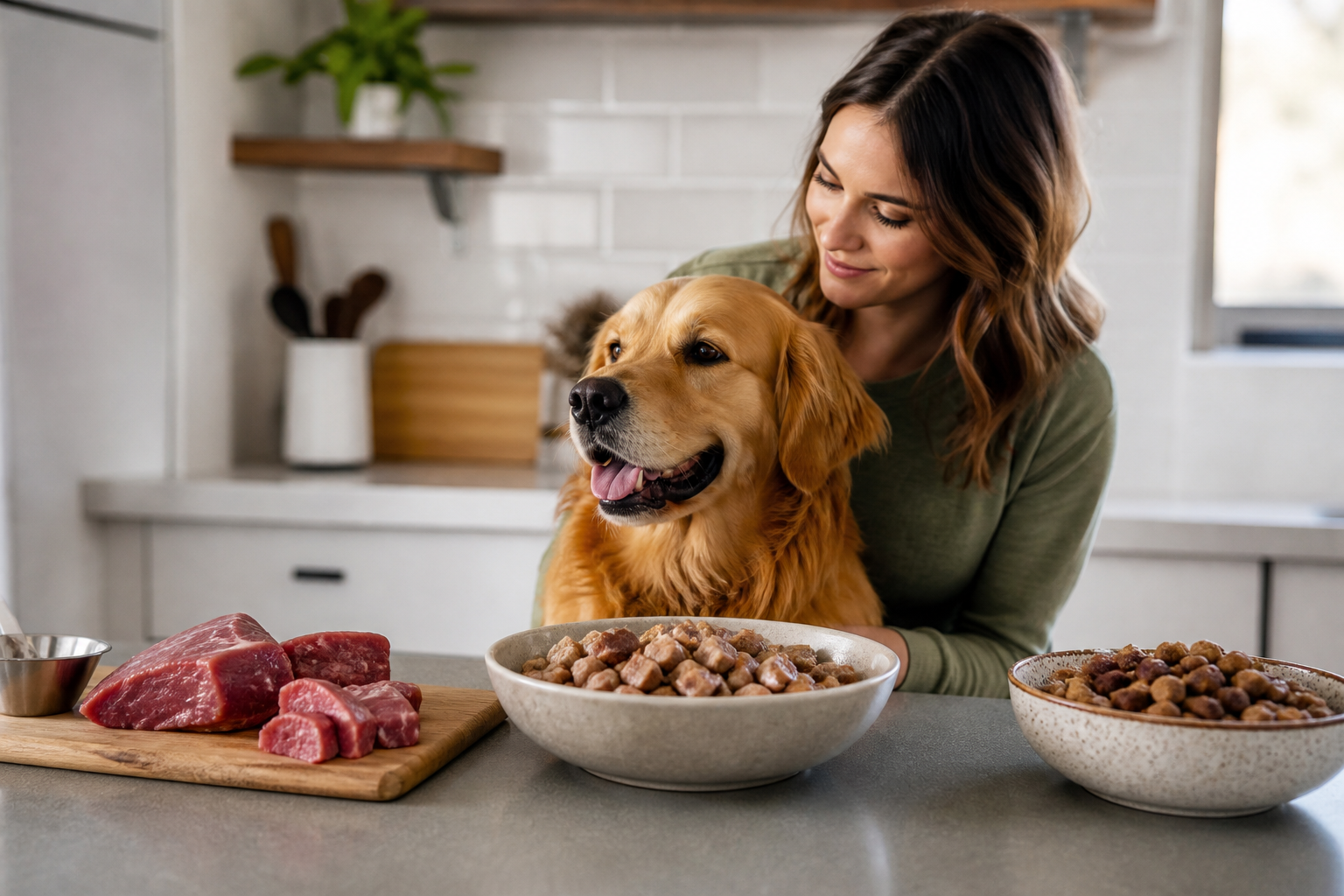
To understand if freeze dried food is safer, we first have to look at what these foods actually are. Raw dog food typically consists of uncooked meats, organs, and ground bone. It is often mixed with fruits and vegetables. Frozen raw food is kept at sub-zero temperatures to prevent spoilage. You have to thaw it in the refrigerator before serving it to your dog. This process can be messy and requires strict cleanup of bowls and counters to prevent the spread of bacteria.
Freeze dried dog food starts as the same raw ingredients. Instead of just being frozen, the food goes through a process called sublimation. The food is placed in a vacuum chamber where the moisture is turned directly from ice into vapor. This removes nearly all the water content from the meat. The result is a lightweight, shelf stable product that looks like dry biscuits or small chunks. It does not require a freezer, which makes it much more convenient for travel or small kitchens.
The main appeal of both formats is minimal processing. Unlike traditional kibble, these foods are not cooked at high temperatures. High heat can change the structure of proteins and destroy sensitive vitamins and minerals. By avoiding the cooking process, both raw and freeze dried foods aim to preserve the natural enzymes and nutrients found in the ingredients.
Quick Answer: Freeze dried dog food is not inherently safer than frozen raw food regarding bacterial pathogens. Both are technically raw meat products that can harbor Salmonella or E. coli if they are not treated with safety steps like High Pressure Pasteurization.
Does Freeze Drying Kill Bacteria?
One of the biggest misconceptions in pet care is that drying out food makes it safe. Many people assume that because the water is gone, the bacteria must be dead. This is not how microbiology works. Bacteria like Salmonella and Listeria are incredibly resilient. When you remove water through freeze drying, these pathogens do not necessarily die. Instead, they often enter a dormant state.
In a laboratory setting, scientists actually use freeze drying to preserve bacteria for future study. By removing the moisture, they can keep the bacteria alive for years without them growing or spreading. When that food is eaten by your dog or rehydrated with water, those dormant bacteria can "wake up" and become active again. If the raw meat used to make the food was contaminated, the finished freeze dried product will likely still be contaminated.
This means that from a purely biological standpoint, freeze dried meat carries many of the same risks as frozen raw meat. The lack of moisture prevents new bacteria from growing while the bag sits in your pantry. However, it does nothing to eliminate the bacteria that were already there. This is why you must treat freeze dried food with the same caution you would use for a raw steak from the grocery store.
Key Takeaway: Freeze drying is a preservation method, not a sterilization method. Pathogens can survive the vacuum chamber and remain infectious once they enter your dog's system.
The Role of High Pressure Pasteurization (HPP)
If freeze drying alone does not make the food safe, you might wonder how any raw diet can be sold commercially. The answer often lies in a process called High Pressure Pasteurization, or HPP. This is the most important factor in determining the safety of a raw pet food.
HPP uses incredible amounts of pressure—sometimes up to 87,000 pounds per square inch—to kill harmful pathogens. This pressure is applied using cold water, so it does not cook the food or damage the nutrients. It works by crushing the cell walls of bacteria like Salmonella, E. coli, and Listeria. Many reputable brands carried at BaxterBoo use HPP on their raw ingredients before they are frozen or freeze dried.
When you are comparing safety, an HPP-treated frozen raw diet is significantly safer than a non-HPP freeze dried diet. The safety is in the processing step, not the final texture of the food. If you are concerned about pathogens, always look for a statement from the manufacturer about their safety protocols. Some brands also use "test and hold" procedures. This means they test every batch of food for bacteria and do not ship it to stores until the results come back negative.
- Check the packaging for HPP mentions
- Verify if the brand uses third-party lab testing
- Look for a nutritional adequacy statement from AAFCO
- Research the brand's history of recalls
Human Safety and Handling Risks
While the safety for your dog is important, the safety for the humans in your house is often the bigger concern. This is where freeze dried food has a slight advantage over frozen raw. Handling frozen raw meat involves blood, juices, and splatter. If you thaw a patty on a plate in the fridge, those juices can contaminate your shelves. When you wash the bowl, water can splash bacteria onto your kitchen faucet or sponge.
Freeze dried food is dry to the touch. It does not leak or drip. This makes the "splash factor" much lower. However, this can also lead to a false sense of security. Pet owners often forget to wash their hands after touching freeze dried treats because their hands do not feel "dirty." Tiny particles of freeze dried meat can still get under your fingernails or on your clothes.
If you have young children, elderly family members, or anyone with a weakened immune system in your home, you must be extremely careful. Even if your dog does not get sick from the bacteria in raw food, they can still shed that bacteria in their stool or saliva. If a dog eats contaminated raw food and then licks a family member's face, the bacteria can be transmitted to the human.
Vet Tip: If anyone in your household is immunocompromised, pregnant, or very young, consult your veterinarian before introducing any raw or freeze dried raw diet. They may recommend a high-quality cooked diet to eliminate the risk of zoonotic disease transmission.
Nutritional Benefits and Palatability
If there are risks involved, why do so many people choose these diets? The benefits often include improved digestion, smaller stools, and a shinier coat. Because the proteins are not denatured by heat, they are often easier for the dog's body to use. Many dogs also find the taste of raw or freeze dried meat much more appealing than dry kibble.
For picky eaters, freeze dried food is often a savior. The intense aroma of the meat is preserved during the vacuum process. You can use freeze dried nuggets as a full meal or crumble them over standard kibble as a "topper." This allows you to provide some of the benefits of raw nutrition without the high cost of a 100 percent raw diet.
Freeze dried foods are also highly concentrated. Because the water is removed, the food is nutrient dense. You feed much smaller portions of freeze dried food than you would of kibble or canned food. This makes it an excellent choice for high-energy dogs or those who need a lot of calories in a small volume.
Comparing the Cost and Convenience
In the debate of freeze dried vs. raw, convenience is the clear winner for freeze dried options. You can store a bag in your cupboard for months. You do not have to worry about power outages ruining your dog's food. You can take it on hiking trips or to the office without needing a cooler.
Frozen raw food requires a significant commitment. You need dedicated freezer space. You have to remember to take the food out to thaw 24 hours in advance. If you forget, you cannot just microwave it, as cooking the bone fragments in raw food can make them brittle and dangerous for your dog.
However, that convenience comes at a price. Freeze drying is an expensive, energy-intensive process. On a per-pound basis, freeze dried dog food is almost always the most expensive option on the market. Frozen raw is typically more affordable because the manufacturer does not have to pay for the vacuum drying process. For large breed dogs, a completely freeze dried diet can be cost-prohibitive for many families.
Bottom line: Freeze dried food offers unmatched convenience and shelf stability, but you will pay a premium price for the processing.
How to Feed Freeze Dried Food Safely
If you decide that freeze dried is the right choice for your lifestyle, you can take steps to make it as safe as possible. The first step is rehydration. While you can feed the nuggets dry, adding water back into the food is much better for your dog. Dogs on raw diets often need more hydration to help their kidneys process the high protein content.
Step 1: Measure the correct amount of food. Use a clean scoop and avoid touching the food with your bare hands if possible.
Step 2: Add warm water or pet-safe bone broth. Use the amount recommended on the package, usually a one-to-one ratio.
Step 3: Let the food sit for 3 to 5 minutes. This allows the moisture to penetrate the center of the meat.
Step 4: Serve in a stainless steel or ceramic bowl. These materials are non-porous and easier to disinfect than plastic.
Step 5: Clean up immediately. Wash the bowl and your hands with hot, soapy water. Use a disinfectant on the counter where the bowl sat.
For more guidance, read how to feed freeze dried dog food.
By rehydrating the food, you also make it easier for your dog to digest. It prevents the food from absorbing moisture from your dog's stomach, which can sometimes cause mild dehydration if they do not drink enough water on their own.
When to Consult Your Veterinarian
Transitioning to any raw-based diet is a big change for a dog's digestive system. Some dogs handle it perfectly, while others may experience upset stomachs or diarrhea. It is always wise to talk to your vet before making the switch. This is especially true for puppies or senior dogs with underlying health issues.
If your dog develops persistent vomiting, bloody diarrhea, or extreme lethargy after eating a raw or freeze dried diet, contact your vet immediately. Our pharmacy at BaxterBoo works with Pet's Choice to provide prescription medications and specialized diets if your dog has a sensitive stomach or chronic health condition. Sometimes a dog needs a specific prescription diet to manage allergies or kidney issues, and raw diets may not be the right fit for those specific medical needs.
For additional nutrition guidance, see our veterinary diet food guide.
Vet Tip: Regular fecal exams at your vet are important for dogs on raw or freeze dried diets. This helps ensure they are not carrying silent infections that could be passed to your family.
Managing the Risk of Nutritional Imbalance
Safety is not just about bacteria. It is also about ensuring your dog gets the right vitamins and minerals. Some people try to make their own raw diets at home using grocery store meat. This is very dangerous because it is hard to get the calcium-to-phosphorus ratio correct without expert knowledge.
When you buy a commercial freeze dried or frozen raw food, look for the AAFCO statement. This confirms the food is "complete and balanced." If a bag says "for supplemental feeding only," it should not be the main source of your dog's nutrition. It is missing the essential nutrients your dog needs to thrive. Feeding an unbalanced diet over a long period can lead to bone deformities, heart issues, and organ failure.
- Muscle meat provides protein and amino acids.
- Organ meat provides vital vitamins like A, D, and B12.
- Ground bone or supplements provide calcium.
- Vegetables and fruits provide fiber and antioxidants.
Choosing the Right Format for Your Dog
The choice between freeze dried and raw often comes down to your daily routine. If you are a busy person who forgets to thaw food, freeze dried is the better choice. It ensures your dog always has a high-quality meal ready to go. If you are on a budget and have plenty of freezer space, frozen raw can provide the same nutritional benefits at a lower cost.
Some owners choose a hybrid approach. They feed frozen raw at home but keep a bag of freeze dried food for when they go on vacation or stay with a pet sitter. Since the ingredients are often the same, many dogs can switch between the two formats without digestive upset. This gives you the best of both worlds: the cost savings of frozen and the convenience of freeze dried.
At BaxterBoo, we curate a selection of over 500 brands to ensure you have access to the highest quality options in both categories. We look for brands that prioritize safety testing and ingredient transparency. Whether you choose the convenience of a bag or the freshness of the freezer, the goal is a healthier, happier dog.
Explore our selection of Northwest Naturals products for freeze dried options.
Key Safety Comparison
| Feature | Frozen Raw Food | Freeze Dried Raw Food |
|---|---|---|
| Bacteria Risk | High (if not HPP treated) | High (if not HPP treated) |
| Storage | Freezer only | Shelf stable (pantry) |
| Preparation | Thawing required (24 hours) | Ready to eat or rehydrate |
| Mess Factor | High (liquids and juices) | Low (dry particles) |
| Shelf Life | 4-6 months in freezer | 1-2 years (unopened) |
| Cost | Moderate | Very High |
Summarizing the Safety Debate
Is freeze dried dog food safer than raw? Not necessarily. While it is easier to handle and less likely to splash bacteria around your kitchen, the meat itself carries the same pathogen risks unless it has undergone High Pressure Pasteurization. The safety of a pet food depends on the quality of the ingredients and the rigor of the manufacturer's testing, not whether the food is wet or dry.
By choosing brands that use HPP and follow "test and hold" protocols, you can significantly reduce the risks. Always practice good hygiene, wash your hands after every feeding, and keep your dog's bowls clean. Most importantly, work with your veterinarian to ensure the diet meets your dog's specific health needs.
For more information about changing your dog's diet, read what is better, wet or dry food for dogs.
Key Takeaway: Safety comes from the processing and handling of the food, not the freeze drying process itself. Look for HPP-treated products for the lowest risk.
Next Steps for Pet Owners
If you are ready to explore high-quality raw or freeze dried options, we invite you to browse our freeze dried dog food selection. We carry trusted brands like Stella and Chewy’s and Northwest Naturals that prioritize safety. If your dog is currently managing a health condition or you have concerns about their digestion during a food transition, our pharmacy partnership with Pet's Choice offers a wide range of prescription supports. You can also join the MVP Rewards programme to earn points on every bag of food you buy, helping you manage the cost of these premium diets.
FAQ
Does freeze drying kill Salmonella in dog food?
No, freeze drying does not kill Salmonella or other harmful bacteria. The process removes moisture, which causes bacteria to become dormant but does not destroy them. To ensure the food is free of Salmonella, you should look for brands that use High Pressure Pasteurization (HPP) or rigorous batch testing.
Should I add water to freeze dried dog food?
Yes, it is highly recommended to rehydrate freeze dried dog food before serving. Adding water helps with digestion and ensures your dog stays hydrated, which is especially important for dogs eating high-protein raw diets. Most brands suggest a one-to-one ratio of warm water to food, letting it sit for a few minutes before feeding.
Can I get sick from handling freeze dried dog food?
Yes, there is a risk of human infection if the food contains pathogens like Salmonella or E. coli. Because freeze dried food is dry, people often forget to wash their hands after touching it, which can lead to accidental ingestion of bacteria. You should always wash your hands and disinfect surfaces after handling any raw pet food product.
Is freeze dried food better for dogs than kibble?
Freeze dried food is often considered less processed and more nutrient-dense than traditional kibble because it is not cooked at high temperatures. Many dogs find it more palatable and have better digestion on a raw-based diet. However, it is much more expensive than kibble and requires careful handling to manage the risk of bacteria.






