
 Save 15% on your 1st Autoship learn more

 Email us
 Live Chat
 FAQs
FAQs





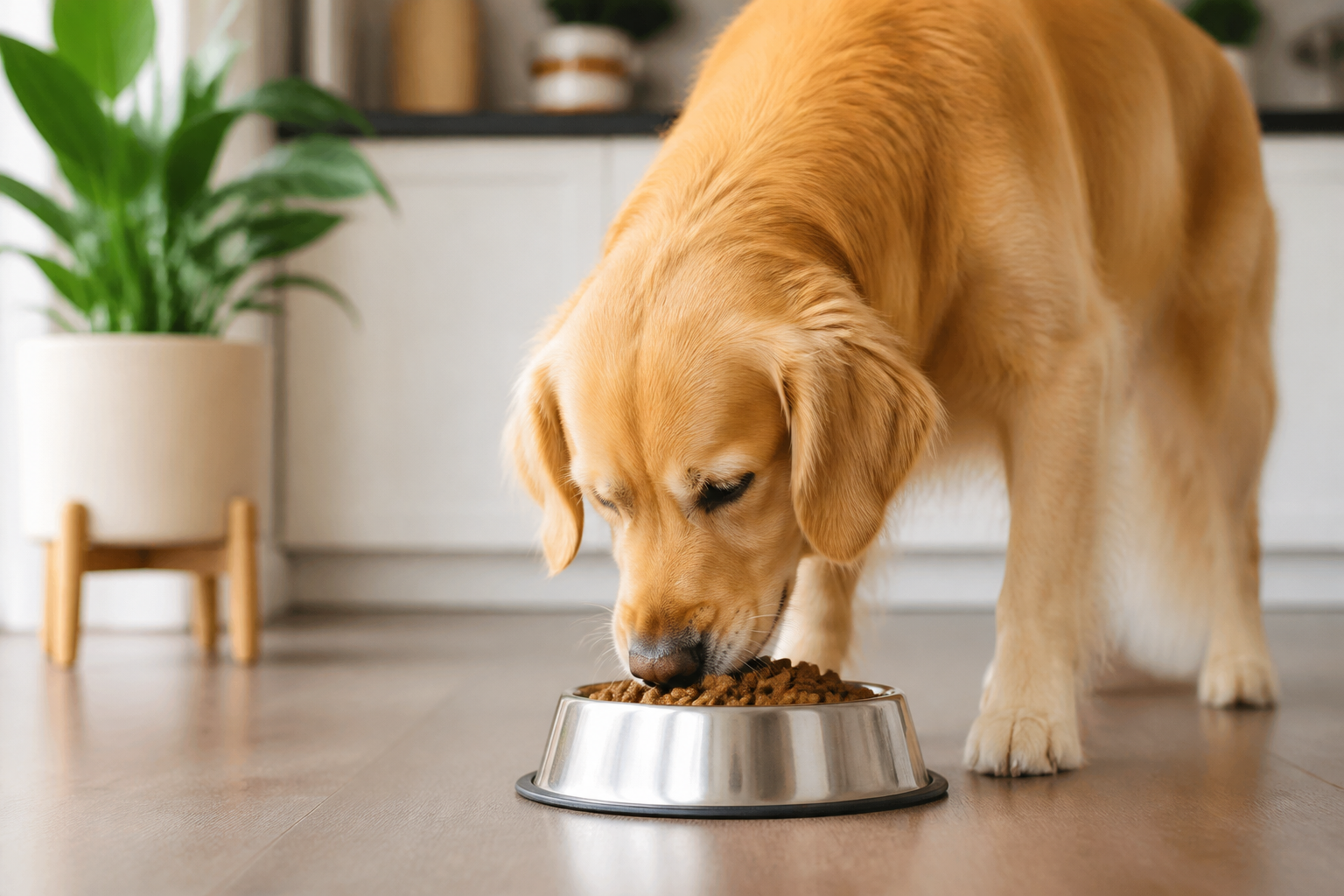
Introduction
You are standing in the pet food aisle or scrolling through endless pages of kibble online. You see bags flashing labels like "Ancestral Diet" or "High Protein Formula." It is easy to feel like you are doing your dog a disservice if you do not choose the bag with the highest percentage on the back. At BaxterBoo, we have helped thousands of pet parents in our Vernon Hills warehouse and across the country navigate these exact nutritional crossroads.
Choosing the right protein level is not just about following a trend. It is about matching your dog’s specific biology, age, and activity level to the right fuel. This post covers what high protein actually means, which dogs truly benefit from it, and when it might actually be better to stick with a standard formula. High protein dry food is an excellent tool for canine health, but it is not a universal solution for every dog.
Understanding Protein in Your Dog’s Diet
Protein is often called the building block of life. For your dog, this is literally true. Proteins are made of amino acids that repair tissues, build muscle, and support the immune system. They also help produce the enzymes and hormones that keep your dog’s body functioning every day.
Many people believe dogs are strict carnivores like cats. This is a common misconception. Dogs are actually omnivores. They have evolved alongside humans for thousands of years. This means they can efficiently digest and use nutrients from grains, fruits, and vegetables alongside meat.
A high protein diet typically refers to dry food that contains 30 percent protein or more on a dry matter basis. Most standard adult maintenance dog foods hover between 21 and 26 percent. While the total number matters, the source of that protein is even more important for your dog’s long term health.
Quick Answer: High protein dry food is good for healthy, active dogs, canine athletes, and many senior dogs. However, it may not be suitable for dogs with specific health conditions like kidney or liver disease.
The Difference Between Quantity and Quality
If you look at a bag of dog food, you will see a "Crude Protein" percentage. This number tells you the total amount of protein in the food. It does not tell you where that protein came from or how well your dog can use it. This concept is known as bioavailability.
A high quality protein source like whole chicken, beef, or eggs is highly bioavailable. Your dog’s body can break it down and use it easily. Lower quality sources may show up as a high number on the label but pass through your dog as waste. This is why we carefully curate the brands we carry.
We look for brands like Orijen, Acana, and Stella and Chewy’s because they prioritize meat based proteins. These brands focus on whole animal ingredients. This ensures the protein listed on the bag actually ends up supporting your dog’s muscles and coat.
Key Takeaway: A food with 25 percent high quality animal protein is often better for your dog than a food with 35 percent low quality or plant based protein.
Dogs That Benefit from High Protein Kibble
Not every dog needs a high protein boost. However, for certain groups, these diets can make a massive difference in vitality and longevity. Our high-protein dog food options can help you compare choices for your dog’s needs.
Canine Athletes and Working Dogs
If your dog participates in agility, dock diving, or long hiking trips, they are a canine athlete. Their muscles undergo significant stress and repair. A high protein diet provides the necessary amino acids to rebuild those muscles after a workout. It also provides a steady source of energy that helps them maintain stamina throughout the day.
Senior Dogs Managing Muscle Loss
Many owners believe senior dogs should eat less protein to "save their kidneys." Modern veterinary research often suggests the opposite for healthy seniors. Older dogs are less efficient at processing protein. They often lose muscle mass as they age. Providing a higher level of high quality protein can help them maintain their strength and mobility well into their golden years. For more guidance, read our guide on choosing the right dog food for senior pets.
Weight Management Needs
It sounds counterintuitive, but high protein can help with weight loss. Protein is very satiating. It helps your dog feel full for longer. When combined with the right fiber levels, a high protein diet can help a dog lose fat without losing muscle.
Vet Tip: If you are switching to high protein for weight loss, watch the calorie count. Some high protein foods are also very high in fat and calories, which can lead to weight gain if you do not adjust the portion size.
When High Protein Might Be a Risk
While protein is essential, more is not always better. There are specific situations where a high protein diet can actually cause health issues.
Large Breed Puppies
Large breed puppies like Great Danes or Labradors need very controlled growth. If they get too much protein and too many calories, they can grow too fast. This puts immense strain on their developing joints and bones. This can lead to lifelong issues like hip dysplasia. Always look for a large breed puppy formula specifically designed for their slower growth rate.
Dogs with Kidney or Liver Disease
When a dog’s kidneys are struggling, they have a hard time filtering the waste products of protein metabolism. Feeding a high protein diet to a dog with existing kidney issues can accelerate the progression of the disease. In these cases, a prescription diet with controlled, high quality protein is often necessary.
Our pet pharmacy for dogs offers prescription medications and veterinary products. If your veterinarian has diagnosed a health condition, we can help you fulfill those specific dietary requirements. Brands like Farmina Vet Life offer specialized formulas for these sensitive cases.
The "Couch Potato" Dog
If your dog’s biggest workout of the day is walking from the sofa to the food bowl, they likely do not need 35 percent protein. Excessive protein that is not used for energy or muscle repair is often stored as fat. For sedentary dogs, a balanced maintenance diet with 22 to 26 percent protein is usually the healthiest choice.
How to Read a High Protein Label
When you are looking for a new food, don't stop at the percentage. Flip the bag over and look at the ingredient list. The first three to five ingredients give you the best picture of what is actually in the bag.
- Named Meats: Look for "Chicken," "Beef," or "Salmon" rather than "Meat Meal" or "Animal By-Products."
- Whole Food Ingredients: High quality kibbles use whole vegetables and fruits for vitamins rather than relying entirely on synthetic premixes.
- Low Glycemic Carbs: If the food uses carbohydrates, look for options like lentils, chickpeas, or oats rather than corn or soy.
We carry over 500 trusted brands that meet these high standards. Whether you are looking for a grain free high protein option or a whole grain formula, checking the source of the protein is your first step to success.
Transitioning to a High Protein Diet
If you decide that high protein is right for your dog, do not switch overnight. High protein foods are much richer than standard kibble. A sudden change can lead to an upset stomach or diarrhea. Our guide to switching your dog to a new food offers another look at making the change gradually.
Step 1: Mix 25 percent of the new food with 75 percent of the old food for three days.
Step 2: Increase to a 50/50 split for the next three days.
Step 3: Move to 75 percent new food and 25 percent old food for the final three days.
Step 4: Feed 100 percent of the new high protein diet.
Bottom line: Always transition food slowly over 7 to 10 days to allow your dog’s digestive enzymes to adjust to the higher protein concentration.
Common Myths About High Protein Dog Food
There is a lot of misinformation online about canine nutrition. One common myth is that high protein causes aggression. There is no scientific evidence to support this claim. Aggression is typically a behavioral issue or related to pain, not the protein level in a balanced kibble.
Another myth is that high protein diets cause kidney failure in healthy dogs. In a dog with healthy, functioning kidneys, excess protein is simply excreted in the urine. It does not "wear out" the kidneys. The danger only exists if the kidneys are already damaged or diseased.
Finally, some people think that "High Protein" automatically means "Low Carb." This is not always the case. Some manufacturers add high amounts of protein but keep the carbohydrate levels very high as well. This creates a very calorie dense food that can lead to obesity. Always check the total nutritional profile, including the fat and fiber content.
The Role of Supplements with High Protein
If you are feeding a high protein diet to support an active lifestyle or a senior dog, you might want to consider supporting nutrients. Protein builds the muscle, but other ingredients protect the framework.
For active dogs, look for foods that include natural sources of glucosamine and chondroitin. You can also add these as separate supplements. We carry a variety of joint support options like Cosequin and Zesty Paws. These work alongside the protein in the diet to keep your dog moving comfortably.
If your dog is eating a high protein diet for skin and coat health, consider adding an Omega-3 fatty acid supplement. While protein provides the keratin for the hair, healthy fats provide the shine and moisture for the skin.
Key Takeaway: A high protein diet is most effective when it is part of a holistic approach to wellness that includes joint support and healthy fats.
Is High Protein Worth the Price?
High protein dry foods often come with a higher price tag. This is because meat is the most expensive ingredient in pet food. When a brand replaces cheap corn or wheat fillers with high quality chicken or beef, the cost goes up.
However, high protein foods are often more nutrient dense. This means you can usually feed smaller portions than you would with a lower quality, grain heavy food. Many pet parents find that a bag of premium high protein kibble lasts longer than a larger bag of budget food.
To make this more affordable, we offer several programs. Our MVP Rewards programme allows you to earn rewards on eligible purchases. We also have a Frequent Buyer Program for many of our premium brands. If you find a food your dog loves, signing up for Autoship can save you money on your first order and ensure you never run out.
Bottom line: While the initial cost of high protein food is higher, the increased digestibility and smaller serving sizes often provide better long term value.
Conclusion
High protein dry food can be a fantastic choice for many dogs. It supports the energetic lifestyle of canine athletes and helps senior dogs stay strong as they age. It is also a powerful tool for weight management and maintaining a beautiful coat. However, it is not a one-size-fits-all solution. Large breed puppies and dogs with kidney or liver concerns require a more tailored approach.
Always consult with your veterinarian before making major changes to your dog's diet, especially if they have underlying health issues. They can help you determine the ideal protein percentage for your dog's unique needs. Once you have a plan, we are here to provide the high quality food and supplements to make that plan a reality.
- High protein is generally 30 percent or more on a dry matter basis.
- Quality and bioavailability matter more than the raw number on the bag.
- Active dogs, seniors, and nursing mothers benefit most from extra protein.
- Dogs with kidney or liver issues should avoid high protein without vet supervision.
Our pharmacy is ready to help if your dog requires a prescription diet or ongoing medication for a health condition. You can explore our dog food supplement selection and join our MVP Rewards programme to get the best value for your pet's nutrition.
FAQ
How do I know if my dog needs a high protein diet?
Look at your dog's activity level and life stage. If they are highly active, working, or a senior dog losing muscle mass, they may benefit from more protein. Healthy adult dogs with average activity levels usually do well on standard protein levels, but a high protein diet is generally safe for them as well.
Can high protein food cause kidney damage in dogs?
In a healthy dog, high protein does not cause kidney damage. The kidneys are designed to filter and excrete excess protein. However, if your dog already has kidney disease, high protein can make the condition worse by increasing the workload on the organs.
Is high protein dry food better than wet food?
Not necessarily, as both can be high in protein. Dry food is more calorie dense and convenient for many owners, while wet food often has higher moisture content which can be better for hydration. The "best" option depends on your dog's preference and your lifestyle. Our comparison of wet and dry dog food can help you evaluate both formats.
What are the symptoms of a dog getting too much protein?
If a healthy dog gets more protein than they need, they may simply gain weight because of the extra calories. In some cases, a very rich diet can cause loose stools or gas. If you notice these signs, you may need to reduce the portion size or transition to a formula with a more moderate protein level.






