
 Save 15% on your 1st Autoship learn more

 Email us
 Live Chat
 FAQs
FAQs





Introduction
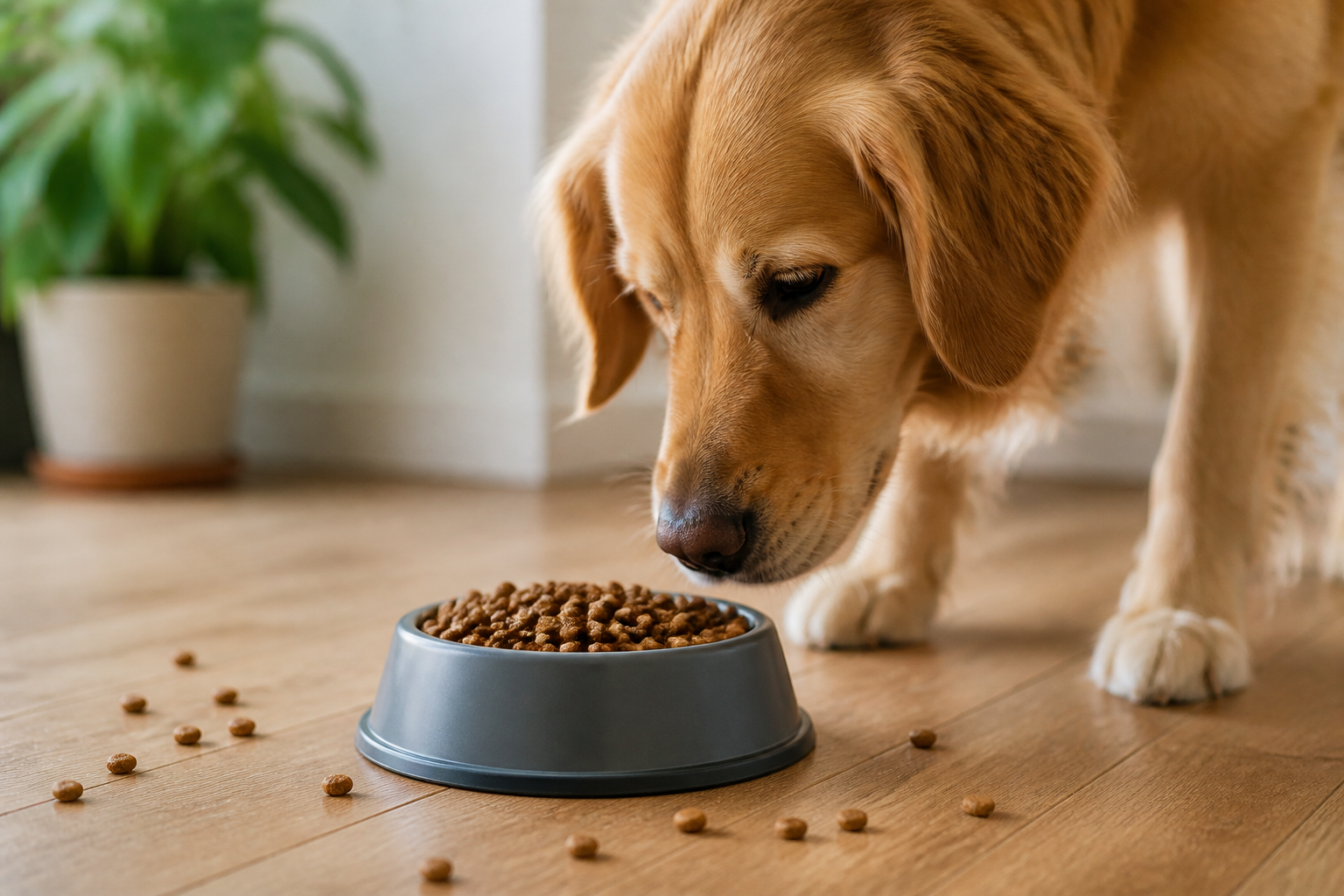
You turn your back for a moment to answer the door or check the oven. When you return, you find your dog head-first in the cat’s bowl, vacuuming up every last piece of dry kibble. This scenario is a daily reality for many multi-pet households in the US. At BaxterBoo, we hear from worried owners wondering if a stolen meal will lead to a late-night vet visit. If you want to browse balanced options for your pup, start with our dog food category. While a few bites usually won't cause an emergency, using cat food as a meal replacement is a different story. This post explores why dogs crave cat kibble, the biological differences between the species, and the health risks of making it a habit. We will also look at how to protect your cat's dinner from a hungry canine. Dry cat food is safe for an occasional snack, but it lacks the balance a dog needs for long-term health.
Quick Answer: Yes, it is technically safe for a healthy dog to eat a small amount of dry cat food. However, it is not recommended as a regular diet because it contains too much protein and fat for dogs. Frequent consumption can lead to obesity, gastrointestinal upset, or serious conditions like pancreatitis.
Why Dogs Find Cat Food Irresistible
Dogs are scavengers by nature and often view the cat’s bowl as a high-value prize. The primary reason for this attraction is the scent and flavor profile of cat food. Because cats are strict carnivores, their food is packed with animal tissues, fats, and proteins. If you’re comparing formulas on the feline side, our cat food category is a helpful place to start. These ingredients create a strong, meaty aroma that most dogs find much more appealing than their own balanced kibble.
The texture of dry cat food also plays a role. Many cats prefer smaller, energy-dense kibble. For a dog, these small pieces are like tiny, flavor-packed treats. If your dog is a picky eater, they might ignore their own bowl while begging for what the cat is eating. This preference does not mean the food is better for them. It simply means the high fat content is hitting the right reward centers in their brain.
Understanding Biological Differences
To understand why sharing food is a bad idea, we have to look at how cats and dogs process nutrients. Dogs are omnivores. Their ancestors evolved to eat a mix of animal prey and plant matter. This means a dog’s body is designed to extract nutrition from grains, vegetables, and meats. Their digestive tracts are longer, allowing them to break down carbohydrates effectively.
Cats are obligate carnivores. This means they must eat meat to survive. Their bodies cannot synthesize certain amino acids or vitamins from plant sources. Because of this, cat food is formulated with a much higher concentration of animal-based ingredients. If you’re looking for a dog food brand that reflects these high-protein preferences, our selection of Orijen products is a relevant comparison. A dog eating this diet is essentially getting a concentrated dose of nutrients that their body is not equipped to handle in large volumes.
Metabolic Pathways
A dog’s liver and kidneys are tuned for a specific protein-to-calorie ratio. When a dog consumes a diet designed for a cat, their metabolic system has to work overtime. The excess protein must be filtered by the kidneys. While a healthy young dog might handle this occasionally, it puts unnecessary strain on the organs of senior dogs or those with underlying health issues.
Nutritional Gaps and Excesses
Pet food manufacturers follow guidelines from the Association of American Feed Control Officials (AAFCO). These standards ensure that "complete and balanced" food meets the specific needs of the animal on the label. When you look at the nutrient profiles, the differences are striking. For a brand page built around breed- and life-stage-specific nutrition, our selection of Royal Canin products is a useful example.
| Nutrient | Dog Food Minimum (Adult) | Cat Food Minimum (Adult) |
|---|---|---|
| Crude Protein | 18% | 26% |
| Crude Fat | 5.5% | 9% |
| Taurine | Not required | 0.1% |
| Vitamin A | 5,000 IU/kg | 3,332 IU/kg |
The Problem with High Protein
Most dry cat foods on the market actually exceed the 26% minimum, often reaching 30% to 45% protein. For a dog, this is often "too much of a good thing." High protein intake without a specific medical reason can lead to weight gain. It also changes the pH of a dog's urine, which might contribute to the formation of bladder stones over time.
Excess Fat and Pancreatitis
Fat is the most calorie-dense nutrient. Cat food is significantly higher in fat to meet the feline energy requirement. For dogs, especially breeds like Schnauzers or Cocker Spaniels, a sudden influx of fat can trigger pancreatitis. This is a painful inflammation of the pancreas that requires immediate veterinary care.
Key Takeaway: Dogs and cats have fundamentally different nutritional requirements based on their evolutionary history. While cat food meets the high-protein and high-fat needs of a carnivore, it provides an unbalanced and potentially dangerous nutrient profile for an omnivorous dog.
Short-Term Health Risks of Cat Food
If your dog steals a few bites, the most common result is "garbage gut," also known as dietary indiscretion. This is essentially a mild form of food poisoning or stomach upset. Because cat food is so rich, it can irritate the lining of the dog’s stomach and intestines.
Common Symptoms
- Vomiting: This usually happens shortly after the dog eats the rich food.
- Diarrhea: This can occur hours or even a day later as the fat passes through the system.
- Flatulence: The high protein levels can lead to some very smelly gas.
- Lack of Appetite: Ironically, after eating the "better" food, a dog might refuse their own meal due to a stomach ache.
Most cases of mild GI upset resolve within 24 to 48 hours. However, if your dog is lethargic or the vomiting is persistent, you should contact a professional. If your dog needs prescription support, our pet pharmacy is where you can learn more about medication and healthcare options.
Vet Tip: If your dog has managed to eat a large amount of dry cat food, monitor them closely for a hunched back or abdominal pain. These can be early signs of pancreatitis. If your dog seems in distress, skip the next meal to let the digestive system rest and call your vet for guidance.
Long-Term Hazards for Dogs
The real danger comes when a dog regularly snacks on cat food over weeks or months. This habit can lead to chronic health conditions that are difficult to manage.
Obesity
Because cat food is calorie-dense, a dog eating it will consume far more calories than they realize. This leads to rapid weight gain. Obesity in dogs is linked to joint pain, heart disease, and a shortened lifespan. If your dog is already overweight, even small amounts of cat kibble can sabotage their weight loss plan.
Kidney and Liver Strain
Processing high levels of protein creates nitrogenous waste. The kidneys are responsible for filtering this waste out of the blood. Over time, a high-protein diet designed for cats can put a heavy workload on a dog’s kidneys. For dogs with early-stage kidney disease, which often goes undiagnosed in senior pets, this can accelerate organ failure.
Vitamin A Toxicity
Cats require higher levels of pre-formed Vitamin A. Dogs can convert beta-carotene from plants into Vitamin A, but cats cannot. Therefore, cat food is heavily supplemented with Vitamin A. If a dog consumes too much for too long, they can develop Vitamin A toxicity. This can cause joint pain, skin issues, and even bone tremors.
Bottom line: Regular consumption of cat food leads to nutritional imbalances that can cause obesity and long-term damage to vital organs.
Managing a Multi-Pet Household
Preventing your dog from eating the cat’s food is the best way to avoid these health issues. It requires a combination of management and environmental changes. We have been helping pet owners solve these household hurdles since 2006.
Strategic Feeding Locations
The most effective way to stop a dog is to put the cat's food where the dog cannot reach it. Since cats are naturally agile and enjoy high spaces, use that to your advantage.
- Countertops or Tables: If your cat is healthy and mobile, feed them on a surface the dog cannot jump onto.
- Laundry Room Barriers: Use a baby gate with a small "cat door" built in. This allows the cat through to a private feeding area while blocking even medium-sized dogs.
- Cat Trees: Some large cat trees have flat platforms perfect for a food bowl.
High-Tech Solutions
If you have a dog that is determined to climb or jump, consider a microchip-activated feeder. these bowls only open when they detect the specific microchip or RFID tag of your cat. When the cat walks away, the lid closes, locking the food away from the dog. This is particularly useful if your cat likes to "graze" throughout the day rather than eating in one sitting.
Scheduled Mealtimes
Free-feeding (leaving food out all day) is the easiest way for a dog to steal snacks. Switching to scheduled mealtimes can eliminate the opportunity. If you’re planning other routine changes, How to Switch From Dry to Wet Dog Food is a useful related read. Give your cat 20 minutes to eat in a separate room, then pick up the bowl. This also helps you monitor exactly how much your cat is eating, which is important for their own health.
Note: If you are transitioning your pets to a new feeding schedule, do it gradually over a week to prevent stress and vocalizing, especially from the cat.
Transitioning a Dog Back to Their Own Food
If your dog has become a "cat food junkie," they might turn their nose up at their own kibble. You need to break the habit firmly but safely. Do not give in to the begging. A healthy dog will not starve themselves, but they will hold out for the "tastier" option if they think you will provide it.
Step 1: Eliminate all access to cat food. / Ensure there are no stray pieces on the floor and the cat's bowl is completely out of reach. Step 2: Offer their regular dog food. / Set the bowl down for 15 minutes. If they do not eat, pick it up and do not offer treats or toppers. Step 3: Re-offer the food at the next scheduled time. / Most dogs will eventually eat their own food once they realize the cat food "buffet" is closed. Step 4: Enhance their own food safely. / If they still refuse, add a small amount of warm water or a low-sodium broth made specifically for dogs to increase the aroma of their own kibble.
When to Consult Your Veterinarian
If your dog's interest in cat food is driven by a sudden refusal to eat their own food, there might be an underlying medical issue. Dental pain, nausea, or metabolic changes can make a dog seek out different textures or smells.
If your dog manages to eat an entire bag of cat food or several cans of wet food at once, call your vet immediately. They may need to induce vomiting or provide supportive care to prevent a severe bout of pancreatitis.
For dogs with chronic conditions like kidney disease or food allergies, even a small amount of cat food can be a setback. In these cases, your vet may recommend a prescription diet. Our pharmacy through Pet's Choice carries many of these therapeutic foods, including brands like Farmina Vet Life and Royal Canin. These diets are specifically formulated to manage health conditions while providing balanced nutrition.
Key Takeaway: Persistent interest in cat food combined with a refusal of dog food warrants a vet visit to rule out dental issues or digestive disorders.
Why Quality Dog Food Matters
A high-quality dog food should be so satisfying that your dog isn't constantly looking for a replacement. At BaxterBoo, we carry over 500 trusted brands like Orijen, Acana, and Stella and Chewy's. These brands focus on high-quality animal proteins that mimic the "meaty" appeal of cat food but maintain the correct vitamin and mineral balance for dogs. If you want another angle on choosing the right formula, Is Dry Food Enough for Dogs? Choosing the Best Nutrition is a helpful companion post.
If your dog seems constantly hungry, look for foods with higher fiber content or whole-food ingredients like those found in The Honest Kitchen or Open Farm. These can help your dog feel full longer. Providing healthy, dog-specific treats like those from Greenies or Zesty Paws can also satisfy the urge for a snack without the risks associated with cat kibble.
Summary of Feeding Safety
Keeping your pets on their respective diets is about more than just house rules. It is about biological compatibility.
- Occasional Snacking: A few kibbles won't hurt most healthy adult dogs.
- Meal Replacement: Never use cat food as a long-term substitute for dog food.
- High-Risk Dogs: Seniors and those with history of pancreatitis should never have cat food.
- Environment: Use elevation and barriers to keep bowls separate.
Managing the Household Dynamics
Living with both cats and dogs is rewarding, but it does require some extra logistics. Beyond the bowl, ensure your dog is getting enough mental stimulation. Often, "counter surfing" or stealing food is a sign of boredom. Use interactive toys from Kong or puzzles to keep their minds busy while the cat is eating.
If you find that your dog is suffering from anxiety or stress during mealtimes, we offer a range of calming supplements and tools in our Anxiety and Calming section. A relaxed dog is much less likely to obsess over the cat's dinner.
Our MVP Rewards program can help you save on the specialty dog foods and barriers you need to keep your home running smoothly. If you’re looking for a simple way to keep recurring purchases affordable, our Autoship programme is another smart option. By earning points on every purchase, you can invest in better quality nutrition that keeps your dog's nose out of the cat's bowl for good. If you want to stretch your budget even further, the MVP Rewards programme helps turn regular shopping into future savings.
Bottom line: Protecting your dog from the nutritional imbalances of cat food is a vital part of proactive pet parenting.
Conclusion
While the occasional stolen piece of dry cat food is rarely a cause for panic, it is never a safe long-term diet for your dog. The high fat and protein levels that keep your cat healthy can lead to obesity and organ strain in your canine companion. By using simple management tools like elevated feeders and scheduled mealtimes, you can ensure both pets get the specific nutrition they need. If your dog has managed a significant "heist" or shows signs of illness, always contact your veterinarian for advice. You can find everything from high-quality dog kibble to prescription medications at the BaxterBoo pharmacy to keep your multi-pet home healthy and happy.
- Cat food is too high in protein and fat for a dog's daily needs.
- Dogs are omnivores; cats are obligate carnivores.
- Long-term risks include obesity, pancreatitis, and kidney issues.
- Manage the home with baby gates, elevated bowls, or microchip feeders.
Key Takeaway: Respect the biological boundaries of your pets by keeping their food bowls separate and species-specific.
FAQ
Can one bowl of cat food kill a dog? For most healthy dogs, eating one bowl of cat food will not be fatal, but it may cause significant vomiting or diarrhea. The biggest risk from a single large meal is acute pancreatitis, which is a medical emergency characterized by severe abdominal pain and persistent vomiting. If your dog has a history of fat sensitivity or existing health issues, contact your vet immediately after a large ingestion.
Why does my dog prefer cat food over his own? Dogs are attracted to the high fat and protein content in cat food, which gives it a much stronger and more enticing aroma than standard dog kibble. Because cats are carnivores, their food is formulated to be highly palatable with meat-based ingredients. To your dog, the cat's meal smells like a bowl of concentrated treats.
What should I do if my dog ate a lot of cat food? If your dog consumed a large amount, monitor them for signs of distress like bloating, lethargy, or repeated vomiting. You may want to skip their next scheduled meal to give their digestive tract time to settle. If they show signs of pain or if the vomiting doesn't stop, see a veterinarian right away.
Is wet cat food worse for dogs than dry cat food? Both wet and dry cat foods are equally unbalanced for dogs because they both share the same high-protein, high-fat profile. Wet cat food may be even more enticing to dogs due to its moisture and strong smell, but the risks of GI upset and nutritional imbalance remain the same. Stick to wet dog food toppers if you want to add moisture to your dog's meal safely.






