
 Save 15% on your 1st Autoship learn more

 Email us
 Live Chat
 FAQs
FAQs





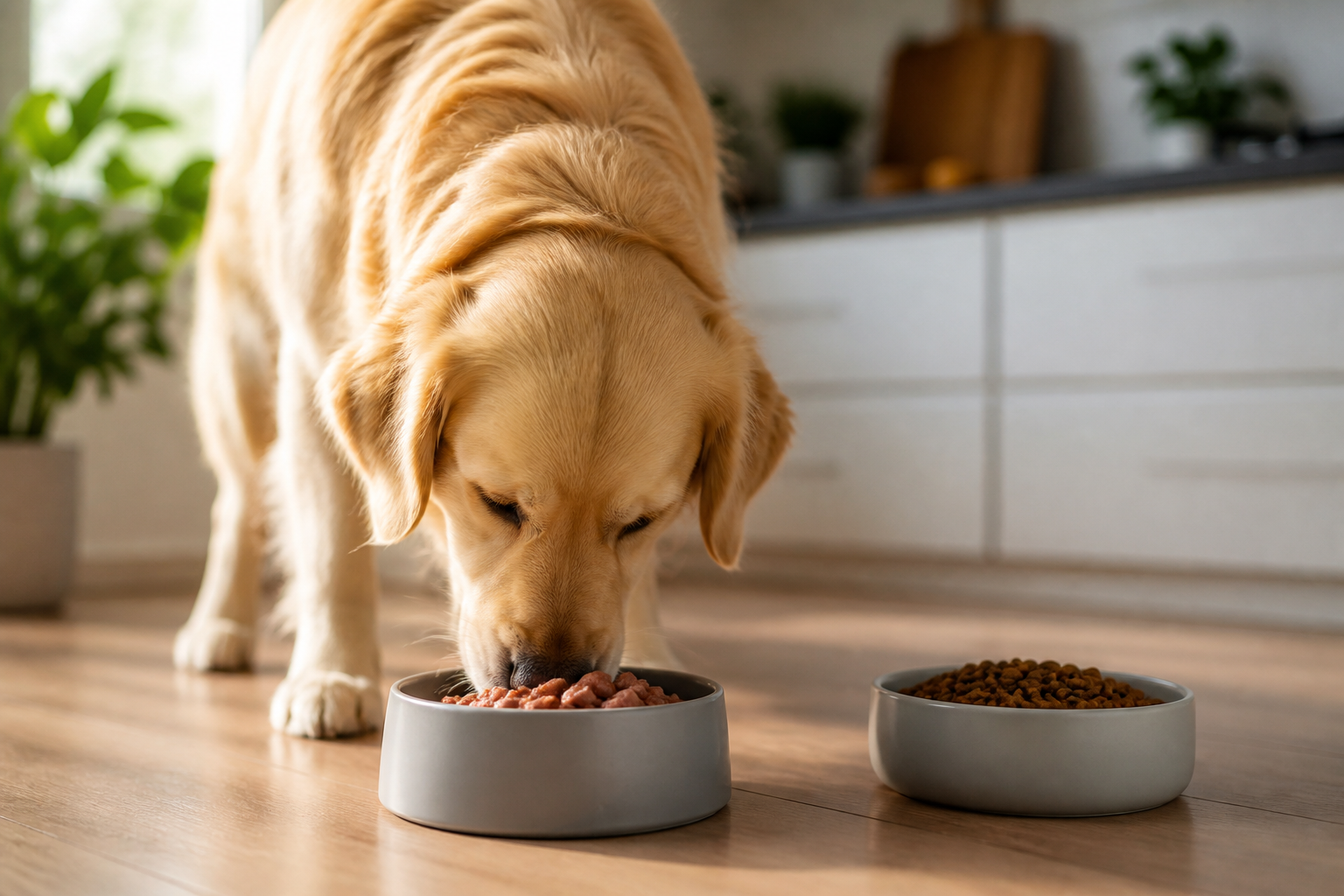
Introduction
You are standing in a crowded pet food aisle. In one hand, you have a heavy bag of crunchy kibble that promises convenience and dental health. In the other, you hold a savory can of beef stew that looks exactly like a gourmet meal. It is a common moment of indecision for every pet owner. At BaxterBoo, we know that you want to provide the best possible nutrition for your dog while keeping your daily routine manageable. This guide explores the core differences between canned and dry diets. We will look at moisture levels, palatability, cost, and specific health benefits for different life stages, and you can start by browsing our dog food category. Both types of food can provide complete and balanced nutrition. The better choice depends entirely on your dog's age, health status, and personal preferences.
The Foundation of Dog Nutrition
Before choosing a texture, you must understand that both wet and dry foods are designed to be complete and balanced. Most commercial dog foods meet standards set by the Association of American Feed Control Officials (AAFCO). This means they contain the essential vitamins, minerals, and proteins your dog needs to thrive. The primary difference is not necessarily in the quality of the ingredients. Instead, the difference lies in how the food is processed and the final moisture content.
Dry dog food, or kibble, goes through a process called extrusion. Manufacturers mix the ingredients into a dough. They cook this dough under pressure and push it through small holes to create specific shapes. The pieces are then dried to remove moisture. This leaves a product that is calorie dense and easy to store.
Wet dog food starts with ground protein sources mixed with a gravy or jelly. This mixture is fortified with vitamins and grains. It is then sealed in cans or pouches and sterilized. This high heat process ensures the food is safe but keeps the moisture levels high. Typically, wet food contains between 75 and 80 percent moisture. Kibble usually contains only 10 percent.
Quick Answer: Neither food is universally better than the other. Wet food offers superior hydration and aroma for picky eaters. Dry food is more cost effective and convenient for free feeding and dental support.
The Hydration Advantage of Wet Food
One of the biggest arguments for wet food is the moisture content. Water is a critical nutrient for every biological function. It helps with digestion, temperature regulation, and joint lubrication. If your dog does not visit the water bowl often, wet food can bridge the gap.
Some dogs have medical conditions that require high water intake. Dogs with a history of urinary crystals or kidney disease often do better on a wet diet. The extra fluid helps flush the urinary system and reduces the strain on the kidneys. If your dog is managing a chronic health condition, you may need specific prescription diets. Our pet pharmacy makes it easier to find prescription options for those needs.
Wet food is also helpful for weight management. Because it is mostly water, it has a lower caloric density. This means your dog can eat a larger volume of food without consuming too many calories. This helps them feel full and satisfied, which is great for dogs that always seem hungry.
Vet Tip: If your dog has a history of urinary or kidney issues, consult your veterinarian before changing their diet. They can help you determine if a high moisture prescription food is the right choice for your pet's specific condition.
The Practical Benefits of Dry Kibble
Dry food remains the most popular choice for many American households. The main reason is convenience. You can measure out a portion in seconds. It does not require refrigeration after you open the bag. For dogs that prefer to graze on their food throughout the day, kibble is the only safe option. It can sit in a bowl for hours without spoiling or attracting pests.
Kibble is also much easier on your budget. When you buy a large bag of dry food, you are paying for concentrated nutrients rather than water. This makes it the most economical choice for multi-pet households or owners of large breed dogs. It is also easier to store. You can keep a large container in a pantry or closet for weeks.
Many owners choose kibble for the perceived dental benefits. The mechanical action of chewing a hard biscuit can help scrape away a small amount of plaque. While it is not a substitute for regular teeth brushing, it provides more oral stimulation than soft canned food.
Benefits of Kibble for Enrichment
- Works perfectly in automatic feeders for consistent meal times.
- Easy to use in puzzle toys and snuffle mats to keep your dog mentally sharp.
- Makes an excellent low-calorie training treat.
- Does not leave a mess on the floor or in the dog's beard.
Understanding Palatability and Picky Eaters
If you have a dog that turns their nose up at every meal, wet food is often the solution. Canned food has a much stronger aroma than dry kibble. Dogs have an incredible sense of smell. The rich, meaty scent of a freshly opened can is often enough to stimulate a lagging appetite. This is especially useful for sick dogs or those recovering from surgery.
The texture of wet food is also a factor. It is soft and easy to chew. This is a major benefit for senior dogs with missing teeth or painful gums. It is also great for young puppies that are just transitioning from milk to solid food. If your dog finds dry kibble too difficult to manage, they may stop eating enough to maintain their weight.
Key Takeaway: Wet food wins on taste and texture for most dogs. It is the gold standard for enticing picky eaters and providing comfort for dogs with dental sensitivities.
Comparing the Cost and Shelf Life
The financial difference between these two food types is significant. Canned food is almost always more expensive per serving. You are paying for the packaging of individual cans and the weight of the water inside. For a large dog, feeding an exclusively wet diet can become quite costly.
Shelf life also varies between the two. Unopened, both can last for a long time. Once you open a bag of kibble, it stays fresh for about four to six weeks if stored in a cool, dry place. Once you open a can of wet food, the clock starts ticking. You must refrigerate any leftovers and use them within three days. If your dog does not finish their wet food within 30 minutes of it being served, you should throw it away to prevent bacterial growth.
The Best of Both Worlds: Mixing Wet and Dry
You do not have to choose just one. Many pet owners find that a hybrid approach works best. Our team at BaxterBoo often suggests mixing a small amount of wet food into a base of dry kibble. This is often called "topping." It provides the aroma and hydration of wet food with the cost savings and dental benefits of dry food.
Mixing can also prevent "food boredom." You can vary the flavors of the wet toppers while keeping the main kibble consistent. This keeps mealtime exciting for your dog without upsetting their digestive system with total diet changes.
Step 1: Consult your vet. / Ask them to calculate your dog's daily caloric needs so you do not overfeed. Step 2: Measure the dry base. / Use a standard measuring cup to ensure accuracy. Step 3: Add the wet topper. / Reduce the amount of kibble slightly to account for the calories in the wet food. Step 4: Mix thoroughly. / Ensure the wet food coats the kibble to encourage your dog to eat the whole meal.
Bottom line: Mixing wet and dry food provides a balanced compromise between cost, convenience, and palatability.
Transitioning Your Dog to a New Food
If you decide to switch from one type to another, you must go slowly. A sudden change in diet is the fastest way to cause an upset stomach or diarrhea. Your dog's digestive system needs time to adjust to the new nutrient profile and texture.
The standard transition period is seven to ten days. Start by adding a very small amount of the new food to the old food. Gradually increase the ratio of new to old every two days. Watch your dog's stool consistency and energy levels during this time. If they show signs of gas or loose stools, slow down the transition.
For more guidance, see how to switch from dry to wet dog food.
The 10-Day Transition Schedule
- Days 1-3: 25% new food, 75% old food.
- Days 4-6: 50% new food, 50% old food.
- Days 7-9: 75% new food, 25% old food.
- Day 10: 100% new food.
Special Considerations for Life Stages
Your dog's nutritional needs change as they grow. Puppies need a lot of energy and specific minerals for bone growth. Small breed puppies often have tiny mouths. They may find large kibble difficult to eat. Wet puppy food can be a great starter, or you can soften kibble with warm water.
Senior dogs face different challenges. Many seniors develop a decreased sense of smell and taste. They may also have stiff joints that make leaning over a bowl difficult. Wet food is often better for seniors because it is more aromatic and easier to hydrate. If your senior dog is on medication for chronic pain or heart health, wet food is a perfect vehicle for hiding pills. Our dog healthcare collection can also help with related wellness needs.
Key Takeaway: Match the texture to the life stage. Soft food helps puppies transition and seniors maintain their appetite, while kibble provides energy for active adults.
Storage Tips for Maximum Freshness
How you store the food is just as important as the food you buy. For dry food, keep it in the original bag. These bags are designed to protect the fat and oils from going rancid. Place the entire bag inside an airtight container. This provides a double barrier against air and pests. Always squeeze the extra air out of the bag before sealing it.
For wet food, invest in a reusable silicone lid. These lids create a tight seal on the can and keep the food from drying out in the fridge. Never leave an open can on the counter. If your dog is a slow eater, consider buying smaller cans or pouches. This ensures the food is always fresh and reduces waste.
If convenience matters most, our Autoship programme can help you stay stocked on the foods you already use.
When to Consult Your Veterinarian
While most healthy dogs can thrive on either type of food, some situations require professional advice. If your dog has a sudden change in appetite, do not just try to entice them with wet food. A loss of appetite can be a sign of dental disease, digestive issues, or more serious underlying conditions.
Your vet can help you choose a diet that targets specific health goals. This might include weight loss, joint support, or skin health. They can also tell you if your dog needs a prescription diet. BaxterBoo makes it easy to manage these health needs through our partnership for prescription orders.
Vet Tip: Always bring a photo of your dog's current food label to your annual checkup. This helps your vet evaluate their calorie intake and nutrient balance accurately.
Summary of the Pros and Cons
| Feature | Wet Dog Food | Dry Dog Food |
|---|---|---|
| Moisture | High (75-80%) | Low (10%) |
| Palatability | Very High | Moderate |
| Cost | Higher | Lower |
| Storage | Refrigerate after opening | Pantry stable |
| Dental | Minimal benefit | Mechanical cleaning |
| Best For | Picky eaters, seniors, hydration | Grazers, budget-conscious owners |
Bottom line: Choose wet food for hydration and taste, or choose dry food for value and convenience.
Making the Final Decision
There is no single "right" answer to whether wet or dry food is better. The best food is the one that your dog enjoys, fits your budget, and keeps your pet at a healthy weight. Many owners find that a combination of both provides the most flexibility.
Pay attention to your dog's cues. If they are leaving kibble in the bowl but devouring wet treats, they might prefer a softer diet. If they have a shiny coat, bright eyes, and plenty of energy, your current choice is likely working well. Visit our dry dog food collection to explore high-quality options in both categories, and remember that the MVP Rewards programme can add extra value to everyday purchases.
FAQ
Can I feed my dog only wet food?
Yes, you can feed a dog only wet food as long as the product is labeled as "complete and balanced." Canned food provides all the necessary nutrients and offers the added benefit of extra hydration. However, you must be diligent about dental care, as wet food does not provide the same mechanical cleaning as kibble.
Is it cheaper to feed dry food than wet food?
Generally, dry food is significantly more cost effective. It has a higher caloric density, meaning you need to feed a smaller volume to meet your dog's energy needs. You also save money on packaging and shipping because you are not paying for the weight of water found in canned options.
Does dry food really clean a dog's teeth?
Dry food can help reduce plaque buildup through the physical act of chewing, but it is not a cure for dental disease. Some specific dental diets are formulated with larger, fibrous kibble designed to scrub the tooth surface. However, regular brushing and professional cleanings are still the most effective ways to maintain oral health.
How long can I leave wet food in the bowl?
You should not leave wet food out for more than 30 to 60 minutes. Because of its high moisture and protein content, it can quickly become a breeding ground for bacteria at room temperature. If your dog does not finish their meal within this timeframe, it is safest to discard the leftovers and wash the bowl.






