
 Save 15% on your 1st Autoship learn more

 Email us
 Live Chat
 FAQs





Introduction
There is a specific kind of worry that hits when you are petting your sleek black cat and notice a flurry of white flakes against their dark fur. It often looks like a miniature snowstorm has settled on their lower back or near the base of the tail. While these flakes are common, they are also a clear signal from your cat that their skin needs a little extra attention. At BaxterBoo, we talk to cat owners every day who are looking for ways to restore that deep, obsidian shine to their pet's coat. This post covers the most common causes of flaky skin in dark-coated cats and provides practical steps to clear it up. Understanding whether the issue is environmental, dietary, or medical is the first step toward helping your cat feel comfortable again.
The High Contrast of Black Cat Dandruff
Dandruff is simply the visible accumulation of dead skin cells that have shed from the top layer of the skin. While all cats naturally shed skin cells, the process is usually subtle enough that you do not notice it. On a white or cream-colored cat, these tiny white specks blend in perfectly with the fur. On a black cat, every single flake stands out. This high contrast often makes the problem look much more severe than it actually is.
It is important to remember that having a black cat does not make them more prone to skin issues. The dark pigment of their fur just acts as a perfect backdrop for showing off imperfections. If you see flakes, it does not necessarily mean your cat is ill. It does mean the rate of skin cell turnover has increased or your cat is not able to groom those flakes away effectively.
Quick Answer: Black cat dandruff consists of dead skin cells that are highly visible against dark fur. It is usually caused by dry air, a lack of omega fatty acids in the diet, or difficulty grooming due to age or weight.
Cat Skin & Coat Care









Dandruff vs. Dander vs. Flea Dirt
Before you start a treatment routine, you need to know exactly what you are looking at. Many owners confuse dandruff with other common coat issues.
Understanding Dander
Dander is different from dandruff. Dander consists of microscopic skin cells that all cats shed constantly. You cannot see dander with the naked eye. It is the protein found in dander that usually triggers allergies in humans. If you can see the flakes, you are looking at dandruff, not dander.
Identifying Flea Dirt
On a black cat, it is also easy to confuse dandruff with flea dirt. Flea dirt looks like tiny specks of black pepper on the skin. Since the cat's fur is already black, you might only notice it if the "pepper" falls off onto a white bedsheet. A simple test is to place the specks on a wet white paper towel. If they dissolve and turn a reddish-brown color, it is flea dirt, which is actually flea waste containing digested blood. If the specks stay white or gray, it is likely just skin flakes.
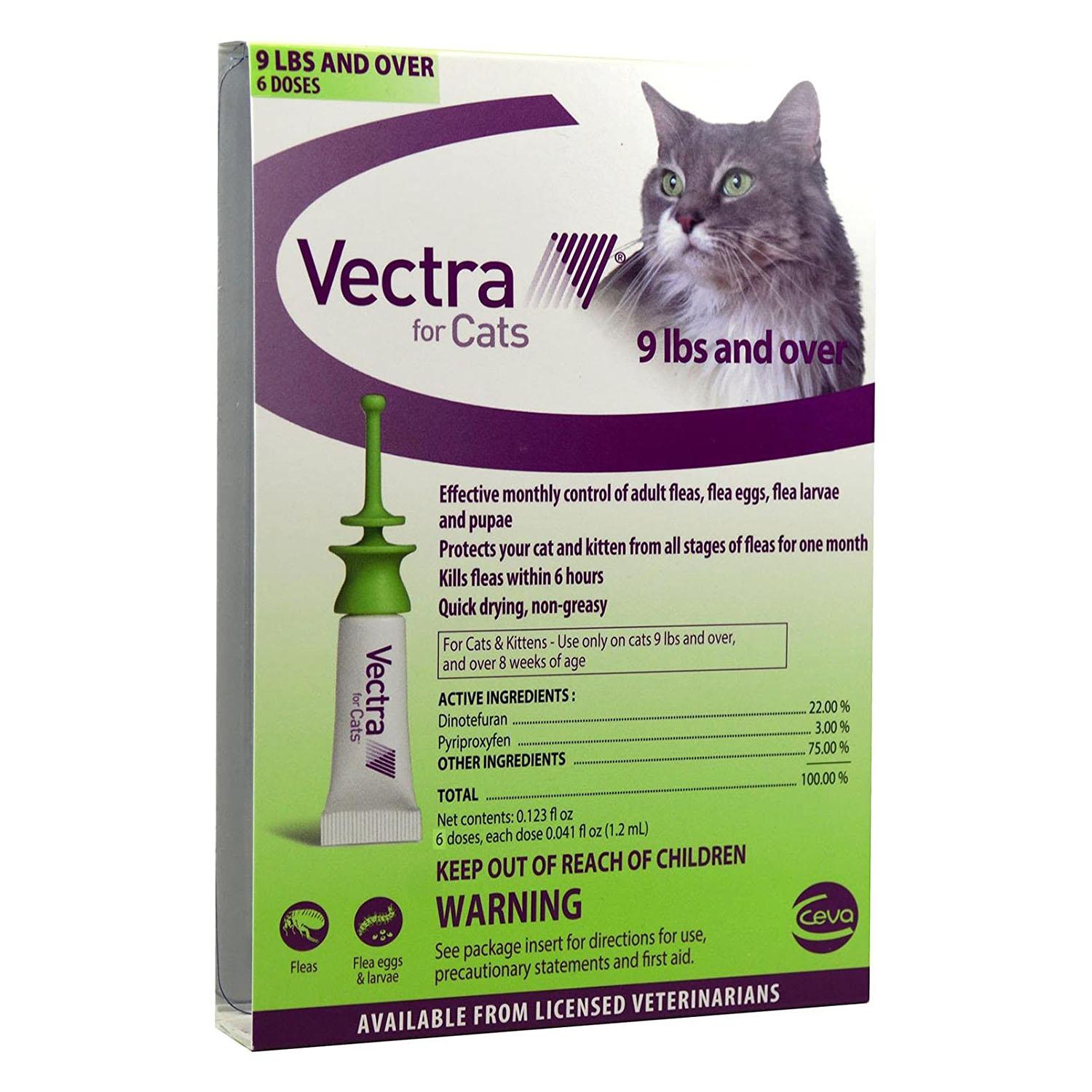
For additional guidance on parasite prevention, read about protecting pets from flea and tick problems.
Walking Dandruff
There is a specific parasite called Cheyletiella mites, often nicknamed "walking dandruff." These mites are large enough to be seen with the naked eye. If you look closely at the white flakes and they appear to be moving, your cat likely has a mite infestation. This requires a specific treatment from a veterinarian. Our cat pharmacy provides various parasite preventives that can address these issues through our partnership with Pet's Choice.
Bottom line: Visible white flakes are dandruff, while microscopic cells are dander and black specks are likely flea signs.
Common Environmental Causes
Often, the reason for flaky skin has nothing to do with the cat’s health and everything to do with the air around them.
Low Humidity and Indoor Heating
During the winter months, indoor heating systems strip the moisture out of the air. This dry environment pulls moisture from your cat's skin, leading to dehydration of the epidermis. When the skin becomes too dry, it loses its elasticity and begins to crack and flake. This is especially common in cats that spend a lot of time sleeping near heat vents or radiators.
Seasonal Shedding Cycles
Cats typically go through heavy shedding periods in the spring and autumn. During these times, the skin is working overtime to support new hair growth. The increased turnover of both fur and skin can lead to a temporary buildup of dandruff. If you notice flakes only during the change of seasons, it is likely a natural part of their shedding cycle.
Health and Lifestyle Factors
If the environment seems fine, the dandruff might be coming from internal factors or physical limitations.
The Impact of Obesity
One of the most frequent reasons we see for dandruff on a cat's lower back is weight. If a cat is overweight, they simply cannot reach certain parts of their body to groom. The base of the tail and the middle of the back are the hardest spots to reach. When a cat cannot lick these areas, the natural oils do not get distributed and dead skin cells build up. This often results in a "greasy" feel accompanied by heavy flaking.
For more guidance on this connection, see how to help an indoor cat lose weight.
Aging and Arthritis
Senior cats often develop dandruff as a result of mobility issues. Arthritis makes the twisting and contorting required for grooming very painful. If your older cat suddenly has a flaky coat, it might be a sign that they are experiencing joint discomfort. In these cases, the dandruff is a secondary symptom of a mobility problem.
Dietary Deficiencies
The skin is the largest organ of the body and it requires a significant amount of protein and fat to stay healthy. If a cat's diet is low in high-quality animal proteins or essential fatty acids, the skin is often the first place to show signs of neglect. Omega-3 and Omega-6 fatty acids are crucial for maintaining the moisture barrier of the skin. Without them, the skin becomes brittle and prone to shedding too quickly.
When Dandruff Signals a Medical Issue
Sometimes, those white flakes are a symptom of an underlying condition that needs professional diagnosis.
Fungal Infections
Ringworm is a common fungal infection that can cause localized dandruff. It usually appears as circular patches of hair loss with red, crusty, or flaky skin in the center. Ringworm is contagious to both other pets and humans, so it requires immediate attention.
Seborrhea
This is a medical condition where the sebaceous glands produce too much oil. It can present as "Seborrhea Sicca" (dry flakes) or "Seborrhea Oleosa" (oily flakes). You might notice a distinct "musty" smell coming from your cat's skin if they have the oily version. This condition often stems from hormonal imbalances or allergies.
Hyperthyroidism and Dental Disease
In older cats, an overactive thyroid can cause the coat to look unkempt, greasy, and flaky. Similarly, if a cat has a painful mouth due to dental disease, they will stop grooming entirely. The lack of saliva and tongue action on the fur leads to an immediate increase in visible dandruff.
Vet Tip: If your cat's dandruff is accompanied by hair loss, sores, or changes in thirst and appetite, please consult your veterinarian. These can be signs of metabolic issues like hyperthyroidism or skin infections that require prescription treatment.
Effective Remedies for Black Cat Dandruff
Clearing up dandruff usually involves a multi-pronged approach. You want to address the immediate flakes while also fixing the underlying cause.
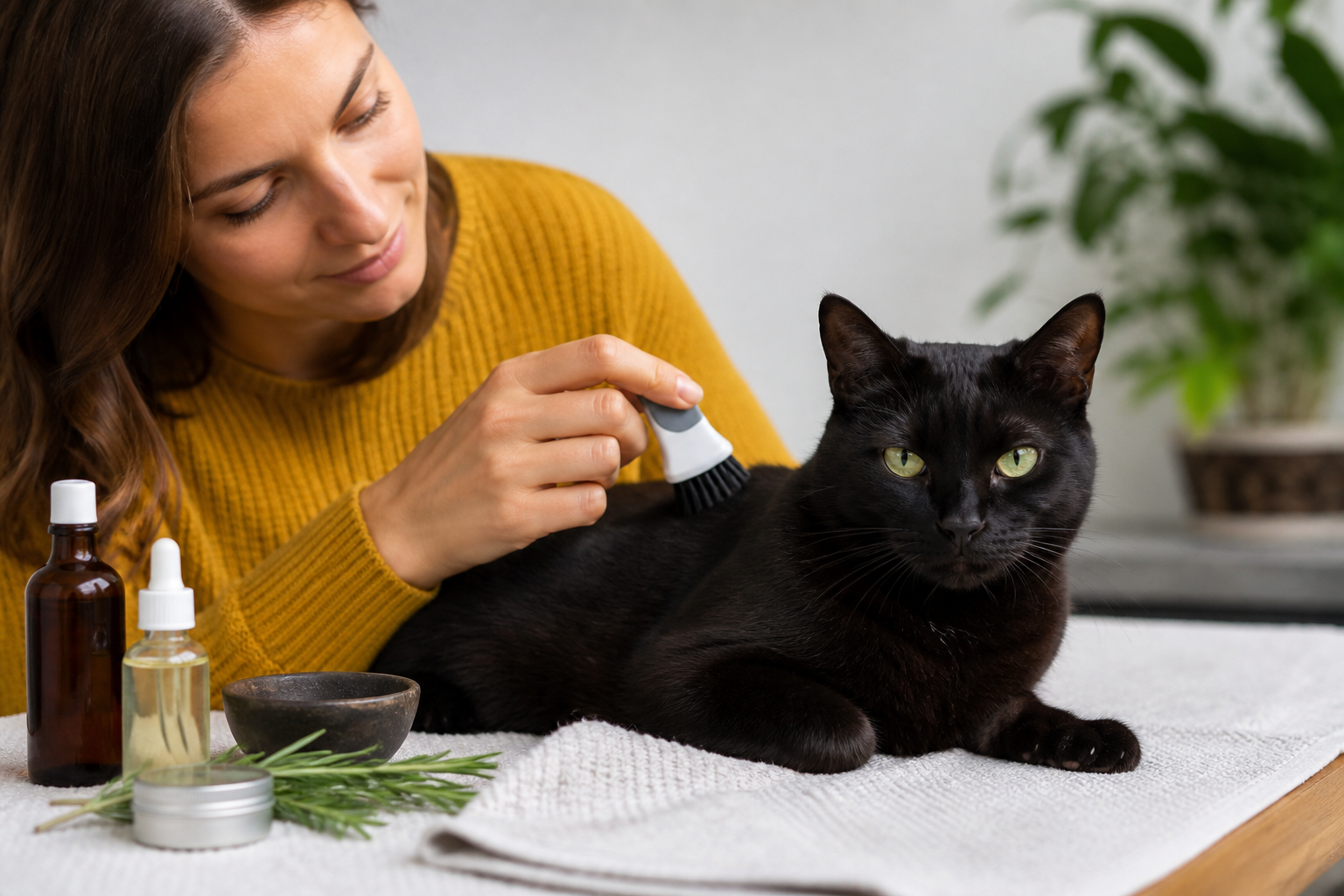
Brushing and Grooming Routine
The most immediate way to help your cat is to take over the grooming duties they are missing. Brushing moves the natural oils from the skin down the hair shaft and manually removes the dead skin cells. Explore our cat grooming supplies for brushes, combs, wipes, and other grooming tools.
Step 1: Choose a soft-bristled brush or a rubber grooming mitt. / Avoid harsh metal combs that might scratch already irritated skin.
Step 2: Start brushing in the areas your cat enjoys most. / This is usually the chin or the top of the head.
Step 3: Gradually move toward the lower back and tail base. / Use very gentle, short strokes to lift the flakes without pulling the fur.
Step 4: Wipe the coat down with a damp, fragrance-free cloth. / This removes the loosened flakes and gives the black fur an immediate shine.
Nutritional Support
Adding a supplement to your cat's routine can make a massive difference in their skin health. We carry several high-quality omega fatty acid supplements that are specifically formulated for feline skin and coat health. Look for products containing fish oil, as these are highly bioavailable for cats. It can take three to four weeks to see a change in the coat after starting a supplement, as the skin needs time to regenerate. Browse our cat skin and coat care products for supplements and other supportive options.
Improving the Environment
If dry air is the culprit, a humidifier is your best friend. Placing a small humidifier in the room where your cat sleeps most can prevent their skin from drying out overnight. Also, ensure your cat has multiple sources of fresh water. Dehydration shows up very quickly on the skin. Consider a pet fountain if your cat is a picky drinker, as moving water often encourages higher intake.
Key Takeaway: Managing black cat dandruff requires a combination of regular manual grooming, improved hydration, and a diet rich in omega fatty acids to support the skin's moisture barrier.
Should You Bathe a Cat with Dandruff?
In the warehouse, we are often asked if a bath is the quickest fix for dandruff. For most cats, the answer is no. Unless your cat has a specific medical condition like a fungal infection or a very greasy coat from seborrhea, a bath can actually make the problem worse. The soap and water can strip away the very oils the skin is trying to produce.
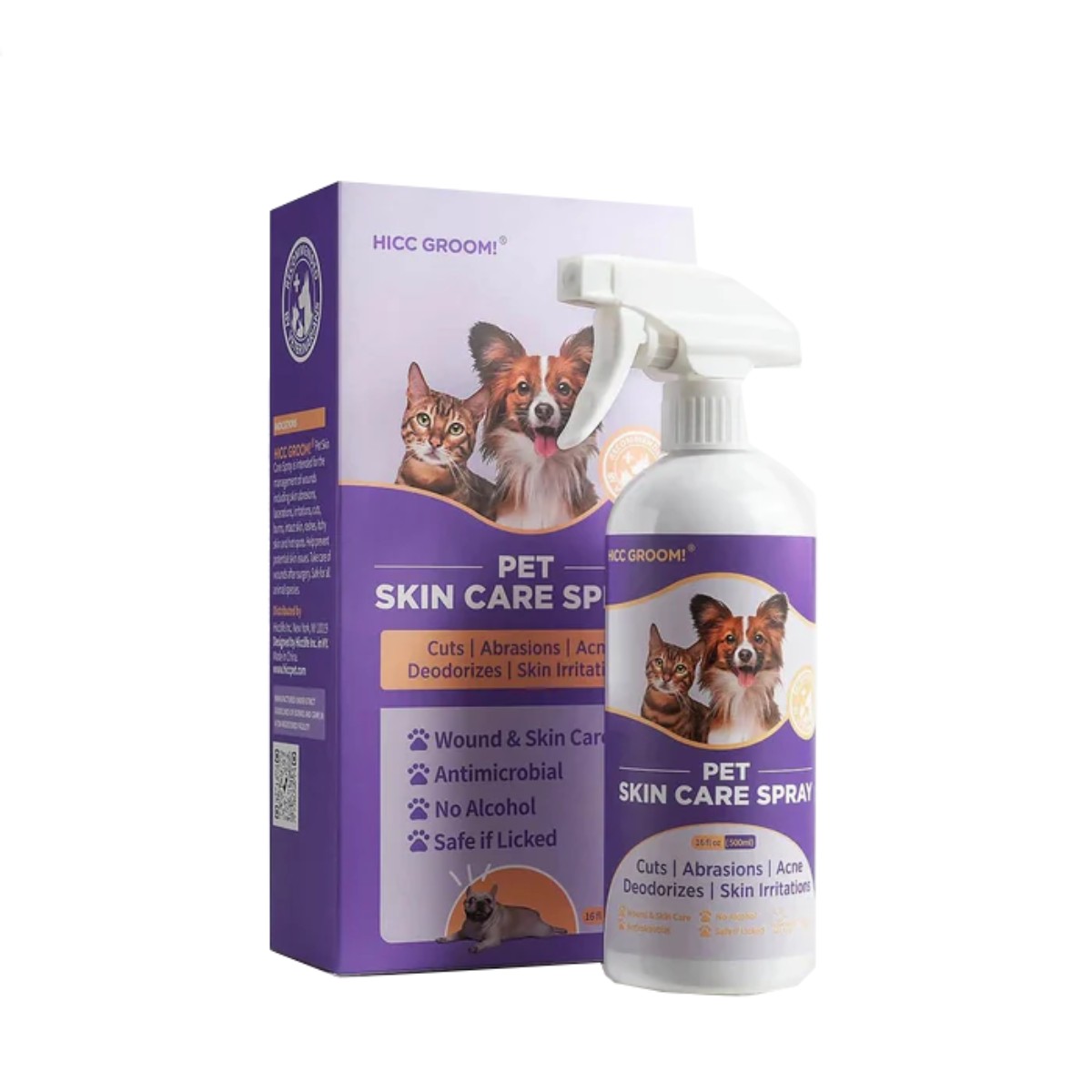
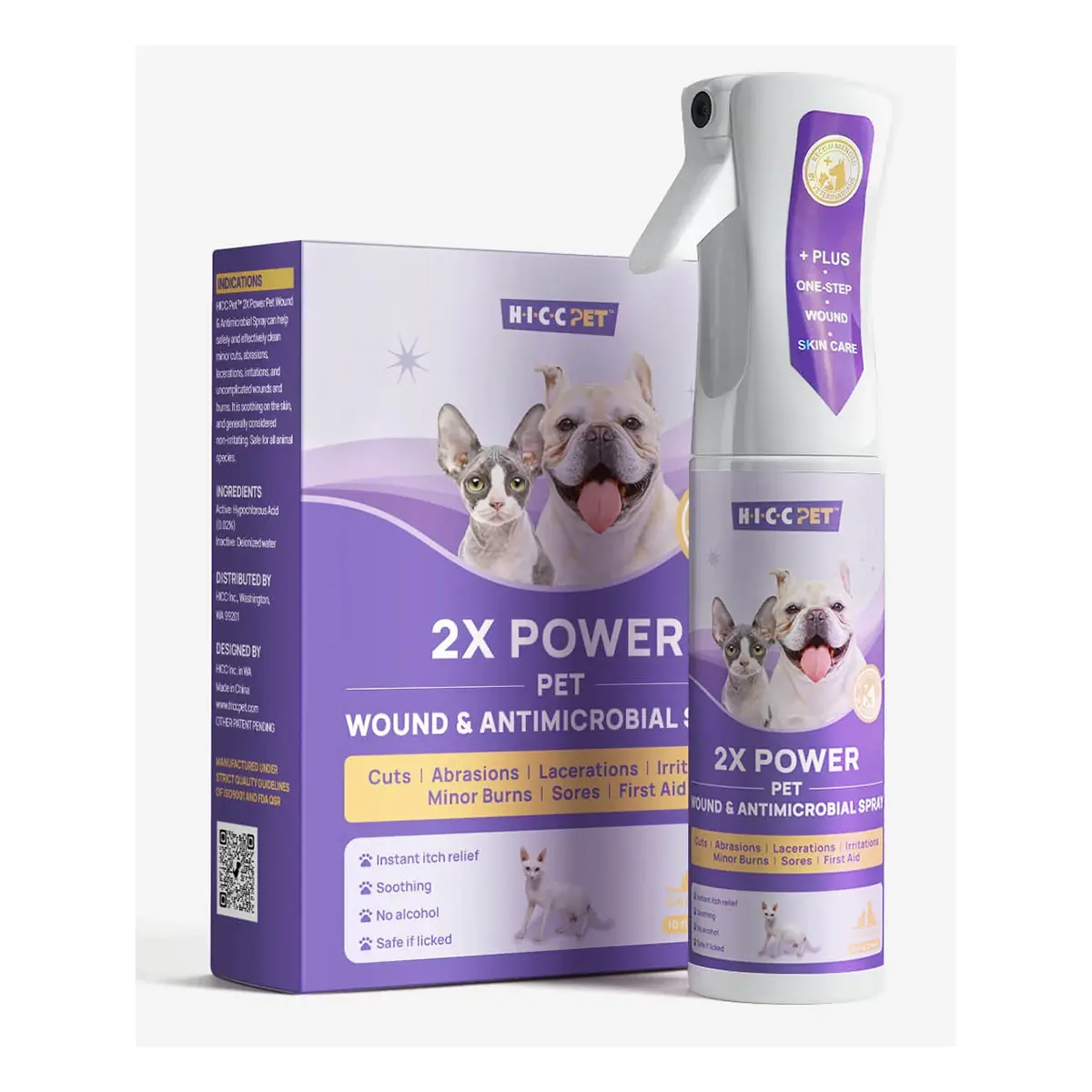
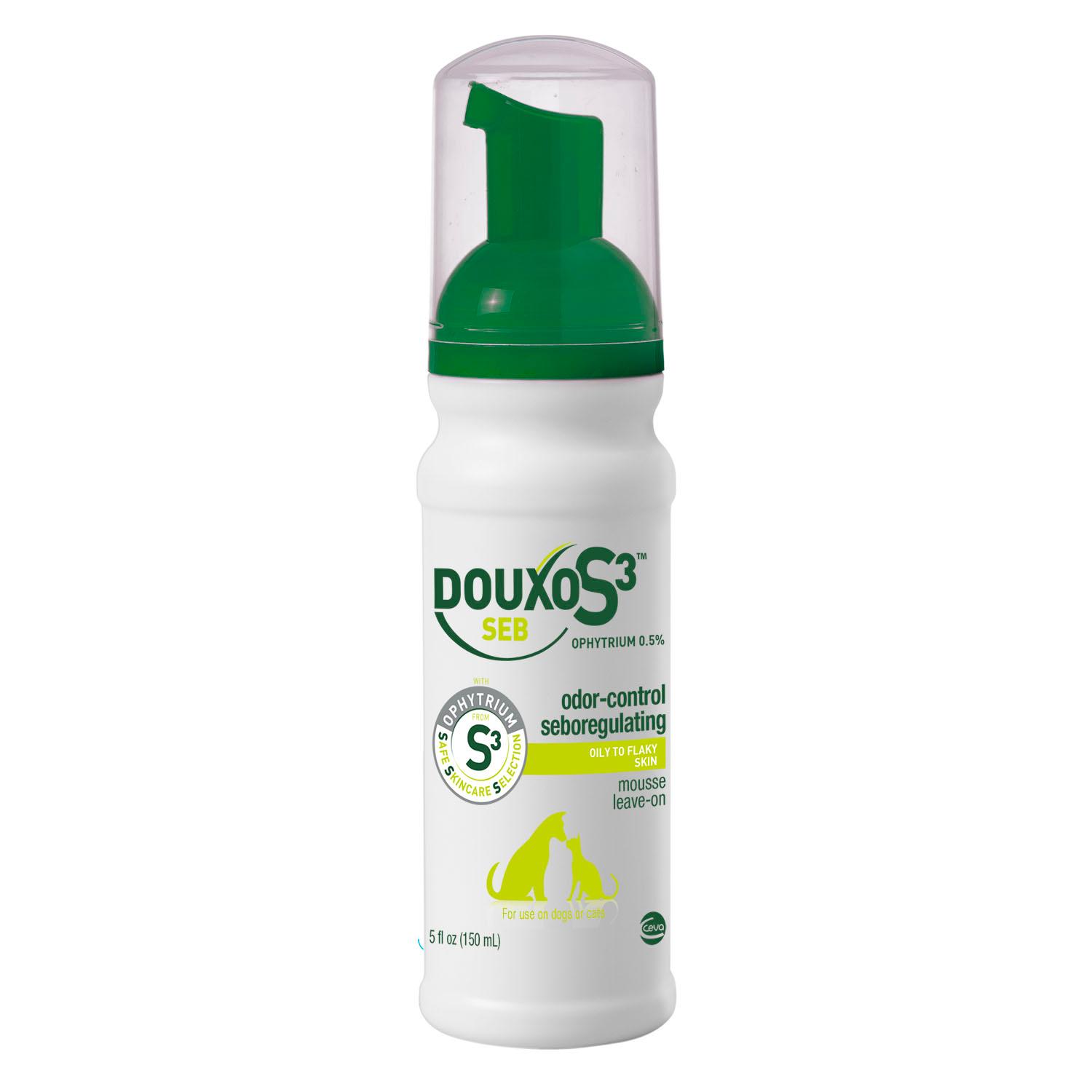
Furthermore, most cats find baths extremely stressful. Stress causes a physiological response in cats that can lead to "stress shedding" of both hair and skin cells. If you feel a bath is necessary, use a waterless foam shampoo or a very gentle, moisturizing cat-specific formula. Never use human dandruff shampoo on a cat, as the active ingredients like zinc or salicylic acid can be toxic if licked. For cat-safe bathing products, visit our grooming collection.
Selecting the Right Food
If you suspect the diet is the issue, look for foods that prioritize skin health. Many premium brands, such as Farmina or Royal Canin, offer formulas specifically for sensitive skin. These foods usually have higher concentrations of biotin, zinc, and omega fats. Through our pharmacy and Pet's Choice partnership, we also offer prescription diets for cats with severe skin allergies or metabolic conditions that affect the coat.
For cats that are overweight and cannot groom, a weight management food is the best long-term solution for their dandruff. As they lose weight and regain their flexibility, they will be able to handle their own grooming again. You can also look into our Autoship programme to ensure you never run out of the specific food that keeps your cat's coat looking its best.
Managing Stress-Related Flaking
Cats are sensitive creatures. A move to a new house, a new baby, or even a change in your work schedule can cause enough anxiety to impact their physical health. Stress-induced dandruff often appears suddenly. If your cat's skin flakes only when guests are over or during a thunderstorm, it is likely a stress response.
Using calming pheromone diffusers or providing more vertical space for your cat to hide can help lower their baseline anxiety. When a cat feels safe, they are more likely to spend time on self-care and grooming. For related dietary considerations, read about choosing food for a sensitive stomach cat.
Bottom line: While grooming and humidity help the surface, a healthy coat starts with a calm environment and high-quality nutrition.
Summary of Care Steps
To keep your black cat looking like they just stepped out of a professional photo shoot, follow this checklist:
- Brush your cat at least three times a week to distribute oils.
- Add an omega-3 fish oil supplement to their daily meal.
- Monitor their weight to ensure they can reach their lower back.
- Use a humidifier during the winter months.
- Check for parasites like fleas or mites monthly.
- Schedule a vet visit if you see redness, thinning hair, or sores.
At BaxterBoo, we take pride in offering the products that make these steps easy. From grooming mitts to specialized kibble and even prescription medications through our pet pharmacy, we have the tools you need to support your cat's wellness. Our team has been helping pet owners since 2006, and we know that a shiny, flake-free coat is one of the best indicators of a happy, healthy cat.
FAQ
Why is my black cat's dandruff so much worse in the winter?
Winter dandruff is usually caused by the combination of cold outside air and dry, heated indoor air. These conditions strip moisture from your cat's skin, making it brittle and prone to flaking. Using a humidifier and increasing their intake of omega fatty acids can help combat these seasonal changes.
Is cat dandruff contagious to humans?
Regular dandruff is just dead skin and is not contagious. However, if the "dandruff" is actually caused by ringworm or Cheyletiella mites (walking dandruff), those can be passed to humans and other pets. If the flakes seem to move or are accompanied by red, circular rashes, see a veterinarian immediately.
Can I use a human brush on my cat to remove flakes?
It is better to use a brush designed for cats. Human brushes often have bristles that are too stiff or closely spaced, which can irritate a cat’s sensitive skin or pull at their fine fur. A soft-bristled pet brush or a rubber curry brush is much more effective at lifting flakes without causing discomfort.
Does dandruff mean my cat is dirty?
Not at all. Cats are generally very clean animals, and dandruff is a skin health issue, not a hygiene problem. In many cases, a cat with dandruff is actually trying to groom but cannot reach the area or has an underlying biological issue that causes the skin to shed too rapidly.





- Site & Contents BaxterBoo.com. BaxterBoo is located in the United States.
- Privacy & Security
- Terms of Use
- Accessibility Statement
