Save 15% on your 1st Autoship learn more

 Email us
 Live Chat
 FAQs
FAQs





Introduction
Petting your cat is usually a soothing experience. Their fur should feel soft, dry, and silky under your hand. It is a shock when you reach out to stroke your favorite feline and your hand comes away feeling oily or covered in white flakes. At BaxterBoo, we know that a change in coat texture is rarely just a cosmetic issue. Cats are famously clean animals that spend up to half their waking hours grooming. When their fur becomes greasy or dandruff starts to appear, it often means their natural self-care routine has broken down. This post covers the common causes of cat greasy fur and dandruff. We will also look at how to help your cat feel comfortable and clean again. Understanding these skin changes is the first step toward restoring your cat’s healthy, glossy coat.
Quick Answer: Cat greasy fur and dandruff are often caused by reduced grooming due to arthritis or obesity. Medical issues like hyperthyroidism, diabetes, or skin parasites can also trigger these changes. A vet visit is necessary to rule out underlying health conditions before starting home treatments.
Understanding Feline Skin and Sebum
Every cat has sebaceous glands in their skin. These glands produce a natural oil called sebum. Sebum serves a very important purpose for your pet. It keeps the skin hydrated and supple. It also helps waterproof the fur. When a cat rubs their face or tail against you, they are spreading this oil to mark their territory. This is a normal part of feline communication and skin health.
The problem starts when the body produces too much sebum. This condition is known as seborrhea. There are two main types. Seborrhea sicca causes dry, flaky skin or dandruff. Seborrhea oleosa causes the greasy, oily feeling you might notice on your cat's back or tail. Many cats actually experience a mix of both types. This results in hair that looks clumped and spiky with white flakes caught in the tangles.
Where Oil Accumulates
Glands are not spread evenly across a cat's body. They are most concentrated on the face, chin, and the base of the tail. This is why you might notice greasiness in these specific spots first. If the oil becomes trapped, it can lead to blackheads or even feline acne. When the greasiness is localized to the top of the tail, it is often called stud tail. While more common in unneutered males, any cat can develop this oily buildup.
The Role of Grooming in Coat Health
A healthy cat is a constant groomer. Their tongue has tiny barbs called papillae that act like a natural hairbrush. As they lick themselves, they remove loose hair, dirt, and excess skin flakes. They also distribute natural oils evenly across their body. When a cat stops grooming, these oils sit on the skin and saturate the hair. A few appropriate tools from our cat grooming collection can make assisted grooming easier.
Obesity and Accessibility
Excess weight is a leading cause of greasy fur in modern house cats. If a cat is overweight, they simply cannot reach certain parts of their body. You will often see a strip of greasy hair and dandruff right down the center of their lower back. This is the hardest area for a rounder cat to reach. The hair in this area may start to mat or feel gritty to the touch.
Arthritis and Joint Pain
Older cats often suffer from osteoarthritis. This makes the twisting and reaching required for grooming very painful. A cat might want to clean themselves but finds the physical effort too much to bear. If your senior cat suddenly looks unkempt, it is rarely due to laziness. It is usually a sign that they are experiencing discomfort. For more information about supportive care, read this guide to arthritis medicine and care for cats.
Key Takeaway: Greasy fur is frequently a mechanical issue rather than a skin disease. If a cat cannot physically reach a spot, oil and dandruff will naturally accumulate there over time.
Medical Causes for Greasy Fur
If your cat is at a healthy weight and has no mobility issues, the grease may be coming from inside. Several systemic health conditions change the way a cat's skin functions. These require professional diagnosis and management.
Hyperthyroidism
This is a common hormonal imbalance in middle aged and senior cats. An overactive thyroid speeds up the cat’s metabolism. This can lead to a coat that looks thin, matted, and very oily. You might also notice your cat has an increased appetite but is still losing weight.
Diabetes Mellitus
Cats with diabetes often have poor coat quality. Their skin may become dry and thin, or it may become excessively oily. Because diabetes affects how the body processes nutrients, the skin is often the first place to show signs of trouble. This condition often requires a specific prescription diet and medication. You can explore additional information about tailoring a cat’s diet for diabetes and senior years.
Nutritional Deficiencies
The skin is the largest organ in a cat's body. It requires a huge amount of protein and specific fatty acids to stay healthy. If a cat is eating a low quality diet, their skin may respond by producing lower quality sebum. This can lead to a coat that feels "off" or leaves a residue on your hands. Browse our cat food selection when reviewing your cat’s available diet options with your veterinarian.
Identifying Cat Dandruff
It is important to distinguish between dander and dandruff. Dander consists of microscopic skin cells that all cats shed. It is normal and usually invisible. Dandruff consists of large, visible white flakes. These are dead skin cells that have clumped together.
Environmental Factors
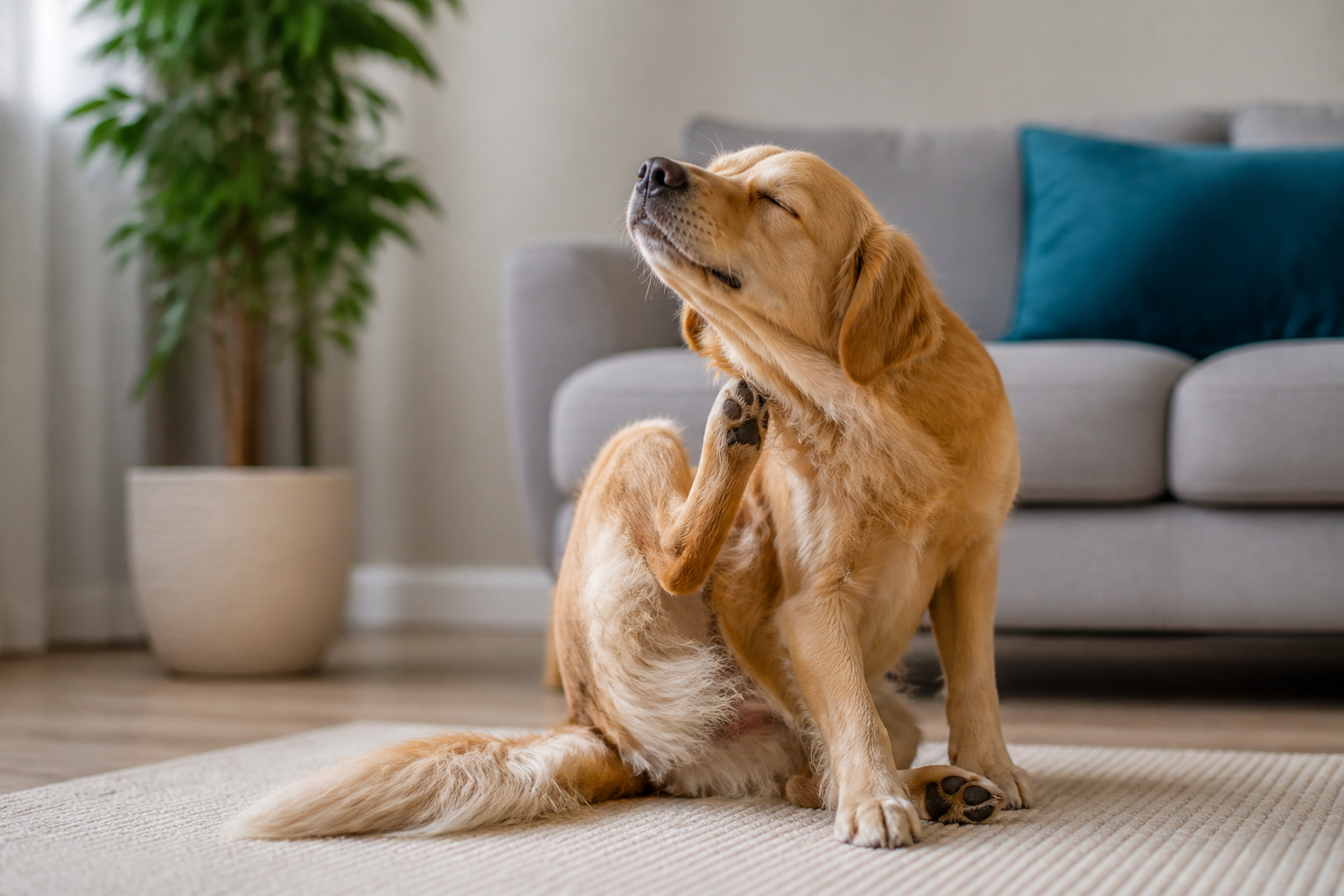
Dry air is a major trigger for feline dandruff. This is especially common in the winter months when home heaters are running. The dry heat pulls moisture from your cat's skin. This causes the top layer of skin to dry out and flake off. If your cat only gets dandruff in the winter, the environment is likely the culprit.
External Parasites
Some parasites can mimic the look of dandruff. Cheyletiella mites are often called walking dandruff. These tiny white mites move around under the fur, making the skin flakes appear to move on their own. Fleas can also cause skin irritation that leads to scratching and flaking. For related preventive care information, review our flea and tick collection.
Vet Tip: If you notice "dandruff" that seems to move, or if your cat is scratching intensely, consult your veterinarian immediately. They can perform a skin scraping to check for mites or lice. Our pharmacy carries FDA approved flea and tick preventives through our partnership with Pet's Choice to help manage these issues.
Localized Issues: Feline Acne and Stud Tail
Sometimes the grease and flakes are not everywhere. They might be concentrated in very specific zones. This usually points to a localized overactivity of the sebaceous glands.
Feline Chin Acne
If you see black specks or greasy crusts on your cat's chin, they likely have feline acne. This happens when the pores on the chin become clogged with excess oil and dead skin. In some cases, these can turn into red bumps or painful pustules. Switching from plastic food bowls to ceramic or stainless steel can often help, as plastic can harbor bacteria that worsens the condition.
Stud Tail
The supracaudal gland is located on the top of the tail near the base. In some cats, this gland goes into overdrive. The result is a waxy, oily patch of hair that may smell unpleasant. It can also cause the hair to thin in that specific area. Regular cleaning with a vet-approved degreasing agent is usually required to keep this under control.
How to Help Your Cat at Home
While you wait for a vet appointment, there are steps you can take to make your cat more comfortable. Home care should focus on assisting the cat with the grooming tasks they can no longer do themselves.
Improving Your Grooming Routine
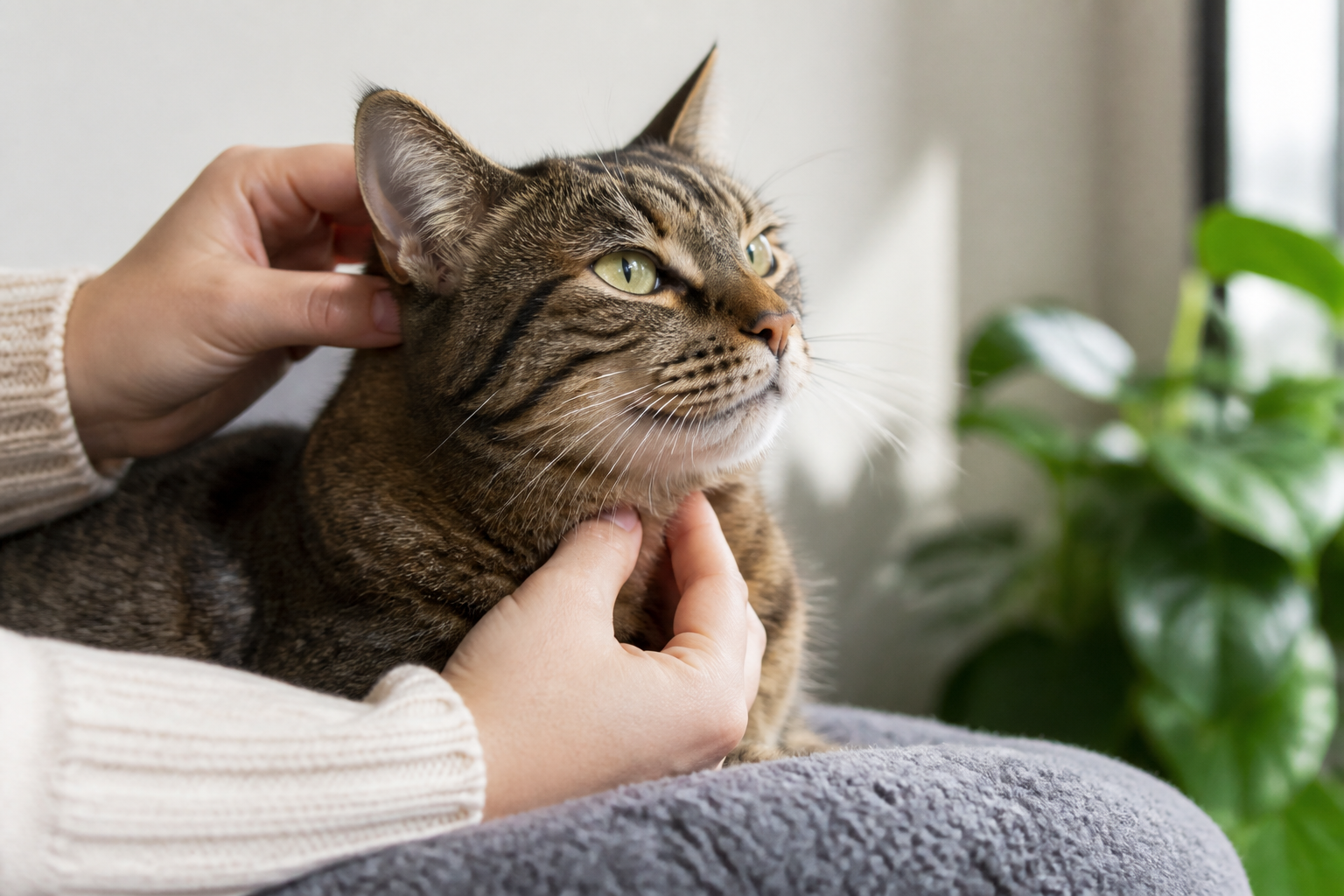
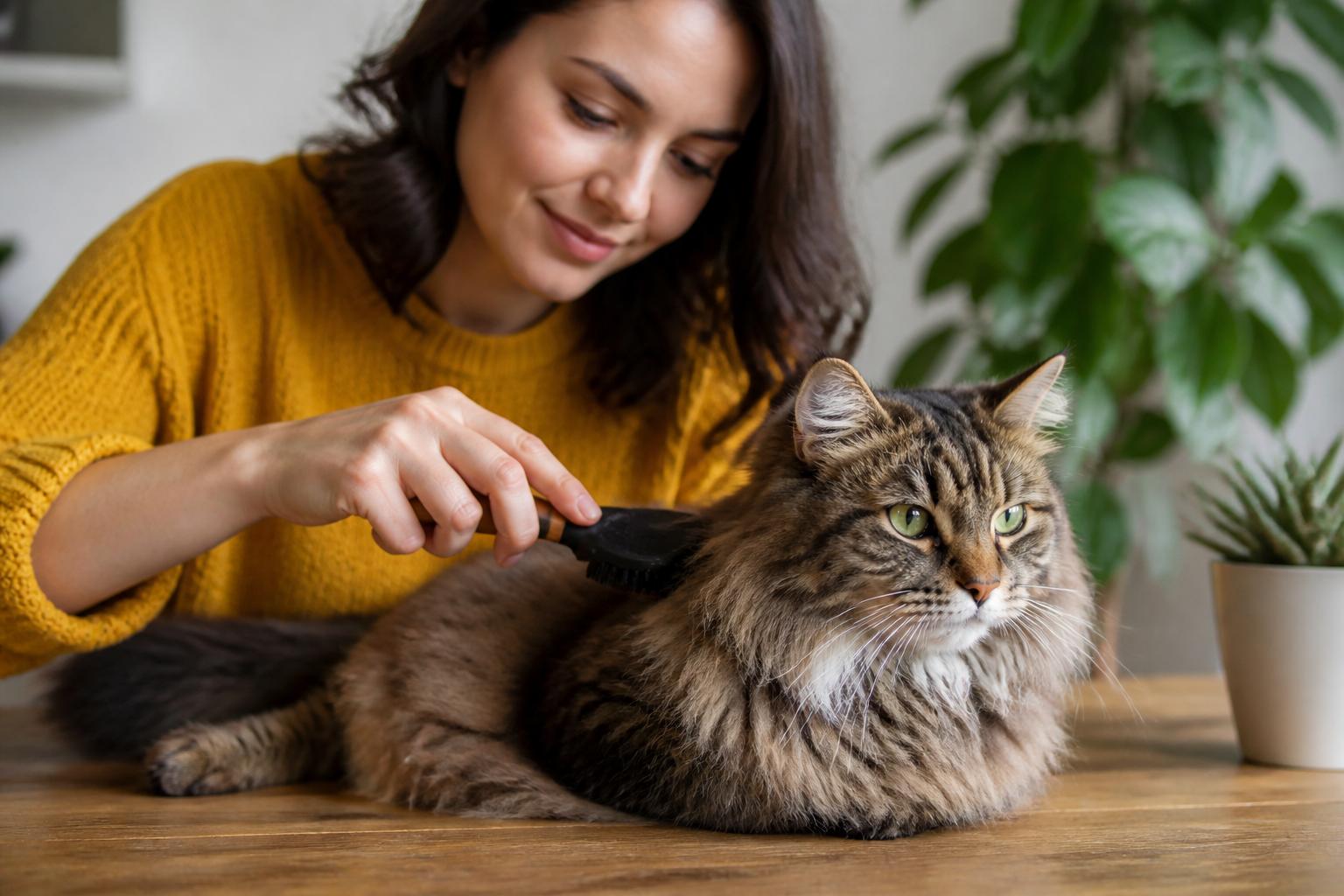
If your cat cannot clean themselves, you must step in. Brushing is the most effective way to manage grease and dandruff. It manually moves the oil down the hair shaft and lifts away dead skin.
Step 1: Choose the right tool. / Use a stainless steel comb or a soft slicker brush for most cats.
Step 2: Brush in the direction of hair growth. / Work in short, gentle strokes to avoid pulling the skin.
Step 3: Target the problem areas. / Spend extra time on the lower back and the base of the tail where oil builds up.
Step 4: Use grooming wipes. / If the fur is very greasy, a waterless shampoo or pet-safe wipe can help break down the surface oil without the stress of a bath.
Managing the Environment
If dry air is causing flakes, a humidifier can work wonders. Placing a small humidifier near your cat's favorite sleeping spot adds moisture back into their environment. This helps keep the skin barrier intact and reduces the production of dry flakes.
Nutrition and Supplements
What goes into your cat is just as important as what you put on their fur. Healthy skin starts with a balanced diet rich in essential fatty acids.
Omega-3 Fatty Acids
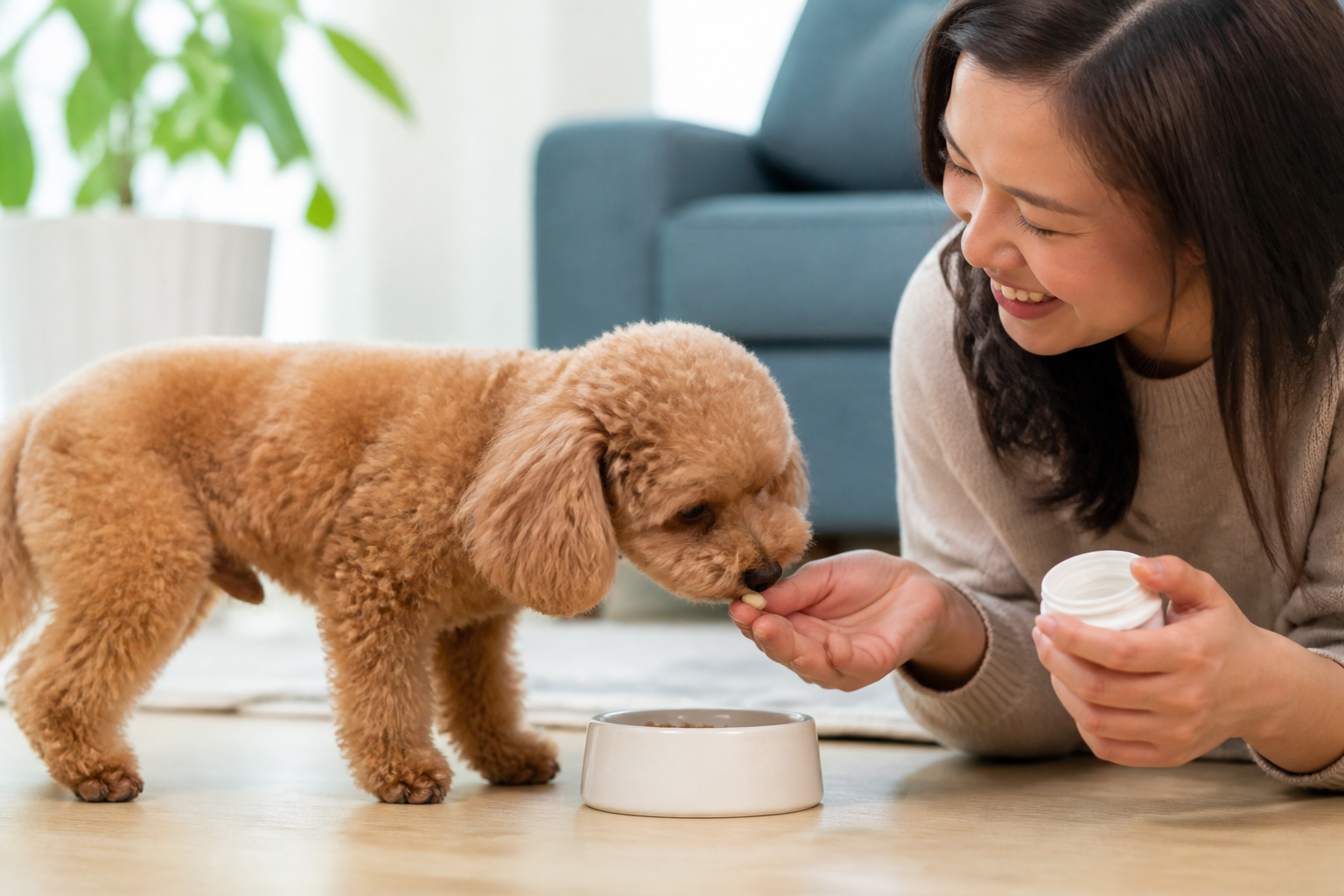
Fish oil is one of the best tools for skin health. Omega-3 fatty acids help reduce inflammation in the skin. They also help strengthen the skin's natural moisture barrier. Brands like Zesty Paws or Nordic Naturals offer oils that can be drizzled directly over your cat's food.
Premium Cat Food
We carry over 500 brands at BaxterBoo, and many focus specifically on skin and coat health. Look for foods that list a high quality animal protein as the first ingredient. Brands like Farmina, Royal Canin, and Stella & Chewy's offer formulas designed to support a healthy shine. If your vet diagnoses a specific condition like diabetes or kidney disease, you may need a prescription diet.
Note: Never start a new supplement or a major diet change without talking to your vet first. This is especially true for cats with known health issues like kidney disease.
When to See the Vet
You should not ignore greasy fur or heavy dandruff. While a few flakes in the winter might be normal, persistent greasiness usually indicates an underlying problem.
Schedule an appointment if you notice:
- A strong, rancid, or "yeasty" smell coming from the skin
- Redness, sores, or scabs under the fur
- Patches of hair loss or thinning fur
- A change in appetite or thirst levels
- Lethargy or a sudden lack of interest in play
- Intense scratching or biting at the skin
Your vet will likely perform a physical exam and may recommend blood work. This is the only way to rule out conditions like hyperthyroidism or diabetes. They may also look at skin cells under a microscope to check for yeast or bacterial infections.
Professional Treatments and the Pharmacy
Sometimes, a standard pet store shampoo isn't enough. If your cat has a skin infection or a severe case of seborrhea, they may need medicated topicals. These often contain ingredients like salicylic acid or sulfur to help break down grease and scales.
For chronic conditions that require long term management, we can help. Our pet pharmacy provides a convenient way to get the medications your vet prescribes. This includes everything from thyroid medication to prescription skin supports. Having these items delivered to your door through our Autoship programme ensures you never run out of the supplies your cat needs to stay healthy.
Key Takeaway: Treating the skin is only half the battle. You must treat the underlying cause to see a permanent improvement in your cat's coat.
Summary of Care for Greasy Cats
Managing a greasy coat is a multi step process. It requires patience and a gentle touch. Most cats do not enjoy being bathed, so focus on preventative care and daily grooming help.
- Assist with daily brushing, especially for senior or overweight cats.
- Monitor for changes in behavior that might signal pain.
- Use a humidifier during dry winter months.
- Feed a high quality diet with balanced fats.
- Work closely with your vet to manage any internal health issues.
Bottom line: A greasy coat is a symptom, not a final diagnosis. By identifying why the grease is building up, you can help your cat return to their clean, comfortable self.
FAQ
Why is my cat’s fur greasy on their back but not everywhere else?
The lower back and base of the tail are the hardest spots for a cat to reach, especially if they are stiff or overweight. When a cat cannot groom an area, natural skin oils build up and saturate the hair. This leads to a localized greasy strip while the rest of the coat looks normal. Regular brushing in this specific area can help distribute the oils and remove trapped dandruff.
Can I use human dandruff shampoo on my cat?
No, you should never use human dandruff shampoo on a cat. Human skin has a different pH level than feline skin, and many human products contain ingredients like zinc pyrithione or salicylic acid in concentrations that are toxic to cats. Always use a product specifically formulated for felines. If your cat has severe dandruff, ask your vet for a recommendation from our pharmacy.
Does my cat need a bath if their hair is oily?
Most cats do not need regular baths, and the stress of a bath can actually make some skin conditions worse. Instead of a full bath, try using waterless shampoo foams or grooming wipes designed for cats. These can break down the oil on the surface of the fur without the trauma of a tub. If your vet specifically recommends a medicated bath, follow their instructions for frequency and product choice.
Is cat dandruff the same as dander?
Dandruff and dander are related but different. Dander consists of microscopic skin cells that all cats shed naturally as part of healthy skin turnover. Dandruff refers to the large, visible white flakes that you can see in the fur. While dander is normal, excessive dandruff usually points to an issue like dry air, poor nutrition, or an underlying medical condition.
Conclusion
A greasy coat and dandruff can make your cat look and feel unwell, but these issues are manageable with the right approach. Whether the cause is a simple lack of grooming or a more complex medical condition, paying attention to these changes is vital for your cat's comfort. By combining regular at-home grooming with professional veterinary care, you can help your cat maintain the beautiful, soft coat they deserve. We are here to support your journey with the best supplies and expert advice. Explore our cat healthcare category for tools to help senior cats, or check out our pet pharmacy for prescription needs.