Save 15% on your 1st Autoship learn more

 Email us
 Live Chat
 FAQs
FAQs





Introduction
You are running a brush through your long haired cat’s silky fur when you notice something unusual. Instead of the usual glossy shine, you see tiny white flakes scattered near the base of the tail. This discovery often brings immediate worry for cat parents. While a few flakes are sometimes normal, persistent dandruff in cats with long coats usually points to an underlying issue. At BaxterBoo, we know that maintaining a long coat requires more than just a quick weekly brush. This post covers why these flakes appear, from grooming struggles to nutritional gaps. We will also discuss how to support your cat through better hydration, specialized tools, and veterinary care. Understanding the root cause is the first step toward restoring your cat’s soft, flake-free coat.
Understanding the Flakes: Dandruff vs. Dander
It is important to distinguish between normal shedding and a skin problem. Every cat sheds skin cells as part of a natural cycle. These microscopic cells are known as dander. You generally cannot see dander with the naked eye. It is the protein in this dander that often triggers human allergies.
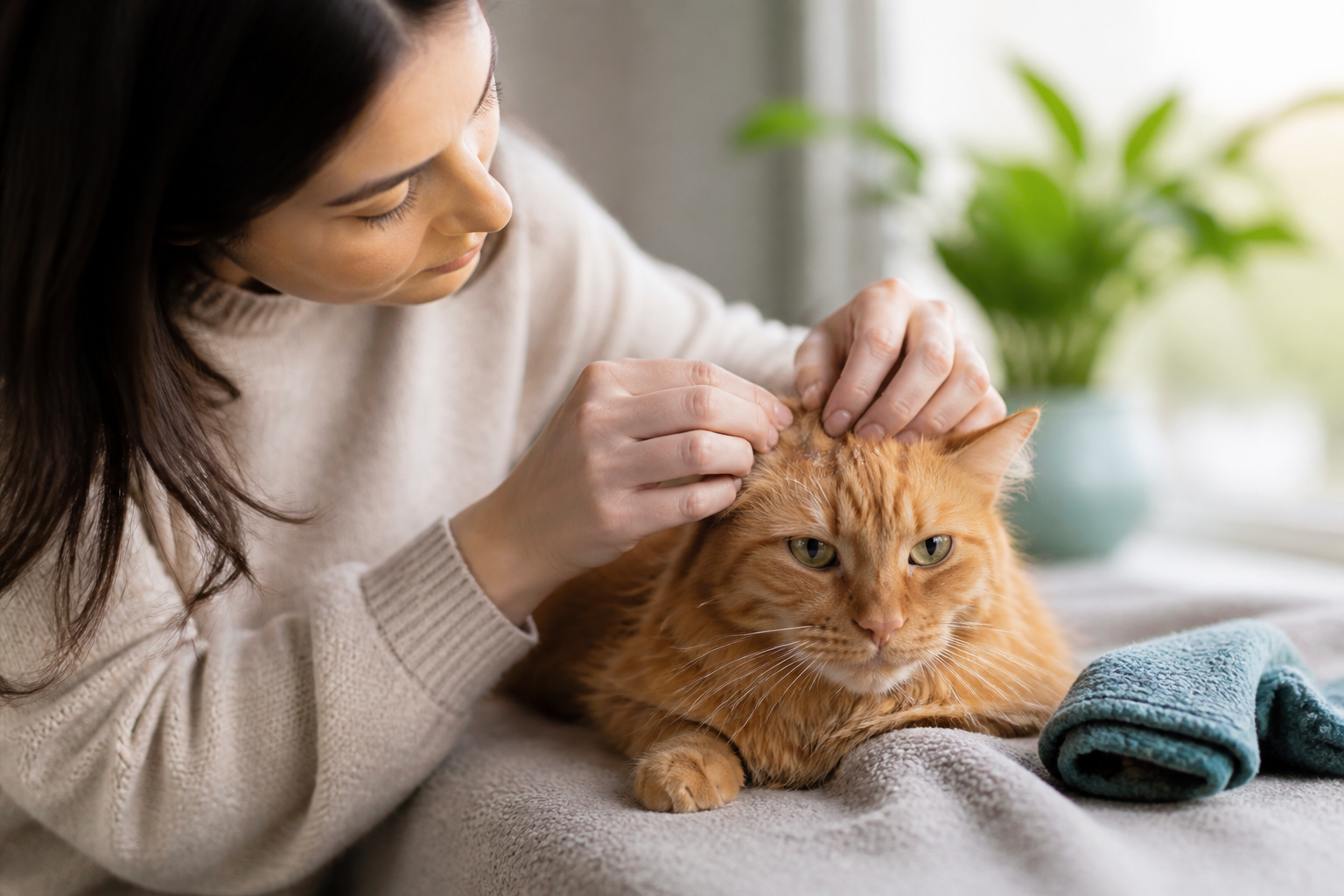
Dandruff is different. These are larger, visible flakes of dead skin. They may appear white, gray, or yellowish. In long haired breeds, these flakes often get trapped deep within the dense undercoat. You might not see them until you part the fur or use a fine-toothed comb.
Quick Answer: Dandruff consists of visible skin flakes that indicate dryness, irritation, or grooming issues. Dander is microscopic and part of a healthy cat’s normal skin renewal process.
If your cat has dandruff, the skin underneath might feel oily or very dry. You may also notice your cat scratching more than usual. This is a sign that the skin barrier is not functioning perfectly.
Why Long Hair Cats Struggle with Dry Skin
Cats with long hair face unique grooming challenges. Their coats consist of a long outer layer and a thick, soft undercoat. This density makes it difficult for natural skin oils to travel from the skin to the ends of the hair.
When a cat grooms itself, its tongue distributes sebum. This is the natural oil that keeps skin hydrated. In long haired cats, this oil can get stuck near the roots. This leaves the tips of the hair dry and the skin prone to flaking.
Another factor is the undercoat itself. If a cat is not brushed frequently, dead hair and skin cells build up. This creates a blanket of debris against the skin. This buildup traps moisture and heat, which can lead to irritation and more dandruff.
Key Takeaway: The sheer volume of fur on a long haired cat can prevent natural oils from protecting the skin, leading to a cycle of dryness and flaking.
Common Causes of Flaky Skin in Cats
Dandruff is rarely its own disease. It is usually a symptom of an internal or external stressor. Identifying the specific trigger helps you choose the right solution.
Environmental Factors and Low Humidity
Indoor environments can be very dry, especially during the winter. Central heating strips moisture from the air. This dries out your cat's skin just as it does your own. If you notice flakes only during the colder months, the environment is likely the culprit.
Nutritional Deficiencies
Skin health starts from the inside. Cats require specific nutrients to maintain a healthy barrier. Omega-3 and Omega-6 fatty acids are crucial. If a diet is low in these healthy fats, the skin often becomes brittle and flaky. High-quality protein is also essential. Skin and hair are made of protein, so a lack of it shows up quickly in the coat.
Mobility and Weight Issues
If a cat is overweight, it may struggle to reach certain spots. The lower back and the base of the tail are the most common areas for dandruff. This is because the cat literally cannot reach those areas to groom them. Similarly, senior cats with arthritis may find twisting and stretching painful. When grooming stops, dandruff starts.
Parasites and Mites
Certain parasites can cause what looks like heavy dandruff. One specific mite, Cheyletiella, is actually nicknamed walking dandruff. These mites are large enough to see, and as they move, they look like white flakes. Fleas can also cause skin irritation that leads to flaking.
Vet Tip: If the flakes on your cat appear to be moving or if your cat is biting at its skin, consult a veterinarian immediately to rule out parasites like Cheyletiella or fleas.
For additional information about parasite treatments and preventives, read our guide to pet medications and parasite prevention.
Dietary Support for a Shiny Coat
Improving what goes into your cat’s bowl is one of the most effective ways to fight dandruff. We recommend looking for foods that prioritize skin and coat health.
Many premium brands we carry, such as Farmina and our selection of Open Farm products, include ingredients rich in fatty acids. Look for labels that mention salmon oil or flaxseed. These ingredients help reinforce the skin's moisture barrier.
Hydration also plays a major role. Many cats live in a state of mild dehydration because they have a low thirst drive. Switching from dry kibble to wet food can increase their water intake significantly. You can also try a pet water fountain to encourage more frequent drinking.
Bottom line: A diet rich in Omega-3 fatty acids and high moisture levels provides the building blocks for healthy, flake-free skin.
Explore our cat food category for dry, wet, freeze-dried, and specialty food options.
Effective Grooming Routines for Long Coats
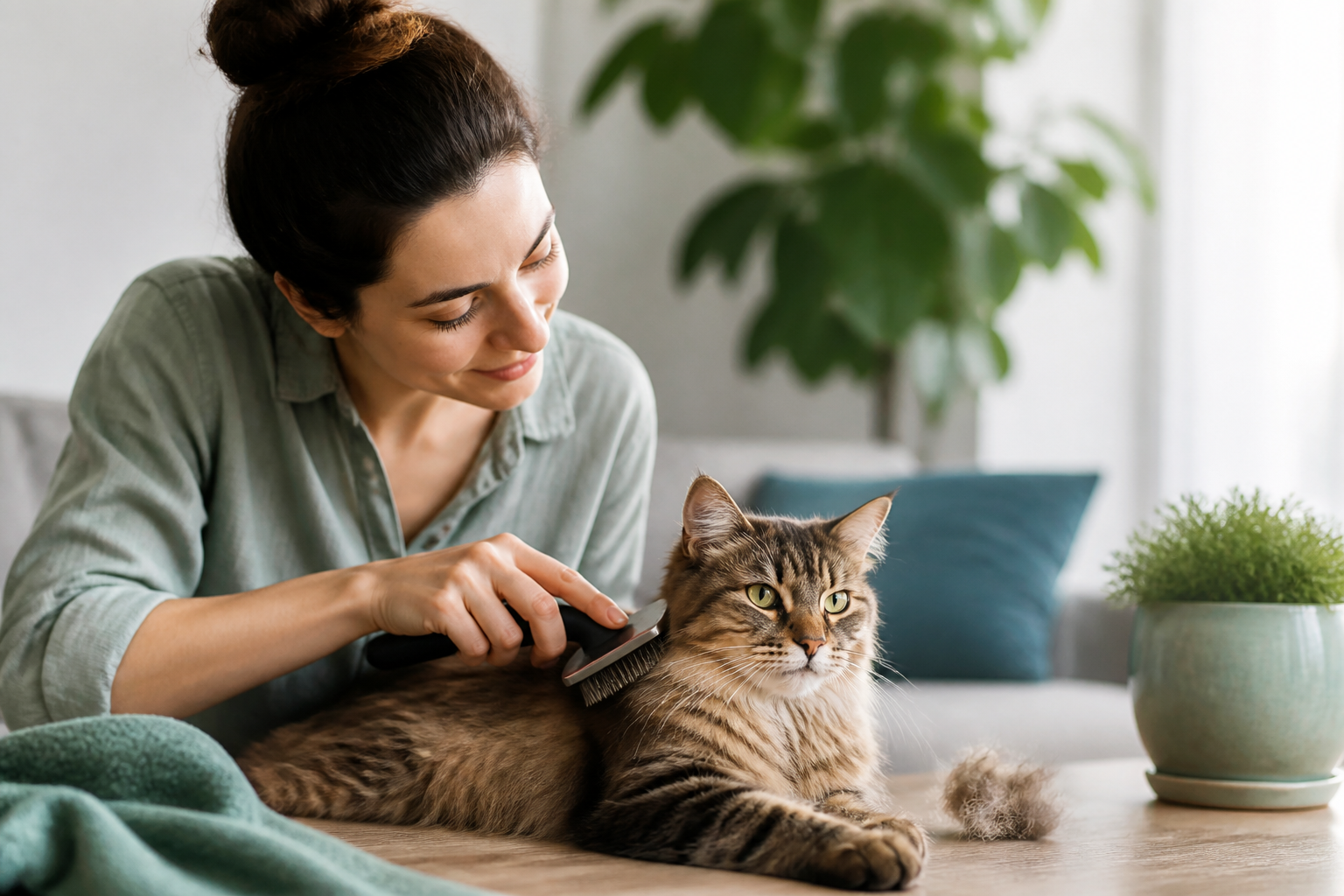
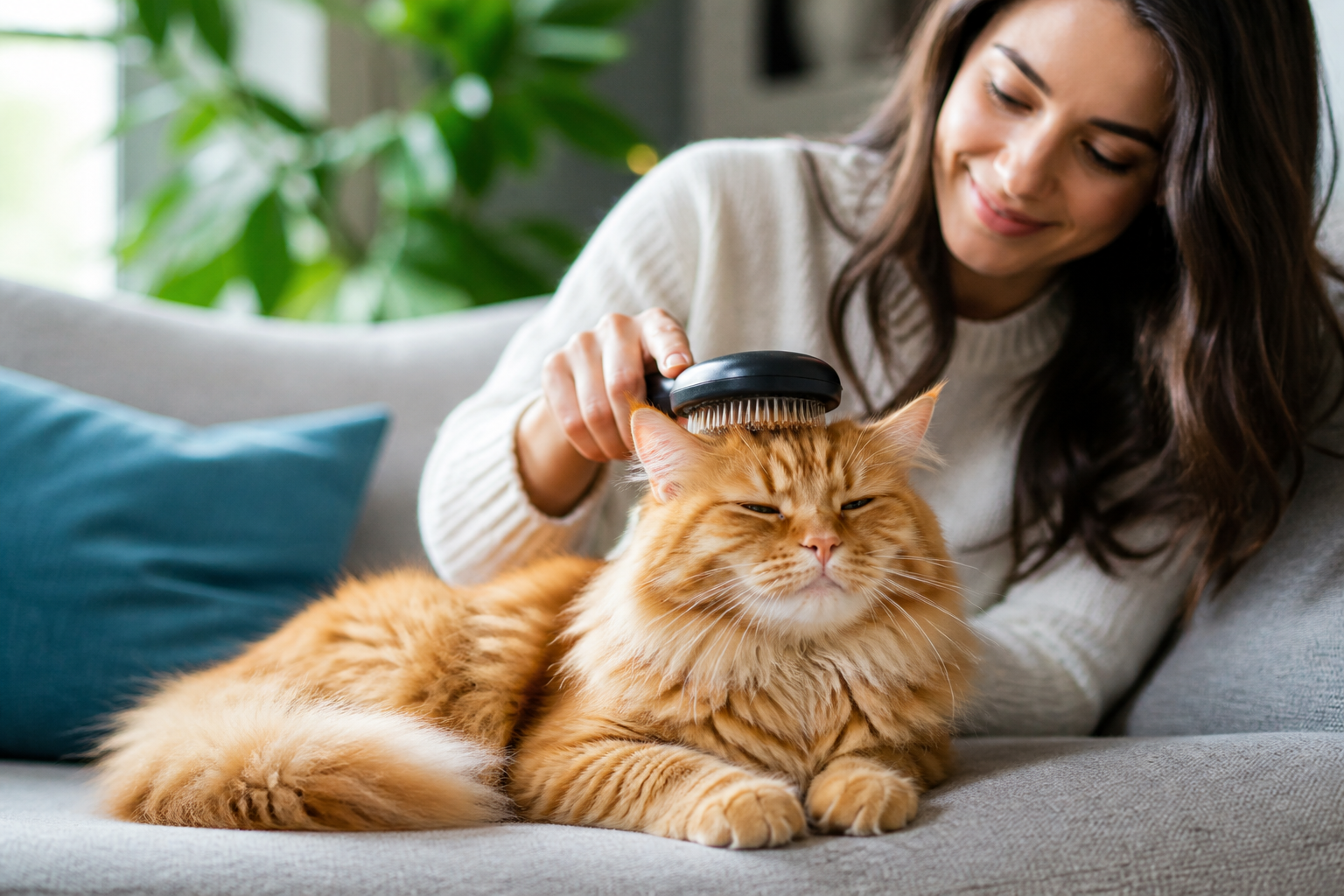
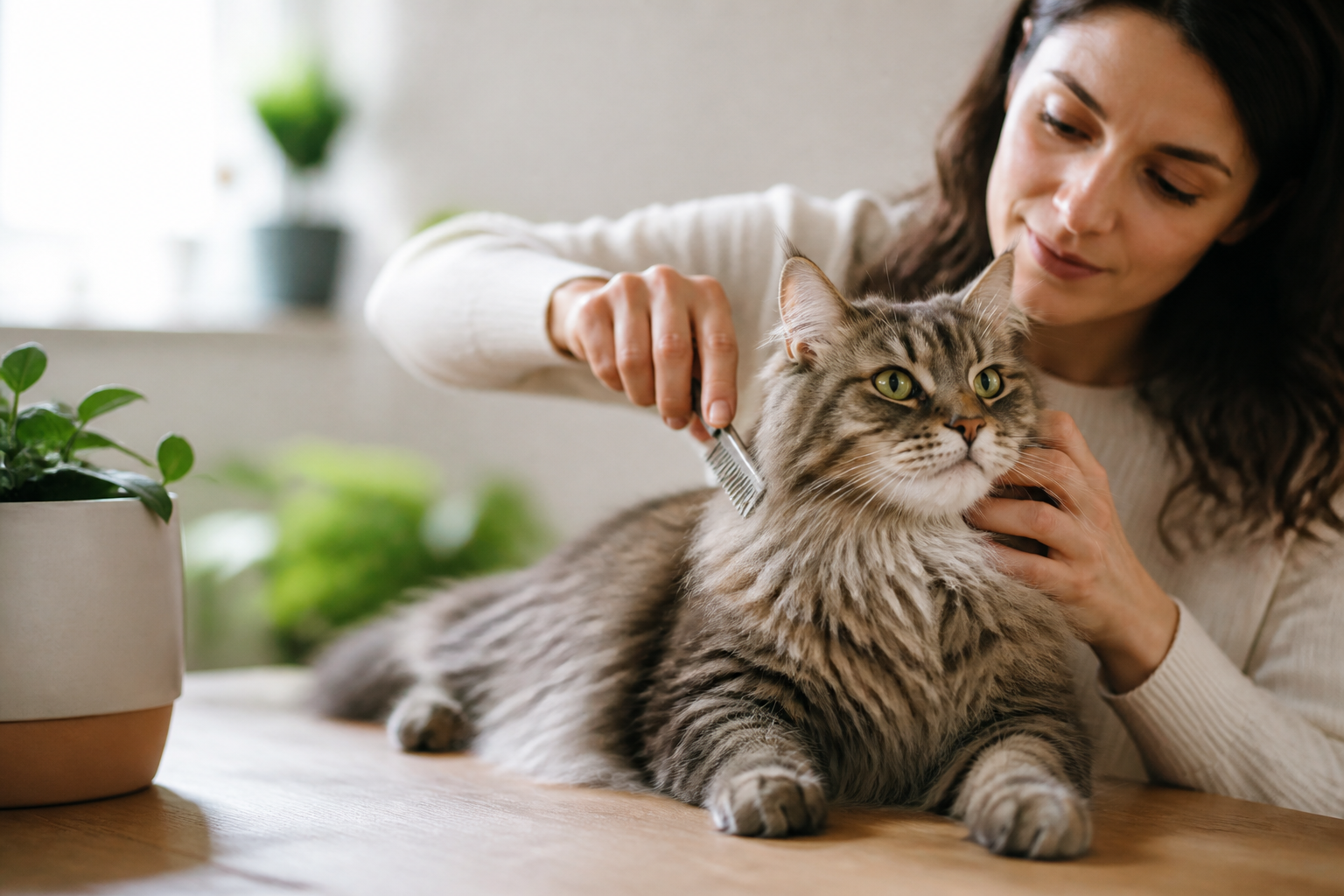
For a long haired cat, grooming is a daily requirement. You cannot rely on the cat to do it all alone. A consistent routine prevents the undercoat buildup that leads to dandruff.
Step 1: Choose the right tools. / Use a stainless steel comb and a slicker brush to reach through the long topcoat. An undercoat rake is also helpful for removing dead hair before it mats.
Step 2: Brush in sections. / Do not just swipe the top of the fur. Part the hair and brush from the skin outward. This ensures you are distributing the natural oils where they are needed most.
Step 3: Focus on problem areas. / Spend extra time on the lower back and behind the ears. These are the spots where oils tend to accumulate and skin flakes get trapped.
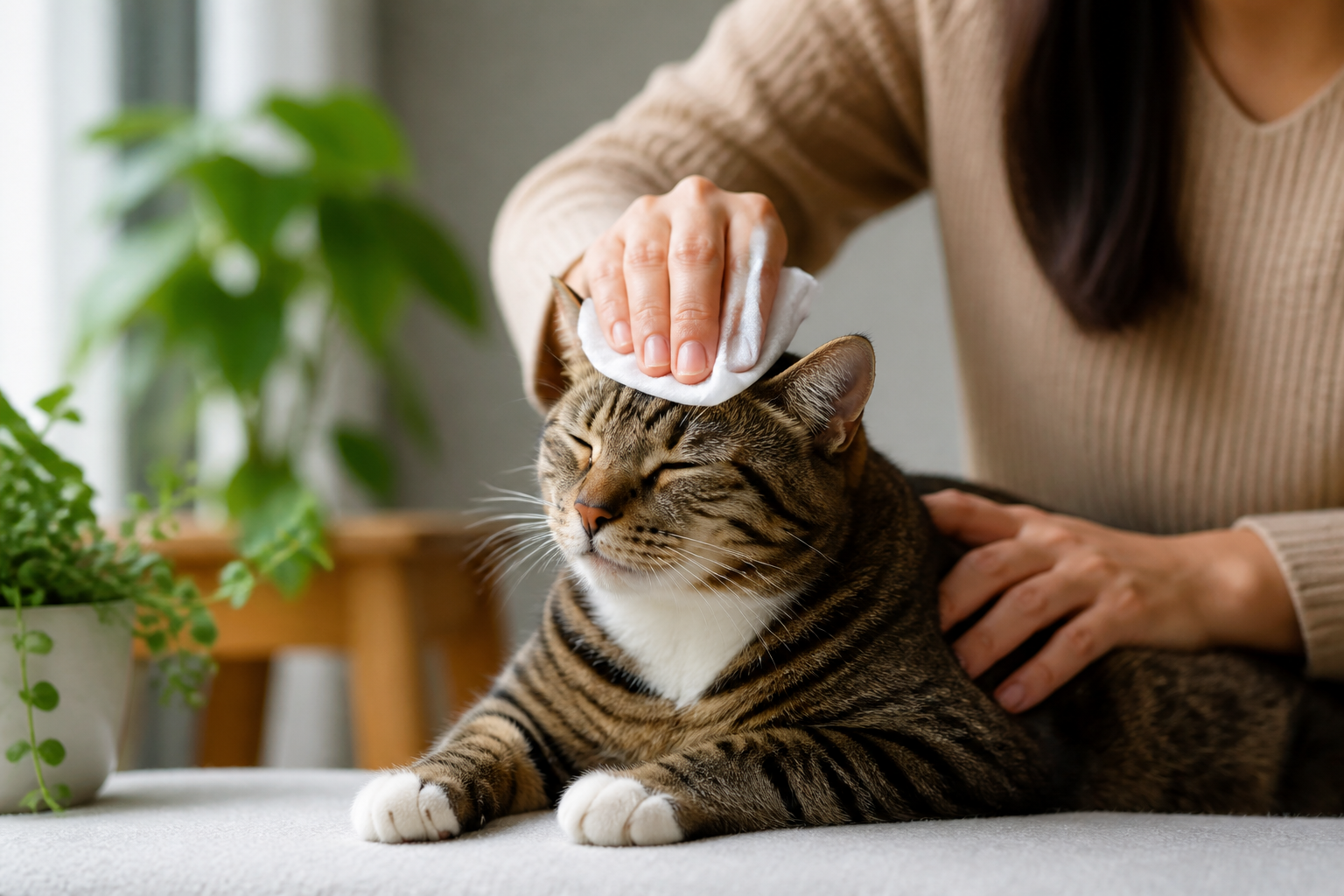
Step 4: Use a grooming spray. / A waterless shampoo or a conditioning spray can help hydrate the skin between full baths. Make sure the product is specifically formulated for cats.
Regular grooming does more than just remove flakes. It stimulates blood flow to the skin. This encourages the production of healthy oils and faster skin cell turnover. We carry a wide variety of grooming tools at BaxterBoo designed specifically for the unique needs of long haired breeds.
Browse our cat grooming supplies for brushes, combs, shampoos, conditioners, and waterless grooming products.
When Health Problems Cause Skin Flakes
Sometimes, no amount of brushing will fix the problem. This is because certain medical conditions manifest as skin issues. If you notice other symptoms alongside dandruff, it is time for a professional opinion.
Common medical triggers include:
- Diabetes mellitus
- Hyperthyroidism
- Kidney disease
- Skin infections (fungal or bacterial)
- Food or environmental allergies
These conditions affect the body’s metabolism and hydration levels. When a cat is unwell, the body often redirects nutrients away from the skin to more vital organs. This results in a dull, flaky coat.
Our pharmacy offers a wide selection of FDA-approved medications through our partnership with Pet's Choice. If your veterinarian prescribes a specific treatment for an underlying condition, we can help you manage those needs. This includes prescription diets that are formulated to manage skin sensitivities or metabolic issues.
Vet Tip: Always schedule a veterinary exam if dandruff is accompanied by weight loss, increased thirst, or a sudden change in appetite, as these can be signs of systemic illness.
When a veterinarian prescribes treatment, explore our cat pharmacy for prescription medication options.
Dealing with Walking Dandruff and Parasites
If your cat's dandruff seems to appear suddenly and is very heavy, parasites might be the cause. Cheyletiella mites are highly contagious. They can spread between cats, dogs, and even humans.
The treatment for these mites usually involves specific flea and tick preventives. Many of the same products used for fleas are effective against these mites. Our pharmacy carries a range of these preventives to help keep your home and your pets safe.
Fleas are another major cause of skin flaking. Even if you do not see fleas, your cat might be allergic to flea saliva. A single bite can cause a massive skin reaction. Monthly prevention is the best defense against this type of dandruff.
See our cat flea and tick collection for species-appropriate prevention products.
For more background on flea prevention, read how flea collars work.
Seasonal Care for Long Haired Cats
The change of seasons often brings a spike in skin issues. In the spring, cats shed their heavy winter undercoats. If this hair is not removed, it traps heat and clogs the skin. In the winter, the dry air is the main enemy.
During the winter, consider using a humidifier in the rooms where your cat spends the most time. This adds moisture back into the air and prevents the skin from cracking. You can also talk to your vet about adding a fish oil supplement to their food during these dry months.
We often see pet owners increase their grooming frequency during the spring shed. This is a great time to use an undercoat rake. Removing that dead hair allows the skin to breathe and reduces the likelihood of flakes.
The Importance of Weight Management
Obesity is a leading cause of grooming failure in cats. If a cat has a large abdomen or fat deposits around the tail base, they simply cannot reach those areas. The fur there will become greasy, matted, and full of dandruff.
If your cat is struggling with weight, we recommend consulting your vet about a weight management plan. Our pharmacy offers prescription weight management diets through the Pet's Choice partnership. Helping your cat reach a healthy weight is often the fastest way to clear up dandruff on their lower back.
As the cat becomes more mobile, they will resume their natural grooming habits. This allows them to distribute their own oils and keep their skin healthy without as much intervention from you.
Key Takeaway: Keeping your long haired cat at a lean weight ensures they can perform the daily grooming necessary to keep their skin and coat in top condition.
For additional guidance, read how to help your indoor cat lose weight.
Summary of Management Steps
Managing long hair cat dandruff requires a multi-pronged approach. You must address the environment, the diet, and the grooming routine simultaneously.
- Brush your cat daily using a comb that reaches the skin.
- Add Omega-3 fatty acids to their diet through supplements or high-quality food.
- Ensure they stay hydrated by offering wet food or a water fountain.
- Monitor their weight to ensure they can reach all areas of their body.
- Keep up with monthly flea and parasite prevention.
- Use a humidifier during the dry winter months.
If you follow these steps and the dandruff persists, your vet can help identify if there is a more serious health concern. Many skin issues are easily managed once the root cause is found.
Conclusion
Seeing flakes in your cat's beautiful long fur can be frustrating, but it is usually a manageable issue. By focusing on consistent grooming and high-quality nutrition, you can help your cat feel more comfortable and look their best. Remember that your cat's skin is a reflection of their internal health. If home remedies do not show results within a few weeks, a trip to the veterinarian is the best next step. We are here to support you with everything from specialized brushes to the BaxterBoo pharmacy for your prescription needs. Keeping your feline friend flake-free is a journey of consistent care and observation.
Bottom line: Regular grooming and proper nutrition are the most effective tools for preventing and treating dandruff in long haired cats.
FAQ
Is it normal for my long haired cat to have some dandruff?
A few occasional flakes can be normal, especially during seasonal transitions or very dry weather. However, if the dandruff is persistent, covers large areas, or is accompanied by itching, it usually indicates a need for better grooming, improved nutrition, or a veterinary checkup.
Can I use human dandruff shampoo on my cat?
No, you should never use human dandruff shampoos on your cat. Many of these products contain ingredients like zinc pyrithione or selenium sulfide which can be toxic to cats if licked off the fur. Only use shampoos and topical treatments specifically formulated for felines and approved by your vet.
How often should I brush my long haired cat to prevent dandruff?
For cats with long or dense coats, daily brushing is highly recommended. Daily sessions help remove dead hair from the undercoat and distribute natural skin oils before they can build up and cause flaking. If your cat is prone to mats, you may even need to brush them twice a day.
Why does my cat only have dandruff near the base of her tail?
Dandruff concentrated at the base of the tail or lower back is often a sign of a mobility issue. Your cat may be overweight or suffering from arthritis, making it difficult to reach those specific spots for grooming. Increasing your grooming assistance in those areas can help clear up the flakes.