Save 15% on your 1st Autoship learn more

 Email us
 Live Chat
 FAQs
FAQs





Introduction
Petting your senior cat is one of the best parts of the day. You expect to feel soft fur and hear a steady purr. It is unsettling when your hand comes away covered in tiny white flakes. This is a common sight for owners of aging felines. While a few flakes might seem like a minor cosmetic issue, they often point to changes in your cat's health or habits. At BaxterBoo, we know that senior cats have unique needs that differ from kittens or active adults. This article explains why old cat dandruff happens and how you can manage it through grooming, diet, and veterinary care. Understanding these skin changes is the first step toward keeping your cat comfortable in their golden years.
Quick Answer: Dandruff in senior cats is often caused by a reduced ability to groom due to arthritis or obesity. It can also stem from dry air, poor nutrition, or underlying health issues like thyroid disease or parasites.
Understanding the Difference Between Dander and Dandruff
It is easy to confuse dander and dandruff because the words sound so similar. However, they are very different things. Every cat has dander. It consists of microscopic skin cells that shed naturally as the skin renews itself. You cannot see dander with the naked eye. It is the protein found in this dander and cat saliva that usually triggers allergies in humans.
Dandruff is different because you can see it. These are larger, visible flakes of dead skin that have clumped together. When a cat is healthy and young, they groom these flakes away before you ever notice them. As a cat ages, those flakes can start to build up. This buildup tells us that the natural shedding process is out of balance or that the cat is no longer cleaning themselves effectively.
| Feature | Cat Dander | Cat Dandruff |
|---|---|---|
| Visibility | Microscopic (Invisible) | Visible white or gray flakes |
| Presence | Normal in all cats | Sign of an underlying issue |
| Cause | Natural cell turnover | Dry skin, poor grooming, or illness |
| Location | Throughout the environment | Stuck in fur or on bedding |
Why Senior Cats Are More Prone to Flaky Skin
As cats reach their senior years, their bodies change in ways that directly affect their skin and coat. The most common reason for old cat dandruff is a simple lack of flexibility. Cats are famous for their grooming marathons. But a cat with stiff joints or extra weight cannot reach every spot.
The Impact of Arthritis
Many senior cats suffer from osteoarthritis. It often affects the spine, hips, and base of the tail. If it hurts to twist or bend, the cat will stop grooming those hard to reach areas. You might notice that the dandruff is worst along the lower back. When the cat stops grooming, dead skin and loose fur stay trapped against the body. This creates a layer of flakes and eventually causes mats.
For more information about mobility changes and assisted grooming, read this guide to arthritis care for cats.
Obesity and Mobility
If a cat is carrying extra weight, they face a physical barrier to grooming. They simply cannot reach around their midsection or down to their hindquarters. This lack of hygiene leads to greasy skin and a buildup of dandruff. If your cat has reached their senior years and has a bit of a belly, weight management becomes a primary tool for skin health.
For additional guidance, explore these tips for helping an indoor cat lose weight.
Thinning Skin and Reduced Oil Production
Just like humans, a cat's skin becomes thinner and less elastic as they age. The sebaceous glands, which produce the natural oils that keep the coat shiny, may become less active. Without these oils, the skin becomes dry and prone to flaking. This is especially noticeable in the winter when indoor heating strips moisture from the air.
Key Takeaway: Dandruff in older cats is rarely just a skin problem. It is usually a mobility or comfort problem that prevents the cat from maintaining their own hygiene.
Nutritional Needs and Skin Health
What goes into your cat's body shows up on their coat. Senior cats sometimes struggle to absorb nutrients as well as they used to. If their diet is lacking in specific fats, their skin will be the first thing to suffer.
The Role of Essential Fatty Acids
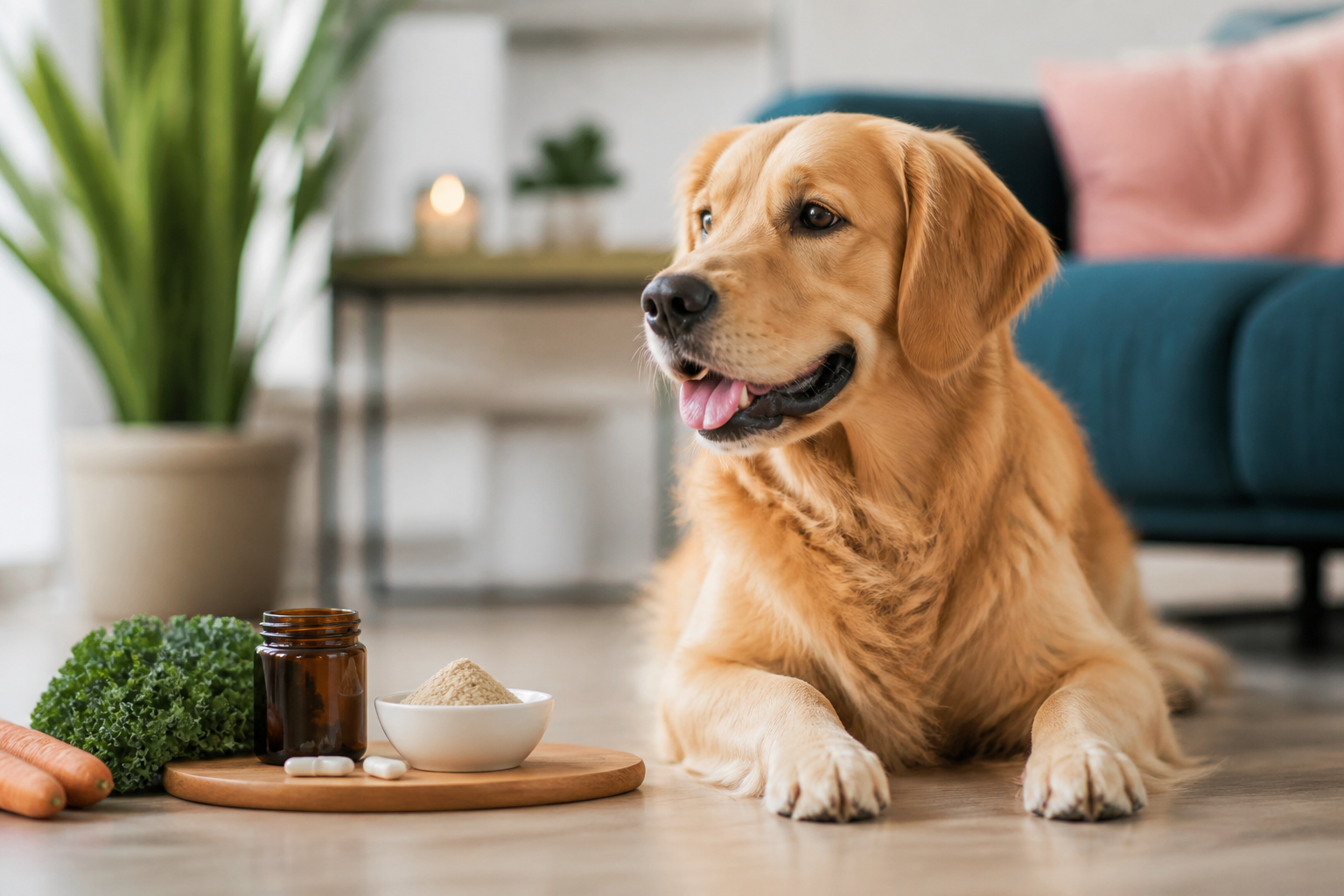
Omega-3 and Omega-6 fatty acids are the building blocks of healthy skin. They help maintain the skin's moisture barrier and reduce inflammation. Many standard cat foods have these, but a senior cat might need a higher concentration. We carry brands like Zesty Paws and Honest Paws that offer supplements designed to boost these healthy fats.
Our cat healthcare selection includes supplements and skin and coat products for everyday wellness needs.
Hydration and Wet Food
Dehydration is a common culprit for dry skin in older cats. Felines naturally have a low thirst drive. Many senior cats live in a state of mild, chronic dehydration. This makes the skin brittle and flaky. Switching some or all of your cat's diet to wet food can make a massive difference. Brands like Tiki Cat, Fussie Cat, and Royal Canin offer high moisture options that help hydrate the skin from the inside out.
Explore our wet cat food selection when looking for moisture-rich meal options. You can also read more about tailoring a cat's diet during the senior years.
Environmental Factors and Seasonal Changes
The environment inside your home plays a huge role in your cat's skin health. During the winter, humidity levels drop significantly. Forced air heating creates a very dry atmosphere. If you notice the dandruff is worse in December than it is in July, the air quality is likely the cause.
Using a humidifier in the rooms where your cat spends the most time can help. You should also be careful about where your cat sleeps. If they love napping directly on a heat vent, that concentrated dry air will parch their skin quickly. Encourage them to use a heated pet bed instead. This provides the warmth they crave for their joints without the drying effects of a furnace vent.
Medical Conditions That Cause Dandruff
Sometimes, dandruff is a red flag for a more serious internal issue. Senior cats are at higher risk for several conditions that manifest as skin problems.
Hyperthyroidism and Kidney Disease
An overactive thyroid is common in older cats. It speeds up their metabolism and can cause the coat to look greasy, matted, or flaky. Similarly, kidney disease can lead to dehydration and a dull, scruffy coat. If your cat has dandruff along with increased thirst, weight loss, or a change in appetite, a vet visit is necessary.
Parasites and Walking Dandruff
Do not assume that an indoor senior cat cannot get parasites. Mites called Cheyletiella cause a condition known as walking dandruff. The flakes are actually the mites moving around under the skin scales. This condition is very itchy and contagious. Regular flea and tick prevention is still important for senior cats.
Vet Tip: If your senior cat shows sudden changes in grooming habits, skin redness, or hair loss, schedule an exam. Dandruff can be a side effect of systemic issues like diabetes or organ dysfunction that require professional diagnosis.
Helping Your Senior Cat with Grooming
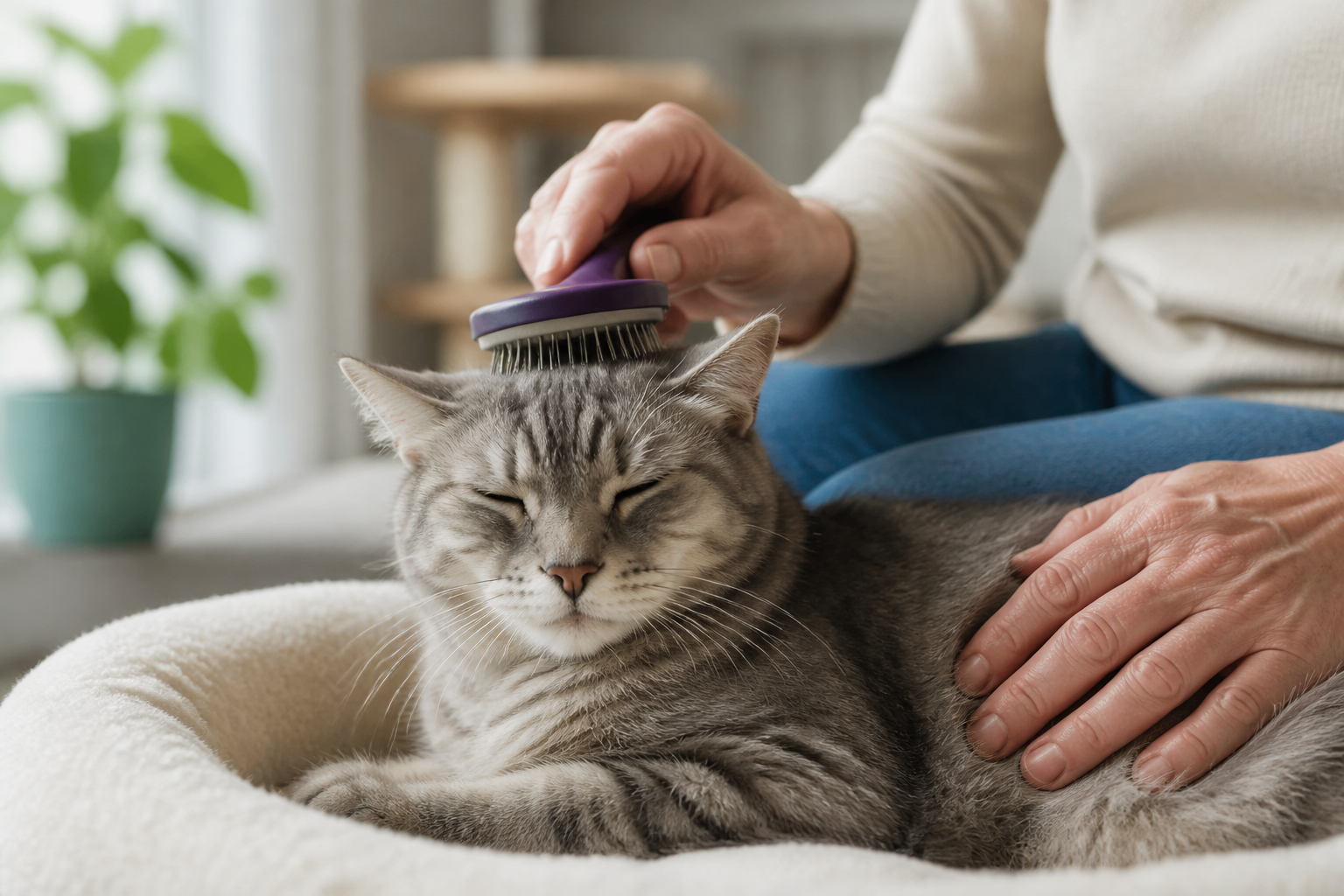
Since your cat might not be able to reach every spot anymore, they need your help. A regular grooming routine is the most effective way to manage old cat dandruff at home.
Step 1: Choose the right tools. / Use a soft bristle brush or a grooming glove for cats with thinning skin. Avoid harsh metal rakes that might scratch or irritate them.
Step 2: Start slow. / Senior cats may have sore spots from arthritis. Keep grooming sessions short and focus on one area at a time to keep them from getting stressed.
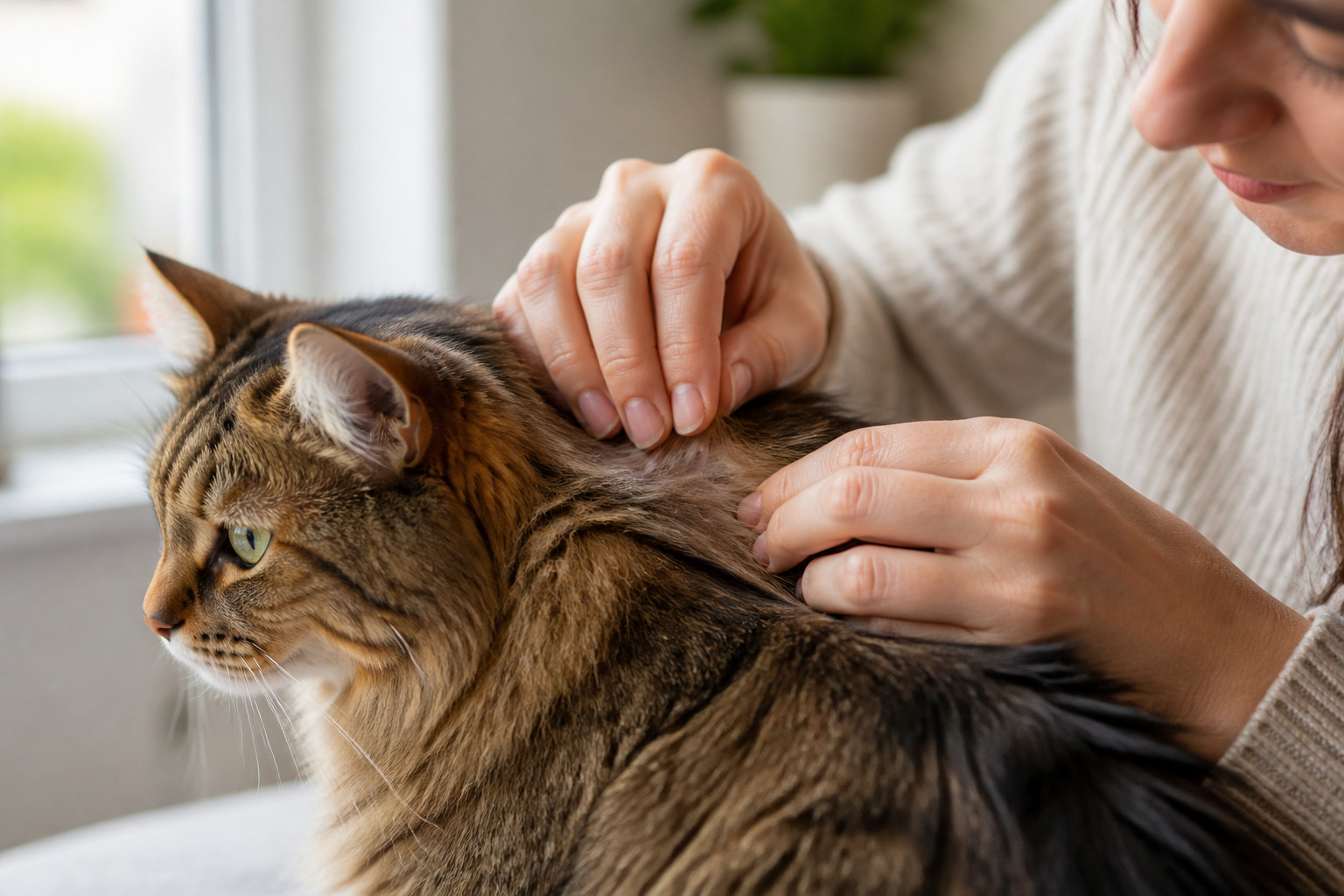
Step 3: Focus on the lower back. / Since this is where most dandruff accumulates, spend extra time here. Use gentle, sweeping motions to lift the flakes and remove dead hair.
Step 4: Use waterless shampoo. / If the skin is very greasy, a cat friendly waterless foam can help break up oils without the stress of a full bath.
We carry a variety of grooming tools at BaxterBoo that are perfect for sensitive seniors. Browse our cat grooming supplies for brushes, combs, shampoos, wipes, and other coat-care essentials. Regular brushing does more than just remove flakes. It stimulates blood flow to the skin and helps distribute the natural oils that your cat can no longer spread on their own.
The Role of the Pharmacy in Skin Care
When home grooming and diet changes are not enough, your veterinarian might recommend medical intervention. This is common when the dandruff is caused by an underlying infection or a chronic health condition.
Our pet pharmacy for cats carries prescription medications and veterinary products with authorization from your pet's veterinarian. If your vet determines that your cat's skin issues are linked to an allergy, they may prescribe specialized diets like Farmina Vet Life or Royal Canin Veterinary Diet. These foods are formulated to support the skin barrier and manage sensitivities.
For cats with severe itching or secondary skin infections, the pharmacy provides access to necessary antibiotics or anti inflammatory medications. Having these items delivered to your door through our Autoship programme ensures your senior cat never misses a dose of the support they need. It also qualifies you for a free MVP Gold membership, which helps you save on future wellness supplies.
Bottom line: Medical grade skin support and prescription diets are often the most effective ways to treat persistent or severe dandruff in aging cats.
Lifestyle Adjustments for Better Skin
Small changes in your daily routine can lead to big improvements in your cat's coat.
- Weight Management: If your cat is overweight, talk to your vet about a weight loss plan. Losing even a small amount of weight can help them reach those difficult grooming spots again.
- Accessible Water: Place multiple water bowls around the house so your cat does not have to travel far to drink. This encourages better hydration.
- Joint Support: Consider adding a glucosamine and chondroitin supplement, like Cosequin, to their routine. Better joint health leads to better mobility, which leads to better self grooming.
- Stress Reduction: Stress can cause a cat to over groom or stop grooming entirely. Keep their environment calm and predictable.
Key Takeaway: A holistic approach that combines joint support, proper hydration, and assisted grooming is the best way to handle dandruff in an older cat.
When to Worry About Flakes
Most of the time, dandruff is just a sign that your cat needs a little extra help. However, there are times when it indicates a more urgent problem. You should contact your veterinarian if you notice any of the following:
- The skin underneath the flakes is red or raw.
- Your cat is biting or licking a specific area until the hair falls out.
- The dandruff is accompanied by a foul odor.
- Your cat seems lethargic or is not eating well.
- You see small black specks (flea dirt) along with the white flakes.
A vet can perform a skin scraping to check for mites or fungus like ringworm. They can also run blood work to ensure your cat's internal organs are functioning correctly. Early detection of issues like hyperthyroidism or kidney disease makes a huge difference in the quality of life for a senior pet.
Conclusion
Managing old cat dandruff is about more than just aesthetics. It is about making sure your senior companion feels their best during their later years. By stepping in to help with grooming, improving their diet with moisture rich foods, and addressing mobility issues, you can significantly reduce those pesky white flakes. At BaxterBoo, we are committed to helping you navigate the changes that come with pet aging. Whether you need a softer brush, a high quality supplement, or a prescription diet from our pharmacy, we have the expert curated products to support your cat's skin health.
Bottom line: Regular grooming and a moisture rich diet are the most effective ways to manage dandruff in senior cats.
FAQ
Is it normal for an older cat to suddenly have a lot of dandruff?
While some flaking is common as cats age, a sudden increase in dandruff usually indicates a change in their health or ability to groom. It is often linked to the onset of arthritis or a shift in nutritional needs. It is always a good idea to mention this change to your veterinarian during a wellness checkup.
Can I use human dandruff shampoo on my cat?
No, you should never use human dandruff shampoos on cats. These products are formulated for human skin pH levels and often contain ingredients like zinc or salicylic acid that can be toxic if your cat licks them. Always use a shampoo specifically designed for felines or a waterless foam recommended by your vet.
Does brushing really help with cat dandruff?
Yes, brushing is one of the most effective ways to manage dandruff at home. It removes the dead skin cells before they can clump into flakes and helps distribute natural skin oils. For senior cats who have trouble reaching their lower back, daily brushing is essential for maintaining skin health.
Can a change in diet get rid of my cat's dandruff?
A diet change can be very effective if the dandruff is caused by dehydration or a lack of essential fatty acids. Adding wet food or a fish oil supplement can improve skin elasticity and moisture. If the dandruff is caused by a food allergy, your vet may recommend a prescription diet from a pharmacy.