Save 15% on your 1st Autoship learn more

 Email us
 Live Chat
 FAQs
FAQs





Introduction
You are relaxing on the couch with your cat when you notice a scattering of tiny white flakes across their sleek, dark coat. At first, you might think it is just dust or dry skin from the winter air. However, those flakes often tell a story about your cat's internal health or daily habits. At BaxterBoo, we see this often and know that even short-haired cats can struggle with persistent skin issues. This post covers the common reasons for these flakes, how to distinguish them from normal dander, and practical ways to restore your cat's glossy coat. We want to help you understand when a simple brushing routine is enough and when it is time to look a little deeper.
Quick Answer: Short hair cat dandruff is visible white or gray skin flakes that accumulate in the fur. It is often caused by poor grooming, environmental factors, nutritional gaps, or underlying health issues like allergies or parasites.
Understanding Feline Dandruff
Many owners assume that only long-haired cats get dandruff because their thick coats trap debris. In reality, short-haired cats are just as prone to skin flaking. Dandruff is essentially a buildup of dead skin cells that have clumped together. While every cat sheds skin naturally, healthy cats usually groom these cells away before you ever see them. When you start seeing visible flakes, it means the skin cycle is moving too fast or the cat cannot keep up with their cleaning.
It is important to distinguish between dandruff and dander. Dander consists of microscopic skin cells that every healthy animal sheds. You cannot see dander with the naked eye. It is the protein in this dander that often triggers human allergies. Dandruff is much larger and visible. If you see white or yellowish specks on your cat's back or at the base of their tail, that is dandruff.
Key Takeaway: Healthy cats shed microscopic dander, but visible dandruff flakes suggest an imbalance in skin health or a disruption in the grooming process.
Why Your Short-Haired Cat Has Dandruff
The causes of dandruff in short-haired cats range from simple environmental fixes to complex medical needs. Identifying the root cause is the first step in clearing up the skin.
Improper Grooming Habits
Cats are naturally fastidious. They spend a large portion of their waking hours cleaning themselves. If a cat stops grooming, skin cells and oils build up quickly. This leads to visible flaking. Several factors can interfere with a cat's ability to groom:
- Weight issues: If a cat is carrying extra weight, they may not be able to reach the middle of their back or the base of their tail.
- Arthritis: Senior cats often suffer from joint stiffness. Bending and twisting to groom the spine becomes painful, so they simply stop doing it.
- Dental pain: If a cat's mouth hurts, the act of licking and pulling at their fur becomes uncomfortable.
Nutritional Deficiencies
The skin is the largest organ of the body. It requires a significant amount of protein and healthy fats to stay supple. If a cat's diet is low in essential fatty acids, the skin becomes dry and brittle. Omega-3 and Omega-6 fatty acids are crucial for maintaining the skin barrier. Without these, the skin loses moisture and begins to flake off in large patches.
Environmental Stressors
Dry air is a major culprit, especially during US winters. When we turn on the heat in our homes, the humidity drops. This saps moisture from your cat's skin. Seasonal changes can also trigger environmental allergies. Pollen, dust, or even certain household cleaners can cause skin inflammation. This irritation often leads to over-grooming or scratching, which creates more dandruff.
Parasites and Infections
Sometimes the "dandruff" is actually alive. A specific mite called Cheyletiella is often referred to as walking dandruff. These mites are white and look just like skin flakes. If you look closely and see the flakes moving, your cat likely has a parasite infestation. Fleas can also cause similar issues. Many cats have a flea saliva allergy. A single bite can cause a massive skin reaction, leading to scabs and flaking.
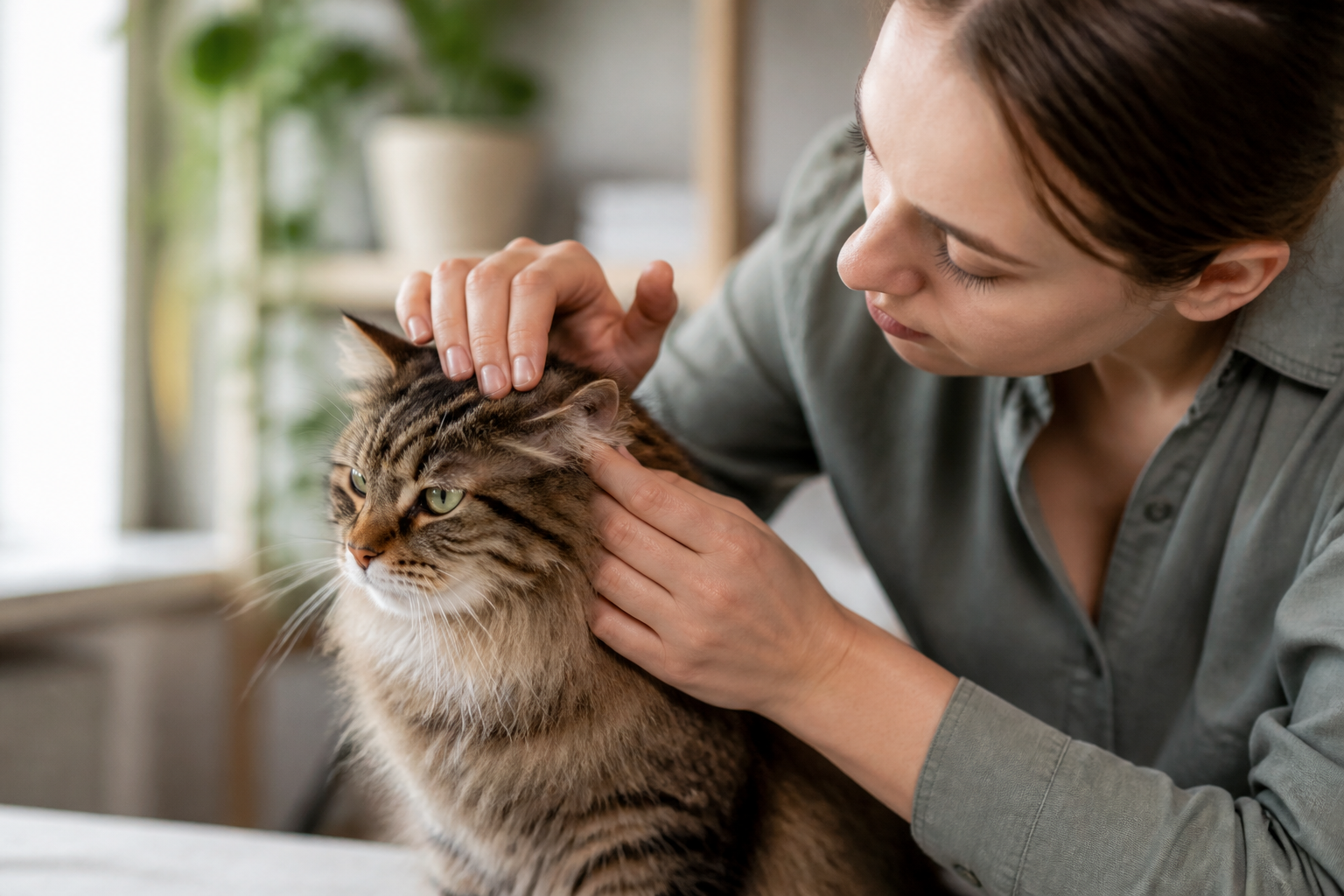
Vet Tip: If you notice your cat is losing hair, has red sores, or seems intensely itchy along with the dandruff, schedule a veterinary visit. These symptoms often indicate a parasitic infection or an underlying medical condition that requires professional diagnosis.
The Role of Weight and Mobility
Weight management is a frequent topic at BaxterBoo because it impacts so many areas of feline health. When a cat is obese, their skin health often suffers first. The area most affected is usually the lower back. Since the cat cannot reach this spot, the undercoat builds up and traps dead skin. This creates a cycle of irritation.
If your cat is older, they might be at a healthy weight but still have flakes. Arthritis is very common in senior cats. They may want to groom but find the physical effort too taxing. You might notice they only clean their front legs and chest. Helping these cats with daily brushing is a great way to support their comfort.
Supporting Mobility
If you suspect your cat is stiff, look for other signs. They may hesitate before jumping onto a favorite chair. They might sleep more than usual. In these cases, grooming becomes a bonding activity you provide for them. Our cat pharmacy carries medications and supplements that can help manage joint discomfort. Through our partnership with Pet's Choice, we offer FDA-approved options that can make it easier for your senior cat to move and groom again.
Managing Dandruff Through Grooming
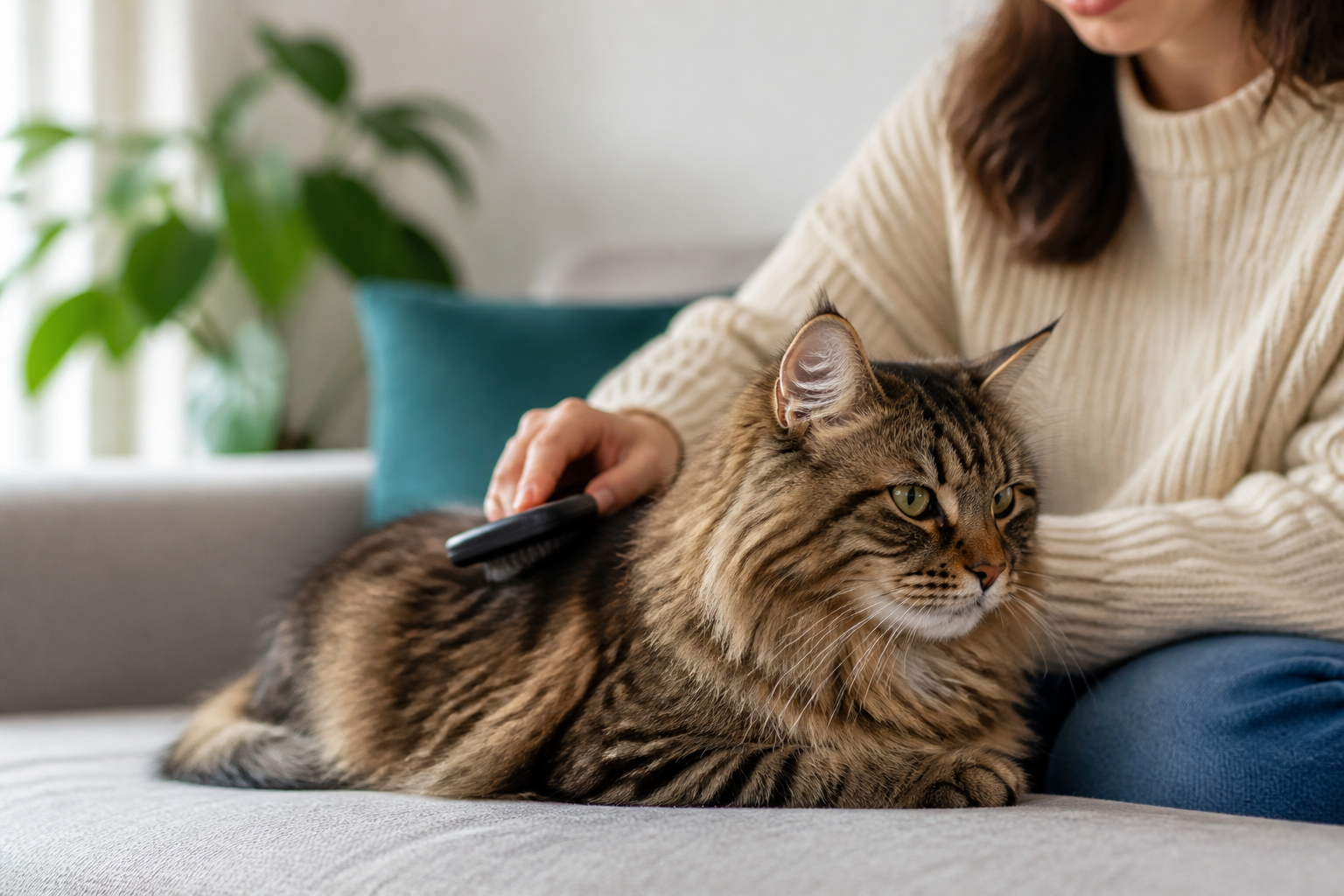
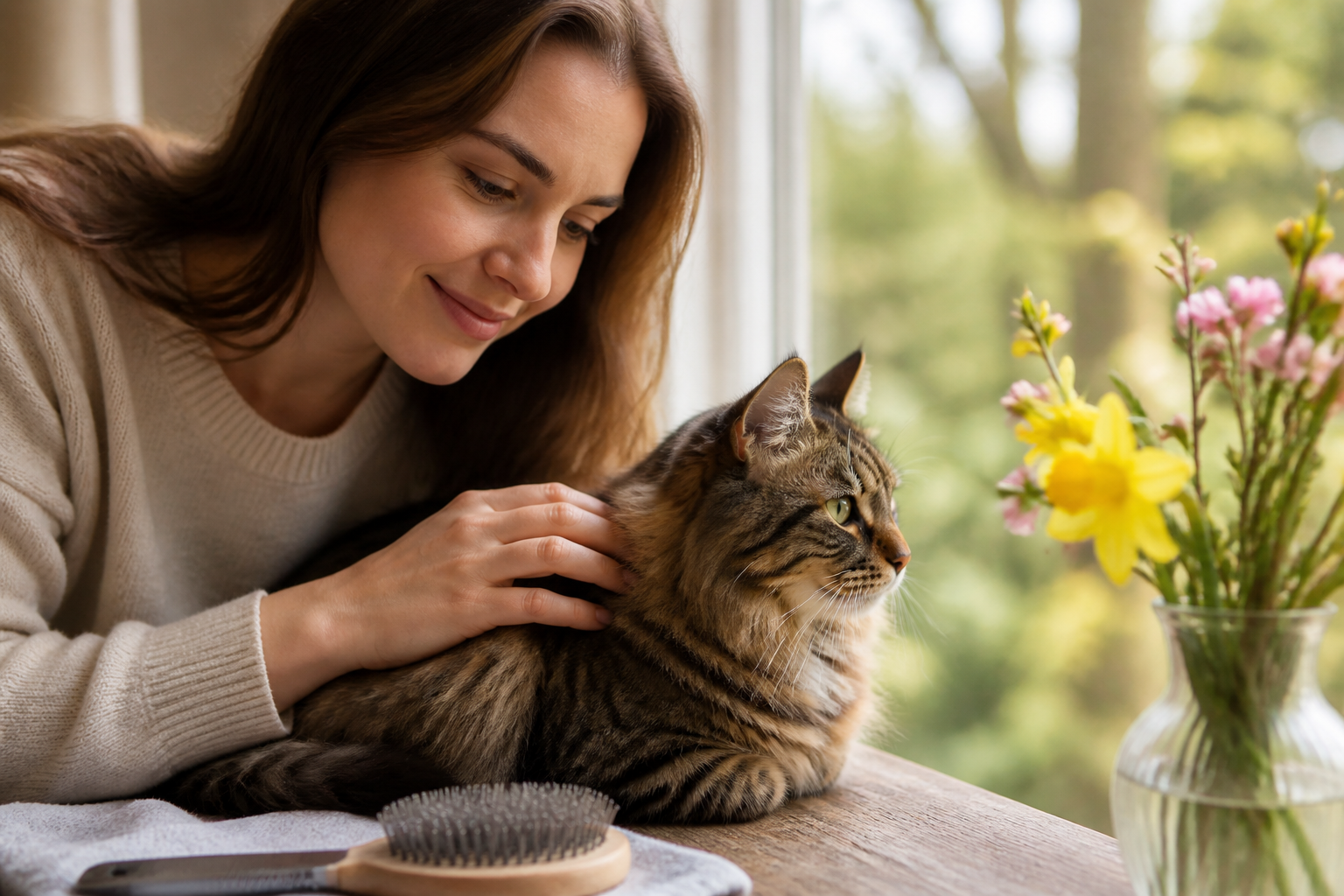
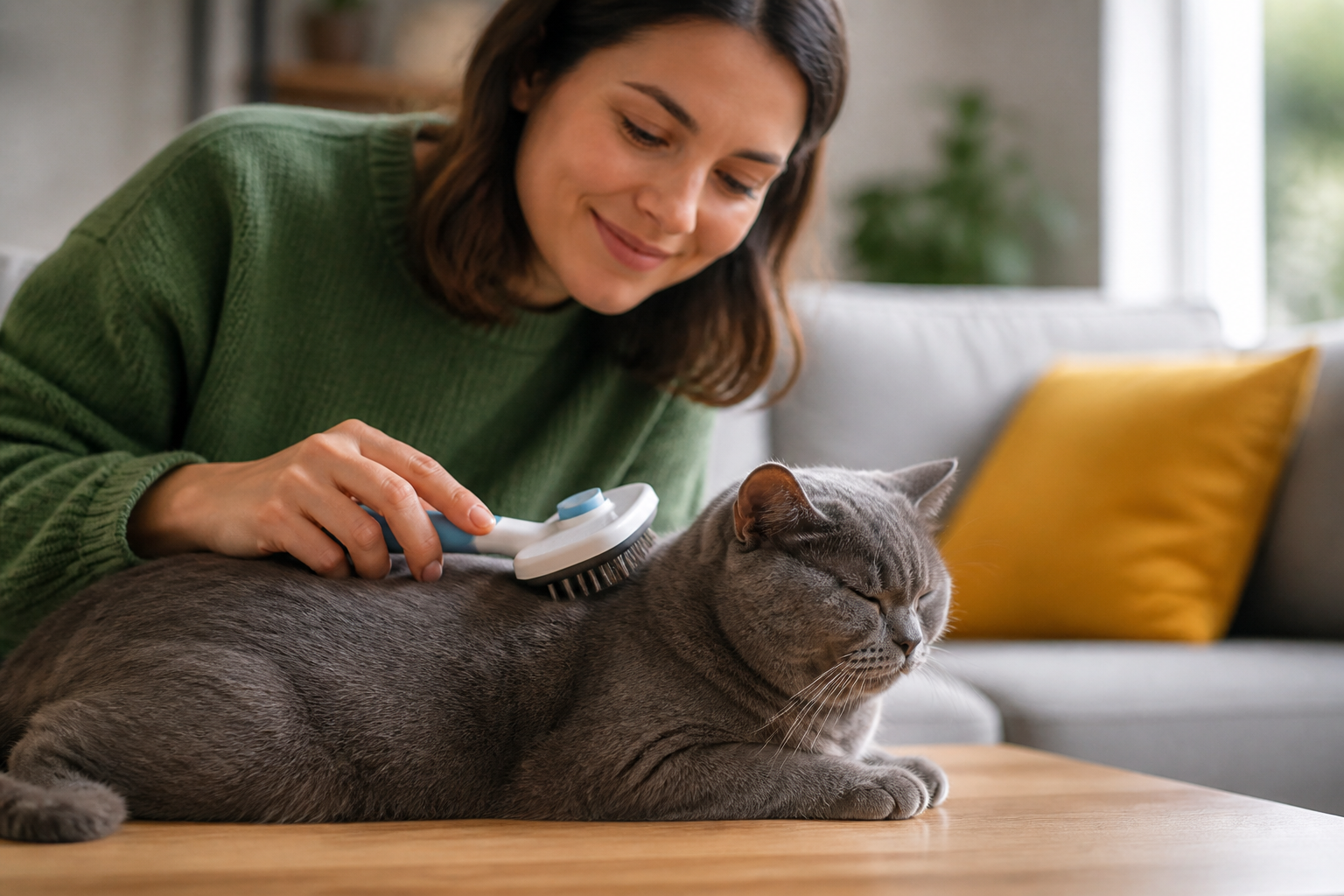
For many short-haired cats, a regular grooming routine is the best remedy. You do not need a complicated set of tools. A soft bristle brush or a rubber grooming mitt is usually enough for a short coat. Explore our cat grooming collection for brushes, wipes, and other coat-care supplies.
Step 1: Choose the right tool. / A rubber curry brush or a soft bristle brush works best for short hair. It pulls away loose fur without scratching the skin.
Step 2: Brush with the grain. / Start at the head and work toward the tail. Use gentle, sweeping motions to lift dead skin and loose hair.
Step 3: Pay attention to the lower back. / Spend extra time on the area just above the tail. This is where flakes tend to congregate.
Step 4: Wipe the coat. / Use a damp, soft cloth or a cat-safe grooming wipe after brushing. This picks up the tiny flakes the brush might have missed.
Bottom line: Regular brushing distributes natural skin oils across the coat and removes the buildup of dead skin cells before they become visible dandruff.
A two-sided tool such as the U-Groom Combo Brush for Dogs and Cats can help remove loose fur while smoothing the coat.
Nutritional Support for Healthy Skin
What goes into your cat's body is just as important as what you put on their coat. High-quality protein is the building block of healthy skin and fur. We recommend looking for foods that list a specific animal protein as the first ingredient. Browse our cat food category when comparing options.
Omega Fatty Acids
If your cat's skin is chronically dry, they may need a boost of healthy fats. Fish oil is a popular supplement for a reason. It is rich in EPA and DHA. These fatty acids reduce inflammation in the skin and help maintain a moisture barrier. You can find these in liquid pumps or soft chews. Most cats enjoy the taste of salmon or pollock oil added to their wet food.
Hydration
Cats are notoriously poor drinkers. If a cat is slightly dehydrated, their skin is one of the first places to show it. Adding wet food to their diet is a simple way to increase water intake. You might also consider a pet fountain. Many cats are more likely to drink moving water than still water from a bowl.
For additional food considerations involving hydration and fatty acids, read our guide to sensitive-stomach cat food choices.
Key Takeaway: A diet rich in Omega fatty acids and consistent hydration can significantly improve skin elasticity and reduce flaking from the inside out.
When to Consult the Pharmacy
Sometimes, dandruff is a symptom of a deeper medical issue. Conditions like hyperthyroidism, diabetes, and kidney disease can all change the quality of a cat's skin. These conditions often require prescription diets or long-term medication.
Our pharmacy at BaxterBoo provides a convenient way to manage these chronic health needs. Through our partnership with Pet's Choice, we offer a wide range of FDA-approved prescription pet foods and medications. If your vet has prescribed a specific diet to manage allergies or a systemic illness, we can help you get those supplies delivered to your door. This is especially helpful for managing recurring skin infections or severe flea allergies that require more than just over-the-counter solutions.
Environmental Adjustments
If your cat only has dandruff during the winter, the problem is likely environmental. You can take a few steps to make your home more skin-friendly for your cat.
- Use a humidifier: Adding moisture back into the air helps both you and your cat. Place it in the room where your cat spends the most time.
- Lower the heat: Very high indoor temperatures can dry out the skin quickly. Keeping the house at a moderate temperature is better for skin health.
- Avoid harsh cleaners: Some cats are sensitive to the chemicals in floor cleaners or laundry detergents. If your cat sleeps on a specific blanket, try washing it in a fragrance-free, pet-safe detergent.
Vet Tip: Never use human dandruff shampoos on your cat. These products often contain ingredients like zinc pyrithione or salicylic acid. These can be toxic to cats if they lick their fur after a bath. Always use products specifically formulated for felines.
How to Introduce a New Routine
If your cat is not used to being brushed or having supplements added to their food, take it slow. Sudden changes can cause stress, which can actually make skin conditions worse.
Step 1: Introduce the brush. / Let your cat sniff the grooming tool. Give them a treat so they associate the brush with something positive.
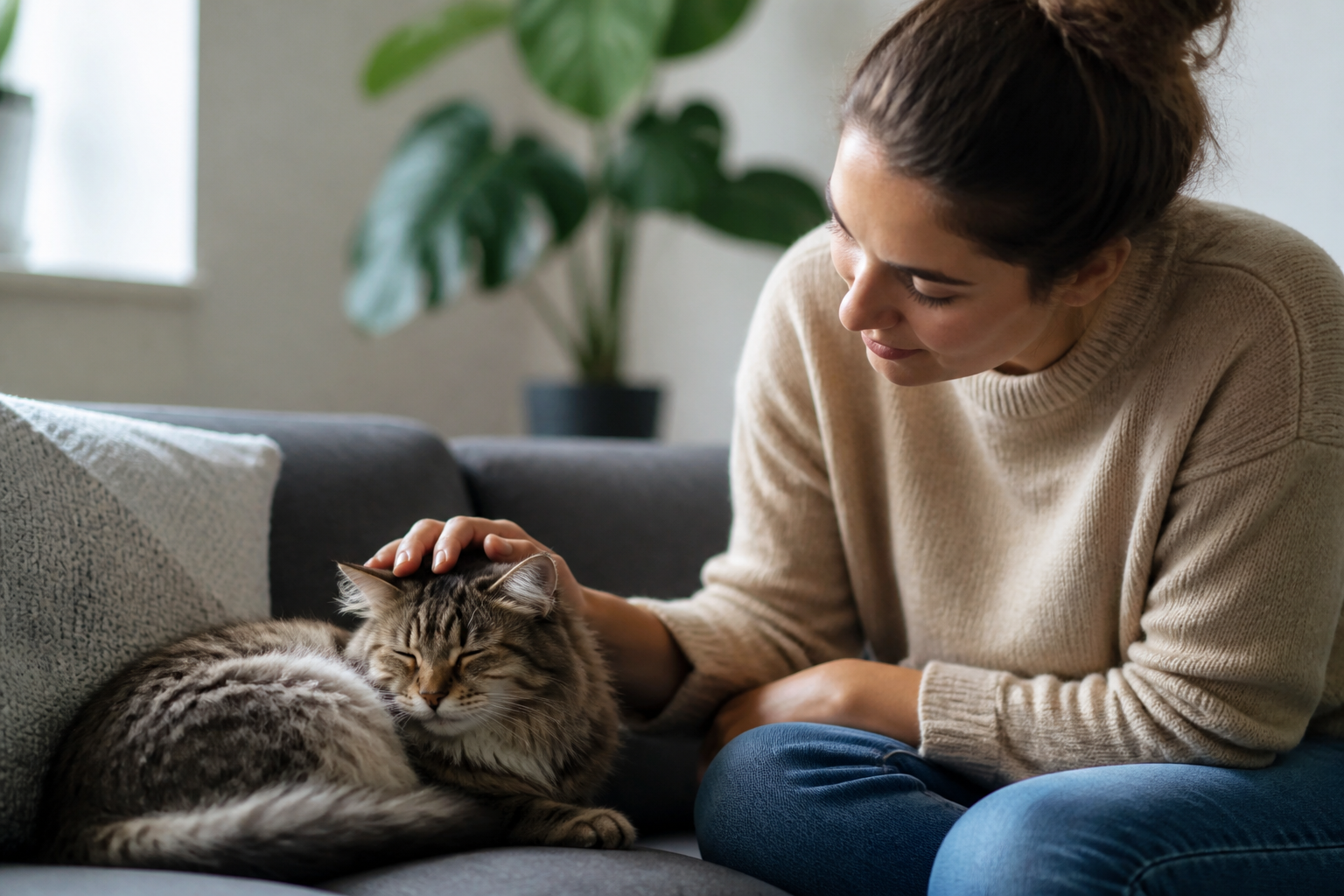
Step 2: Start with short sessions. / Brush for only one or two minutes at a time. Focus on the areas they enjoy being touched, like the chin or cheeks.
Step 3: Gradually move to the back. / Once they are comfortable, move to the areas where the dandruff is most visible.
Step 4: Monitor the skin. / Look for improvements over two to three weeks. If the flakes persist or the skin looks red, it is time for a vet checkup.
Summary of Best Practices
Caring for a short-haired cat with dandruff involves a multi-pronged approach. You need to address the physical buildup, the internal nutrition, and the home environment.
- Brush weekly: Even short hair needs help shedding.
- Check the weight: Help your cat stay lean so they can reach every spot.
- Boost Omegas: Consider a high-quality fish oil supplement.
- Hydrate: Use wet food or fountains to keep skin moisturized.
- Consult a vet: Rule out mites, allergies, or systemic diseases.
Bottom line: Most cases of short hair cat dandruff are manageable with consistent grooming and high-quality nutrition.
Conclusion
Seeing flakes on your cat can be frustrating, but it is usually a manageable issue. By paying attention to their grooming habits and providing the right nutrients, you can help your cat maintain a soft, shiny coat. Remember that your cat's skin is a window into their overall wellness. At BaxterBoo, we are here to support that journey with expertly picked grooming tools and a pharmacy that covers your cat's prescription needs. Whether you need a new rubber brush or a specialized skin-support diet through our Pet's Choice partnership, we have the resources to help. Keep a close eye on those flakes and do not hesitate to reach out to your veterinarian if you see signs of discomfort.
Key Takeaway: Effective dandruff management combines regular home grooming, proper hydration, and veterinary support for underlying medical needs.
FAQ
Is it normal for a short hair cat to have a little dandruff?
A few occasional flakes can be normal, especially during seasonal changes or in dry climates. However, if the dandruff is persistent, covers a large area, or is accompanied by itching, it usually points to an issue with grooming, diet, or health.
Can I get rid of cat dandruff by bathing my cat?
Bathing can help remove existing flakes, but it often dries out the skin further if done too frequently. It is better to focus on regular brushing and addressing the cause of the dry skin. If you must bathe your cat, use a moisturizing, soap-free shampoo designed specifically for felines.
What is walking dandruff in cats?
Walking dandruff is a nickname for the Cheyletiella mite. These parasites are large enough to be seen with the naked eye and look like moving white specks. This condition is highly contagious and requires specific treatment from a veterinarian to eliminate the mites from your cat and your home.
Will changing my cat's food help with their dandruff?
Yes, a diet change can often improve skin health if the current food lacks essential fatty acids or high-quality protein. Look for foods rich in Omega-3 and Omega-6. Always transition to a new food slowly over seven to ten days to avoid upsetting your cat's stomach.