
 Save 15% on your 1st Autoship learn more

 Email us
 Live Chat
 FAQs





Introduction
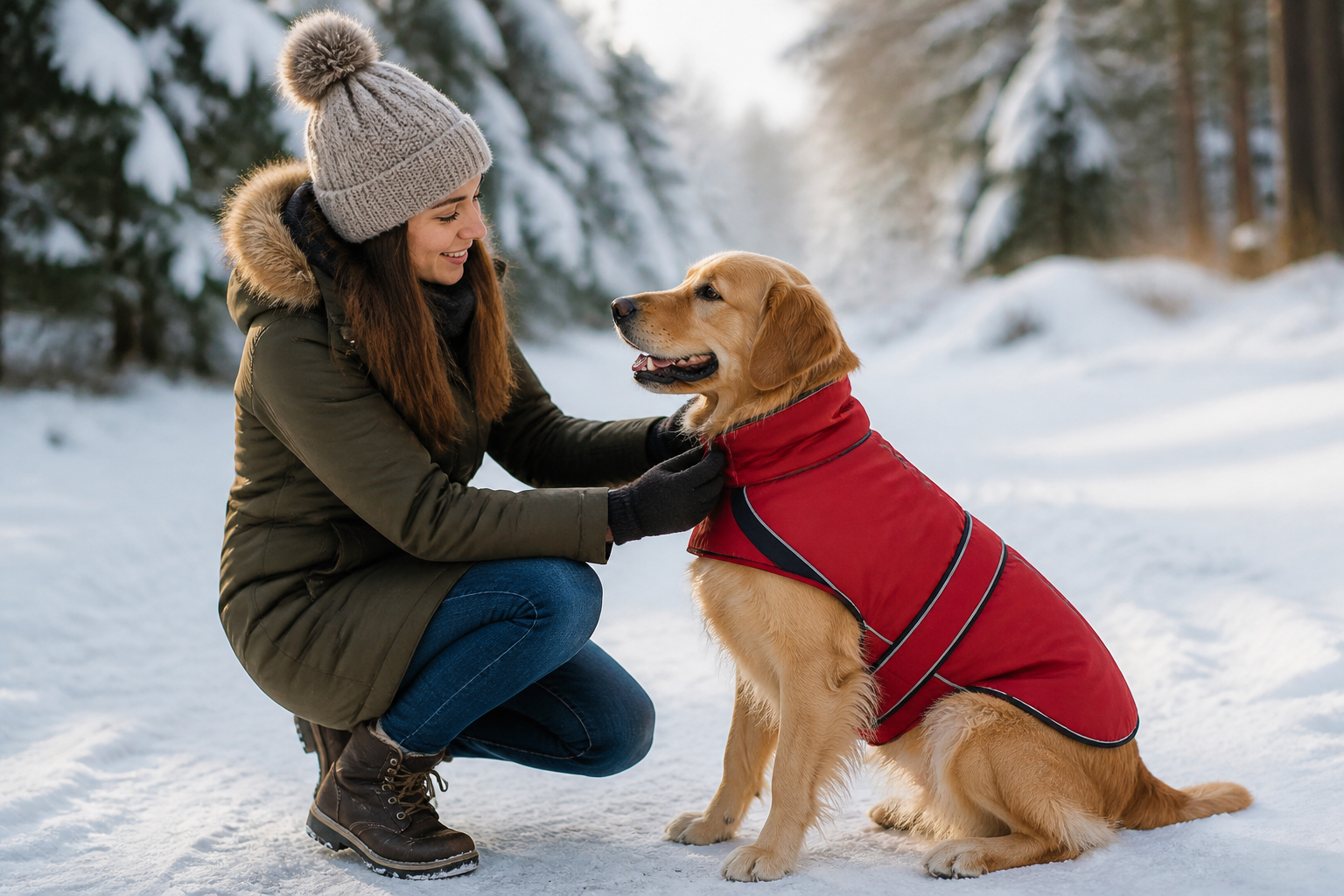
You step out for the first morning walk of the season and see your breath in the air. The grass is white with frost. While you are zipped up in a parka and scarf, your dog is already shivering at the end of the leash. This is the moment every pet owner realizes that a natural fur coat is not always enough for the American winter. At BaxterBoo, we know that choosing the right layer is about more than just looking cute in a holiday photo. It is a matter of safety and comfort for your best friend. This post covers which breeds need extra protection, how to choose the right materials for your local climate, and the best way to get an accurate measurement for a snug fit. Choosing a dog coat for winter involves understanding your pet's specific biology and matching it to the conditions outside.
Quick Answer: Most small, short-haired, or senior dogs need a winter coat when temperatures drop below 45 degrees Fahrenheit. Larger dogs with thick double coats may only need protection in extreme freezing conditions or wet snow.
Does Your Dog Actually Need a Winter Coat?
Not every dog requires an extra layer when the snow starts to fall. Some breeds are biologically engineered for sub-zero temperatures. Siberian Huskies, Alaskan Malamutes, and Bernese Mountain Dogs have thick, double-layered coats that trap heat against their bodies. If you put a heavy parka on a healthy Malamute in 30-degree weather, you might actually cause them to overheat.
However, many of our modern companions have lost that natural insulation. Small and toy breeds like Chihuahuas or Toy Poodles have very little body mass to generate heat. They lose warmth much faster than larger dogs. Similarly, lean-bodied dogs like Greyhounds and Whippets have very little body fat. Without a coat, they have no buffer against the wind and cold.
Senior dogs and puppies also fall into the high-priority category. Older dogs often manage chronic conditions like arthritis, which can become much more painful when their joints are cold. Puppies do not yet have the ability to regulate their body temperature as efficiently as adult dogs. If your senior dog is moving slower than usual in the cold, it might be time to look into our medical and mobility section. Cold weather can stiffen joints, and while a coat helps, some dogs may need prescription joint diets or supplements. Our pharmacy carries FDA-approved medications and prescription foods through our partnership with Pet's Choice to help manage these ongoing health needs.
Breeds and Sizes That Usually Need Coats
- Small and Toy Breeds: French Bulldogs, Pugs, Chihuahuas, and Yorkies.
- Lean and Low-Fat Breeds: Greyhounds, Whippets, and Italian Greyhounds.
- Short-Legged Dogs: Corgis, Dachshunds, and Basset Hounds whose bellies touch the snow.
- Clipped or Hairless Breeds: Chinese Cresteds or Poodles with recent grooming appointments.
- Seniors and Puppies: Any breed that struggles with temperature regulation or joint stiffness.
Vet Tip: If you notice your dog shivering, lifting their paws off the ground repeatedly, or refusing to move during a cold walk, they are likely experiencing the early stages of hypothermia. Consult your veterinarian if your dog seems unusually sensitive to the cold, as this can sometimes indicate underlying issues like hypothyroidism.
Winter Dog Coats


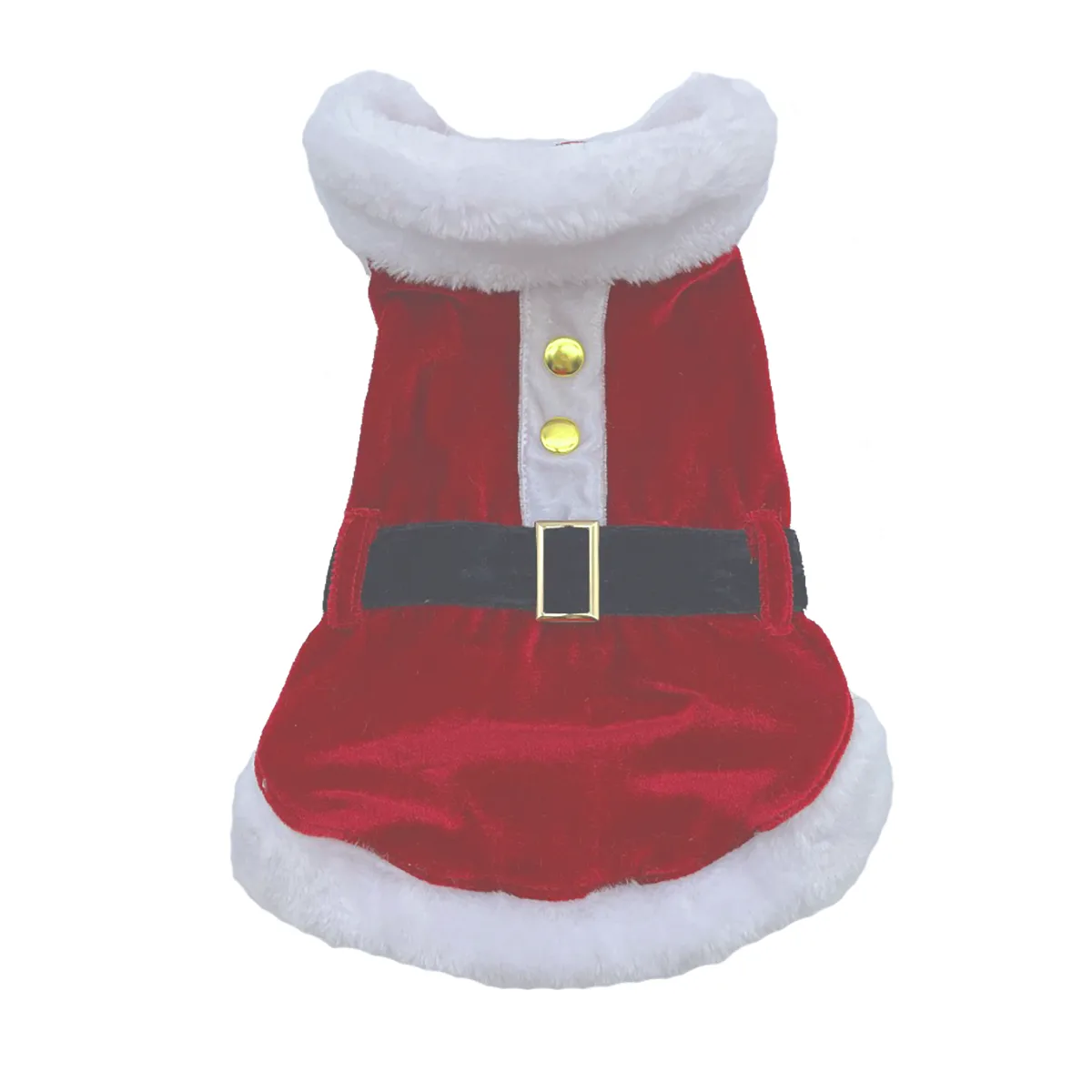


Matching the Coat Style to Your Local Climate
The term winter means different things depending on where you live. A dog in Seattle needs a different level of protection than a dog in Minneapolis. Choosing the wrong style can leave your dog either soaking wet or dangerously hot.
The Puffer Vest for Dry Cold
Puffer vests are excellent for clear, crisp days where the temperature is low but the ground is dry. These coats use synthetic insulation to trap body heat. They are usually lightweight, which is perfect for dogs that hate the feeling of heavy clothing. Brands like RC Pets offer vests that provide core warmth without restricting leg movement. This is a great choice for active dogs that love to run in the park. Browse our selection of RC Pets products for apparel and walking gear.
The Full-Coverage Parka for Deep Snow
If you live in an area with heavy snowfall, a parka is the gold standard. These usually feature a water-resistant outer shell and a fleece or faux-fur lining. Look for parkas that cover the chest and the majority of the belly. This is where most heat loss occurs, especially for shorter dogs. A good parka should also have a high collar to protect the neck and ears from biting winds. Find options in our dog clothing category.
The Lightweight Raincoat for Chilly Slush
In many parts of the country, winter is more about rain and slush than fluffy snow. A soaked dog is a cold dog. A waterproof raincoat with a light fleece lining is often better than a heavy insulated coat in these conditions. Keeping the fur dry is half the battle. This also saves you a lot of time on grooming and towel-drying after every walk.
Key Takeaway: Always prioritize core protection. Keeping the chest and belly dry and warm is more important than covering the legs or tail.
Essential Features for Safety and Convenience
When you are browsing the aisles of a store or looking through our warehouse selection, it is easy to get distracted by colors and patterns. However, the best dog coat for winter is defined by its functional features. A coat that is hard to put on will end up sitting in the closet.
First, look for harness and collar access. Many modern coats include a zippered opening on the back. This allows you to put the coat over a harness and still attach the leash easily. Without this, you have to put the harness over the coat, which often leads to a poor fit and reduced safety.
Second, consider visibility. Winter days are short, and you will likely be walking in the dark or in grey, foggy conditions. Reflective piping or bright colors are not just for fashion. They help drivers see you and your dog from a distance. Some of the high-performance brands we carry include 3M reflective material that shines brightly under headlights.
Finally, check the closure system. Velcro is very common and allows for a lot of adjustment. However, it can sometimes trap long fur or lose its stickiness when it gets clogged with snow and ice. Snaps or zippers are often more durable for heavy-duty winter use, though they offer less flexibility in sizing.
Bottom line: A functional winter coat must accommodate your existing walking gear and remain visible in low-light conditions to ensure your dog's safety.
How to Measure Your Dog for a Perfect Fit
A coat that is too tight will chafe and cause skin irritation. A coat that is too loose will let cold air in and might even cause your dog to trip. You cannot rely on weight alone because a 20-pound Bulldog has a much different shape than a 20-pound Greyhound. At BaxterBoo, we always recommend using a soft measuring tape for the most accurate results.
Step 1: Measure the back length. Place the tape at the base of the neck, where the collar sits, and measure to the base of the tail. This ensures the coat covers the full length of the spine.
Step 2: Measure the chest girth. Wrap the tape around the widest part of your dog's chest, usually right behind the front legs. This is the most critical measurement because it determines if the coat will actually close.
Step 3: Measure the neck circumference. Wrap the tape around the neck where a collar would naturally sit. Make sure you can fit two fingers between the tape and your dog to ensure they can breathe and move comfortably.
Step 4: Check for a sanitary cutout. Ensure the coat design allows your dog to go to the bathroom without the fabric getting in the way. For male dogs, the underside of the coat should end mid-belly to avoid messes.
| Breed Type | Typical Shape | Measurement Focus |
|---|---|---|
| Deep-Chested (Boxer, Greyhound) | Narrow waist, wide chest | Prioritize Girth |
| Long-Bodied (Dachshund, Corgi) | Short legs, long spine | Prioritize Length |
| Stocky (Bulldog, Pug) | Thick neck, round body | Prioritize Neck & Girth |
| Toy (Chihuahua, Yorkie) | Small overall | Smallest sizing increments |
For more fit guidance, read these dog clothing measurement tips.
Introducing Your Dog to Their New Gear
Some dogs take to clothing immediately, while others freeze in place as if they have been turned to stone. If your dog is a first-time coat wearer, do not force them into a long walk right away. This can create a negative association with the cold and the clothing.
Start by letting your dog sniff the coat on the floor. Give them a treat for showing interest. Once they are comfortable with the object, try draping it over their back without fastening it. Praise them and offer another treat. Gradually move to fastening the straps for just a few minutes inside the house.
If your dog seems stressed, check the fit. Is the fabric rubbing against their armpits? Is the neck too tight? Sometimes a different style, like a cape-style coat that does not require putting legs through holes, is a better choice for sensitive pets. Once they are walking normally inside, take them for a short trip to the backyard. Use plenty of positive reinforcement so they associate the coat with fun and rewards.
Key Takeaway: Patience and positive reinforcement are essential for dogs that are nervous about wearing new clothing. Never force a dog into a coat if they are showing signs of extreme distress.
Care and Maintenance of Winter Apparel
Winter coats take a beating. They get covered in road salt, mud, slush, and dog hair. If you leave a damp coat in a pile on the floor, it can grow mold or bacteria, which may lead to skin infections. This is especially true for dogs with existing skin allergies. If your dog experiences redness or itching after wearing their winter gear, you may want to look into our allergy relief options. Our pharmacy offers treatments for skin conditions that can be aggravated by winter weather and damp clothing.
Most high-quality coats are machine washable, but you should always check the tag first. Use a pet-safe, fragrance-free detergent to avoid irritating your dog's nose or skin. It is usually best to hang the coat to dry. High heat in a dryer can damage waterproof coatings and shrink fleece linings.
During the height of winter, try to have two coats on hand. This ensures your dog always has a dry one to wear while the other is in the wash or drying from a previous walk. This is where programs like our MVP Rewards programme can help you save on a second "backup" coat while earning points for future purchases.
Bottom line: Regular cleaning and thorough drying are necessary to prevent skin irritation and ensure the longevity of your dog's winter wardrobe.
Common Myths About Dogs and the Cold
There are several misconceptions that can lead to poor choices for pet safety. One common myth is that all big dogs are fine in the cold. A Great Dane has very short fur and almost no body fat; they are much more susceptible to the cold than a small, fluffy Pomeranian. Size is not the only factor in cold tolerance.
Another myth is that dogs do not need coats if they are only going outside for a few minutes. While a healthy dog can handle a quick potty break, wind chill can drop temperatures to dangerous levels in seconds. If it is cold enough for you to need a jacket for a two-minute trip to the mailbox, your short-haired dog likely needs one too.
Finally, some owners believe that sweaters are enough for all winter weather. Sweaters are great for indoor use or dry fall days, but they are dangerous in the snow. Knitted material acts like a sponge, soaking up cold water and holding it against your dog's skin. This can actually make your dog colder than if they were wearing nothing at all. Always use a water-resistant outer layer if there is snow or rain.
Vet Tip: Monitor your dog's paws as much as their body. Ice, snow, and salt can cause painful cracks or chemical burns. Consider pairing a winter coat with dog boots for cold-weather walks or a protective paw balm for full protection. Read more about winter paw care and protection.
Conclusion
Preparing your dog for the winter is one of the most important things you can do as a pet owner. A high-quality coat provides the insulation and protection necessary to keep your dog active and happy through the darkest months of the year. By understanding your dog's specific needs based on their breed, age, and your local climate, you can make an informed choice that balances style with essential function.
- Assess your dog's breed and health to determine if they need extra warmth.
- Choose a style—puffer, parka, or raincoat—that matches your local weather.
- Measure your dog's length, girth, and neck for a safe and comfortable fit.
- Look for safety features like reflective trim and harness access.
- Keep the gear clean and dry to prevent skin issues.
Key Takeaway: A well-fitted winter coat turns a shivering, miserable walk into a comfortable outdoor adventure for your dog.
If you are ready to get your dog fitted for the season, we invite you to browse our dog clothing category. Whether you need a heavy-duty parka for mountain hikes or a simple fleece for neighborhood strolls, we have curated the best brands to keep your pet warm.
FAQ
At what temperature should my dog start wearing a coat?
Most experts recommend a coat when temperatures fall below 45 degrees Fahrenheit, especially for small breeds or short-haired dogs. When the temperature hits the freezing mark at 32 degrees, senior dogs, puppies, and thin-coated breeds should definitely have a layer on. Once it drops below 20 degrees, even some thick-coated dogs may need protection for extended walks.
Can my dog wear a coat inside the house?
While most dogs do not need a coat indoors, a light sweater or fleece can be helpful for senior dogs or those in very drafty homes. However, you must monitor them for signs of overheating, such as panting or seeking out cold tile floors. Never leave a heavy, waterproof outdoor parka on a dog inside, as they can quickly become too hot.
How tight should a dog coat be?
A dog coat should be snug enough to keep body heat in but loose enough to allow for a full range of motion. You should be able to slide two fingers comfortably under any part of the coat, including the neck and belly straps. If you see your dog's skin pinching or if they are walking with a stiff, unnatural gait, the coat is likely too tight.
What is the best material for a dog winter coat?
For maximum warmth and durability, look for a coat with a polyester or nylon outer shell and a fleece or synthetic down lining. The outer layer should be water-resistant or waterproof to keep snow and slush from soaking through to the skin. Fleece is excellent for insulation, but it should always be covered by a weather-resistant shell if you expect wet conditions.



- Site & Contents BaxterBoo.com. BaxterBoo is located in the United States.
- Privacy & Security
- Terms of Use
- Accessibility Statement
