Save 15% on your 1st Autoship learn more

 Email us
 Live Chat
 FAQs
FAQs





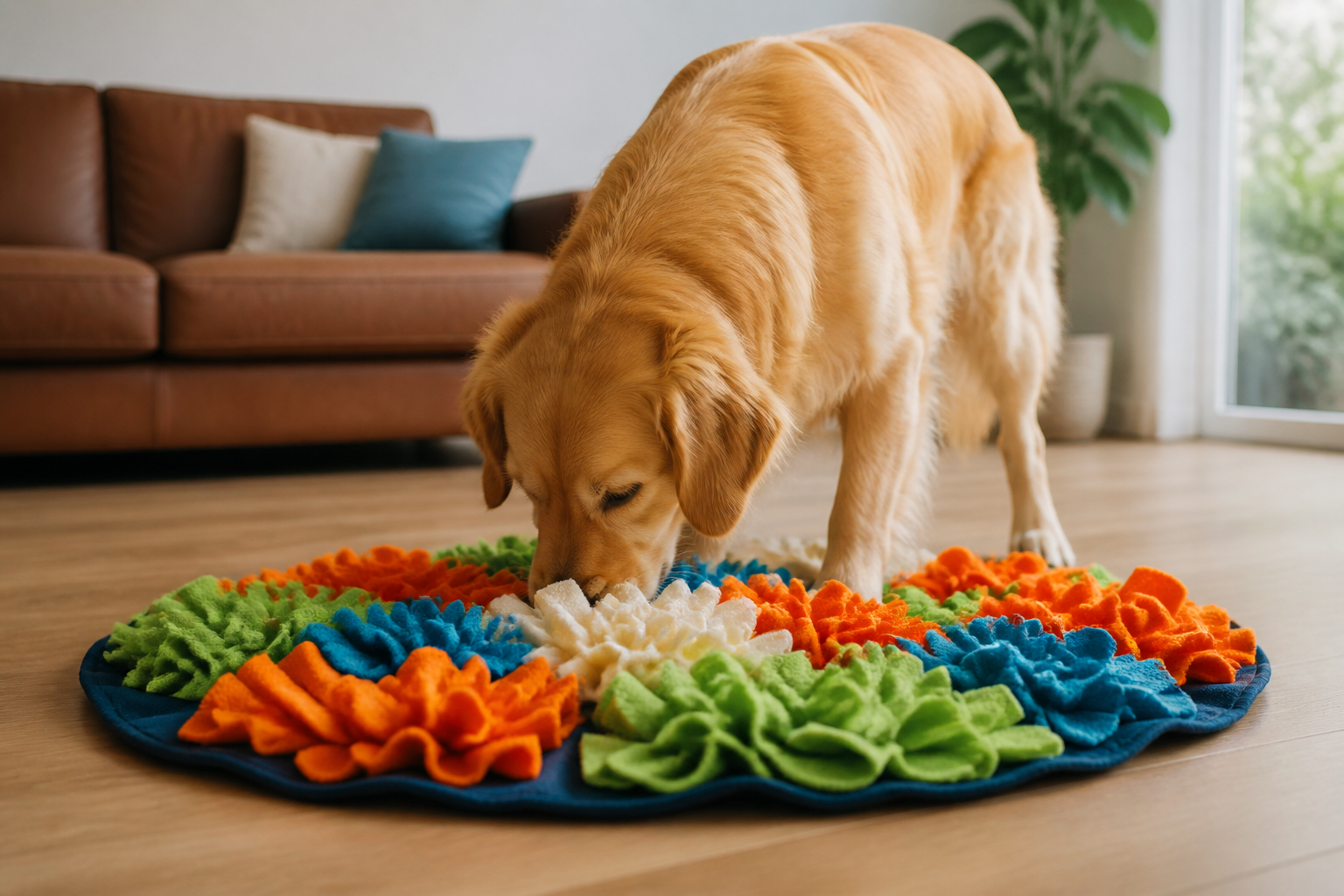
Table of Contents
- Introduction
- Understanding the Snuffle Mat for Large Dogs
- Benefits of Enrichment for Big Breeds
- Slowing Down the Speed Eaters
- Essential Features for Large Breed Mats
- How to Introduce the Mat to Your Dog
- Safety and Maintenance
- Choosing the Right Treats
- Comparing Snuffle Mats to Other Enrichment Toys
- Addressing Common Problems
- Why Quality Matters for Large Dogs
- Conclusion
- FAQ
Introduction
Your large dog just finished their dinner in roughly thirty seconds. Now, they are pacing the living room with an unspent burst of energy while you are trying to settle in for the evening. This scenario is familiar to many owners of Labradors, Shepherds, and other big breeds who possess high intelligence and a drive to forage. Standard toys often fail to keep these powerful dogs occupied for more than a few minutes. At BaxterBoo, we know that physical exercise is only half the battle when it comes to a happy, tired dog. Mental stimulation is the missing piece of the puzzle for many active pets. This guide covers how to choose a snuffle mat for large dogs to slow down fast eaters and provide essential brain games. Using their nose is one of the most natural ways for a dog to decompress and focus.
Quick Answer: A snuffle mat is a fabric puzzle designed to hide dry food or treats within layers of felt or fleece. It encourages large dogs to use their sense of smell to find their meal, which slows down eating and provides significant mental stimulation.
Understanding the Snuffle Mat for Large Dogs
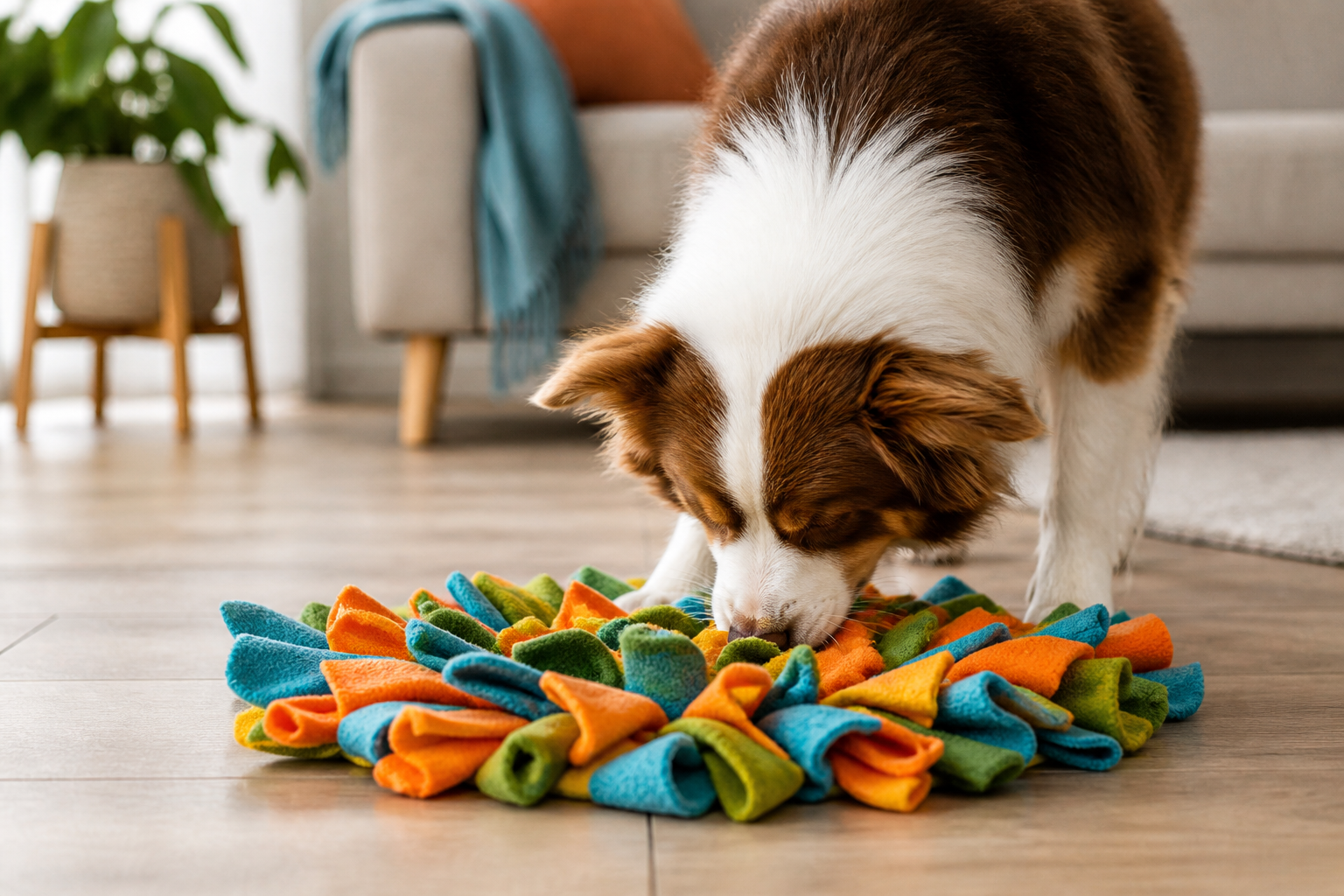
A snuffle mat is essentially a specialized foraging tool. It usually consists of a sturdy backing with hundreds of fabric strips or pockets attached to the top. When you scatter kibble across the surface and ruffle the fabric, the food disappears into the layers. Your dog must then use their nose to "snuffle" through the material to locate each individual piece of food.
For a large dog, the challenge needs to match their size and persistence. Many standard mats are designed for smaller breeds and may be too flimsy for a dog with a heavy head and strong paws. A proper mat for a big dog needs to be large enough to hold a full meal and durable enough to withstand a bit of tugging.
Why Sniffing Matters
A dog's sense of smell is their primary way of processing the world. The part of their brain dedicated to analyzing scents is nearly 40 times larger than ours. When a dog engages in focused sniffing, it lowers their heart rate and releases endorphins. This makes snuffle mats an excellent tool for dogs who struggle with anxiety or over-excitability.
Experts often note that fifteen minutes of intense sniffing can be as tiring for a dog as an hour-long walk. This does not replace physical activity, but it is an invaluable tool for rainy days or for senior dogs with limited mobility. For additional ideas, explore these indoor enrichment activities for dogs.
Benefits of Enrichment for Big Breeds
Large dogs often have a lot of stamina. While a walk around the block might barely warm them up, a mental challenge hits a different kind of exhaustion. Using an enrichment mat provides several key benefits:
- Boredom Buster: It prevents destructive behaviors like chewing furniture by giving the dog a constructive "job" to do.
- Anxiety Relief: The repetitive motion of sniffing and searching is inherently calming for most dogs.
- Cognitive Support: For senior dogs, solving puzzles helps keep their minds sharp and may slow the onset of age-related cognitive decline.
- Confidence Building: Shy or fearful dogs often gain confidence by successfully completing a "search and find" task.
Key Takeaway: Snuffling is a species-appropriate behavior that allows dogs to satisfy their natural hunting and foraging instincts in a safe, indoor environment.
Slowing Down the Speed Eaters
One of the most practical uses for a snuffle mat is as a replacement for a standard food bowl. Many large breeds are prone to "wolfing" their food. This rapid ingestion of air and kibble can lead to digestive upset or, more seriously, a condition known as bloat or Gastric Dilatation-Volvulus.
By spreading a meal across a snuffle mat, you force the dog to eat one or two pieces of kibble at a time. This can extend a thirty-second meal into a ten or fifteen-minute activity. This slower pace allows the stomach to process the food more effectively and helps the dog feel fuller. For another option, consider slow-feed bowls and enrichment feeders.
Vet Tip: If your dog is a chronic speed eater or has a history of digestive issues, consult your veterinarian about specialized diets. Our pet pharmacy offers a variety of prescription pet foods through our partnership with Pet's Choice that can help manage specific gastrointestinal needs.
Essential Features for Large Breed Mats
When shopping for a snuffle mat for a large dog, you cannot just grab the first one you see. The physical power of a big dog means the mat has to meet certain criteria to be effective and safe.
Size and Surface Area
A large dog has a large muzzle. If the mat is too small, they will simply flip the whole thing over to get the treats. Look for a mat that is at least 18 to 24 inches wide. This provides enough space for them to move their head around without constantly pushing the mat across the floor.
Non-Slip Backing and Suction
Large dogs tend to use their weight when they forage. Without a non-slip bottom, the mat will slide into the baseboards or under the couch. Some mats come with heavy rubber backing, while others feature suction cups for use on tile or hardwood floors. This keeps the activity in one place.
Material Quality
The fabric should be non-toxic and durable. High-density polar fleece is the standard because it is soft on the nose but resistant to fraying. Avoid mats with small plastic parts or loose threads that a dog could accidentally ingest.
Difficulty Levels
Some dogs are "snuffle pros," while others get frustrated easily.
- Level 1 (The Shag Pile): Long, loose strips of fabric that make it easy to find treats.
- Level 2 (Pockets and Flaps): Requires the dog to move fabric out of the way or nose into a pocket.
- Level 3 (Complex Puzzles): Includes cups, loops, and cinched areas that require more precise nose work.
| Feature | Why It Matters for Large Dogs | What to Look For |
|---|---|---|
| Base Weight | Prevents the dog from picking up and shaking the mat. | Heavy rubber or thick silicone. |
| Strap Loops | Allows you to tether the mat to a table leg. | Reinforced nylon webbing. |
| Washability | Large dogs produce more saliva and crumbs. | Machine washable and dryer safe. |
| Fabric Density | Holds treats deeper so the dog has to work harder. | Multiple layers of thick fleece. |
How to Introduce the Mat to Your Dog
If you simply drop a fully loaded mat in front of a dog who has never seen one, they might try to chew the fabric or dig at it with their paws. A structured introduction ensures they understand the goal is to sniff, not destroy.
Step 1: Start simple. / Place three or four high-value treats directly on top of the fabric while your dog is watching. Use a release cue like "find it" to let them begin.
Step 2: Increase the difficulty. / Once they understand the treats are in the fabric, tuck a few just slightly under the top layer of fleece. Let them sniff those out.
Step 3: Transition to full meals. / When the dog is successfully using their nose rather than their paws, start mixing their regular kibble into the deeper layers. Ruffle the fabric with your hand to hide the food completely.
Step 4: Supervise the session. / Always stay with your dog during the first few weeks of use. If they start to bite the mat, gently redirect them back to sniffing or take the mat away for a few minutes.
Bottom line: A slow, positive introduction prevents frustration and protects the mat from being treated like a tug toy.
Safety and Maintenance
Because these mats involve food and saliva, hygiene is a major concern. Over time, crumbs and moisture can lead to bacteria growth or mold if the mat is not cleaned regularly. Most quality snuffle mats we carry at BaxterBoo are designed to be tossed in the washing machine.
Cleaning Tips
- Shake it out: Always shake the mat outside after every use to remove any leftover crumbs.
- Cold water wash: Use a pet-safe, scent-free detergent on a gentle cycle.
- Air dry: While some can go in the dryer on low heat, air drying helps maintain the integrity of the non-slip backing.
- Inspect often: Check for loose strips or damaged backing after every wash. If a piece of fabric becomes loose, trim it off so your dog doesn't eat it.
Supervision is Key
No snuffle mat is indestructible. Even the toughest fleece can be shredded by a determined large breed. This is an interactive puzzle, not a chew toy. Once your dog has finished finding all the food, pick the mat up and store it out of reach. This keeps the mat clean and ensures it remains an "exciting" high-value activity rather than just another piece of floor clutter.
Choosing the Right Treats
The success of a snuffle session depends largely on what you hide inside. If the treats are too big, they will sit on top and the game will end too quickly. If they are too small and have no scent, the dog may lose interest.
For everyday use, dry kibble is the best option. It is easy to clean and doesn't leave a mess. For a more challenging session, use small, smelly treats. Dehydrated liver or salmon treats are excellent because the strong scent encourages the dog to keep working. Avoid wet food, peanut butter, or greasy treats, as these will ruin the fabric and require immediate washing. Browse our dog treats for dry options suited to enrichment games.
Vet Tip: Monitor the total number of treats you use in a day to prevent weight gain. Large breeds are often prone to joint issues, and maintaining a healthy weight is vital for their long-term mobility. If you are managing your dog's weight, subtract the amount of kibble used in the mat from their daily meal total.
Comparing Snuffle Mats to Other Enrichment Toys
While snuffle mats are fantastic, they are part of a larger world of enrichment. It is helpful to understand where they fit in your dog's routine compared to other options. You can also find more ideas in this guide to dog boredom busters and puzzle play.
Lick Mats
Lick mats are flat silicone pads with textures meant for spreads like yogurt or wet food. These are better for high-stress moments like baths or nail trims because the act of licking is extremely soothing. However, they do not provide the same "search and find" mental workout as a snuffle mat.
Hard Plastic Puzzles
These often involve sliding doors or spinning wheels. They are great for smart dogs but can be noisy on hard floors. They also don't engage the sense of smell quite as deeply as the soft fibers of a snuffle mat.
Treat Dispensing Balls
These are physical toys that the dog must roll around to drop food. They provide more physical movement than a snuffle mat but can be frustrating for dogs who prefer to use their noses rather than their paws. For more options, explore our puzzle dog toys.
Key Takeaway: A snuffle mat is the best choice for low-impact, high-intensity mental work that focuses specifically on a dog's olfactory capabilities.
Addressing Common Problems
Even with the best gear, you might run into a few hurdles when using a snuffle mat with a large dog.
The "Flipper"
If your dog insists on flipping the mat over to dump the food, it usually means the mat is too light or the treats are too hard to find. Try using a heavier mat or one with suction cups. You can also try holding one edge of the mat while they work to encourage them to use their nose.
The "Digger"
Some dogs try to use their paws to scratch the food out. This can tear the fabric. If this happens, stop the session and ask for a "sit." Restart when they are calm. Use higher-value treats that they can smell easily to remind them that their nose is the best tool for the job.
The "Quitter"
If a dog walks away before the mat is empty, the challenge might be too hard. Make it easier by leaving more treats on the surface. You want them to feel successful so they stay engaged.
Why Quality Matters for Large Dogs
It can be tempting to buy the cheapest mat available, but for a large breed, quality is a safety issue. Thin fabrics can be easily swallowed, and cheap dyes can irritate a dog's sensitive nose. At BaxterBoo, we curate our selection to ensure the materials are safe and the constructions are durable enough for real-world use.
Large dogs bring a lot of "wear and tear" to their belongings. Investing in a mat with reinforced stitching and premium fleece means it will survive the washing machine and the enthusiasm of a 90-pound dog. We have been helping pet owners find the right gear since 2006, and we know that a well-made tool makes daily care much easier.
Conclusion
Introducing a snuffle mat into your large dog’s routine is one of the simplest ways to improve their quality of life. It turns a mundane meal into an engaging activity that tires the brain and calms the spirit. By choosing a mat with the right size, durability, and safety features, you can provide hours of enrichment that helps manage energy levels and eating habits. Whether you have a high-energy puppy or a senior dog needing a gentle mental workout, the right gear makes all the difference.
- Choose a mat with a non-slip base to handle the strength of a large dog.
- Prioritize machine-washable materials for easy hygiene.
- Use the mat to slow down fast eaters and prevent digestive distress.
- Always supervise use and store the mat when the session is over.
To find the perfect fit for your dog, explore our collection of enrichment toys and medical supplies. If you are managing your dog's digestion or weight through specialized food, remember that our pharmacy can help with prescription options. For recurring food and treat purchases, you can also review our Autoship programme.
Bottom line: A snuffle mat is an essential tool for any large dog owner looking to balance physical exercise with natural mental stimulation.
FAQ
Can I use a snuffle mat for a dog that is a heavy chewer?
You can use a snuffle mat for a heavy chewer, but you must provide strict supervision. These mats are not designed to be chewed or tugged, so you should remove the mat as soon as the dog stops sniffing and starts gnawing. For dogs who are very destructive, look for mats made with heavy-duty webbing rather than thin felt strips.
How often should I wash my large dog's snuffle mat?
A general rule is to wash the mat every one to two weeks, depending on how much your dog drools and how many crumbs are left behind. If you use it for every meal, you might want to wash it more frequently. Always shake it out after every use to keep it as fresh as possible between deep cleanings.
Is a snuffle mat safe for dogs with flat faces like Bullmastiffs?
Yes, snuffle mats are actually excellent for brachycephalic or flat-faced breeds. Because the fabric is soft and flexible, it is much easier for them to navigate than hard plastic puzzles or deep bowls. It allows them to use their nose without putting pressure on their face or struggling with awkward angles.
Can I put wet food or canned food in a snuffle mat?
It is strongly recommended to stick to dry kibble or dry treats. Wet food will soak into the fabric strips, creating a significant mess and making the mat very difficult to clean. If you want to use wet food for enrichment, a silicone lick mat or a stuffable rubber toy is a much better choice for your pet.