
 Save 15% on your 1st Autoship learn more

 Email us
 Live Chat
 FAQs
FAQs





Introduction
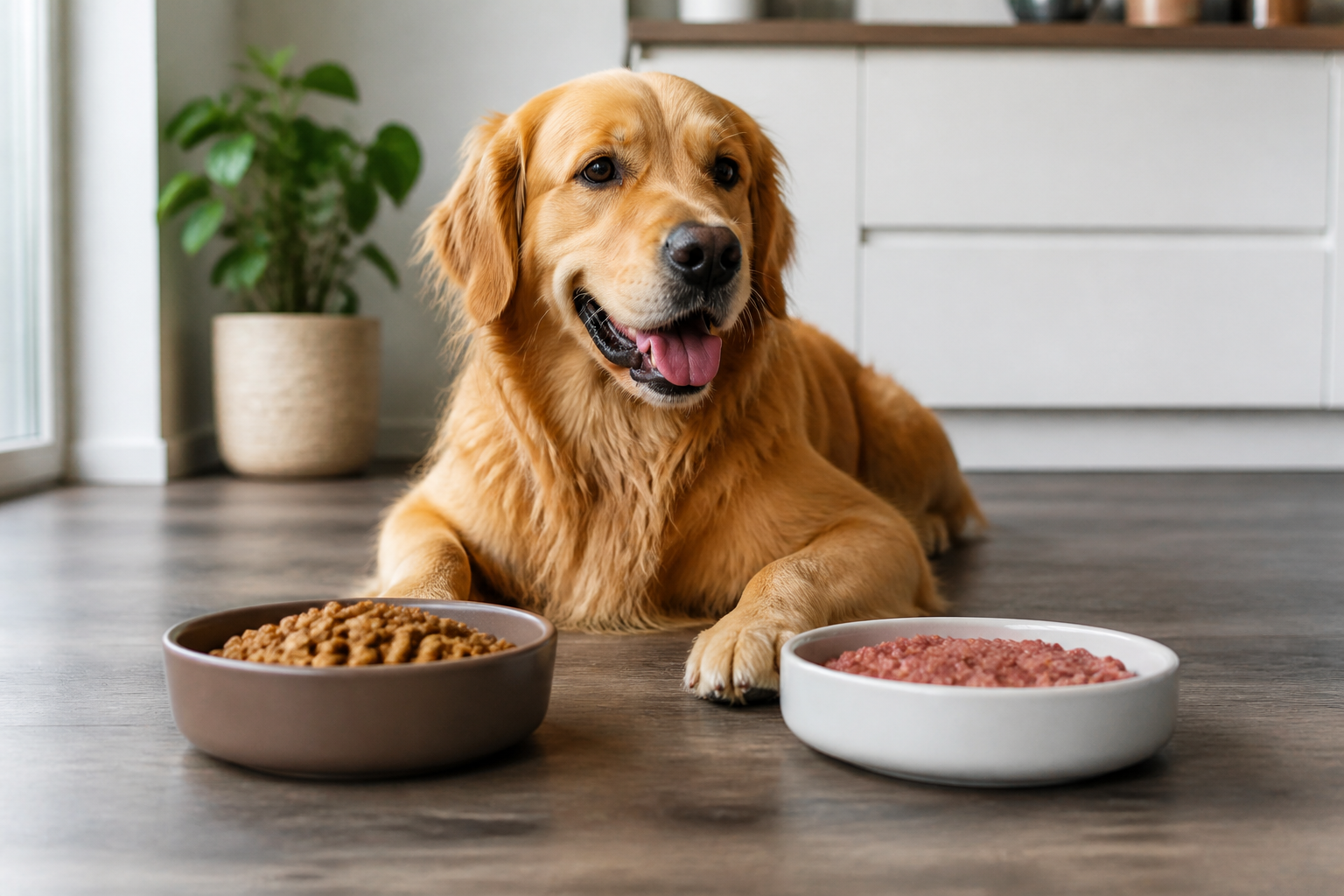
You are standing in the pet food aisle. On one side are large, heavy bags of crunchy kibble. On the other side are stacks of colorful cans and pouches. Every brand promises health and happiness for your pet. You want to make the right choice, but the options feel endless. At BaxterBoo, we hear this question from pet parents every single day. Deciding between wet and dry food is one of the most basic but important choices you will make for your dog. Both options can provide excellent nutrition, yet they serve different roles in a dog's life. This article will help you understand the benefits of each format. We will also look at when a combination of both might be the best path forward.
Quick Answer: Both wet and dry foods provide complete nutrition when they are high-quality and balanced. Dry food is convenient, cost-effective, and supports dental health. Wet food offers superior hydration and higher palatability for picky eaters or senior dogs.
Understanding the Difference in Processing
The biggest difference between these two types of food starts in the factory. It is not just about the water content. The way the ingredients are handled changes the final product. Dry dog food is usually made through a process called extrusion. The ingredients are mixed into a dough and then cooked under high pressure. This dough is pushed through a die to create the shapes we know as kibble. After it is cooked, the kibble is dried to remove almost all moisture. Manufacturers often spray the outside with fats or vitamins to keep it stable and tasty.
Wet food follows a different path. The ingredients are ground up and mixed with a gravy or jelly that contains vitamins and minerals. This mixture is put into a can or pouch and then sealed. The container is heated to a very high temperature to kill any bacteria and cook the food. This process creates a sterile environment that allows the food to stay fresh for a long time without needing many preservatives.
Key Takeaway: Dry food is cooked and dried to remove moisture. Wet food is cooked and sterilized inside its own packaging to retain high moisture levels.
The Practical Benefits of Dry Dog Food
Dry food remains the most popular choice for many American households. There are several reasons for this beyond just the price. If you have a busy schedule, kibble offers a level of convenience that wet food cannot match. You can measure out a portion in seconds. If your dog likes to graze, you can leave dry food in the bowl for several hours without it spoiling. You can compare everyday meal options in our dog food category.
Dental Health and Hygiene
One of the most cited benefits of dry food is its impact on dental health. The crunchy texture of kibble requires a dog to chew. This mechanical action can help scrape away some of the plaque that builds up on the teeth. While it is not a replacement for regular brushing, it does provide a daily cleaning boost. Some specialized dental diets are even shaped to maximize this scraping effect.
Cost and Storage
For many families, the budget is a real concern. Dry food is significantly more cost-effective than wet food. Because it is concentrated, you do not have to buy as much of it to get the same number of calories. A large bag can last for several weeks. This makes it much easier to store. You do not need to take up space in your refrigerator for opened cans. At BaxterBoo, we suggest keeping your dry food in its original bag even if you put it in a storage bin. The bag is designed to keep the fats from going rancid.
Mental Enrichment
Kibble is very useful for training and mental stimulation. You can easily use individual pieces of kibble as low-calorie rewards during a training session. It also works perfectly in puzzle toys. If you put kibble into a toy like a Kong or a snuffle mat, your dog has to work for their meal. This burns mental energy and can help reduce anxiety or boredom.
Why You Might Choose Wet Dog Food
Wet food is often seen as a treat, but it can be a staple part of a healthy diet. It offers specific physical benefits that dry food simply cannot provide. The high moisture content is the primary factor here. While dry food is about 10 percent water, wet food can be up to 80 percent water. Browse our wet dog food collection to compare cans, pouches, and toppers.
Hydration and Kidney Health
Some dogs are not good at drinking enough water on their own. This is especially true for certain small breeds or senior dogs. Feeding wet food is an easy way to sneak more hydration into their day. This extra moisture is very helpful for the kidneys and the urinary tract. It helps flush the system and can reduce the risk of certain types of stones or crystals.
Appetite and Palatability
As dogs get older, their sense of smell can start to fade. Since smell is a huge part of how dogs experience food, they may lose interest in plain dry kibble. Wet food has a much stronger aroma. Warming it up slightly makes it even more fragrant. This can entice a sick dog or a picky senior to finish their meal. It also comes in many textures like pate, stews, or chunks in gravy. This variety can keep mealtime interesting for dogs that get bored easily. For more ideas, read our guide on whether wet food is healthier than dry food.
Weight Management and Satiety
It might seem strange, but wet food can be helpful for weight loss. Because it is mostly water, it is less calorie-dense than dry food. This means your dog can eat a larger volume of food without consuming too many calories. This helps them feel full. If your dog is always begging for more food, switching part of their diet to wet food might help them feel more satisfied after a meal.
Vet Tip: If your dog has a chronic health condition like kidney disease or severe allergies, your veterinarian may recommend a prescription diet. Our pet pharmacy carries FDA-approved medications and prescription pet foods. Always consult your vet before moving your dog to a therapeutic or prescription-only diet.
Considering Your Dog's Life Stage
Your dog's age plays a massive role in whether wet or dry food is the better choice. Their nutritional needs and physical abilities change as they grow from a puppy into a senior.
Puppies and Young Dogs
Puppies have small teeth and high energy needs. When they are very young, their baby teeth might struggle with hard kibble. You can soak dry food in warm water to soften it, but wet food is naturally easy to chew. Introducing a variety of textures early on is a good idea. This prevents them from becoming too picky as adults. If they are used to both textures, they will be more flexible if you ever need to change their diet for health reasons.
Senior Dog Needs
Seniors often face dental issues like missing teeth or sore gums. For these dogs, hard kibble can be painful to eat. Wet food provides a soft, easy-to-digest alternative. Seniors also tend to have a harder time staying hydrated. The extra water in canned food supports their aging organs. Brands like Cosequin or Senilife are often used alongside these diets to support joint and cognitive health in older pets.
The Strategy of Mixed Feeding
You do not have to choose just one. Many pet parents find that a combination of wet and dry food is the perfect balance. This is often called mixed feeding. It allows you to get the dental and cost benefits of dry food while adding the hydration and taste of wet food. Our guide to mixing wet and dry dog food covers another approach to balancing both formats.
Using Wet Food as a Topper
One common method is to use dry kibble as the base and add a spoonful of wet food on top. This makes the meal more exciting without significantly increasing the cost. It is a great way to help a picky dog eat their kibble. When you do this, make sure you are adjusting the portions. If you add wet food, you must take away a corresponding amount of dry food to prevent weight gain.
Rotating Meals
Another option is to feed dry food for one meal and wet food for the other. For example, you might give them kibble in the morning when you are busy and a nice bowl of wet food in the evening. This provides variety and ensures they get a big boost of hydration at least once a day.
Shopping Tips for Mixed Feeding
When you mix foods, try to stick with high-quality brands that use real meat as the first ingredient. We carry a wide selection of trusted names like Stella & Chewy's, Open Farm, and NutriSource. Many of these brands offer both wet and dry versions of the same recipe. This can make mixing easier on your dog's stomach.
How to Properly Store Your Dog's Food
Storage is where many pet owners make mistakes. Improper storage can lead to spoiled food, lost nutrients, and even bacterial growth.
Handling Dry Food
Dry food should stay in a cool, dry place. Heat and moisture are the enemies of kibble. Once you open a bag, the fats inside start to react with the oxygen in the air. This is called oxidation. Most kibble is best if used within four to six weeks of opening. If you buy a massive bag that lasts three months, the food at the bottom might be stale or rancid by the time you reach it.
Handling Wet Food
Unopened cans can sit in your pantry for a long time. However, once a can is open, the clock starts ticking. You must refrigerate any unused portion immediately. It is best to use a silicone lid or move the food to an airtight container. Use the remaining food within three days. If your dog does not finish their wet food in the bowl within 30 minutes, you should throw it away. Bacteria grow quickly in moist food left at room temperature.
Transitioning Between Food Types
If you decide to switch from dry to wet, or vice versa, do not do it all at once. A sudden change can cause an upset stomach, diarrhea, or vomiting. A slow transition allows your dog's digestive system to adjust to the new ingredients and texture. For another gradual approach, see how to switch from dry to wet dog food.
Step 1: Mix 25 percent of the new food with 75 percent of the old food for two days.
Step 2: If your dog's stool remains firm, move to a 50/50 split for the next two days.
Step 3: Increase to 75 percent new food and 25 percent old food for two more days.
Step 4: If everything looks good, you can move to 100 percent of the new food.
If at any point your dog develops gas or soft stools, stay at that percentage for a few extra days. Some dogs have very sensitive stomachs and might need two weeks to make a full transition.
Bottom line: Slow and steady is the best way to change your dog's diet without causing digestive distress.
Making the Final Decision
There is no single right answer to whether dry or wet food is better. The best food is the one that meets your dog's specific health needs, fits your budget, and is something they enjoy eating.
Consider these factors:
- Does your dog drink enough water? If not, lean toward wet food.
- Are you on a strict budget? Dry food is the winner here.
- Does your dog have dental issues? Wet food will be more comfortable.
- Are you using puzzle toys for enrichment? Kibble is necessary for these.
- Is your dog a picky eater? Wet food or a topper can help.
We have been helping pet owners navigate these choices since 2006. Our goal is always to provide value without compromise. Whether you choose a premium kibble or a grain-free wet food, the quality of the ingredients is what matters most.
Key Takeaway: Your dog's individual health requirements and lifestyle should dictate their diet, not just convenience or price.
Conclusion
Choosing between wet and dry dog food does not have to be stressful. Dry food offers convenience and dental support, while wet food provides essential hydration and flavor. Many dogs thrive on a combination of both. Remember to monitor your dog's weight and energy levels whenever you make a change. If you notice persistent digestive issues or a sudden loss of appetite, always consult your veterinarian for a checkup.
- Dry food is best for convenience, budget, and dental health.
- Wet food is best for hydration, seniors, and picky eaters.
- Mixing both can provide a balanced approach.
- Always transition slowly to avoid stomach upset.
If you are ready to stock up, consider our Autoship programme. It is a great way to save on your favorite brands and ensure you never run out of food. Plus, you get a free MVP Gold membership with your first order.
FAQ
Is wet food better than dry food for older dogs?
Wet food is often preferred for seniors because it is easier to chew and has a stronger aroma to stimulate a fading appetite. The high moisture content also supports kidney function, which is a common concern in aging pets. However, if a senior dog has healthy teeth and drinks plenty of water, high-quality dry food is still a perfectly acceptable option.
Can I mix wet and dry food in every meal?
Yes, you can mix wet and dry food, but you must be careful with the total calorie count. Wet food is less calorie-dense than kibble, so you cannot simply add a scoop of wet food on top of a full portion of dry food. Consult the feeding guides on both packages or ask your vet to help you calculate the correct ratio to prevent unhealthy weight gain.
Does dry food really clean a dog's teeth?
The crunching of dry kibble provides some mechanical scraping that can help reduce plaque buildup. However, it is not a cure-all for dental disease and should not replace regular tooth brushing or professional veterinary cleanings. Some dogs swallow kibble whole, which provides no dental benefit at all, so observe your dog's eating habits.
How long can I leave wet food out in the bowl?
You should not leave wet food out for more than 30 to 60 minutes. Because of its high moisture content, it becomes a breeding ground for bacteria very quickly once it is exposed to the air. If your dog is a grazer who likes to eat small amounts throughout the day, dry food is a much safer and more practical choice for their bowl.






