
 Save 15% on your 1st Autoship learn more

 Email us
 Live Chat
 FAQs
FAQs





Introduction
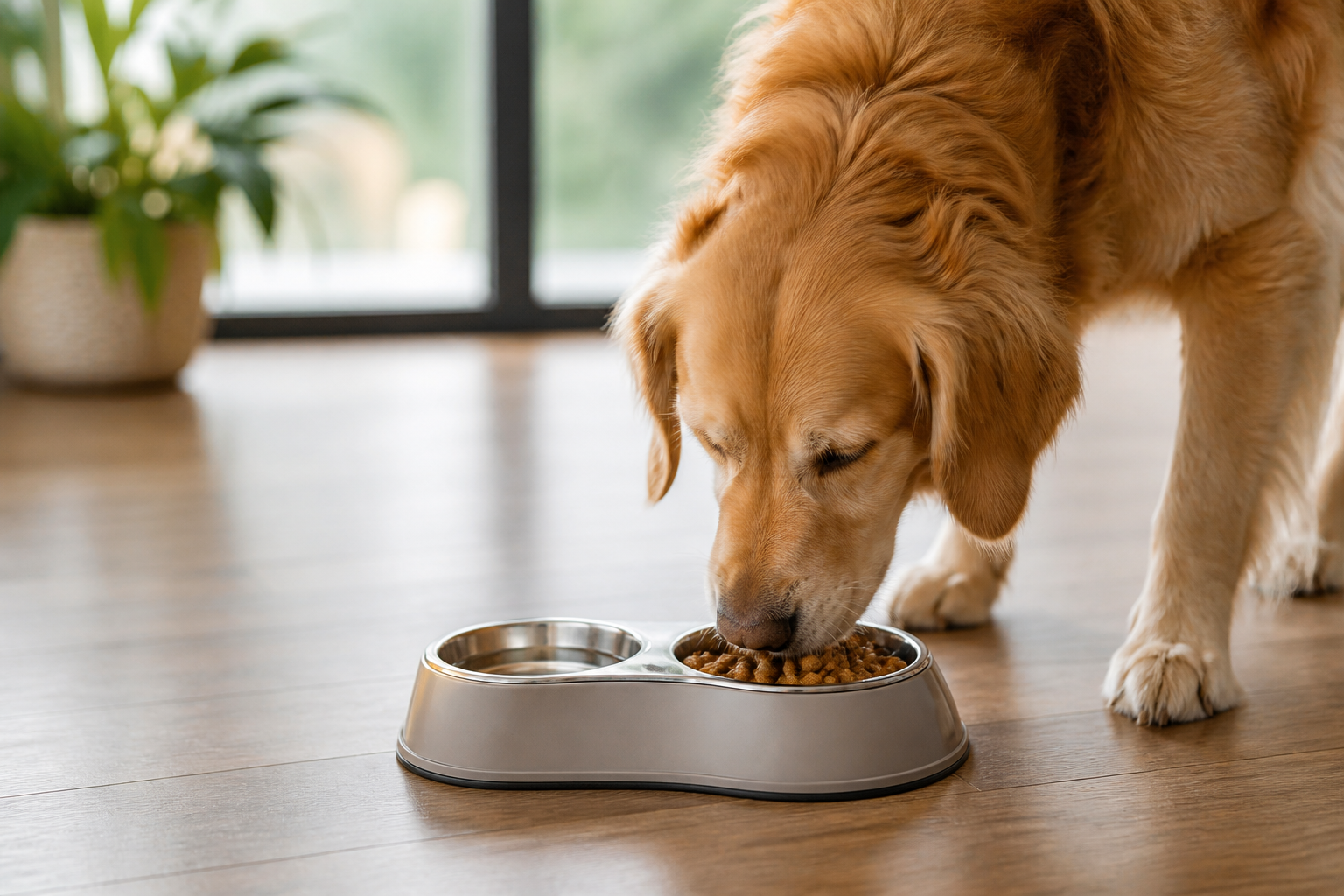
You are standing over your dog's bowl, scoop in hand, wondering if those hard, crunchy nuggets are actually the most appetizing meal for your friend. Maybe your senior dog is starting to pick at their food, or perhaps your new puppy seems to struggle with the size of the kibble. This is a common moment for many pet owners. At BaxterBoo, we talk to customers every day who want to know if adding a splash of water is a helpful boost or a mistake that could spoil the meal.
This post covers the benefits of hydration, the impact on dental health, and the safety rules you need to follow if you decide to soften the bowl. We will also look at when a change in texture might signal a need for a vet visit or a specialized diet. Adding water to dry food can be a simple way to improve your dog's daily routine as long as you do it correctly.
The Benefits of Adding Water to Kibble
There are several practical reasons why you might want to reach for the faucet before serving dinner. While high quality dry food is nutritionally complete, its low moisture content can sometimes be a hurdle for certain dogs. You can compare different formulas in our dog food category.
Better Hydration for Picky Drinkers
The most obvious benefit of adding water to dry food is the immediate boost in moisture. Most dry kibble contains only about 10 percent moisture. In contrast, canned wet food often contains upwards of 75 percent. If your dog is the type who ignores their water bowl for hours, adding liquid to their food ensures they are getting at least some hydration with every meal.
This is particularly important during the hot summer months or for dogs that are highly active. Proper hydration supports every major system in the body. It helps the kidneys flush out toxins, keeps joints lubricated, and assists with temperature regulation. For dogs with a history of urinary tract issues or crystals, extra water is often a medical necessity.
Making Meals More Appealing
When you add warm water to dry food, it does more than just change the texture. The heat releases the aromas of the fats and oils sprayed onto the kibble during manufacturing. To a dog, smell is a huge part of the eating experience. A bowl of dry kibble might smell faint, but once it is moistened, the scent becomes much stronger and more enticing.
This trick is a favorite for owners of picky eaters or dogs that have lost some of their sense of smell due to age. It can also help dogs that are recovering from an illness and have a suppressed appetite. A warm, "stinky" bowl of food is often much harder to resist than a pile of dry crackers. For another look at mealtime texture options, read our guide to mixing wet and dry dog food.
Easier Chewing for Specific Life Stages
Softening food is a practical solution for dogs at both ends of the age spectrum.
- Puppies: Young puppies transitioning from mother's milk or softened mush to solid food often find hard kibble difficult to manage. Adding water helps them bridge that gap without hurting their sensitive gums. Our puppy supplies section can help you find age-appropriate essentials.
- Seniors: Older dogs frequently deal with dental disease, missing teeth, or sensitive gums. Crunching down on hard kibble can be physically painful for them. Softening the food allows them to eat comfortably and maintain their weight.
Quick Answer: Adding water to dry dog food is generally safe and beneficial for hydration, palatability, and ease of chewing. It is a simple way to make meals more appealing to picky eaters or senior dogs with dental sensitivity.
Potential Drawbacks to Consider
While there are many pros, adding water to the bowl is not a perfect solution for every household. There are a few risks, mostly involving hygiene and dental maintenance.
The Risk of Spoilage and Bacteria
The biggest concern with wetting dry food is how quickly it can spoil. Dry kibble is shelf-stable because it lacks moisture. The moment you add water, you create a perfect environment for bacteria to grow. If your dog is a "grazer" who likes to take a few bites and come back two hours later, wet food is a safety risk.
Bacteria like Salmonella or Listeria can flourish in a bowl of wet kibble left at room temperature. This can lead to digestive upset, vomiting, or diarrhea. If you choose to add water, you must commit to a strict cleaning schedule for the bowl and a shorter window for feeding.
Changes to Dental Health Benefits
There is a long-standing belief that dry kibble helps keep teeth clean by scraping away plaque as the dog chews. While many modern vets argue that kibble alone is not a substitute for brushing, the "crunch factor" does provide some mechanical cleaning.
When you soak kibble until it is soft, you lose that abrasive action. For dogs already prone to heavy tartar buildup, a strictly soft diet might accelerate the need for professional dental cleanings. If you switch to wet food or softened kibble, you may need to be more diligent about at-home dental care, such as using dog-specific toothbrushes or dental wipes.
Impact on Digestion and Texture
Some dogs have very sensitive stomachs. A sudden change in the texture or the speed at which they eat can lead to gas or bloating. While some owners use water to slow down "gulpers," others find that the softened texture allows the dog to swallow the food even faster without chewing at all.
There is also a small amount of evidence suggesting that for some dogs, softened food might change the balance of bacteria in the gut. While this is not always a bad thing, any change to a dog's digestive routine should be monitored closely for changes in stool quality. For more guidance on changing food textures, see our article about switching from dry to wet dog food.
Key Takeaway: The primary risks of wetting dry food are rapid bacterial growth and the loss of mechanical teeth cleaning. Always pick up uneaten wet food within 30 to 60 minutes to prevent spoilage.
How to Safely Wet Your Dog's Food
If you have decided that your dog would benefit from a little extra moisture, follow these steps to ensure the meal stays safe and nutritious.
- Step 1: Use the right temperature. Warm water is best for releasing aromas, but it should never be boiling. Hot water can scald your dog's mouth and may even degrade some of the heat-sensitive vitamins added to the food.
- Step 2: Measure your ratio. A good starting point is one part water to three or four parts kibble. You want to moisten the food without turning the bowl into a soup, unless your dog specifically prefers a very liquid texture.
- Step 3: Let it sit. Give the water about five to ten minutes to soak into the kibble. This ensures the center of the nugget is soft and prevents the "crunchy on the inside" surprise that some picky dogs dislike.
- Step 4: Clean the bowl immediately. Once your dog finishes, wash the bowl with hot, soapy water. Residual moisture and food particles left in the bowl can become a breeding ground for germs before the next meal.
Vet Tip: If you notice your dog suddenly needs their food softened to eat it, or if they are dropping pieces of dry food, schedule a dental checkup. They may have a cracked tooth or gum infection that requires medical attention rather than just a change in food texture.
Healthy Alternatives to Plain Water
You don't have to stick to plain tap water to hydrate your dog's meal. There are several ways to add even more nutrition while you are at it.
Using Dog-Safe Bone Broth
Bone broth is a fantastic way to add moisture along with collagen, glucosamine, and amino acids. However, you should never use human-grade canned broth or bouillon cubes from the grocery store. These often contain high levels of salt, onions, and garlic, all of which are toxic to dogs.
We carry several dog-specific bone broths that are formulated without these dangerous ingredients. These are specifically designed to be poured over kibble to boost flavor and support joint health. Browse our dog food toppers and broths to find options for mealtime variety.
Mixing in Wet Food or Toppers
Another way to bridge the gap is "mixed feeding." This involves using a base of dry kibble and stirring in a few tablespoons of high quality canned food. This provides the aroma and moisture of wet food while keeping the cost down and maintaining some of the structure of the dry food.
At BaxterBoo, we recommend looking for toppers that match the protein source of your dog's primary diet to avoid digestive upset. If your dog eats a chicken-based kibble, a chicken-based wet topper is usually the safest bet. Our selection of The Honest Kitchen products includes dehydrated foods and meal toppers.
Incorporating Fresh Food Mix-ins
For owners who want to provide a less processed option, some dry foods are designed to be mixed with water to create a fresh-style meal. Brands like The Honest Kitchen or Stella and Chewy's offer dehydrated or freeze-dried options that require rehydration before serving. You can also explore our selection of Stella & Chewy's products for additional meal options.
When to Consult Your Veterinarian
While adding water to food is usually a personal preference or a simple comfort measure, there are times when it touches on a medical need. If you are changing your dog's diet because of a health concern, professional guidance is essential.
Prescription Diets and Pharmacy Needs
If your dog has been diagnosed with a chronic condition like kidney disease, diabetes, or urinary stones, their nutritional needs are very specific. Often, veterinarians will prescribe a specific diet that must be followed strictly. These prescription foods are formulated to have precise levels of minerals and proteins.
Our pet pharmacy provides FDA-approved medications and prescription pet foods through our partnership with Pet's Choice. If your vet suggests a prescription diet that requires high moisture, you can often find both the dry and canned versions of those specialized formulas.
Monitoring Significant Changes
If your dog is suddenly refusing dry food entirely, don't just soften it and assume everything is fine. A total loss of interest in hard food can be a symptom of:
- Periodontal disease or abscessed teeth
- Nausea related to liver or kidney issues
- Gastrointestinal blockages
- Cognitive decline in very senior dogs
Always consult your veterinarian if your dog's eating habits change abruptly. They can help determine if the issue is a simple preference or a symptom of an underlying health problem.
Bottom line: Adding water is a great tool for hydration and taste, but it should not be used to mask a sudden loss of appetite or physical inability to chew without a vet's sign-off.
Conclusion
Deciding whether to wet your dog's dry food comes down to their individual needs. For many, it is an excellent way to increase water intake and make mealtime more exciting. It is particularly helpful for puppies and seniors who might struggle with the hard texture of standard kibble. Just remember to serve the food immediately and keep those bowls clean to avoid any bacterial issues.
If you are looking for ways to enhance your dog's diet, consider trying a dog-safe bone broth or a high quality wet food topper. For those managing specific health conditions, our pharmacy is a great resource for prescription diets that help your pet thrive.
Next Steps for Your Dog's Mealtime:
- Monitor your dog's water intake for a few days to see if they need the extra hydration.
- Try adding a small amount of warm water to a single meal to test their reaction.
- Check out our selection of bone broths and toppers to add variety.
- Sign up for our Autoship programme to save on your favorite kibble and ensure you never run out.
Key Takeaway: Softening kibble is a practical, low-cost way to support your dog's hydration and comfort, provided you maintain a strict 60-minute window for feeding to ensure food safety.
FAQ
Can I use milk instead of water to wet my dog's food?
It is best to avoid using cow's milk for most dogs. Many dogs are lactose intolerant and drinking milk can lead to gas, bloating, and diarrhea. If you want to add flavor, use a dog-specific bone broth or a goat milk product formulated specifically for pets, as these are much easier on their digestive systems.
How long can I leave wet dry food in the bowl?
You should not leave moistened dry food out for longer than 30 to 60 minutes. Because kibble is not sterile and you have added moisture, bacteria can grow very quickly at room temperature. If your dog has not finished the meal within an hour, it is safest to throw the leftovers away and wash the bowl thoroughly.
Does soaking kibble prevent bloat in large dog breeds?
There is conflicting information on this topic. Some older theories suggested that soaking kibble could prevent the food from expanding in the stomach, but some studies have actually suggested that it might increase the risk for certain dogs. Because bloat is a life-threatening emergency, it is best to talk to your vet about the best feeding practices for your specific breed, which might include using a slow-feeder bowl instead of just wetting the food.
Can I prepare a large batch of wet kibble and keep it in the fridge?
While you can technically keep moistened kibble in the refrigerator for about 24 hours, it often becomes very mushy and unappealing to dogs. It is usually much better to add the water fresh at each meal. This ensures the best aroma and texture while minimizing any risks of bacterial contamination that can occur even in the fridge.






