
 Save 15% on your 1st Autoship learn more

 Email us
 Live Chat
 FAQs
FAQs





Introduction
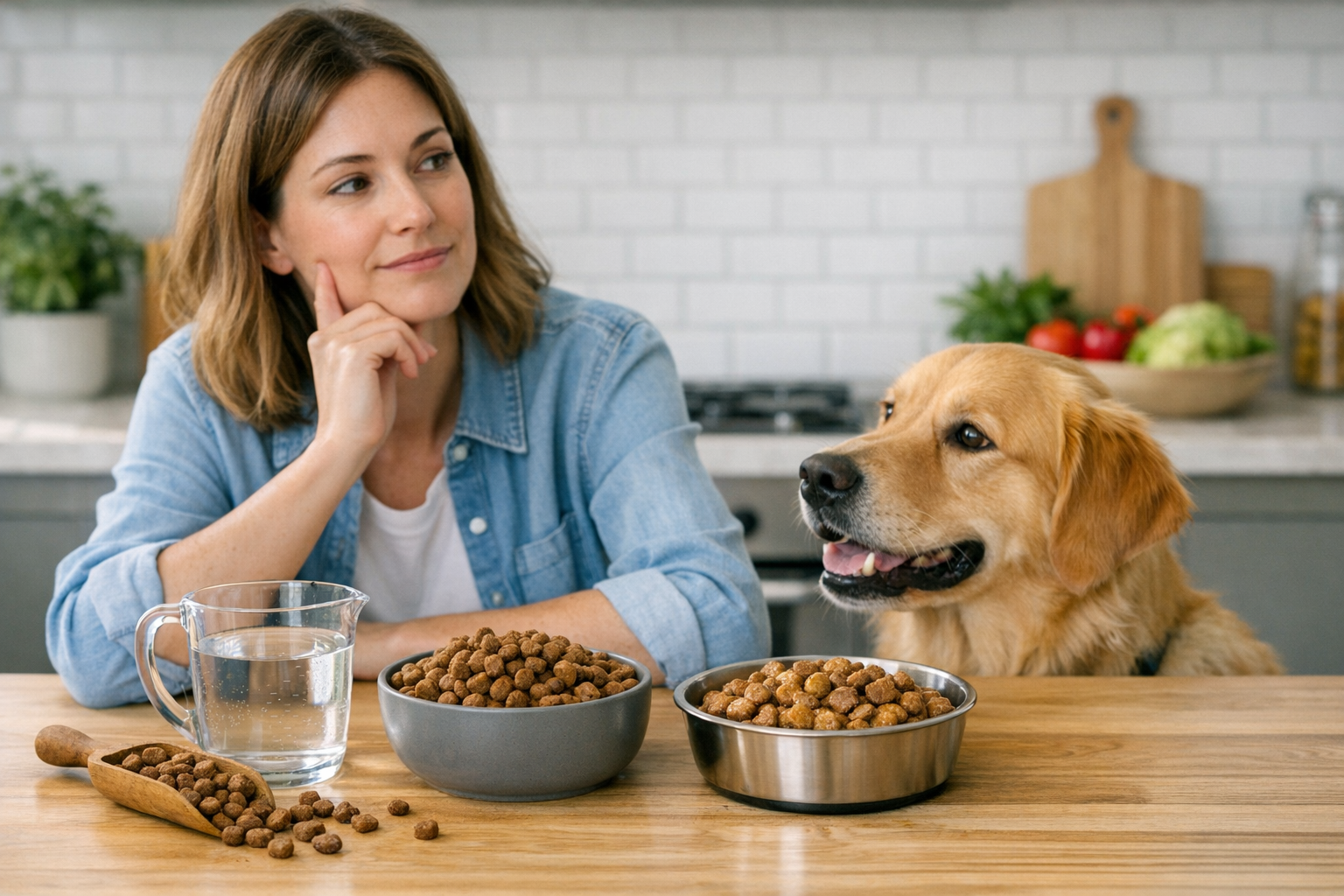
You might be standing over your dog’s bowl with a measuring cup in hand and wondering if a splash of water makes the meal better. It is a common question for many pet owners who want to improve their dog's dining experience. At BaxterBoo, we hear this question often from customers looking to help their picky eaters or senior dogs. If you’re shopping for a new formula, our dog food category is a great place to start. Adding moisture to kibble is a simple step that can have a big impact on your pet's health and happiness. We want to help you understand when this practice is helpful and when it might be better to stick with the crunch. This guide covers the benefits, risks, and best practices for hydrating your dog’s dry food.
Quick Answer: Adding water to dry dog food can improve hydration and palatability while making it easier for senior dogs to chew. However, it can lead to faster spoilage and bacterial growth if the food is left out for more than thirty minutes.
The Primary Benefits of Wetting Dry Dog Food
Many owners choose to add water to dry food to solve specific feeding challenges. Dry kibble is convenient and shelf stable, but it contains very little moisture. Most extruded dog foods have a moisture content of around ten percent. Adding liquid changes the texture and the nutritional profile of the meal.
Improved Hydration
Many dogs do not drink enough standing water from their bowls. This is especially true for certain breeds or dogs with specific health histories. When you add water directly to the food, you ensure your dog takes in extra fluids with every bite. Proper hydration supports kidney function and helps flush toxins from the body. It also helps prevent urinary tract issues by keeping the urine diluted.
Enhanced Aroma and Palatability
Dogs experience the world through their noses. Dry kibble straight from the bag can be relatively scentless to a dog. Adding warm water releases the fats and aromas within the food. This makes the meal much more enticing for a picky eater or a dog with a reduced sense of smell. If your dog has recently lost interest in their meals, a little warm water might be all they need to start eating again.
Easier Digestion and Chewing
For certain life stages, hard kibble is a physical challenge. Puppies with small teeth or seniors with dental disease often struggle to break down hard pellets. Softening the food turns it into a mash that is much easier to swallow. This also helps dogs that tend to "inhale" their food without chewing. Wetting the food can slow down their eating pace and reduce the risk of choking, especially if you pair it with our slow feed bowls category.
Key Takeaway: Adding water to kibble is a practical way to boost fluid intake and make meals more appealing to dogs with dental issues or low appetites.
Potential Risks and Drawbacks
While wetting food is generally safe, it is not without some risks. You must change your feeding routine slightly to account for the way water interacts with dry ingredients.
Bacterial Growth and Spoilage
Dry food is designed to stay fresh at room temperature because it lacks moisture. Once you add water, you create a breeding ground for bacteria like Salmonella or Listeria. This is the same reason you cannot leave an open can of wet food on the counter. If your dog does not finish their moistened meal within twenty to thirty minutes, you must throw it away. Leaving wet kibble in a bowl for several hours is a major health risk.
Loss of Dental Benefits
There is a long standing debate about whether dry food helps clean a dog's teeth. While kibble is not a replacement for brushing, the abrasive texture can help scrape some plaque from the surface of the teeth. When you soak the food, this abrasive quality disappears. If you decide to wet your dog's food permanently, you may need to be more diligent about dental chews or daily brushing. For more on dental care, our dog healthcare category and this guide on hiding bad teeth in dogs can help.
Intestinal Sensitivity
Some studies suggest that suddenly changing the texture of food can cause minor digestive upset in sensitive dogs. A transition to softened food should be done slowly. If you notice your dog has loose stools after you start adding water, they may prefer a different hydration method.
Vet Tip: Always consult your veterinarian if your dog suddenly stops eating or has difficulty chewing. While wetting food can help, these symptoms may indicate underlying dental pain or medical issues that require a professional exam.
How to Properly Wet Your Dog's Food
If you decide to try this method, following a consistent process will yield the best results. You do not want the food to become a soup unless your vet specifically recommends a liquid diet.
Step 1: Measure the dry food. / Start with your dog's standard portion of kibble to ensure you are not overfeeding.
Step 2: Add warm water. / Use warm, not boiling, water. Boiling water can destroy some of the heat sensitive vitamins added to the food.
Step 3: Let it sit. / Allow the food to soak for about ten to fifteen minutes. This gives the kibble time to absorb the moisture and soften to the center.
Step 4: Stir and serve. / Give the mixture a quick stir to distribute the moisture and ensure there are no hot spots from the water.
The Best Water to Food Ratio
A good starting point is one part water to three parts dry food. For example, if you feed one cup of kibble, add one quarter cup of water. You can adjust this based on your dog's preference. Some dogs like a crunchy center with a bit of "gravy" on the outside, while others prefer a complete mash.
Bottom line: Controlled soaking with warm water for ten minutes provides the best balance of safety and palatability.
Alternatives to Plain Water
You do not have to use plain tap water to hydrate your dog's meal. There are several other liquids that add both moisture and extra nutrients. This is a great way to provide a "boost" to a standard dry diet.
- Low Sodium Bone Broth: This is packed with collagen and amino acids. It is excellent for joint health. Make sure the broth does not contain onions, garlic, or excessive salt.
- Goat Milk: Often called a "universal milk," it is easier for dogs to digest than cow milk. It provides probiotics that support gut health.
- Wet Food Toppers: Mixing a small amount of canned food with water creates a flavorful slurry. We carry many premium wet food brands like Tiki Cat or our selection of The Honest Kitchen products that work perfectly for this.
- Prescription Liquids: If your dog has a medical condition, our pet pharmacy offers specialized diets and supplements that can be mixed into food.
When Should You Avoid Wetting Dry Food?
There are times when keeping the food dry is the better choice. If your dog is a "free feeder" who likes to graze throughout the day, wetting the food is not an option. The food will spoil before they finish it. Additionally, if your dog is on a specific dental prescription diet, the kibble is often engineered to stay hard for a specific purpose. Softening these special pellets would defeat the purpose of the diet.
We also suggest caution if your dog is prone to bloat or Gastric Dilatation-Volvulus. Some experts believe that adding water to certain types of kibble containing citric acid might increase the risk of gas. If you have a large, deep chested breed, talk to your vet before making significant changes to how you prep their meals.
Using the BaxterBoo Pharmacy for Nutritional Support
Sometimes, a dog needs more than just a little water to stay healthy. If your dog has chronic kidney issues, allergies, or digestive disorders, they may require a prescription diet. Through our pharmacy, we provide access to prescription medications and veterinary diets.
You can find brands like our selection of Royal Canin products or Farmina Vet Life through our pharmacy section. These foods are specifically formulated to manage health conditions. If your vet prescribes a dry therapeutic diet, adding water can make it much more palatable for a sick pet. Remember that our pharmacy requires a valid prescription from your veterinarian to ensure your pet gets exactly what they need.
Practical Steps for Success
Before you change your dog's routine, keep these simple tips in mind to keep things safe and clean.
- Wash the Bowl Daily: Wet food leaves behind a film that harbors bacteria. Wash the bowl with hot, soapy water after every single meal.
- Monitor Weight: It is easy to accidentally add extra calories if you use broth or milk instead of water. Keep an eye on your dog's body condition.
- Check the Bag: Some high quality kibbles, like those from Stella and Chewy's or The Honest Kitchen, are designed to be rehydrated. Read the packaging for specific instructions.
- Stay Consistent: If your dog has a sensitive stomach, try to use the same temperature and amount of liquid every day. You can also save more on repeat purchases with our Autoship programme.
Key Takeaway: Cleanliness is the most important part of wetting dry food. Always wash bowls immediately to prevent bacterial buildup.
Conclusion
Deciding whether to wet your dog's dry food depends on your pet's individual needs. It is an excellent tool for increasing hydration, helping senior dogs chew, and making meals more exciting for picky eaters. However, you must be careful about spoilage and maintain a strict cleaning routine. Most dogs enjoy the added variety and the rich aroma that moisture brings to their bowl.
- Start with a small amount of warm water to see how your dog reacts.
- Never leave moistened food out for more than thirty minutes.
- Use high quality toppers or broths for added nutritional benefits.
- Consult your vet if you are managing a specific health condition.
At BaxterBoo, we want to help you provide the best possible care for your dog. Whether you need a new slow feeder bowl to prevent gulping or a prescription diet from our pharmacy, we are here to support your journey as a pet owner. You can also explore the MVP Rewards programme for extra value on future purchases, and if you want added peace of mind, take a look at Figo Pet Insurance through our MVP benefits.
FAQ
Does wetting dry dog food cause bloat?
There is no definitive evidence that wetting food causes bloat, but some studies suggest caution with kibble containing citric acid. For large breeds prone to bloat, it is best to discuss feeding techniques with your veterinarian. Slowing down a fast eater with a bit of water and a slow feeder bowl is often helpful.
How long can I leave wet kibble in the bowl?
You should remove any uneaten moistened food after twenty to thirty minutes. Once water is added, the food can quickly grow bacteria and begin to ferment. This is especially important in warm weather when spoilage happens even faster.
Can I use boiling water to soften the food?
You should avoid using boiling water because it can break down the essential vitamins and minerals added to the kibble. Use warm water instead. It is enough to release the aromas and soften the texture without compromising the nutritional value.
Does soaking food help puppies with teething?
Yes, soaking kibble is very beneficial for teething puppies who may have sore gums. It allows them to get the nutrition they need without the pain of crunching down on hard pellets. You can gradually reduce the amount of water as their adult teeth come in, and our teething toys guide for puppies can offer more ideas for comfort.






