
 Save 15% on your 1st Autoship learn more

 Email us
 Live Chat
 FAQs
FAQs





Introduction
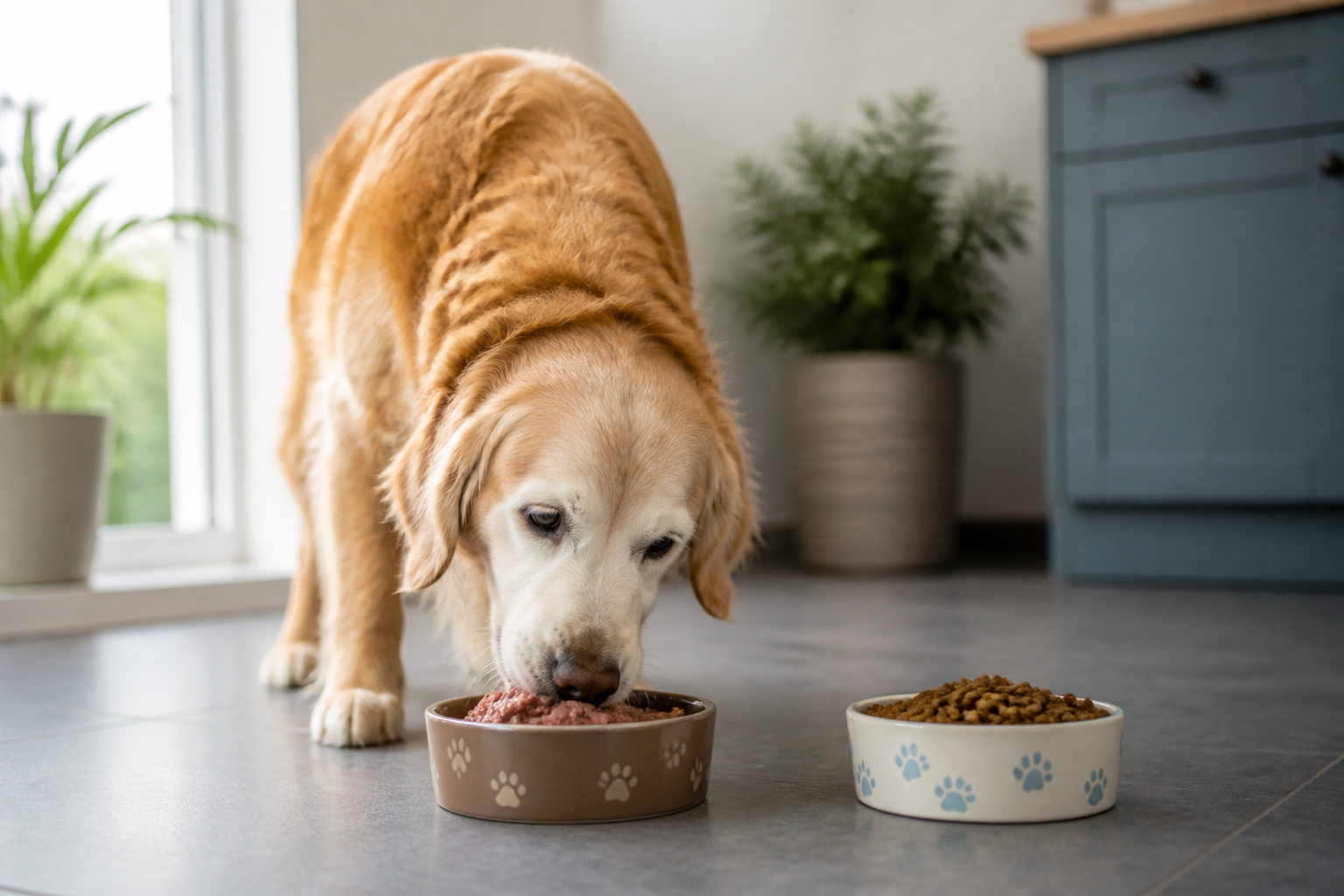
You notice your senior dog standing over their bowl longer than usual. They might take a single bite of kibble and drop it or simply walk away despite being hungry. At BaxterBoo, we know that watching a loyal companion slow down is a significant transition for any pet owner. Choosing between dry and wet food for an older dog is not a one-size-fits-all decision. It involves evaluating their dental health, hydration needs, and changing metabolism. This post covers the pros and cons of both textures and how to identify which one fits your pet best. Understanding these differences helps ensure your dog remains comfortable and strong throughout their golden years. We want to help you make an informed choice that keeps your senior dog happy and healthy.
For a broader starting point, our dog food category makes it easy to compare textures, life stages, and dietary needs.
Quick Answer: Most senior dogs benefit from a mix of both or a transition to wet food if they have dental pain or hydration issues. High-quality dry food is still excellent for healthy seniors, but wet food often provides the aroma and moisture that aging dogs specifically need.
Understanding the Senior Life Stage
The age at which a dog becomes a senior depends heavily on their size and breed. Large and giant breeds like Great Danes or Mastiffs often reach senior status around age seven. Medium breeds like Retrievers might be considered seniors at age ten. Smaller dogs like Chihuahuas often stay in the adult category until they are 11 or 12 years old.
As dogs move into this stage, their bodies change internally. Their metabolism slows down and their ability to absorb certain nutrients can decrease. You might notice a graying muzzle or a slower gait on your morning walks. These physical changes are your first cue to look at the food bowl.
If you are shopping specifically for an older dog, our senior dog food collection is a helpful next stop.
Key Takeaway: Senior status is determined by breed size. Larger dogs age faster and require senior nutritional support much earlier than small breeds.
The Benefits of Wet Food for Seniors
Wet food is often the first recommendation for a dog that has started to lose interest in their meals. It provides several specific benefits that address the common ailments of aging.
Better Hydration
Older dogs are more prone to dehydration. Kidney function often declines with age, and many seniors simply do not drink enough water from their bowls. Wet food typically contains around 75 to 78 percent moisture. Dry kibble usually sits at about 10 percent. Feeding a wet diet ensures your dog gets a significant amount of water just by eating their dinner. This extra hydration supports kidney health and helps flush out the urinary tract.
If moisture is your top priority, our wet dog food collection is a smart place to compare options.
High Palatability
A dog’s sense of smell and taste can dim as they get older. If they cannot smell their food, they might not feel motivated to eat it. Wet food is naturally more aromatic than dry kibble. The strong scent can entice a picky senior dog to return to the bowl. Many owners find that warming up wet food for a few seconds makes it even more fragrant and appealing.
Easier to Chew
Dental disease is incredibly common in senior dogs. Issues like gingivitis, loose teeth, or missing teeth make crunching hard kibble painful. Wet food has a soft, uniform texture that requires very little effort to swallow. For a dog with oral discomfort, switching to a soft diet can turn mealtime from a chore back into a highlight of their day.
For more on oral comfort, our dog dental care category is worth exploring.
Vet Tip: If your senior dog suddenly stops eating dry food, schedule a dental checkup. While wet food helps them eat comfortably, it does not fix underlying issues like tooth decay or infected gums.
The Benefits of Dry Food for Seniors
Dry food remains a popular choice for senior dogs who are still healthy and active. It offers practical advantages that wet food sometimes lacks.
Dental Friction
While dry food is not a replacement for brushing, the mechanical action of chewing kibble can help. The hard edges of the kibble rub against the teeth to help reduce plaque and tartar buildup. This is only beneficial if the dog is actually chewing the kibble rather than swallowing it whole.
Weight Management
Senior dogs often have a slower metabolism and a higher risk of obesity. Dry food is easy to measure precisely. This makes it simpler for owners to control calorie intake. Many senior-specific dry formulas use high-quality fiber like brown rice or pumpkin to help the dog feel full while consuming fewer calories.
If you want a convenient way to stock up on kibble, our dry dog food collection is a practical option.
Cost and Convenience
Dry food is generally more budget-friendly than canned food for large dogs. It is also easier to store and can be left out for a few hours for dogs that prefer to graze throughout the day. At our warehouse in Vernon Hills, Illinois, we see many owners of large senior dogs stick with high-quality dry food because it provides the best value for their nutritional needs.
Nutritional Priorities for Aging Dogs
Regardless of whether you choose wet or dry, the ingredients inside the food are what matter most. Senior dogs have unique requirements that differ from their younger years.
Increased Protein Needs
There is a common myth that senior dogs need less protein to protect their kidneys. Modern research shows the opposite is true for healthy seniors. Older dogs need more protein to maintain their lean muscle mass. As they age, their bodies are less efficient at processing protein. Experts often suggest that senior diets should consist of 28 to 32 percent protein on a dry-matter basis. This helps prevent the muscle wasting often seen in very old dogs.
Joint Support and Fatty Acids
Mobility is a major concern for aging pets. Look for foods that include glucosamine and chondroitin. Omega-3 fatty acids from fish oil are also essential. These ingredients help reduce inflammation in the joints and support cognitive function. If your dog is struggling with severe stiffness, we carry specialized supplements like Cosequin and Honest Paws to provide extra support alongside their daily meals.
Calorie Adjustments
A "young" senior dog might be prone to weight gain because they have slowed down but still have a high appetite. However, a "geriatric" or very old dog might struggle to keep weight on.
- For overweight seniors: Look for lower-calorie formulas with higher fiber.
- For underweight seniors: Look for calorie-dense foods or "gently cooked" options that are very easy to digest.
If you are comparing textures and calories, our guide to wet and dry food for dogs is a useful companion read.
Key Takeaway: Don't automatically cut protein for an older dog. High-quality animal protein is necessary to keep their muscles strong enough to support their joints.
Managing Health Conditions Through Diet
Many senior dogs develop chronic conditions like kidney disease, heart issues, or severe allergies. In these cases, a standard over-the-counter food might not be enough.
Our pet pharmacy provides access to prescription diets through our partnership with Pet's Choice. If your veterinarian recommends a specific medical diet, such as Farmina Vet Life or Royal Canin Veterinary Diet, you can fulfill those needs through us. Prescription foods are formulated with precise levels of minerals like phosphorus and sodium to manage specific illnesses.
For example, kidney diets are typically lower in phosphorus, while heart-healthy diets focus on low sodium levels. These are medical tools that require a prescription to ensure they are used correctly for your pet's specific diagnosis.
The Best of Both Worlds: Mixing and Toppers
You do not always have to choose just one texture. Many pet owners find that a hybrid approach works best for their senior dogs.
Using Toppers
If your dog still likes their dry kibble but needs a little encouragement, a topper is a great solution. Products from brands like Stella and Chewy's or Tiki Cat offer small pouches of wet food designed to be poured over dry kibble. This adds moisture and a burst of flavor without a total diet change.
Mixing Wet and Dry
Mixing half a portion of dry food with half a portion of wet food provides the dental benefits of kibble with the hydration of canned food. When doing this, be careful to calculate the total calories. It is easy to overfeed when mixing two different types of food.
For a closer look at this feeding style, our mixing wet and dry dog food guide is a helpful reference.
Benefits of Mixing:
- Increases water intake for kidney health.
- Provides variety in texture to keep the dog interested.
- Helps manage the cost of feeding larger senior dogs.
- Ensures the dog gets the crunch of kibble and the aroma of wet food.
Bottom line: Mixing wet and dry food is a practical way to balance nutrition, hydration, and cost for most senior dogs.
How to Help a Senior Dog Who Struggles to Eat
If your dog is having a hard time with their current food, you can make simple adjustments at home before switching brands.
Step 1: Add warm liquid. Pour a small amount of warm water or low-sodium bone broth over their dry kibble. Let it sit for ten minutes to soften. This makes the kibble easier to chew and enhances the smell.
Step 2: Warm it up. If you use wet food, take it out of the fridge and warm it to room temperature or slightly above. Do not make it hot. The warmth releases the fats and aromas that trigger a dog's appetite.
Step 3: Elevate the bowl. Senior dogs often have arthritis in their neck and shoulders. Stooping down to a bowl on the floor can be painful. Use a raised feeder to make the posture more comfortable during meals.
Step 4: Feed smaller meals. Instead of one or two large meals, try three or four smaller portions. This can be easier on a senior dog's digestion and keeps their energy levels more stable throughout the day.
Transitioning to a New Food
If you decide to switch from dry to wet food, or move to a senior-specific formula, do it slowly. A senior dog's digestive system is often more sensitive than a younger dog's.
A typical transition should take seven to ten days:
- Days 1-3: 25% new food, 75% old food.
- Days 4-6: 50% new food, 50% old food.
- Days 7-9: 75% new food, 25% old food.
- Day 10: 100% new food.
If you want a step-by-step version of that process, our dry-to-wet transition guide goes into more detail.
Watch your dog’s stool during this time. If you notice diarrhea or vomiting, slow the transition down. If symptoms persist, consult your veterinarian to ensure there is not an underlying allergy or sensitivity.
Common Senior Feeding Challenges
As we have helped customers at BaxterBoo since 2006, we have heard several common concerns from senior dog owners.
Cognitive Decline
Dogs with canine cognitive dysfunction may actually forget to eat or become confused by their feeding routine. Keeping a very strict schedule and using highly aromatic food can help. Some specialized diets like Purina NeuroCare are specifically designed to support brain health in aging pets.
Sudden Weight Loss
If your senior dog is eating well but losing weight, it is time for a vet visit. This can be a sign of diabetes, hyperthyroidism, or other internal issues. Once your vet identifies the cause, you can look for a more calorie-dense food to help them maintain a healthy body condition.
Refusing to Eat
A complete refusal to eat for more than 24 hours is a red flag for a senior dog. It can indicate pain, nausea, or a serious infection. Do not try to force a new food on a dog that is feeling unwell. Seek professional medical advice to rule out emergencies.
Choosing the Right Brand
We carry over 500 trusted brands, many of which offer exceptional senior formulas. Our selection of NutriSource products is a strong example of a brand lineup with easy-to-digest recipes for aging dogs. If you prefer a raw-style option, Stella and Chewy’s offers freeze-dried choices that provide the benefits of raw food with the convenience of a shelf-stable product.
When reading labels, prioritize whole meat sources like chicken, beef, or fish as the first ingredient. Avoid foods with excessive fillers or artificial preservatives, as these can be harder for a senior dog's liver and kidneys to filter.
For another senior-friendly option, our selection of Open Farm products offers more ways to compare ingredients and texture.
Vet Tip: Always consult your veterinarian before starting a new supplement or making a major dietary change for a senior dog with a known health condition. They can help you determine the right calorie count and nutrient balance for your pet's specific needs.
Summary of Feeding Senior Dogs
Caring for an older dog is a privilege that requires a bit of extra attention at the food bowl. Whether you choose the convenience of dry kibble or the hydration of wet food, the goal is the same: providing a balanced diet that supports their aging joints, muscles, and organs.
- Wet food is excellent for hydration and dogs with dental pain.
- Dry food is great for weight management and convenience.
- Protein should remain high to prevent muscle loss.
- Prescription diets are available through our pharmacy for specific health needs.
At BaxterBoo, we are committed to helping your senior dog enjoy their golden years. By choosing high-quality food and monitoring their changing needs, you can give them the comfort and energy they deserve. Consider signing up for our Autoship programme to ensure you never run out of your senior dog's favorite meals while saving on every order.
FAQ
Is wet food better than dry food for senior dogs with no teeth?
Yes, wet food is significantly better for dogs with missing teeth or severe dental disease. It requires almost no chewing and can be swallowed easily without causing pain to sensitive gums. You can also use freeze-dried raw food that has been rehydrated into a soft mash.
Can I just add water to my senior dog's dry food instead of buying wet food?
You can certainly add warm water or dog-safe broth to dry kibble to soften it. This is a cost-effective way to make the food easier to chew and more aromatic. However, it does not provide the same variety of protein and moisture levels found in high-quality canned foods.
Why is my senior dog suddenly so picky about their food?
Sudden pickiness in a senior dog is often linked to a declining sense of smell, dental pain, or nausea from an underlying health issue. If your dog is refusing food they used to love, it is important to see a vet. If they are healthy but bored, adding a wet food topper can often reignite their interest.
Does wet food cause more weight gain in older dogs?
Wet food is actually often lower in calories per volume because it contains so much water. It can help dogs feel full longer, which is useful for weight management. However, some wet foods are very rich in fats, so you must always check the calorie count and feeding guidelines on the label.






