
 Save 15% on your 1st Autoship learn more

 Email us
 Live Chat
 FAQs
FAQs





Introduction
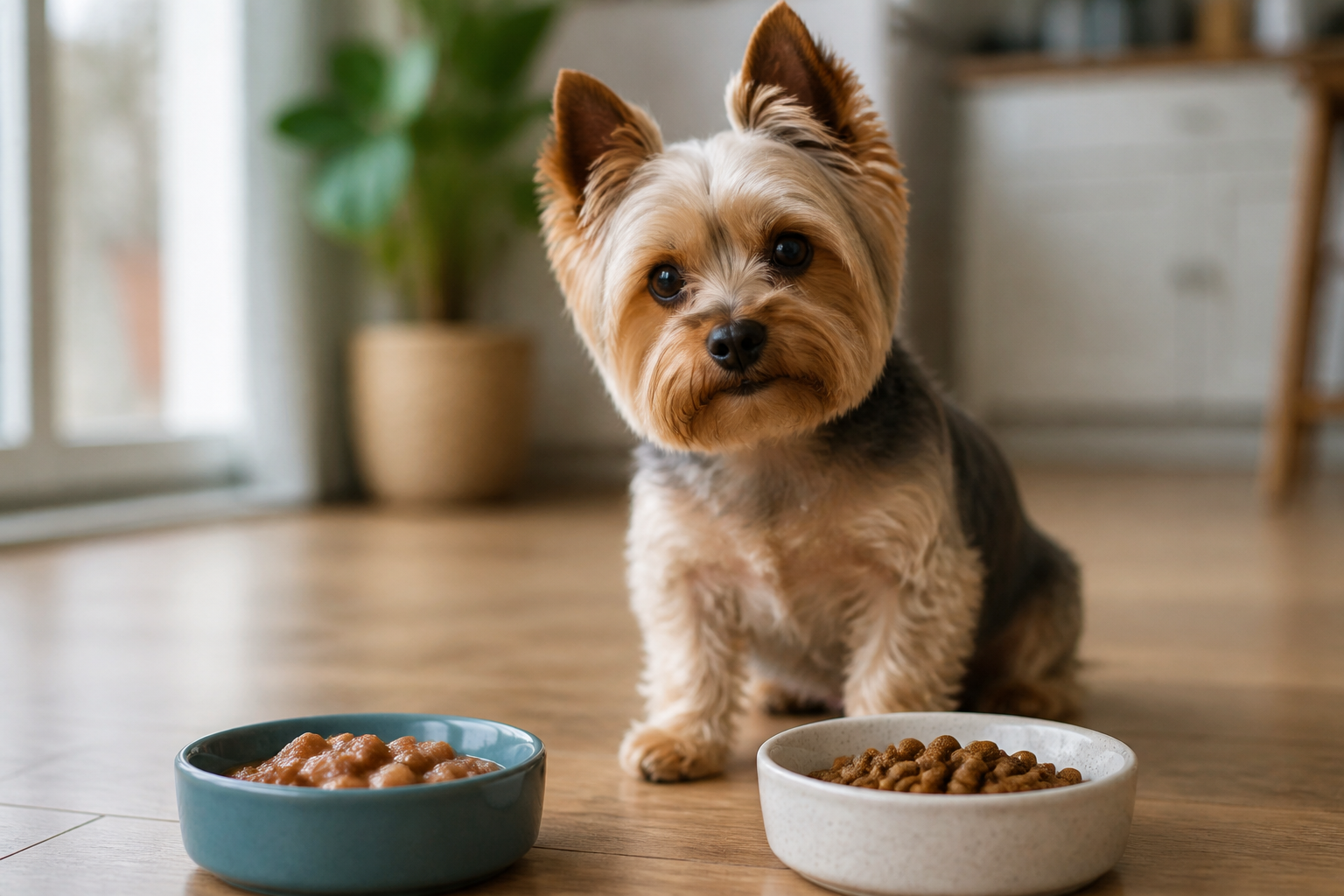
Standing in the dog food aisle at BaxterBoo or scrolling through hundreds of options online can feel like a high stakes guessing game. You want to provide the best possible nutrition for your small dog, but the debate between wet and dry food is often confusing. Small breeds have unique needs, from tiny jaw structures to high metabolic rates. We know you want to get this right so your companion stays healthy and energetic for years to come. This article covers the nutritional differences, the specific benefits of each food type for small dogs, and how to decide which one fits your lifestyle. Whether you are raising a growing puppy or caring for a senior, our goal is to help you navigate these choices with confidence.
Understanding the Basics of Dog Food Processing
The primary difference between wet and dry dog food starts with how they are made. This processing dictates the texture, shelf life, and moisture content of the final product. Both types can offer complete and balanced nutrition, provided they meet the standards set by the Association of American Feed Control Officials (AAFCO).
Dry dog food, or kibble, is created through a process called extrusion. Ingredients are mixed into a dough and then cooked under high pressure. The dough is forced through small holes to create specific shapes. These pieces are dried and then sprayed with essential vitamins, minerals, and fats to ensure they are shelf stable. This process results in a product with very low moisture, usually around 10 percent.
Wet dog food follows a different path. The ingredients are ground and mixed with a gravy or jelly that contains necessary nutrients. This mixture is then sealed in cans or pouches and sterilized through a heating process. This method preserves the food without the need for the same types of drying used for kibble. The moisture content in wet food is significantly higher, often reaching 75 to 84 percent.
Quick Answer: Neither wet nor dry food is universally better for every small dog. The choice depends on your pet’s specific health needs, dental status, and personal preferences, as both provide complete nutrition when high quality brands are chosen.
The Benefits of Wet Food for Small Dogs
Small dogs often have reputations for being picky eaters. Wet food is frequently the solution for a dog that turns its nose up at a bowl of plain kibble. The aroma of canned food is much stronger because the moisture carries the scent of the proteins more effectively. This makes it highly palatable for dogs with a diminished sense of smell or those that are simply more discerning about their meals.
Hydration is another major advantage of wet food. Because small dogs have such tiny bodies, even mild dehydration can impact their health quickly. Dogs that do not drink enough water from their bowls can get a significant portion of their daily hydration needs met through their food. This is particularly helpful for dogs with a history of urinary tract issues or kidney concerns. Explore our wet dog food selection for options in different textures and formulas.
Easier Chewing and Digestion
Small breeds are prone to dental issues because their teeth are often crowded into a very small mouth. If your dog has missing teeth, sensitive gums, or a misaligned bite, crunching on hard kibble can be painful. Wet food is soft and requires very little effort to chew. This makes it an excellent choice for:
- Senior dogs with dental decay
- Puppies transitioning from milk to solids
- Dogs recovering from oral surgery
- Small breeds with particularly tiny jaws
For additional ideas about softening meals, read how to wet dry dog food for better digestion and hydration.
Satiety and Weight Management
Wet food is less calorie dense by volume than dry food. This means your dog can eat a larger portion of wet food without consuming more calories than a smaller portion of dry food would provide. For a small dog that always seems hungry, wet food can help them feel fuller for longer. This can be a useful tool in maintaining a healthy weight, which is vital for preventing joint stress in breeds like Dachshunds or Corgis.
Key Takeaway: Wet food offers superior hydration and palatability, making it a top choice for picky eaters, senior dogs with dental pain, or those needing extra moisture in their diet.
The Case for Dry Dog Food
Dry food is the most common choice for many pet owners for several practical reasons. Convenience is a major factor. You can leave dry food in a bowl for several hours without it spoiling, which is perfect for dogs that like to graze throughout the day. It is also much easier to measure and store in bulk, making it a cost effective option for many households. Browse our dry dog food category to compare small-breed formulas.
For small dogs, the texture of kibble can offer some dental benefits. As a dog chews the hard pieces, the mechanical action helps scrape away a small amount of plaque from the surface of the teeth. While it is not a substitute for regular brushing or professional cleanings, it can contribute to overall oral hygiene.
Precision Nutrition for Small Breeds
Many brands we carry at BaxterBoo, such as Royal Canin or NutriSource, offer formulas specifically designed for small breeds. These formulas feature smaller kibble sizes that are easier for tiny mouths to pick up and chew. Small breed kibble is also often more calorie dense. Small dogs have faster metabolisms and smaller stomachs than large dogs, so they need more energy packed into a smaller amount of food.
You can also compare formulas in our small-breed dog food selection.
Mental Stimulation and Cleanliness
Dry food is much easier to use with enrichment toys. You can put kibble into puzzle feeders or treat dispensing balls to keep your dog mentally engaged. It is also a cleaner option for dogs with long facial hair or "beards," such as Schnauzers or Shih Tzus. Wet food can often get stuck in their fur, leading to staining or skin irritation if not cleaned immediately.
Vet Tip: If you notice your small dog struggling to chew kibble or if they are dropping pieces frequently, consult your veterinarian for a dental exam. Dental disease is extremely common in small breeds and may require professional treatment beyond a diet change.
Comparing Wet and Dry Food for Small Dogs
| Feature | Wet Dog Food | Dry Dog Food |
|---|---|---|
| Moisture Content | Very High (75-84%) | Low (approx. 10%) |
| Shelf Life (Opened) | Short (refrigerate, use in 2-3 days) | Long (weeks if kept airtight) |
| Palatability | High (strong aroma) | Moderate |
| Dental Impact | Neutral (can cling to teeth) | Helpful (mechanical scraping) |
| Convenience | Moderate (heavy cans/pouches) | High (easy to store/measure) |
| Cost Per Serving | Generally Higher | Generally Lower |
Mixing Wet and Dry Food
Many small dog owners find that a combination of both food types provides the best balance. This is often called "mixed feeding." By mixing the two, you can give your dog the dental benefits and convenience of kibble while adding the flavor and hydration of wet food.
How to Transition to Mixed Feeding
If you decide to start mixing, it is important to do it correctly to avoid upsetting your dog's stomach. A sudden change in diet can cause diarrhea or vomiting.
Step 1: Consult your vet to determine the total daily calorie count your dog needs. Step 2: Start by adding a very small amount of wet food as a "topper" to the existing kibble. Step 3: Gradually increase the wet food portion over 7 to 10 days while decreasing the dry food portion to keep total calories the same. Step 4: Watch for any signs of digestive upset or changes in stool consistency during the transition.
For more meal-enhancing options, explore our dog food topper collection.
Bottom line: Mixing wet and dry food allows your small dog to enjoy varied textures and flavors while keeping their diet nutritionally balanced and cost effective.
Health Considerations for Small Breeds
When choosing between wet and dry food, you must consider any underlying health conditions. Some small dogs are prone to specific issues that the right diet can help manage.
Kidney and Urinary Health
If your dog has a history of bladder stones or kidney issues, hydration is the top priority. Wet food is often recommended in these cases to help flush the system. Our pharmacy carries a variety of prescription diets for these conditions through our partnership with Pet's Choice. These specialized foods are formulated to manage mineral levels and support organ function. Speak with your veterinarian and review our pet pharmacy for dogs when prescription nutrition is part of your pet’s care plan.
Digestive Sensitivity
Some small dogs have very sensitive stomachs. Both wet and dry options exist for sensitive digestion, but wet food is sometimes easier for the body to break down. Look for limited ingredient diets or formulas with probiotics. Brands like Farmina Vet Life offer excellent options for managing digestive concerns under the guidance of a veterinarian.
Obesity Risks
Small dogs can become overweight very easily because even a single extra ounce matters on a ten pound frame. Dry food is very calorie dense, making it easy to overfeed. Always use a standard measuring cup and avoid "eyeballing" the portions. If your dog needs to lose weight, a high fiber wet food might help them feel satisfied while consuming fewer calories.
Key Takeaway: Always prioritize your dog's specific medical needs over convenience. A vet consult is essential for dogs with chronic health issues to ensure their diet supports their treatment plan.
Quality Matters More Than Format
Whether you choose wet, dry, or a mix, the quality of the ingredients is the most important factor. At BaxterBoo, we handpick the brands we carry to ensure they meet high standards for nutrition.
When reading a label, look for:
- A named protein source as the first ingredient (like chicken, beef, or lamb).
- A "complete and balanced" statement for your dog's life stage.
- The absence of vague terms like "meat by-products" or "animal fat."
- Healthy fats like omega-3 and omega-6 fatty acids for skin and coat health.
High quality brands like Stella and Chewy's or The Honest Kitchen offer minimally processed options that bridge the gap between traditional kibble and wet food. These can be excellent for owners who want the best of both worlds. For another brand-focused option, browse our NutriSource selection.
Feeding for Different Life Stages
The needs of a small dog change as they age. A puppy has vastly different requirements than a ten year old senior.
Small Breed Puppies
Puppies need high levels of protein and fat to support their rapid growth. They also have tiny teeth that are still developing. While they can eat dry food, many owners find that moistening the kibble with a little warm water or mixing in a small amount of wet food helps them eat more consistently. Families preparing for a new puppy can also visit our puppy supplies section.
Active Adults
Healthy adult small dogs usually do well on a high quality kibble. It supports their energy levels and helps maintain their teeth. If they are highly active, ensure the protein levels are sufficient to maintain lean muscle mass.
Senior Small Dogs
As dogs age, their appetite may decrease and their teeth may become more sensitive. This is the stage where many owners transition to a primarily wet food diet. The soft texture and strong smell are often exactly what a senior dog needs to stay interested in mealtime.
Vet Tip: Senior dogs often require different nutrient ratios, such as lower phosphorus for kidney health or added glucosamine for joints. Discuss a senior specific formula with your vet around the age of seven or eight for most small breeds.
Practical Tips for Small Dog Owners
Managing a small dog's diet requires a bit more precision than feeding a large breed. Here are some final tips to ensure mealtime is a success.
- Measure every meal: Small dogs only need a small amount of food. A few extra pieces of kibble can lead to weight gain over time.
- Keep it fresh: If you use wet food, transfer leftovers to an airtight container and refrigerate them. Never leave wet food out for more than two hours.
- Watch the treats: Treats should only make up 10 percent of your dog's daily calories. Choose small, low calorie treats for training.
- Clean the bowl: Wash your dog's bowl daily with hot, soapy water to prevent the buildup of bacteria, especially when feeding wet food.
We offer several programs to make caring for your pet easier. Our Autoship program ensures you never run out of your dog's favorite food, and you can earn rewards through our MVP Rewards program. For those managing chronic health conditions, our pharmacy partnership with Pet's Choice provides access to the prescription diets and medications your veterinarian may recommend.
Conclusion
Deciding if your small dog should eat wet or dry food comes down to their individual health and your personal routine. Wet food is excellent for hydration, picky eaters, and senior dogs with dental issues. Dry food offers convenience, dental support, and easy storage. Many owners find a combination of both provides the most balanced experience for their pet. Always consult your veterinarian before making major dietary changes, especially if your dog has a history of medical issues.
- Wet food provides essential hydration and is highly palatable.
- Dry food supports dental health through mechanical chewing.
- Small breeds need calorie dense formulas designed for their fast metabolisms.
- Mixing both can offer the benefits of each format.
Key Takeaway: The best diet is the one that your dog enjoys, helps them maintain a healthy weight, and meets all their nutritional requirements.
FAQ
Is dry food better for my small dog’s teeth than wet food?
Dry food can provide a small amount of dental benefit because the crunchy texture helps scrape plaque off the teeth. However, it is not a cure for dental disease and should be used alongside regular brushing. Many small dogs have crowded teeth that require professional veterinary cleaning regardless of their diet.
Can I leave wet food out all day for my small dog?
No, wet food should not be left out for more than one to two hours. Because of its high moisture content, it can quickly grow bacteria or attract insects once exposed to the air. If your dog is a grazer who likes to eat small amounts throughout the day, dry food is a much safer option.
Why is my small dog so picky with dry food?
Small dogs often have a more sensitive sense of smell and taste, making the strong aroma of wet food more appealing. Additionally, if a small dog has any dental discomfort, they may avoid dry food because it is harder to chew. Try adding a little warm water or a wet food topper to the kibble to see if that encourages them to eat.
Will feeding my dog wet food cause them to gain weight?
Wet food itself does not cause weight gain, but overfeeding does. Wet food is actually less calorie dense by volume than dry food, meaning your dog can eat a larger portion for the same number of calories. The key is to monitor the total daily caloric intake and ensure you are not feeding more than your dog needs based on their activity level.






