
 Save 15% on your 1st Autoship learn more

 Email us
 Live Chat
 FAQs
FAQs





Introduction
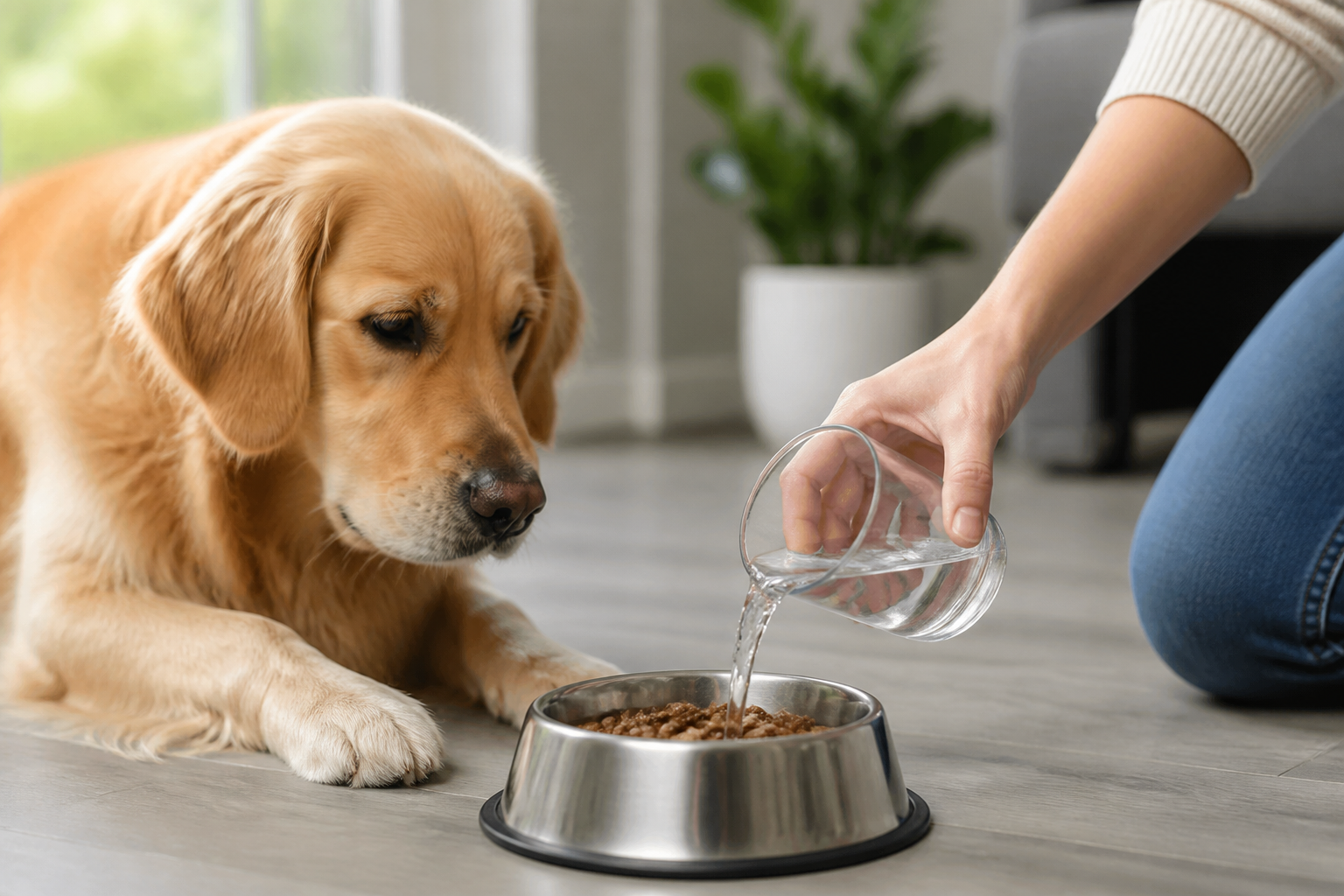
You stand over your dog's bowl and look at the pile of dry kibble. Your dog might be a senior who struggles to chew. Perhaps you have a puppy transitioning from milk to solids. You might just have a picky eater who walks away from the bowl without a second glance. It is a common moment for many owners. We often get asked if adding water to the bowl is actually helpful or if it causes more problems than it solves. This article explores the benefits for hydration and flavor against the risks of bacteria and dental changes. We will look at what the science says about digestion and when a moist meal is the right choice for your dog. Adding water to kibble is a simple step that can significantly change how your dog experiences their meal.
Quick Answer: Adding water to dry dog food is generally safe and beneficial for hydration and palatability. However, it can increase the risk of bacterial growth if left out. It also removes the abrasive texture that helps clean teeth.
The Case for Adding Moisture to the Bowl
Most dry dog food contains very little water. Most kibble sits at about 10 percent moisture. In the wild, a dog’s natural diet would consist of prey that is roughly 70 percent water. When a dog eats dry food, they must make up that hydration gap by drinking from their water bowl. Some dogs are excellent at this. Others are not. If you want to compare options, start with our dog food category.
Hydration is the most common reason owners start moistening food. If your dog does not drink much during the day, their kidneys have to work harder to process dry kibble. Adding a splash of water directly to the food ensures they get a baseline amount of hydration with every meal. This is especially useful in the summer months or in dry climates where dehydration happens quickly.
Beyond simple hydration, water changes the physical properties of the food. It releases the fats and aromas that are baked into the kibble. For a dog, smell is the primary driver of appetite. When you add warm water, those scents become more intense. This can turn a boring meal into something much more enticing for a dog that has lost interest in their food.
Benefits for Different Life Stages
Puppies and seniors have the most to gain from softened food. Puppies have small, sensitive teeth. Between 8 and 12 weeks of age, they are moving away from their mother's milk. Dry kibble can feel like eating rocks to a young puppy. Soaking the food makes this transition easier on their mouth and their developing digestive system. For younger dogs, our puppy food section is a helpful place to start.
Senior dogs often face dental issues. They may have missing teeth, sensitive gums, or even early-stage periodontal disease. Chewing hard kibble can be painful for them. If you notice your senior dog dropping pieces of food or eating slowly, they might be in discomfort. Softening the food allows them to get the nutrition they need without the pain of crunching down.
Key Takeaway: Moisture helps bridge the gap between dry kibble and a dog's natural hydration needs. It is particularly helpful for puppies transitioning to solids and seniors with dental sensitivities.
Understanding the Risks of Softening Food
While adding water sounds like a win for every dog, it does come with specific downsides. The most significant concern is hygiene. Dry kibble is shelf-stable because it lacks moisture. Once you add water, you create a perfect environment for bacteria to grow. This happens quickly.
If your dog is a "grazer" who likes to eat a few bites and come back later, moistening food is a bad idea. Within 30 to 60 minutes, wet kibble can begin to ferment or grow mold. If it sits in a warm room, the process happens even faster. You must be prepared to pick up the bowl and wash it if the food is not eaten immediately.
The Impact on Dental Health
One of the main selling points of dry food is the "mechanical scrub." As a dog chews a hard piece of kibble, the abrasive texture helps scrape away a small amount of plaque and tartar. This is not a replacement for brushing their teeth, but it does provide some daily maintenance. If dental care is a priority, our dog health category is a natural next stop.
When you soak the food, you lose this benefit entirely. The food becomes mushy and can actually stick to the teeth more easily. If you choose to moisten your dog's food every day, you need to be even more diligent about their dental care routine. This might include dental chews, water additives, or more frequent brushing.
What Recent Research Says
Some owners believe that softened food is always easier to digest. However, some studies have looked at how softened food affects the gut. One study involving Beagles suggested that dogs fed softened food had higher levels of certain stress hormones, like cortisol, compared to those eating dry food. The reasons for this are not entirely clear, but it may relate to the lack of "enrichment" that comes from chewing.
The study also found changes in the gut microbiome. While the softened food group had more diverse bacteria, some of those bacteria were potentially harmful. This suggests that for a healthy adult dog with no dental issues, dry kibble might actually support a more stable digestive environment. If you are weighing wet versus dry meals, our blog post on wet food versus dry food is a useful companion read.
Vet Tip: If your dog has a history of digestive upset or chronic health issues, talk to your veterinarian before making a permanent change to how you prepare their food. Sudden changes in texture and moisture can sometimes lead to temporary stomach sensitivity.
Step-by-Step Guide to Moistening Food
If you decide that moistening is right for your dog, you should follow a consistent process. Doing it correctly ensures the food is appetizing and safe.
Step 1: Measure the portion. / Start with the exact amount of dry food your dog usually eats. Do not add extra kibble just because you are adding water.
Step 2: Choose the right liquid. / Filtered water is the standard choice. Ensure the water is warm but never hot. Hot water can destroy some of the heat-sensitive vitamins and probiotics added to the kibble.
Step 3: Use the right ratio. / A good starting point is one part water to two parts kibble. For example, if you feed one cup of food, use half a cup of water. You can adjust this based on your dog's preference.
Step 4: Allow time to soak. / If you want the kibble to be truly soft, let it sit for 10 to 15 minutes. If you just want a "gravy," you can serve it immediately.
Step 5: Monitor the meal. / Set a timer for 30 minutes. If your dog has not finished the meal by then, throw the leftovers away. Do not put moistened kibble back in the fridge for later.
Bottom line: Preparation matters. Using warm water and sticking to a 30-minute window for feeding keeps the meal safe and effective.
Better Alternatives to Plain Water
Plain water is the most cost-effective way to moisten food, but it is not the only option. Many owners use other liquids to add even more nutritional value to the bowl. This is a great way to support specific health goals. If you want to explore meal enhancers, our dog food topper collection is worth a look.
Bone Broth for Dogs
Bone broth is a powerhouse for hydration and joint health. It is rich in collagen and amino acids. We carry several high-quality bone broths at BaxterBoo, such as options from Caru or The Honest Kitchen collection. These are formulated specifically for pets, meaning they do not contain the onions, garlic, or high salt levels found in grocery store broths for humans.
Goat Milk and Rehydration Mixes
Goat milk is often called "universal milk" because it is very easy for most dogs to digest. It contains natural probiotics that support gut health. If your dog has a sensitive stomach, using a bit of goat milk instead of water can be a game-changer for their digestion.
Wet Food Mixers
If your goal is palatability, mixing a small amount of canned food with dry kibble is very effective. This provides the moisture your dog needs while adding a variety of proteins and textures. You can use a fork to mash the wet food into the dry kibble so they cannot just pick out the "good stuff."
- Bone Broth: High in collagen, great for joints, very flavorful.
- Goat Milk: Easy to digest, provides probiotics, good for puppies.
- Unsalted Chicken Stock: Simple flavor boost, but ensure it is pet-safe.
- Canned Food Toppers: High moisture, varied nutrients, very enticing.
Managing Specific Health Conditions
There are times when moistening food is not just a preference but a medical necessity. Dogs with certain health conditions often require higher moisture intake to manage their symptoms.
For dogs with kidney or urinary issues, hydration is the top priority. Diluted urine is less likely to lead to crystals or stones. Many veterinarians prescribe specific diets for these conditions. Our pet pharmacy carries a variety of prescription pet foods, including specialized options from Farmina Vet Life. Brands like Royal Canin and Farmina Vet Life offer specialized formulas for renal and urinary health.
If your vet has put your dog on a prescription dry diet, they may specifically recommend that you add water to it. This ensures the therapeutic benefits of the food are supported by proper hydration. Always check the labels on prescription foods, as some are formulated to be served dry to maintain their specific nutrient ratios.
Weight Management
Adding water can also help with weight loss. Water adds volume to the food without adding calories. A bowl of moistened kibble looks much larger than a bowl of dry kibble. This can help a dog feel "full" faster. If you are struggling to help your dog lose weight, increasing the volume of their meal with water is a simple trick to try.
Key Takeaway: Moistened food is often a key part of managing chronic conditions like kidney disease or obesity. Our pet pharmacy can help you access the specific prescription diets your vet recommends for these needs.
When to Avoid Moistened Food
Despite the benefits, some dogs should stick to a strictly dry diet. If your dog has a high risk of bloat (GDV), you should be cautious. While the link between moistened food and bloat is debated, some experts suggest that very small kibble that is heavily moistened might be swallowed with more air. If you have a large or deep-chested breed, discuss your feeding methods with your vet.
Another reason to avoid it is if your dog has severe dental issues that require a specialized "dental" diet. These specific kibbles are designed to not crumble immediately when bitten. Instead, the tooth sinks into the kibble, allowing the fibers to scrub the tooth surface. If you soak these dental diets, you completely negate the reason for buying them.
Lastly, if you have a busy schedule and cannot be home to pick up the bowl after 30 minutes, dry food is the safer choice. Leaving wet food out all day is a recipe for an upset stomach or a trip to the vet.
Making the Transition
If you have always fed dry food and want to try moistening it, do not do it all at once. Start by adding just a tablespoon or two of water. See how your dog reacts. Some dogs are suspicious of changes to their routine. They might sniff the bowl and walk away because the texture feels "wrong."
Slowly increase the amount of water over a week. This allows their digestive system to adjust to the extra liquid. It also helps you find the "sweet spot" for your dog's preference. Some dogs like a soup, while others just want the kibble to be slightly softened on the outside.
If your dog is a picky eater, you can also try using warm broth first to build their interest. Once they are excited about the new routine, you can switch to plain water if you prefer. We see many owners find success by rotating between plain water and occasional toppers to keep things interesting. If you are planning a broader feeding change, our guide to switching from dry to wet dog food can help you plan the transition.
Bottom line: A slow transition helps your dog accept the new texture and prevents digestive upset.
Comparing Options for Your Dog
| Feeding Method | Best For | Pros | Cons |
|---|---|---|---|
| Strictly Dry | Healthy adults, grazers | Dental benefits, stays fresh all day | Low hydration, less aroma |
| Water Soaked | Seniors, puppies, low drinkers | High hydration, soft texture | Spoils quickly, messy |
| Broth Added | Picky eaters, active dogs | Extra nutrients, very palatable | Can be expensive, added sodium (if not pet-specific) |
| Wet Food Mix | All life stages | Best of both worlds | Increases daily calorie count |
Conclusion
Deciding whether you should moisten dry dog food depends entirely on your dog's individual needs. For many, it is a simple and free way to improve hydration and make mealtime more enjoyable. It is a vital tool for puppies and seniors who need a softer texture. However, it requires a commitment to cleanliness and a 30-minute feeding window to avoid bacterial growth. If your dog has specific health needs like kidney disease, the extra moisture can be life-saving.
We suggest starting with a small amount of warm water or a pet-safe broth to see if your dog enjoys the change. If you are managing a chronic health condition, remember that our pharmacy offers a wide selection of prescription diets. Keeping your dog hydrated and happy is one of the most important parts of their daily care. For repeat purchases, our Autoship programme can make it easier to stay stocked.
- Start with a 1:2 water-to-kibble ratio.
- Use warm water to release aromas.
- Pick up the bowl within 30 minutes.
- Consult your vet for dogs with chronic health issues.
Vet Tip: If your dog suddenly stops eating dry food they used to love, it may be a sign of a dental problem or an underlying health issue. A quick check-up with your vet is always the best first step before simply changing their food texture.
FAQ
Does soaking dog food cause it to lose nutrients?
Soaking kibble in warm water does not cause it to lose its core nutritional value. However, you should avoid using boiling water as extreme heat can degrade certain vitamins and probiotics. As long as your dog consumes the liquid in the bowl, they are getting all the nutrients the food provides.
Can I soak my dog's food and leave it out all day?
No, you should never leave moistened dog food out for more than 30 to 60 minutes. Moisture creates an ideal breeding ground for bacteria and mold. If your dog does not finish the meal quickly, discard the leftovers and wash the bowl thoroughly.
Will adding water to food help my dog lose weight?
It can help by increasing the volume of the meal without adding calories. This makes the dog feel fuller even though they are eating the same amount of food. However, you must still ensure you are measuring the correct portion of kibble for your dog's target weight.
Is it better to use broth or water to soften kibble?
Water is perfectly fine for basic hydration and softening. Broth is a better choice if you have a very picky eater or a dog that needs extra joint support from collagen. Just ensure any broth you use is formulated specifically for pets and does not contain onion, garlic, or excessive salt. If saving on repeat purchases matters, the MVP Rewards programme can add extra value to routine orders.






