
 Save 15% on your 1st Autoship learn more

 Email us
 Live Chat
 FAQs
FAQs





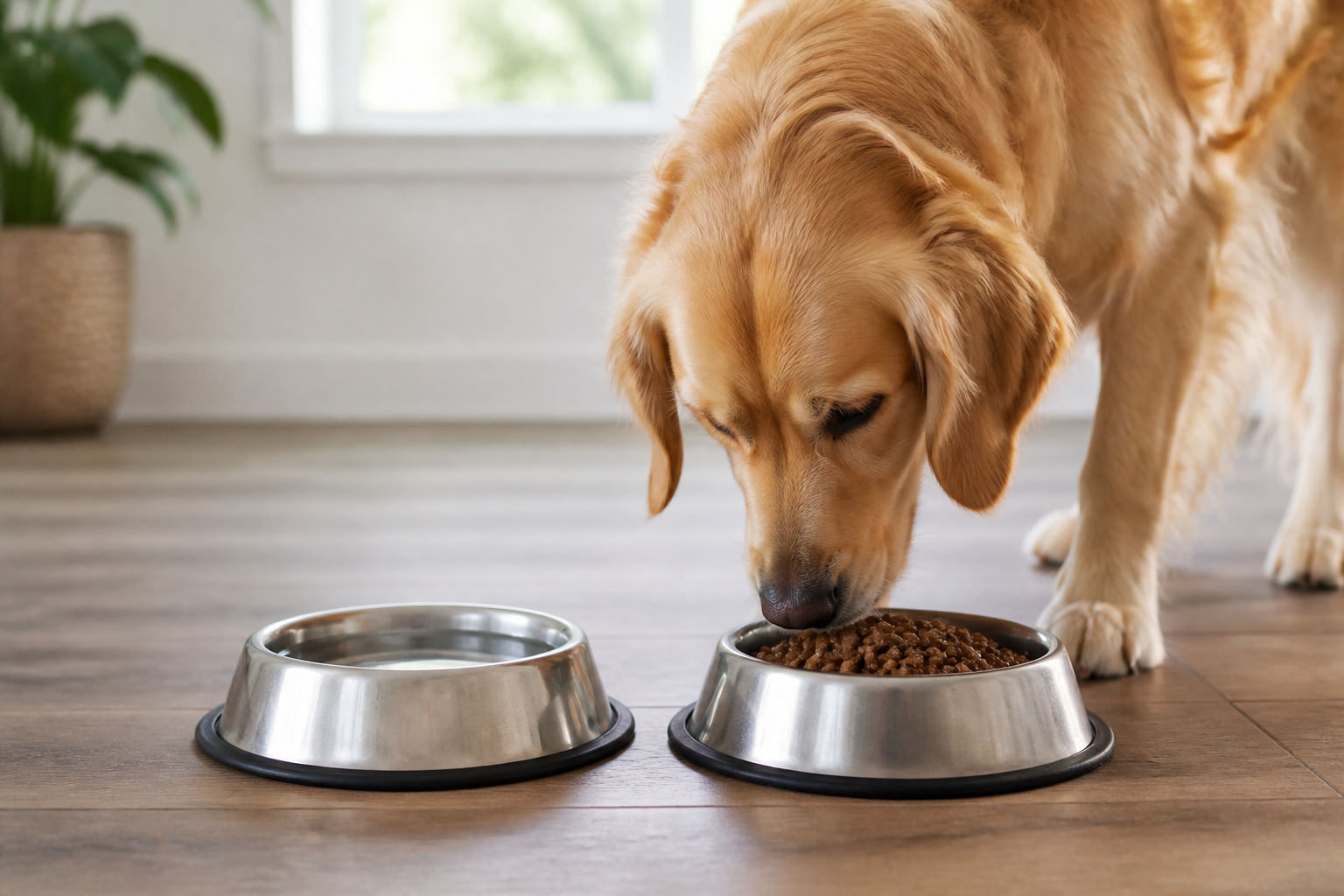
Introduction
You are standing at the kitchen counter with a scoop of kibble in one hand and your dog dancing at your feet. As you pour the dry pellets into the bowl, you might wonder if that crunch is enough or if a splash of water from the tap would make the meal better. It is a common question we hear at BaxterBoo, where we have helped pet owners navigate nutrition and gear since 2006. Some owners swear by soaking kibble to boost hydration, while others worry about dental health or the mess. This post covers the benefits of adding moisture, the potential risks of bacterial growth, and the best ways to transition your dog to a hydrated diet. Understanding how water impacts your dog’s digestion and satisfaction can help you decide if a wet bowl is the right choice for your pup.
Quick Answer: Yes, you can and often should add water to dry dog food to improve hydration, digestion, and palatability. It is especially helpful for senior dogs, puppies, and picky eaters, provided you do not leave the food out long enough to spoil.
The Science of Hydration and Dry Kibble
Most commercial dry dog foods are produced through a process called extrusion. This involves high heat and pressure to create the shelf-stable nuggets we know as kibble. While this process makes food convenient and affordable, it leaves the final product with very little moisture. Most dry foods contain only 6 to 10 percent water. In contrast, a natural canine diet in the wild would consist of prey containing roughly 70 percent moisture.
When a dog eats a diet consisting almost entirely of dry matter, their body has to work harder to stay hydrated. They must drink significant amounts of water from a bowl to make up the deficit. However, many dogs do not have a high thirst drive. This can lead to a state of mild, chronic dehydration that puts unnecessary stress on the kidneys and the urinary system.
By adding water directly to the food, you ensure your dog takes in moisture with every bite. This is a proactive way to support kidney function and help the body flush out toxins. It can also be a preventive measure against the formation of urinary stones or crystals, which often develop when urine is too concentrated.
Key Takeaway: Adding water to kibble bridges the gap between the low moisture of dry food and the high hydration needs of a dog's biological systems.
For more meal options, explore our dog food category.
Improving Palatability for Picky Eaters
If you have a dog that turns their nose up at plain kibble, water might be the simplest solution. Dry food is often coated in fats and flavor enhancers to make it appealing. These aromas are locked inside the hard structure of the pellet. When you add warm water, it breaks down those surface fats and releases a much stronger scent.
A dog's sense of smell is their primary way of experiencing the world and their food. A bowl of dry kibble might smell like nothing to us, and very little to them. Once that water hits the bowl, the meaty aromas become much more intense. This can entice a senior dog with a fading sense of smell or a picky eater who has grown bored with their standard routine.
Temperature also plays a role. In nature, a fresh meal is warm. By using warm water, you mimic the natural temperature of a fresh catch. This can trigger a dog's instinctual appetite. We often see pet owners find success with this method before they feel the need to switch to more expensive wet foods or toppers.
If you are comparing food and topper options, our selection of Stella & Chewy's products offers several choices for enhancing mealtime.
Digestion and the Risk of Bloat
One of the most significant reasons to consider adding water to dry dog food is the impact on the digestive tract. Dry kibble is dense. When it enters the stomach, it absorbs the stomach's natural fluids to begin the breakdown process. This can lead to the food expanding significantly inside the dog.
For some dogs, especially large or deep-chested breeds, the way food expands and how fast they eat can contribute to a dangerous condition known as bloat or GDV. When you soak the food before serving, the expansion happens in the bowl rather than in the stomach. This can lead to a more stable digestive process.
Furthermore, softened food is easier for the stomach to process. It moves through the digestive system more smoothly, which can lead to better nutrient absorption. If you notice your dog has very large or loose stools, it may be a sign that they are not fully digesting their dry kibble. Adding moisture can help the body break down the nutrients more efficiently.
Vet Tip: If your dog is a "vulture" who gulps food down in seconds, adding water can slow them down. Floating the kibble in water makes it harder for them to inhale the food, which reduces the amount of air they swallow and may lower the risk of digestive upset.
For another look at the topic, read how to mix dry dog food with water.
Benefits for Different Life Stages
Puppies and the Transition to Solid Food
Puppies have small, sensitive teeth and developing digestive systems. When they are transitioning from mother's milk or milk replacer to solid food, the jump to hard kibble can be difficult. Soaking kibble into a soft mash makes this transition much easier. It allows them to get the nutrition of a high quality puppy food without the physical struggle of chewing hard pellets.
For age-appropriate essentials, visit our puppy supplies section.
Senior Dogs and Dental Challenges
As dogs age, they often face dental issues such as broken teeth, gum disease, or missing teeth. Chewing hard kibble can be painful for these seniors. Rather than switching their entire diet, which can cause stomach upset, simply softening their existing food with water can make mealtime comfortable again. At BaxterBoo, we see many senior pet owners use this method to keep their dogs on a consistent diet while accommodating their changing physical needs.
The Myth of Kibble and Dental Health
There is a long-standing belief that dry kibble acts like a toothbrush for dogs. The idea is that the abrasive texture of the crunch scrapes away plaque and tartar. However, many veterinary dentists point out that most dogs do not chew their kibble enough for this to be effective. Most kibble is small and shatters easily, or is swallowed whole.
Additionally, kibble is often high in carbohydrates. When these starchy bits get stuck in the teeth, they break down into sugars. These sugars actually feed the bacteria in the mouth, which can lead to more plaque rather than less. Adding water to the food might remove the "crunch," but it also helps wash away those starchy residues.
If you are worried about your dog's teeth, it is better to rely on actual dental care. This includes:
- Daily brushing with pet-safe toothpaste
- Specific dental chews approved by the VOHC
- Annual professional cleanings by a veterinarian
- Using water additives designed to reduce plaque
Potential Risks and How to Avoid Them
While adding water is generally beneficial, there are a few risks to keep in mind. The primary concern is bacterial growth. Dry kibble is shelf-stable because it lacks moisture. Once you add water, you create a perfect environment for bacteria like Salmonella or Listeria to thrive, especially in warm weather.
If your dog is a "grazer" who likes to take a few bites and come back hours later, adding water is not a good idea. Moistened food should be consumed within 30 to 60 minutes. If your dog hasn't finished the bowl by then, you should pick it up and discard the remains. Leaving wet kibble out all day can lead to fermentation or spoilage that could make your dog sick.
Another minor concern is the mess. Some dogs are messy eaters, and wet kibble can end up on their face, ears, or the kitchen floor. If you have a dog with long, floppy ears, you might need a specialized bowl or a quick ear-cleaning routine after meals.
How to Properly Add Water to Kibble
If you are ready to try this, do not just flood the bowl with ice-cold tap water. There is a right way to prepare a hydrated meal to maximize the benefits.
Step 1: Measure your dog's standard portion of dry food into a clean bowl. Consistency is key for weight management.
Step 2: Use filtered, warm water. It should be warm to the touch but never hot or boiling. Boiling water can actually destroy some of the heat-sensitive vitamins and probiotics added to the food.
Step 3: Follow a simple ratio. A good starting point is one part water to two parts kibble. For example, if you feed one cup of food, add half a cup of water.
Step 4: Let the food sit. Wait about five to ten minutes before serving. This gives the kibble time to absorb the moisture and soften. If you want a "gravy" effect, you can serve it sooner.
Step 5: Clean the bowl thoroughly after every meal. Bacteria can hide in the scratches of plastic bowls, so stainless steel or ceramic are usually better choices for wet meals.
Key Takeaway: Proper preparation involves using warm, filtered water and allowing a few minutes for absorption to ensure the best texture and safety.
Beyond Plain Water: Enhancing the Bowl
If you want to take the benefits of hydration even further, you do not have to stop at plain water. There are several healthy liquids that add both moisture and a massive boost of nutrition.
Bone Broth
Bone broth is packed with collagen, glycine, and minerals that support joint health and gut integrity. Many brands we carry, such as Stella and Chewy's or The Honest Kitchen, offer bone broths specifically formulated for pets. Unlike human bone broth, these do not contain onions, garlic, or excessive salt, which can be toxic to dogs.
Goat Milk
Often called "universal milk," raw goat milk is highly digestible and filled with probiotics. It is an excellent way to add moisture while supporting a healthy immune system and digestive tract. This is particularly useful for dogs with sensitive stomachs or those recovering from an illness.
Wet Food Toppers
If your budget allows, mixing a bit of canned food with dry kibble is a great way to add moisture. This provides a variety of textures and proteins. Our Autoship programme is a popular way for owners to keep both dry and wet food in stock so they never run out of mixing options.
Managing Health Conditions with Hydration
For some dogs, adding water to their food is not just a preference but a medical necessity. Dogs prone to urinary tract infections (UTIs) or those with a history of bladder stones need as much water as possible to keep their system flushed. Increasing water intake is often the first line of defense recommended by veterinarians.
In cases of chronic kidney disease, the kidneys lose their ability to concentrate urine. This means the dog loses more water than usual and can become dehydrated very quickly. Providing a moisture-rich diet is essential for these pets.
If your veterinarian has diagnosed your dog with a specific health condition, they may recommend a prescription diet. These diets are formulated to address specific issues like urinary pH or kidney workload. Our pharmacy carries a wide range of FDA-approved prescription foods and medications through our partnership with Pet's Choice. Whether your dog needs a specialized diet from Royal Canin or Farmina Vet Life, we can help you get those essentials delivered to your door.
Vet Tip: Always consult your veterinarian before making major changes to the diet of a dog with a chronic health condition. They can help you determine the right amount of moisture and the best type of liquid to add based on your dog's specific medical needs.
Feeding Routine and Consistency
Consistency is one of the most important aspects of dog ownership. If you decide to start adding water to your dog's food, try to do it at every meal. Rapidly switching between dry and wet textures can sometimes cause digestive confusion or make a dog more likely to become a picky eater, as they may hold out for the "better" version of the meal.
Monitor your dog's weight and body condition. While water has zero calories, the increased palatability might lead your dog to eat more enthusiastically. If they are feeling more satisfied and full because of the increased volume in their stomach, you might find it easier to keep them at a healthy weight. For dogs that need to lose a few pounds, adding extra water is a great way to help them feel full while you slightly reduce their calorie intake.
Bottom line: Adding water is a low-cost, high-reward habit that supports nearly every aspect of canine health, from kidney function to digestive comfort.
Conclusion
Adding water to your dog's dry food is a simple step that offers significant rewards for their long-term health. It supports vital organ function, makes meals more exciting, and can even help prevent serious digestive issues like bloat. While you must be mindful of food safety and avoid leaving moistened kibble out for too long, the benefits for puppies, seniors, and every dog in between are clear. Whether you use plain filtered water or a nutrient-dense bone broth, your dog will likely appreciate the extra effort.
- Hydration supports the kidneys and urinary tract.
- Warm water releases enticing aromas for picky eaters.
- Soaked kibble is easier on aging teeth and sensitive puppy gums.
- Moisture helps prevent the food from expanding too rapidly in the stomach.
If you are looking for ways to enhance your dog's diet, consider exploring our selection of bone broths and wet food toppers. For those managing specific health concerns, our pharmacy and Pet's Choice partnership offer a convenient way to access prescription diets. You can even set up these essentials on Autoship to save time and ensure your dog never misses a healthy, hydrated meal.
FAQ
Does adding water to dog food cause more tartar?
Adding water does not directly cause tartar, but it does remove the crunch that some believe helps scrape teeth. However, since most kibble is starchy and can actually contribute to plaque, the loss of texture is usually a minor trade-off. The best way to prevent tartar is through regular brushing and professional veterinary cleanings rather than relying on the texture of dry food.
How long should I let the dog food soak?
Most kibble only needs about two to five minutes to soften significantly. If you use very warm water, the process happens faster. If you are feeding a dog with severe dental issues, you might want to wait ten minutes until the kibble reaches a sponge-like or mashed-potato consistency.
Can I use cold water instead of warm water?
You can use cold water, but it will not release the aromas and fats as effectively as warm water. Warm water is generally more appealing to dogs and helps the kibble soften much faster. Just ensure the water is not hot, as high temperatures can damage the nutritional integrity of the food.
Will adding water to food help my dog lose weight?
It can help with weight management by increasing the volume of the meal. The added water fills the stomach and helps the dog feel satisfied or "full" without adding any extra calories. This can reduce begging behaviors and make it easier for owners to stick to strict portion controls for overweight pets.






