
 Save 15% on your 1st Autoship learn more

 Email us
 Live Chat
 FAQs
FAQs





Introduction
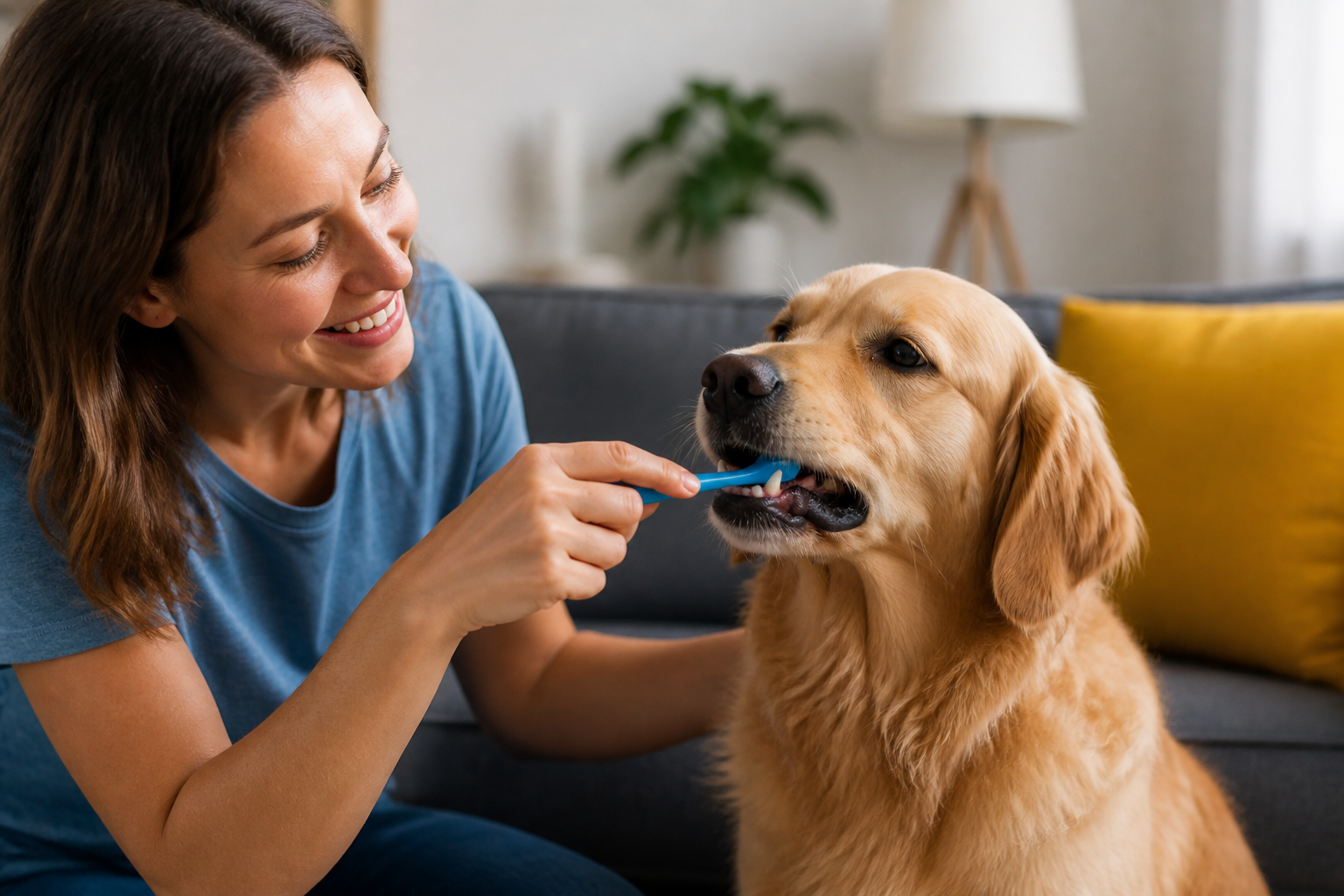
You are relaxing on the couch when your dog leans in for a friendly nuzzle. Suddenly, a wave of bad breath hits you. It is a common moment for many pet owners. We often notice the smell before we notice the yellow tartar building up along the gumline. Maintaining oral hygiene is about more than just fresh breath. It is a vital part of your dog's overall health and longevity.
At BaxterBoo, we have helped thousands of owners find the right tools to keep those pearly whites shining. This guide covers everything from daily brushing techniques to the best dental chews and professional care options. We will explain how a multi-pronged approach is the most effective way to prevent periodontal disease. By the end of this article, you will have a clear plan to manage your dog's dental wellness at home.
Quick Answer: The best way to clean a dog's teeth is a combination of daily brushing with dog-safe toothpaste and the use of VOHC-approved dental chews. Regular veterinary exams and professional cleanings are also necessary to reach plaque beneath the gumline.
The Gold Standard: Daily Brushing
Brushing your dog's teeth is the single most effective way to remove plaque before it hardens into tartar. Plaque is a sticky film of bacteria that forms on the teeth within hours of eating. If it is not brushed away, it reacts with minerals in the saliva to form tartar. Once tartar develops, you cannot remove it with a toothbrush alone.
Many owners feel intimidated by the idea of sticking a brush in their dog's mouth. It helps to remember that you do not need to clean the inside surfaces of the teeth. A dog's tongue generally does a good job of keeping the interior clean. You should focus your efforts on the outside surfaces where the cheek meets the gumline. This is where the most significant buildup occurs.
You must never use human toothpaste for your dog. Human formulas often contain xylitol, which is a sweetener that is highly toxic to dogs. They also contain foaming agents that can upset a dog's stomach. Dog-specific toothpaste comes in flavors like poultry, beef, or peanut butter. These flavors make the experience much more enjoyable for your pet. A product such as Arm & Hammer Dental Complete Care Dog Toothpaste - Chicken is made specifically for canine dental care.
Choosing the Right Tools
The right equipment makes the job much easier. You have a few different options depending on your dog's size and comfort level.
- Finger Brushes: These are small silicone caps with bristles that fit over your pointer finger. They are excellent for puppies or dogs who are nervous about long objects in their mouths.
- Dual-Headed Brushes: These have a large brush on one end and a smaller one on the other. They are ideal for households with multiple dogs of different sizes.
- Angled Brushes: These are specifically designed to reach the deep molars at the very back of the mouth. This is where many dogs develop the heaviest tartar.
For additional guidance on introducing brushing, read our pet dental care tips.
A Step-by-Step Guide to Brushing
If your dog is not used to brushing, do not try to do the whole mouth at once. Take it slow and use plenty of praise.
Step 1: Let them taste the paste. / Put a small amount of dog-safe toothpaste on your finger and let your dog lick it off. This helps them associate the brush with a treat.
Step 2: Touch the teeth and gums. / Gently lift your dog's lip and rub your finger along their gums. Do this for a few days until they are comfortable with the contact.
Step 3: Introduce the brush. / Apply a small amount of paste to the bristles. Brush just the front canine teeth using a circular motion.
Step 4: Work toward the back. / Gradually increase the number of teeth you brush each session. Aim to reach the back molars where most dental disease starts.
Key Takeaway: Consistency is more important than perfection. Brushing for just sixty seconds a day can significantly reduce the risk of painful dental infections.
Using Dental Chews Effectively
Not every dog will tolerate a toothbrush. This is where dental chews become a valuable secondary tool. These treats are designed to scrape the surface of the teeth as your dog chews. They also stimulate saliva production, which contains natural enzymes that help break down plaque.
When shopping for chews, look for the Veterinary Oral Health Council (VOHC) seal of approval. This seal means the product has undergone independent testing to prove it effectively reduces plaque or tartar. We carry several VOHC-approved brands like Greenies and Royal Canin that are designed for maximum mechanical cleaning. You can browse our dental treats and chews to compare options.
It is important to choose the right size chew for your dog. If a chew is too small, your dog might gulp it down without enough chewing action. If it is too large, they may struggle to get their jaws around it. Always supervise your dog when they are enjoying a dental treat to ensure they do not swallow large chunks.
The Problem with Hard Chews
While chewing is good, items that are too hard can cause more harm than good. Many owners give their dogs antlers, hooves, or large natural bones. These items are often harder than the tooth enamel itself. We frequently see dogs with slab fractures on their molars because they chewed on something too rigid.
A good rule of thumb is the fingernail test. If you cannot make a small dent in the chew with your fingernail, it is likely too hard. Items like rubber KONG toys or softer dental sticks are much safer for the structural integrity of the teeth. For more ideas, see our guide to the best dental chews for dogs.
Vet Tip: If your dog has red, swollen gums or bleeds when chewing, skip the hard treats and schedule a vet visit. These are signs of active gingivitis that need professional assessment before you start a new home care routine.
Diet and Water Additives
What your dog eats plays a role in their oral health. There is a long-standing belief that dry kibble cleans teeth better than wet food. While some kibble is formulated with a specific texture to scrub teeth, standard kibble often shatters too quickly to provide much benefit.
If your dog is prone to heavy tartar, your veterinarian might recommend a prescription dental diet. These specialized foods use a fiber matrix that does not crumble immediately. Instead, the tooth sinks into the kibble, which wipes the surface clean. You can find prescription options through our dog pharmacy. We partner with Pet's Choice to provide FDA-approved medications and therapeutic diets that require a veterinarian's authorization.
Supplements and Additives
Water additives are a low-effort way to fight bacteria. You simply add a measured amount to your dog's water bowl. These products usually contain enzymes or ingredients like chlorhexidine that help prevent biofilm from sticking to the teeth.
There are also dental powders that you can sprinkle over your dog's food. These often contain a specific type of brown seaweed that has been shown to change the chemistry of the saliva. This makes the plaque softer and easier to remove through chewing or brushing.
Identifying Signs of Dental Disease
Dogs are experts at hiding pain. A dog with a severe toothache will often continue to eat and play normally. This is why you must proactively check their mouth once a week.
Look for these warning signs:
- Foul breath that persists after eating
- Yellow or brown crust near the gumline
- Red, puffy, or bleeding gums
- Difficulty picking up food or dropping kibble
- Pawing at the mouth or rubbing the face on the carpet
- Loose or missing teeth
If you notice any of these symptoms, it is time for a professional evaluation. Dental disease is not just about the mouth. Bacteria from infected gums can enter the bloodstream. This can lead to serious complications in the heart, liver, and kidneys. For additional warning signs, read what to do when your dog has damaged teeth.
Bottom line: Bad breath is not just a cosmetic issue; it is usually the first sign of an underlying infection that requires medical attention.
Professional Veterinary Cleanings
Even with perfect home care, most dogs will eventually need a professional dental cleaning. This is similar to the cleaning you get at your own dentist, but with one major difference. Dogs require general anesthesia for a thorough cleaning.
Anesthesia allows the veterinarian to perform a complete exam without causing the dog stress or pain. Most importantly, it allows for "subgingival" cleaning. This means cleaning the space between the tooth and the gum where most bacteria hide.
Anesthesia-Free Cleaning Risks
You may see services offering anesthesia-free dental cleanings. While this might sound safer or cheaper, it is often a purely cosmetic procedure. These practitioners can scrape off the visible tartar, but they cannot reach the bacteria under the gumline. This can give owners a false sense of security while the disease continues to progress beneath the surface.
A professional cleaning at a clinic usually includes:
- A full physical exam and bloodwork to ensure anesthesia safety.
- Scaling to remove tartar from all tooth surfaces.
- Polishing to smooth the enamel so plaque cannot easily reattach.
- Dental X-rays to check for abscesses or bone loss.
- Extractions if any teeth are diseased beyond repair.
Key Takeaway: Professional cleanings under anesthesia are the only way to treat periodontal disease below the gumline and identify hidden pain.
Natural Helpers: Fruits and Vegetables
If you are looking for healthy, low-calorie ways to help your dog's teeth, your refrigerator might have the answer. Certain crunchy vegetables can act as a natural toothbrush.
- Carrots: Raw carrot sticks require a lot of chewing. This mechanical action helps scrub the teeth and provides a boost of Vitamin A.
- Apples: Slices of apple can help clean teeth and freshen breath. Just make sure to remove all seeds and the core, as apple seeds contain small amounts of cyanide.
- Celery: The fibrous nature of celery makes it a great natural floss. It also has a high water content which helps wash away food particles.
While these are great additions to a dental routine, they should not be your only method of cleaning. They are best used as healthy treats that support a foundation of brushing and professional care.
Establishing a Lifetime Routine
The best way to manage your dog's teeth is to start early. Puppies should have their mouths handled frequently so they are used to inspections. However, it is never too late to start. Even senior dogs can benefit from a new dental routine, provided their mouth is currently healthy and pain-free.
Consider setting a specific time for dental care, such as right before bed or after the evening walk. This helps it become a habit for both you and your pet. When you make oral health a priority, you are investing in your dog's comfort and their future.
If you are looking for the best products to get started, we carry over 500 trusted brands at BaxterBoo. Our team handpicks every item to ensure it meets our standards for quality and safety. You can also take advantage of the MVP Rewards programme to earn points on every dental treat or toothbrush you buy.
Bottom line: A multi-step approach involving brushing, safe chews, and regular vet visits is the most effective way to keep your dog's mouth healthy and pain-free.
Summary of Best Practices
To keep your dog's teeth in top shape, follow these simple guidelines:
- Brush daily using a dog-specific toothpaste and an appropriately sized brush.
- Provide VOHC-approved dental chews to help manage plaque between brushings.
- Avoid extremely hard items like antlers or cooked bones that can fracture teeth.
- Check your dog's mouth weekly for redness, odor, or buildup.
- Schedule an annual wellness exam with your veterinarian to discuss professional cleaning needs.
For owners managing chronic dental issues, our pharmacy partnership with Pet's Choice offers access to prescription diets and medications. Whether you need a simple finger brush or a specialized dental food, we are here to help you navigate your dog's health journey. You can even set up an Autoship order for your favorite dental treats so you never run out, saving you time and money.
FAQ
Can I use baking soda to brush my dog's teeth?
While baking soda is not toxic in small amounts, it has a very salty taste that most dogs dislike. It can also upset their stomach if they swallow too much of it. It is much better to use a flavored dog toothpaste that contains enzymes specifically designed to break down canine plaque.
How often should I give my dog a dental chew?
Most dental chews are designed to be given once a day for maximum effectiveness. However, these chews contain calories, so you should adjust your dog's meal portions to account for the extra treat. Always check the packaging for the manufacturer's feeding guidelines based on your dog's weight.
Is it normal for my dog's gums to bleed slightly during brushing?
If you have just started a brushing routine, very slight bleeding can occur if there is mild gingivitis. However, this should stop quickly as the gums become healthier. If the bleeding is heavy or persists after several days of brushing, you should stop and consult your veterinarian.
Does my dog really need X-rays during a dental cleaning?
Yes, dental X-rays are essential because more than 50 percent of a dog's tooth is hidden under the gumline. Without X-rays, a veterinarian cannot see painful problems like root abscesses, bone loss, or impacted teeth. X-rays allow for a complete diagnosis and ensure no hidden issues are left untreated.






