Save 15% on your 1st Autoship learn more

 Email us
 Live Chat
 FAQs
FAQs





Introduction
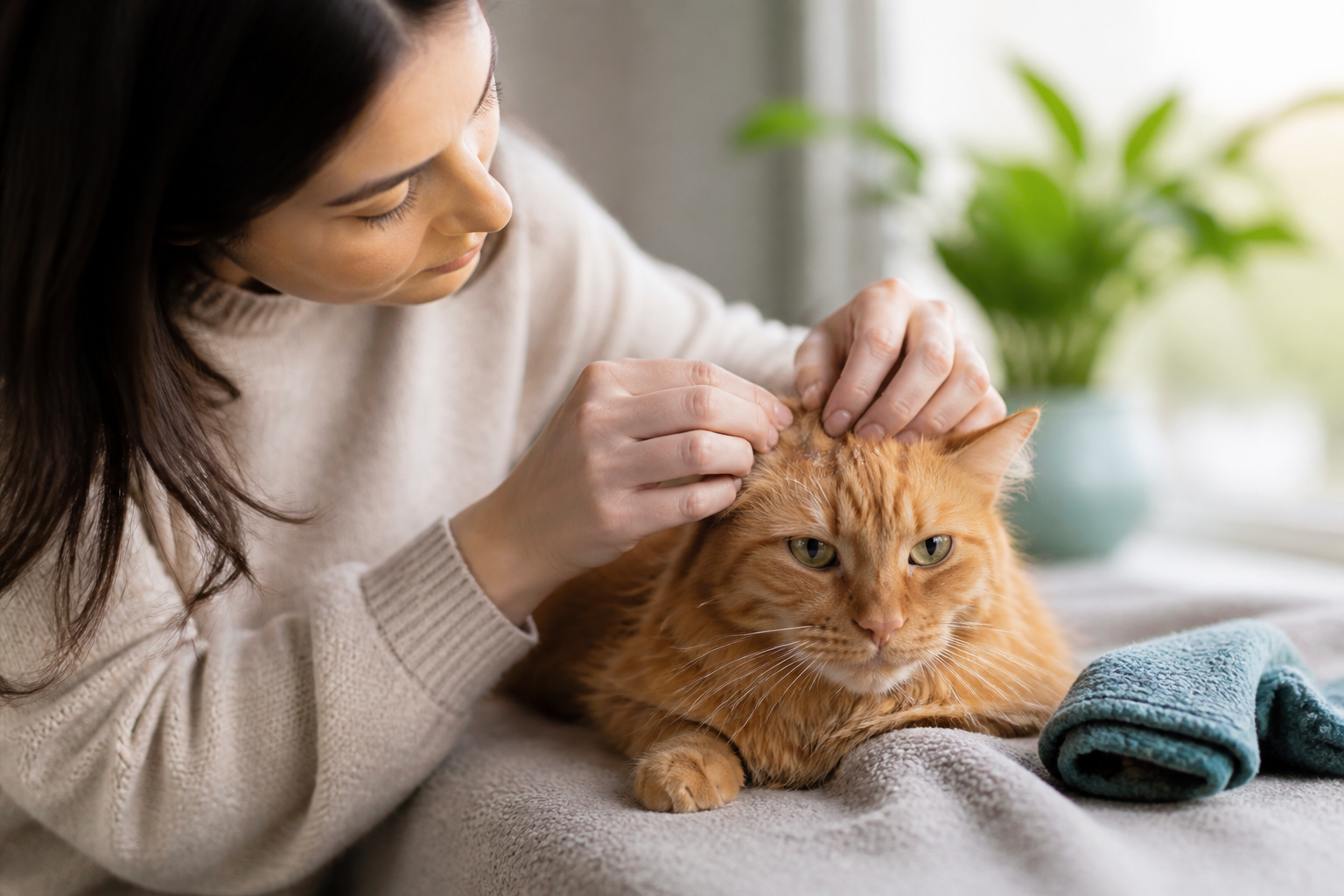
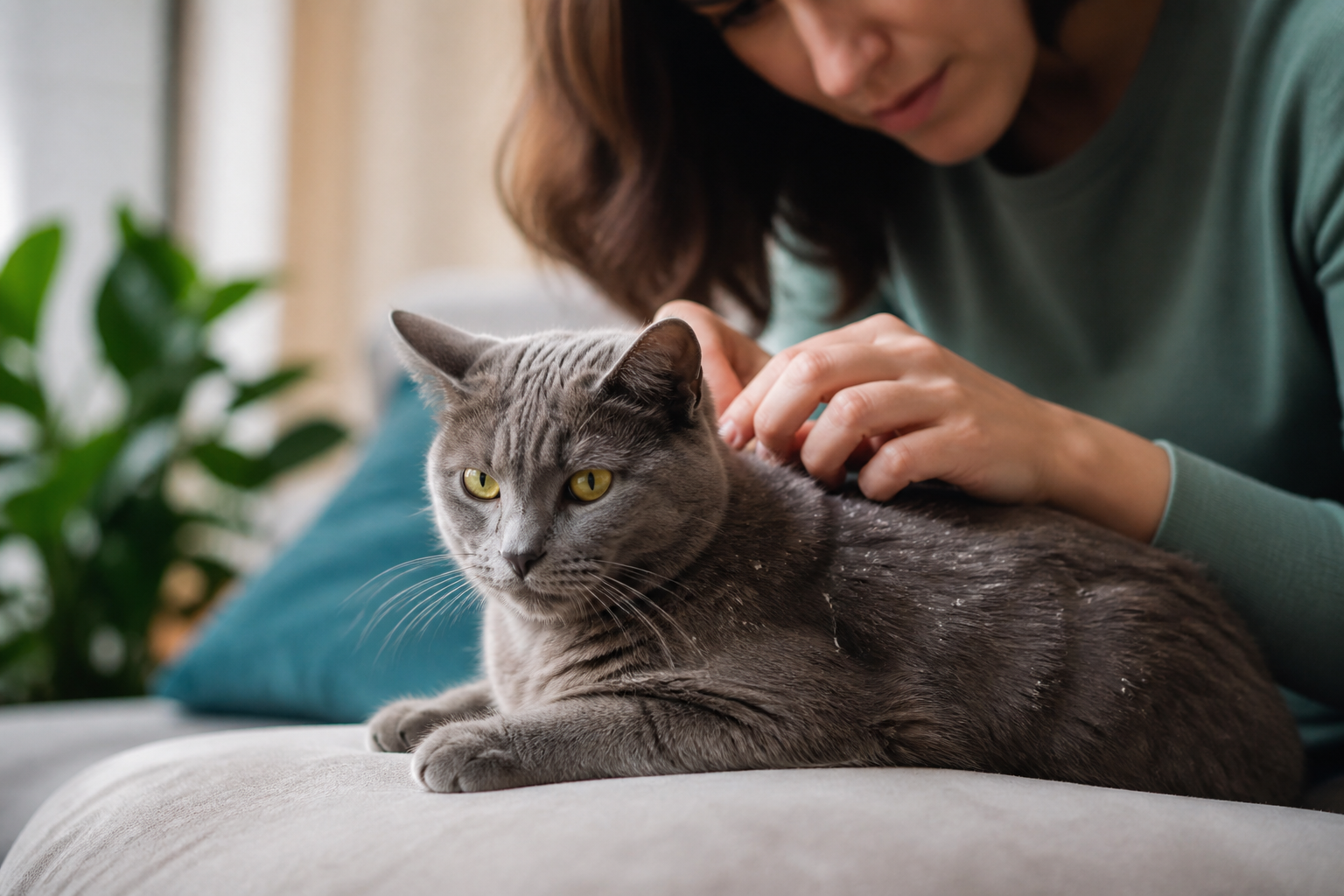
You might be relaxing on the couch with your cat when you notice a dusting of white flakes on their dark fur. When you go to pet them, you realize the coat feels thinner than usual or there is a small patch where the skin is visible. This combination of flaky skin and thinning fur is a common concern for many owners. At BaxterBoo, we have spent years helping pet parents in Vernon Hills and across the country find the right solutions for feline skin health. This article covers why these flakes appear, why the hair might be falling out, and how you can support your cat's recovery. Understanding the underlying cause is the first step toward restoring that soft, glossy coat.
Quick Answer: Cat dandruff and hair loss often occur together because skin irritation leads to excessive grooming or scratching. Common causes include parasites like fleas, nutritional deficiencies, or environmental factors like dry indoor air.
The Relationship Between Dandruff and Hair Loss
Dandruff itself is simply dead skin cells that have clumped together. Every cat sheds skin cells as part of a natural renewal process. However, when the sebaceous glands in the skin produce too much oil, those cells stick together and become visible to the naked eye. This is what we see as white or yellowish flakes.
Hair loss, or alopecia, often follows dandruff because the skin underneath is uncomfortable. When skin is dry or flaky, it becomes itchy. Your cat reacts by licking, biting, or scratching at the area. Feline tongues are covered in tiny barbs called papillae. These are great for cleaning, but they are very abrasive. If a cat over-grooms a single spot because it feels itchy, they will eventually lick the fur right off.
In some cases, the hair loss is not caused by grooming. Some health conditions cause the hair follicles to become weak. When the follicle is unhealthy, the hair simply falls out on its own. Seeing both flakes and thinning fur usually suggests that the skin's barrier has been compromised.
Environmental and Lifestyle Factors
The environment inside your home plays a major role in the health of your cat's skin. This is especially true during the winter months in colder climates. When the furnace runs constantly, the air inside becomes very dry. This saps moisture from your cat's skin.
Low Humidity and Heat
If your cat loves to sleep on a radiator or near a heating vent, they are at higher risk for dry skin. The direct heat can cause the skin to crack and flake. You might notice the dandruff is most concentrated along their back or near the base of the tail.
Hydration Issues
Cats are notorious for having a low thirst drive. In the wild, they get most of their moisture from their prey. If a cat eats a diet consisting only of dry kibble and does not drink enough water, they can become mildly dehydrated. This dehydration shows up quickly in the quality of the coat and the elasticity of the skin. Adding moisture-rich options from our cat food selection may be worth discussing with your veterinarian.
Grooming Access
Sometimes a cat has dandruff because they simply cannot reach certain spots to clean themselves. This is common in senior cats with arthritis or cats that are overweight. If a cat cannot reach their lower back, the natural oils and dead skin cells build up. This leads to a greasy feel and heavy flaking.
Key Takeaway: Environmental dryness and physical limitations often cause localized dandruff. Improving indoor humidity and helping your cat groom can make a significant difference.
Parasites and Fungal Infections
When dandruff is accompanied by sudden, patchy hair loss, parasites are often the culprit. These pests irritate the skin and trigger an immune response that leads to inflammation and flaking.
Fleas and Mites
Flea allergy dermatitis is one of the most common reasons for skin issues in cats. Some cats are highly sensitive to flea saliva. A single bite can cause a massive reaction. The cat will scratch and bite at their fur, leading to broken hairs and flaky skin. Explore our cat flea and tick collection for feline-specific prevention options.
Mites are another concern. A specific type called Cheyletiella is often referred to as walking dandruff. These tiny mites move under the scales of the skin, making it look like the dandruff is actually moving. This condition is highly contagious between pets.
Ringworm
Despite the name, ringworm is a fungal infection, not a worm. It lives in the hair follicles and the top layer of the skin. Ringworm typically causes circular patches of hair loss. The skin in these patches often looks red, crusty, and very flaky. Because ringworm can spread to humans, it requires prompt attention.
Vet Tip: If you notice circular bald patches or if multiple pets in your home are scratching, consult your veterinarian immediately. They can perform a skin scraping or use a special light to identify fungal or parasitic infections.
For additional flea-prevention guidance, read how flea collars work.
Nutritional Foundations for Skin Health
The skin is the largest organ on a cat's body. It requires a significant amount of nutrients to maintain itself. In fact, up to 30 percent of a cat's daily protein intake goes toward maintaining their skin and coat. If their diet is lacking, the coat is the first place you will see signs of trouble.
Essential Fatty Acids
Omega-3 and Omega-6 fatty acids are crucial for the skin barrier. These fats help "glue" the skin cells together, keeping moisture in and irritants out. Most high-quality cat foods include these, but some cats require higher levels than a standard diet provides. We carry several premium brands like Farmina and Royal Canin that formulate specific recipes for skin and coat support.
Protein Quality
Cats are obligate carnivores. They need high-quality animal protein to thrive. If a food uses low-quality fillers or proteins that are hard to digest, the cat may not absorb enough amino acids to support hair growth. This can lead to a dull, brittle coat that breaks easily.
Vitamin A and Zinc
Vitamin A regulates cell growth and oil production in the sebaceous glands. Zinc is vital for the inflammatory response and tissue repair. A deficiency in either can lead to thickened, crusty skin and hair loss.
Bottom line: A diet rich in animal proteins and essential fats is the best defense against chronic skin flaking.
For more information about diet and feline sensitivities, see our guide to sensitive-stomach cat food.
Systemic Health and Internal Conditions
Sometimes, skin problems are a symptom of a much larger internal issue. If your cat has dandruff and hair loss along with changes in appetite or energy levels, it is time for a professional checkup.
Hyperthyroidism
This is common in middle-aged and senior cats. An overactive thyroid speeds up the body's metabolism. This can cause the skin to become thin and the coat to look greasy and unkempt. Cats with hyperthyroidism often stop grooming effectively, leading to heavy dandruff.
Allergies
Cats can be allergic to things in their environment or ingredients in their food. Food allergies often manifest as intense itching around the head and neck. Environmental allergies, such as a reaction to dust or pollen, can cause generalized flaking and hair loss across the body.
Stress and Anxiety
Psychogenic alopecia is a condition where a cat compulsively grooms due to stress. This is common when there are changes in the household, like a new pet or a move. The cat licks the same spot repeatedly until the hair is gone and the skin becomes irritated and flaky.
When food sensitivities are suspected, your veterinarian may discuss hydrolyzed protein cat food options.
Managing the Condition at Home
While you work with a professional to find the cause, there are several steps you can take at home to make your cat more comfortable.
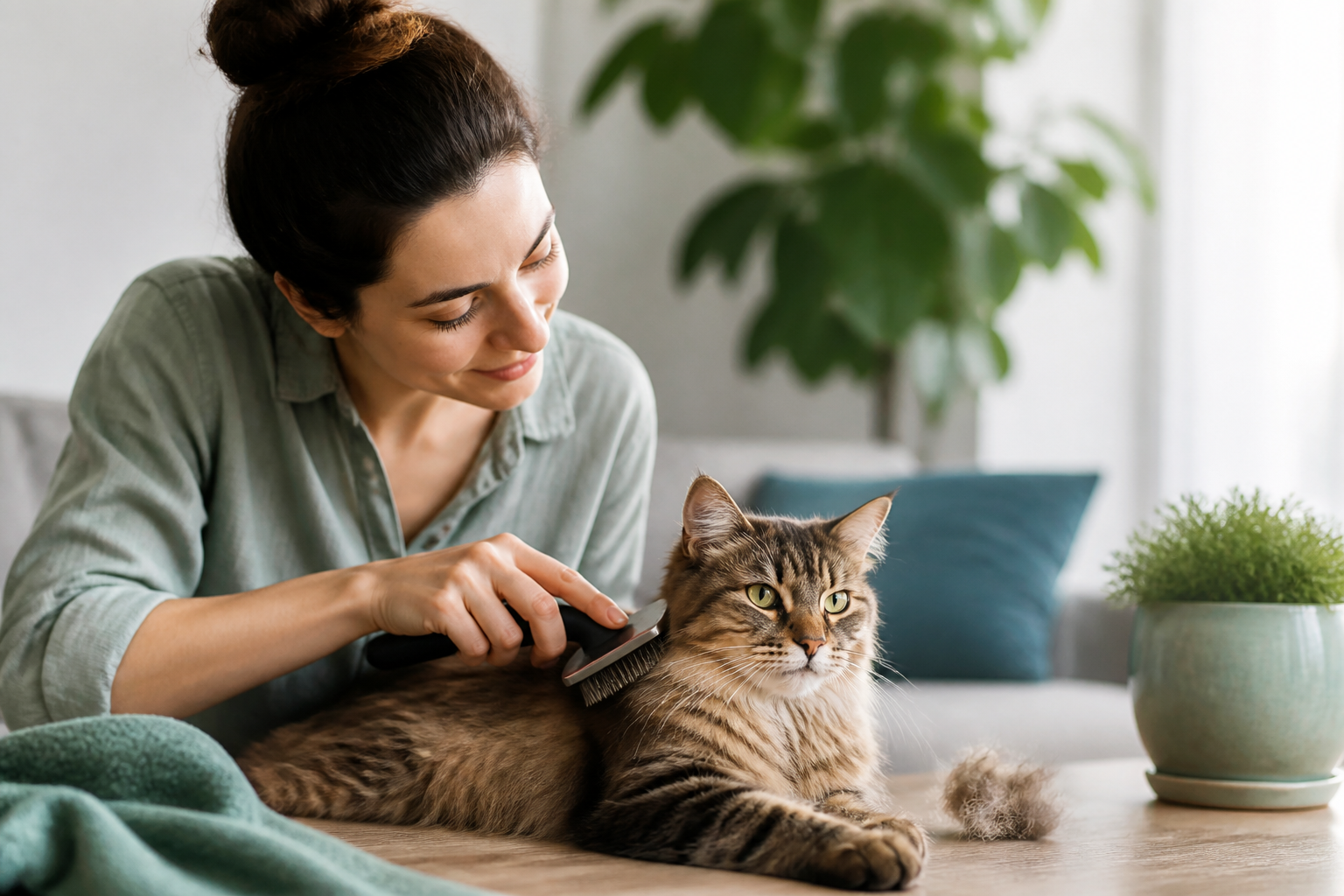
Step 1: Increase grooming frequency. / Use a soft brush or a grooming glove to gently remove loose fur and flakes. This mimics the cat's natural grooming and distributes healthy oils across the coat.
Step 2: Introduce moisture. / Consider adding wet food to their diet or using a pet water fountain to encourage more drinking. You can also use a humidifier in the room where your cat spends the most time.
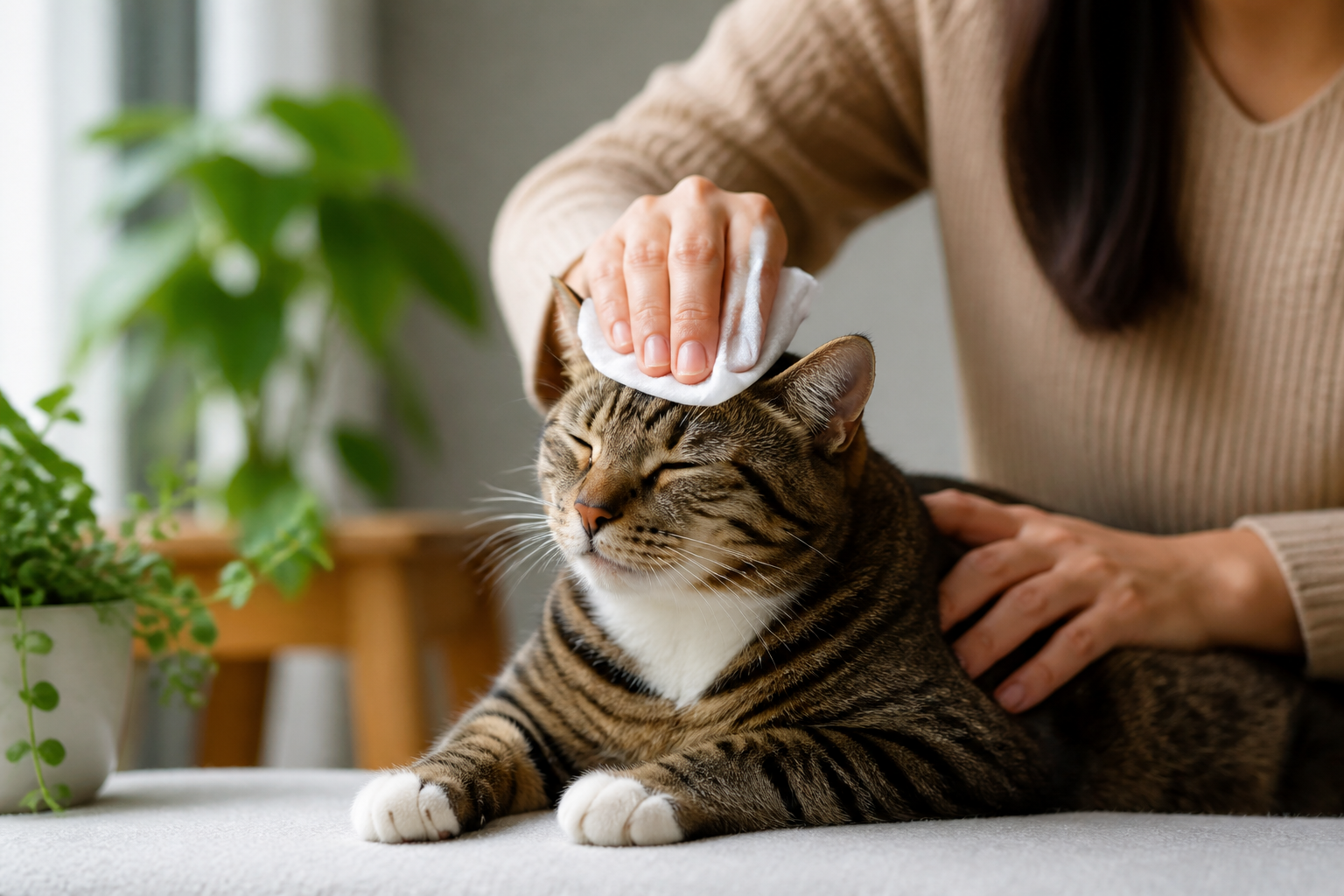
Step 3: Use feline-specific topical aids. / Never use human dandruff shampoo on a cat. The pH levels are completely different and can cause chemical burns or severe irritation. Use only waterless foams or wipes designed specifically for cats.
Step 4: Supplement the diet. / Add a high-quality fish oil supplement to their meals. Look for products containing EPA and DHA, as these are the most effective forms of Omega-3s for reducing skin inflammation.
Utilizing the BaxterBoo Pharmacy
When home care is not enough, medical intervention is necessary. Many of the conditions that cause hair loss and dandruff require prescription-strength treatments. Our pharmacy offers a wide range of FDA-approved medications through our partnership with Pet's Choice.
If your veterinarian diagnoses your cat with a parasitic infection like mites or a fungal issue like ringworm, you will need specific medications to clear the infection. We carry trusted brands like NexGard and Bravecto for parasite control, which are often necessary to stop the cycle of itching and flaking. You can browse our selection of Bravecto products for available options.
For cats with chronic conditions like hyperthyroidism or severe allergies, ongoing medication is often the only way to restore the coat. We can fulfill these prescriptions and have them delivered directly to your door. This is also true for prescription diets designed for cats with extreme food sensitivities. These diets use hydrolyzed proteins that are less likely to trigger an allergic skin reaction.
Key Takeaway: Chronic skin issues often require a combination of medical treatment and nutritional support. Our pharmacy provides access to the necessary medications once your vet provides a prescription.
Selecting the Right Gear
The tools you use to manage your cat's coat can make a big difference in how quickly the skin heals. If the skin is already irritated, you must be very careful not to cause further damage.
Brushes and Combs
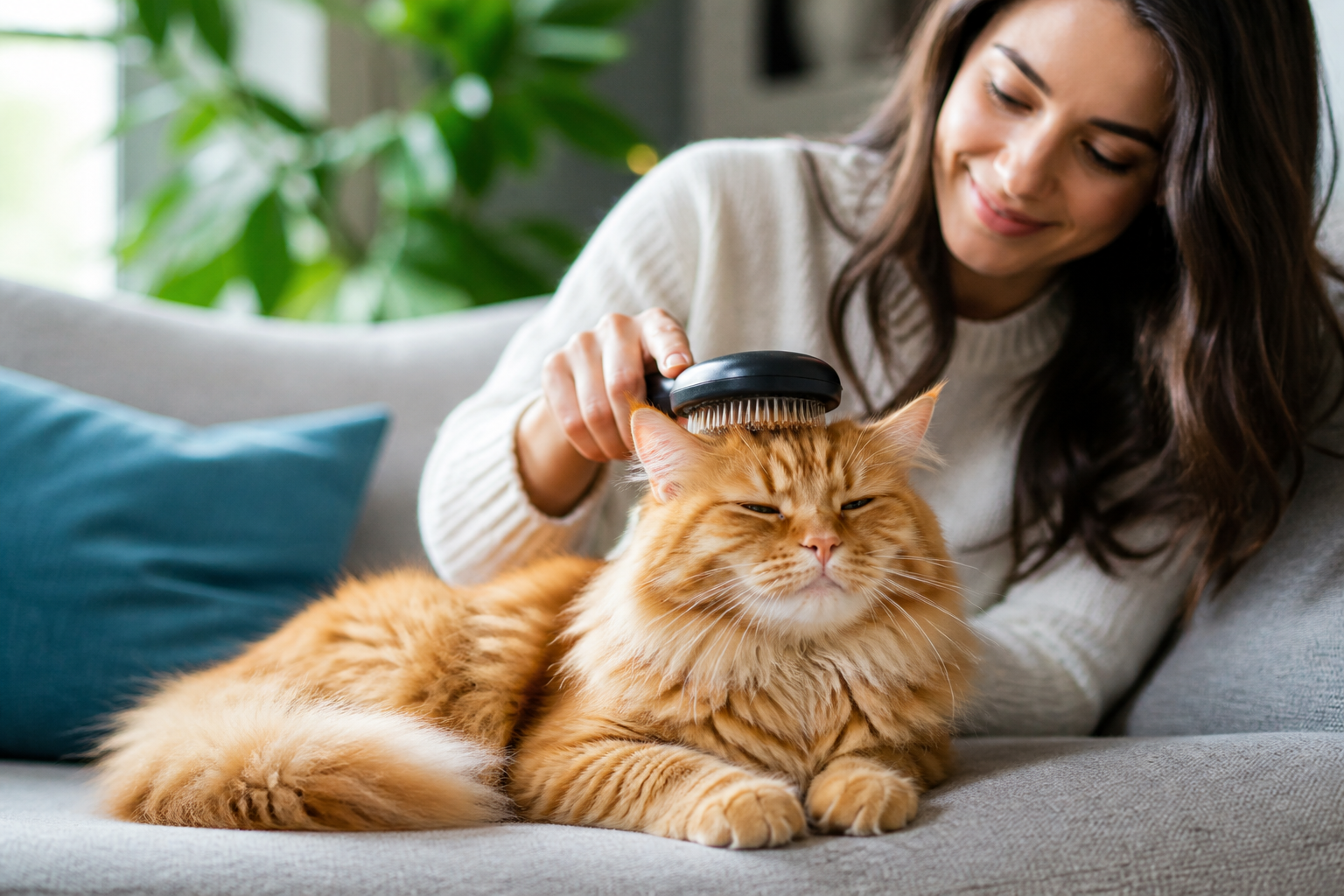
Avoid metal brushes with sharp tips if your cat has visible sores or very red skin. Instead, look for silicone grooming brushes. These are gentle on the skin but very effective at pulling up the undercoat and loose dandruff. For long-haired cats, a wide-toothed comb can help remove mats before they pull on the skin.
No-Rinse Solutions
Most cats hate baths. Stressing your cat out with a full bath can actually make skin conditions worse by triggering a stress response. We recommend no-rinse foams or grooming wipes. These allow you to clean the fur and soothe the skin without the trauma of a tub. Look for ingredients like aloe or oatmeal which are naturally calming for dry skin.
Find brushes, wipes, shampoos, and other tools in our cat grooming collection.
When to See the Veterinarian
While a few flakes might just be a sign of dry winter air, you should not ignore persistent symptoms. Skin issues can be painful and can lead to secondary bacterial infections if the cat breaks the skin while scratching.
You should schedule an appointment if you notice:
- Open sores or scabs
- Red, inflamed patches of skin
- Foul odors coming from the skin or ears
- Sudden, rapid hair loss
- Lethargy or changes in eating habits
- Constant, frantic scratching that interrupts sleep or play
A vet will likely perform a physical exam and may suggest blood work or a skin culture. These tests help rule out serious conditions like diabetes or organ dysfunction that can affect skin health. Once a diagnosis is made, you can move forward with a targeted treatment plan.
Conclusion
Cat dandruff and hair loss are often signals that something in your cat's environment or health needs adjustment. Whether it is a simple fix like adding a humidifier or a medical need like allergy management, your cat relies on you to notice these changes. By combining regular grooming, high-quality nutrition, and professional medical advice, you can help your cat regain a comfortable, healthy coat.
At BaxterBoo, we are committed to providing the products and medications you need to keep your feline friends feeling their best. From premium skin-support diets to our convenient pharmacy services, we are here to support every stage of your cat's wellness journey.
- Check for parasites first as they are a common and treatable cause.
- Evaluate the diet for essential fatty acids and high-quality protein.
- Improve indoor air quality and hydration levels.
- Consult a veterinarian for any persistent or painful skin changes.
Bottom line: Healthy skin starts from the inside out and is maintained with gentle, consistent care.
FAQ
Can I use human dandruff shampoo on my cat?
No, you should never use human products on your cat. A cat's skin has a different pH balance than human skin, and many human shampoos contain ingredients that are toxic to cats if licked. Always use a product specifically formulated for felines to avoid making the irritation worse.
Why is my cat losing hair only at the base of the tail?
Hair loss at the base of the tail is a classic sign of flea allergy dermatitis. This is a common "hot spot" where fleas like to congregate, and cats will often bite and pull the fur out in response to the itch. Even if you do not see fleas, a single bite can trigger this reaction in sensitive cats.
Will my cat's hair grow back once the dandruff is gone?
In most cases, yes, the hair will regrow once the underlying irritation is treated. However, hair growth is a slow process and it may take several weeks or even months to see a full return to a thick coat. If the hair follicles were severely damaged by a deep infection, some scarring may occur, but this is rare.
Can stress really cause my cat to lose hair?
Yes, cats often use grooming as a self-soothing behavior. When a cat is stressed or anxious, they may groom a specific area excessively, leading to thin patches or bald spots. This is known as psychogenic alopecia and usually requires environmental changes or calming supplements to resolve.