Save 15% on your 1st Autoship learn more

 Email us
 Live Chat
 FAQs
FAQs





Introduction
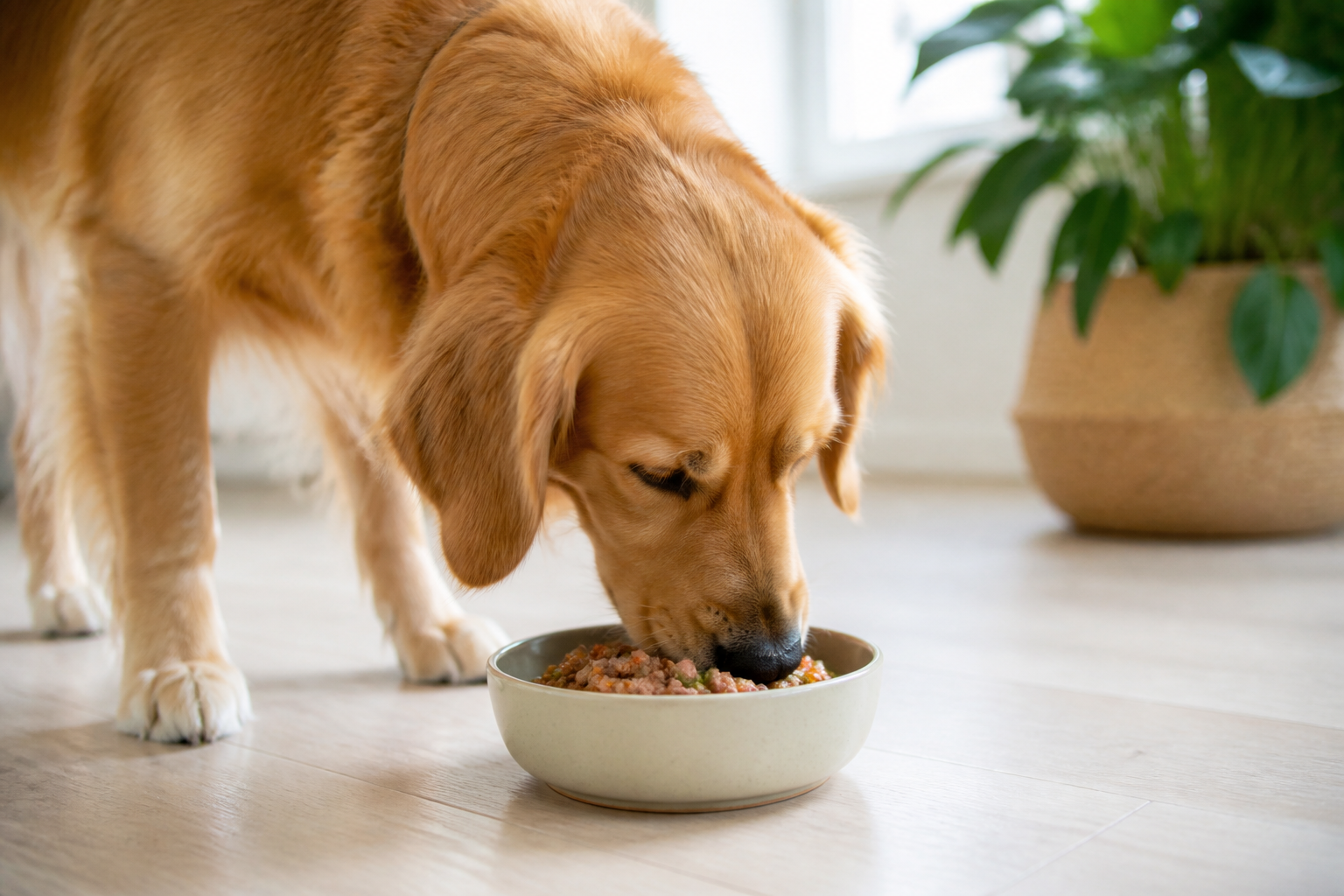
You might notice your dog is a bit slow to finish their bowl lately. Perhaps their stomach makes those loud gurgling noises in the evening. Or maybe you are dealing with inconsistent bathroom breaks that make yard cleanup a chore. These are common signs that your dog’s digestive system needs a little extra support. Wet dog food with probiotics is a popular solution for owners who want to combine high quality hydration with gut-friendly bacteria. At BaxterBoo, we see many pet parents looking for ways to soothe sensitive stomachs without sacrificing the taste their dogs love. This guide covers how probiotics work in wet food and why they might be the right choice for your dog. You will learn what to look for on a label and how these beneficial bacteria support everything from immunity to skin health.
Quick Answer: Wet dog food with probiotics provides live, beneficial bacteria that help balance the canine gut microbiome. This format is excellent for picky eaters or dogs needing extra hydration, as the moisture makes the food highly palatable while supporting digestive and immune function.
Understanding the Role of Probiotics in Dog Food
Probiotics are living microorganisms. People often call them "good" or "friendly" bacteria. These microbes live naturally in your dog’s gastrointestinal tract. A healthy dog has billions of them. This internal ecosystem is called the microbiome. It does much more than just digest dinner. The microbiome helps the body absorb nutrients and keeps the immune system alert. It even influences your dog's mood and energy levels.
When a dog is healthy, the good bacteria outnumber the harmful ones. But life can get in the way. Stress from a move, a round of antibiotics, or even aging can kill off the good bacteria. This allows "bad" bacteria like E. coli or Salmonella to take over. When the balance shifts, you see the results in your dog’s behavior and their bathroom habits. Wet dog food with probiotics helps put those good bacteria back into the system with every meal.
Why the Wet Format Matters
Many owners prefer wet food because it is closer to a natural diet in terms of moisture. Kibble is convenient, but it is very dry. Wet food typically contains 75 percent to 80 percent water. This extra hydration is great for kidney health and keeps the digestive tract moving smoothly. When you add probiotics to this high moisture environment, you are giving your dog a double dose of digestive support. The soft texture also makes it easier to mix in other supplements if your vet recommends them. Explore our wet dog food category to compare canned meals, pouches, and other soft formulas.
The Trio of Gut Health: Prebiotics, Probiotics, and Postbiotics
You will often see three "biotics" mentioned on high quality pet food labels. It is helpful to understand how they work together like a team. They are not the same thing, but they need each other to be effective.
Prebiotics: The Fuel
Prebiotics are types of fiber that dogs cannot digest. Instead, these fibers travel to the lower gut where they act as food for the probiotics. Think of them as the fertilizer for a garden. Common prebiotics in dog food include chicory root, beet pulp, and pumpkin. Without prebiotics, the good bacteria might starve before they can do their job.
Probiotics: The Workers
These are the live bacteria themselves. They arrive in the gut and start competing with harmful bacteria for space and resources. They also produce natural acids that make the gut a less welcoming place for "bad" microbes. Common strains you might see on a label include Lactobacillus acidophilus and Enterococcus faecium.
Postbiotics: The Results
Postbiotics are the beneficial compounds that probiotics produce after they eat prebiotics. These include short chain fatty acids and enzymes. These compounds help reduce inflammation in the gut lining. They also help strengthen the "gut barrier," which prevents toxins from leaking into the bloodstream.
Key Takeaway: For the best results, look for a "synbiotic" food. This is a product that contains both prebiotics and probiotics. This combination ensures the good bacteria have the fuel they need to thrive immediately upon entering your dog’s system.
Signs Your Dog Might Need Probiotic Wet Food
Not every dog needs a specialized probiotic diet. If your dog has a "stomach of steel" and perfect stools, their current food is likely doing its job. However, certain situations make probiotics almost essential.
- Chronic Gas: If your dog regularly clears the room, it is a sign of fermentation issues in the gut.
- Loose Stools: Frequent bouts of diarrhea or soft stools often point to a microbiome imbalance.
- Post-Antibiotic Recovery: Antibiotics are life saving, but they do not discriminate. They kill the good bacteria along with the bad. A probiotic food helps rebuild the gut after a prescription.
- Picky Eaters: Wet food is naturally more aromatic than kibble. If a dog has a sensitive stomach, they often lose their appetite. Probiotic wet food solves both problems at once.
- Itchy Skin and Allergies: A large portion of the immune system lives in the gut. If the gut is unhealthy, the immune system can overreact, leading to hot spots and scratching.
Vet Tip: If your dog has sudden, severe diarrhea or is vomiting, do not rely on probiotics alone. These can be signs of a serious infection or a blockage. Always consult your veterinarian for a diagnosis before switching diets if your dog seems lethargic or is in pain.
How to Read a Label for Probiotics
Marketing on pet food cans can be confusing. Many brands claim to support "digestive health," but they may not actually contain live probiotics. Here is how to verify what you are buying.
Look for Specific Strains
A quality label will not just say "contains probiotics." It will list specific names. Look for Bifidobacterium animalis, Lactobacillus plantarum, or Bacillus coagulans. Each strain has a slightly different job. For example, Bifidobacterium is often used to help with stool consistency, while Lactobacillus helps with nutrient absorption.
Check the CFU Count
CFU stands for Colony Forming Units. This tells you how many live bacteria are in the food. In wet food, this can be tricky because the canning process involves high heat. Heat kills probiotics. Premium brands solve this by adding the probiotics after the cooking process or using "microencapsulated" strains. These are tiny capsules that protect the bacteria from heat and stomach acid.
Guaranteed Analysis
The best way to be sure is to look at the Guaranteed Analysis section on the back of the can. If the probiotics are truly there in a meaningful amount, the manufacturer will list the minimum amount of live cultures per pound or per kilogram. If it is not in the Guaranteed Analysis, there might not be enough live bacteria left in the can to make a difference.
Transitioning Your Dog to New Wet Food
You should never switch dog foods overnight. This is especially true when moving to a probiotic food. Even though the new food is "better" for the gut, the sudden change can cause temporary upset. For additional guidance, read how to switch from dry to wet dog food.
Step 1: Mix 25 percent of the new probiotic wet food with 75 percent of the old food. Do this for two days. Step 2: If the stools look normal, move to a 50/50 split for the next two days. Step 3: Increase to 75 percent new food and 25 percent old food for another two days. Step 4: On day seven, you can transition to 100 percent of the new probiotic wet food.
If at any point your dog develops diarrhea, slow down. Stay at the current ratio for a few more days until their system settles.
Bottom line: A slow seven day transition is the safest way to introduce new bacteria to your dog’s digestive tract without causing additional stress.
Benefits Beyond Digestion
While we usually think of the stomach first, probiotics help the entire body. The "gut-brain axis" is a real connection. Research suggests that a healthy gut can actually help calm an anxious dog. When the microbiome is balanced, the body produces more serotonin, which helps regulate mood.
Immune support is another major benefit. Because a huge part of the immune system is located in the intestinal walls, a healthy gut means a better defense against seasonal illnesses. Senior dogs especially benefit from this. As dogs age, their immune systems naturally weaken. Probiotic wet food provides an easy to digest way to keep their defenses up.
We carry brands that focus on these holistic benefits. For example, our selection of Open Farm products and our selection of Stella & Chewy's products offer recipes that use high quality proteins and functional ingredients like pumpkin and probiotics. These recipes are designed to be "biologically appropriate," meaning they mimic what a dog would naturally eat.
When to Use Prescription Probiotic Diets
Sometimes, over the counter food is not enough. If your dog is dealing with a chronic condition like Inflammatory Bowel Disease (IBD) or severe food protein allergies, they may need a prescription diet.
Brands like Royal Canin and Farmina Vet Life create specialized formulas that are only available with a veterinarian’s approval. These diets often use hydrolyzed proteins. This means the protein is broken down so small that the dog's immune system does not recognize it as an allergen. These foods are often paired with high concentrations of specific probiotic strains.
Our pet pharmacy provides prescription diets and medications for dogs with specific medical needs. If your vet has recommended a specific medical grade probiotic food, we can help you fulfill that prescription and have it delivered to your door. This is often the best path for dogs who have "failed" standard retail foods.
Storing and Serving Wet Food with Probiotics
Probiotics are delicate. They are sensitive to air, light, and heat. To get the most out of your dog’s food, you must handle it correctly.
- Do Not Microwave: If you want to take the chill off a refrigerated can, do not put it in the microwave. The high heat will kill the live probiotics instantly. Instead, let it sit at room temperature for 15 minutes or mix in a tablespoon of warm (not boiling) water.
- Seal it Tight: Once a can is open, the probiotics are exposed to air. Use a silicone can cover to create an airtight seal.
- Observe the "Two Hour Rule": Do not leave wet food in your dog’s bowl for more than two hours. Beyond that, bacteria from the air can contaminate the food, and the probiotics will start to lose their potency.
- Check Expiration Dates: Probiotics have a shelf life. Even in a sealed can, the number of live bacteria will slowly drop over time. Always use the oldest cans first.
Probiotic Toppers vs. Full Meals
If you are happy with your dog's current food but want the benefits of probiotics, you might consider a topper. You can add a spoonful of probiotic wet food to their regular kibble. This is a great way to add moisture and flavor without a total diet overhaul. For more ideas, read whether you can mix dry dog food with wet food.
We also see many owners use toys like a KONG to deliver probiotics. You can stuff the toy with probiotic wet food and freeze it. This provides mental stimulation and a slow release of gut-healthy bacteria. It is a perfect solution for an anxious dog who needs a "job" to do while you are away.
The Role of Fiber in Probiotic Wet Food
Fiber is not just for keeping things moving. It is the primary food source for your dog’s microbiome. When choosing a wet food, look for healthy fiber sources.
- Pumpkin: A classic favorite for both diarrhea and constipation. It is a great prebiotic.
- Inulin: Often derived from chicory root, this is a powerful prebiotic that feeds Bifidobacteria.
- Miscanthus Grass: A newer, sustainable fiber source appearing in premium foods like Open Farm.
- Flaxseed: Provides fiber and Omega-3 fatty acids for skin health.
A good balance of soluble and insoluble fiber ensures that the probiotics can survive the journey through the small intestine and into the colon, where they do the most work.
Bottom line: Fiber is the "lunchbox" for probiotics. Without it, the good bacteria cannot colonize the gut effectively.
Common Myths About Probiotics in Dog Food
There is a lot of misinformation about gut health. One common myth is that all yogurt is a good source of probiotics for dogs. While some plain, unsweetened yogurt has active cultures, many dogs are lactose intolerant. Giving them dairy can actually cause more diarrhea. It is always better to use a product specifically formulated for canine biology.
Another myth is that probiotics work instantly. While you might see a change in stool consistency in a few days, the full benefits for skin and immunity can take four to six weeks. Consistency is key. You cannot feed probiotic food once a week and expect long term results.
Finally, some believe that more is always better. You do not need to give your dog five different probiotic supplements. A balanced wet food usually provides exactly what they need. Overloading the system can actually cause temporary gas and bloating.
Summary of Best Practices
Choosing the right wet dog food with probiotics can significantly improve your dog's quality of life. It provides the hydration of a wet diet with the clinical benefits of microbiome support.
- Identify the need: Look for signs like gas, loose stools, or picky eating.
- Check the label: Ensure specific bacterial strains and CFU counts are listed.
- Consult your vet: Rule out serious medical issues before changing diets.
- Transition slowly: Use the seven day method to avoid stomach upset.
- Store correctly: Keep opened cans sealed and refrigerated to protect the live bacteria.
If your dog requires a more specialized approach, our pharmacy is a great resource. We carry a variety of prescription diets designed for extreme sensitivities. For most dogs, a premium retail option from our dog food category will provide the support they need to feel their best.
Key Takeaway: Probiotic wet food is more than a meal. It is a daily tool for maintaining your dog’s internal balance and overall vitality.
Whether you are managing a senior dog's declining digestion or trying to give a puppy the best start in life, gut health is the foundation. By focusing on high quality ingredients and live, active cultures, you are helping your dog live a more comfortable and energetic life.
If you are ready to explore the best options for your dog, take a look at our full selection of wet dog foods. For those who want to save on every order, our Autoship programme offers a discount on your first delivery and ensures you never run out of your dog’s favorite gut-healthy meals.
FAQ
How long does it take for probiotic wet food to start working? You may notice an improvement in your dog's stool consistency within three to five days. However, deeper benefits like improved skin health, reduced allergies, and better immune function usually take four to six weeks of consistent daily feeding. The microbiome needs time to shift and stabilize.
Can I just add human probiotics or yogurt to my dog's wet food? It is generally not recommended because human probiotics and dairy products can cause digestive upset. Dogs have different bacterial needs than humans, and many are lactose intolerant. Using a wet food specifically formulated for dogs ensures they get the correct strains and avoids the sugars or artificial sweeteners found in human foods.
Is it safe to feed probiotic wet food to puppies? Yes, probiotics are very beneficial for puppies as their immune systems and microbiomes are still developing. It can help them transition to solid food more easily and reduce the risk of "stress diarrhea" during training or vet visits. Always choose a formula specifically labeled for puppies or "all life stages" to ensure they get the correct balance of calcium and phosphorus.
Does the canning process kill the probiotics in wet dog food? Standard canning uses high heat which can kill many types of bacteria. However, premium brands use heat-resistant strains like Bacillus coagulans or add the probiotics after the cooling process. Look for brands that list a "Guaranteed Analysis" for live cultures to ensure the bacteria are active and effective when you open the can.