
 Save 15% on your 1st Autoship learn more

 Email us
 Live Chat
 FAQs
FAQs





Introduction
You lean in for a morning pup kiss and notice a scent that is definitely not fresh. Or perhaps you see a yellow tint on those back molars while your dog is yawning. Dental hygiene is a major part of dog ownership. At BaxterBoo, we know that keeping those pearly whites clean is about more than just fresh breath. It is a vital step in preventing painful infections and long term health issues. This guide covers the tools and methods you can use for home dental care. We will look at everything from enzymatic pastes to durable chew toys. Understanding your options will help you build a routine that works for your lifestyle. We operate a real warehouse superstore in Vernon Hills, Illinois, and we see firsthand which products actually help pet owners succeed. Consistent oral care can add years to your dog's life.
The Gold Standard of Brushing
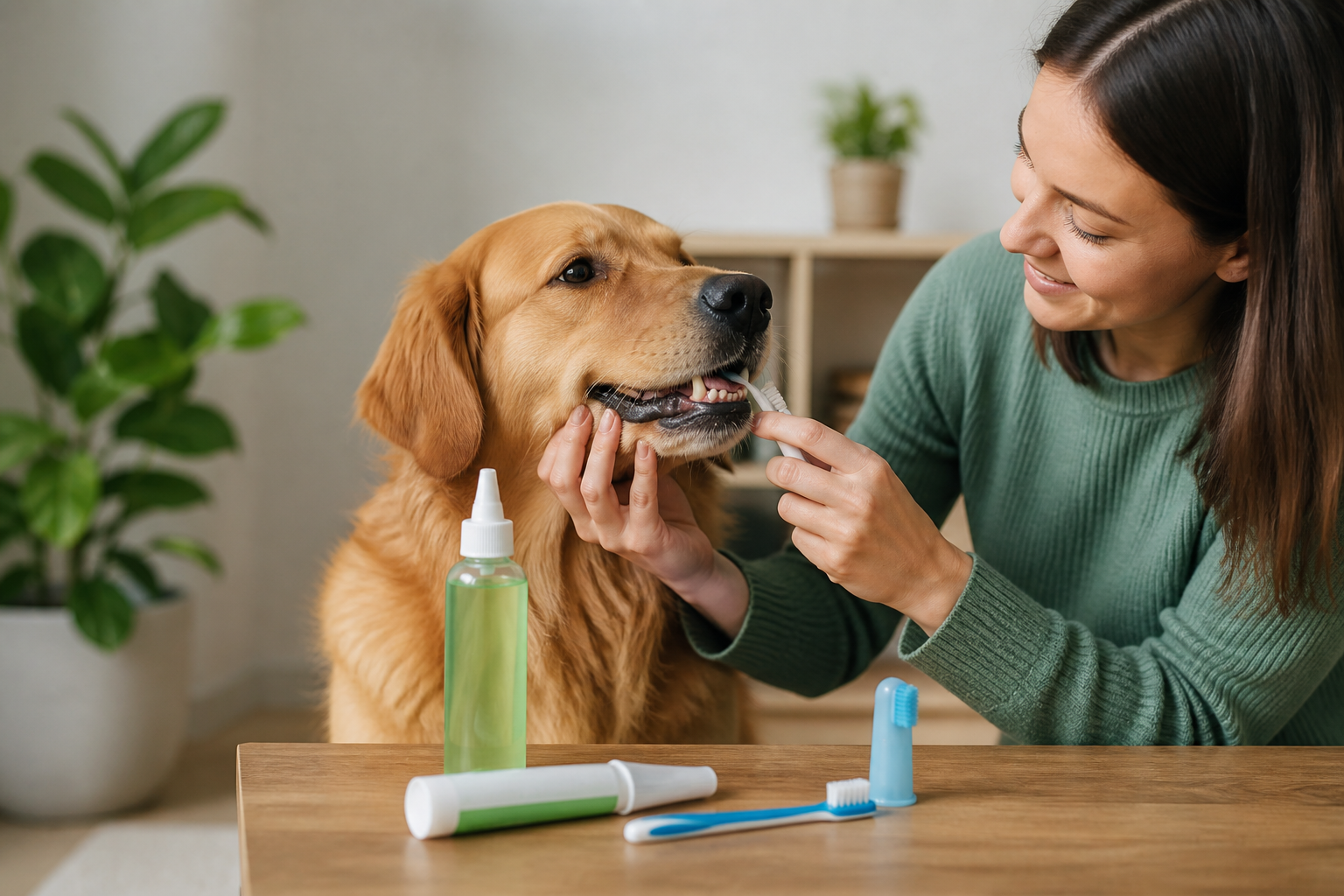
Brushing is the most effective way to remove plaque before it turns into rock hard tartar. Plaque is a sticky film of bacteria that forms on the teeth after eating. If it stays there for more than 48 hours, it begins to mineralize into tartar. Once tartar forms, you cannot brush it away at home. You need specific tools designed for a dog's mouth to do this safely. Explore our dog dental care category to find tools for building an at-home routine.
Choosing the Right Toothpaste
You must never use human toothpaste for your dog. Human formulas often contain xylitol, which is a sweetener that is highly toxic to dogs. They also contain foaming agents like sodium lauryl sulfate that can upset a dog's stomach. Dog toothpaste is usually enzymatic. This means it contains enzymes that help break down bacteria even if you do not scrub every single surface perfectly. These pastes come in flavors dogs actually enjoy, such as poultry, beef, or peanut butter.
Selecting a Brush
A standard human toothbrush is often too stiff for a dog's gums. You have a few better options:
- Finger brushes: These are small rubber caps that slip over your pointer finger. They give you great control and are less intimidating for puppies.
- Dual headed brushes: These have a long handle with two different brush sizes on either end. This allows you to reach the tiny front teeth and the large back molars easily.
- 360 degree brushes: These have bristles all the way around the head. They clean the top and sides of the tooth at the same time.
Vet Tip: If your dog is new to brushing, start by letting them lick the toothpaste off your finger. Do this for several days before you ever try to put a brush in their mouth. This builds a positive association with the flavor and the process.
Dental Chews and Functional Treats
Not every dog will sit still for a daily brushing session. This is where dental chews become a helpful part of your routine. These treats are designed with a specific texture that helps scrub the teeth as the dog chews. We carry many trusted brands like Greenies and Redbarn that focus on this mechanical cleaning action.
How Dental Chews Work
High quality dental chews have a porous or ridged texture. As your dog bites down, the edges of the treat scrape against the surface of the tooth. This action helps wipe away plaque. Many of these treats also contain ingredients that help freshen breath. When shopping, look for the Veterinary Oral Health Council (VOHC) seal. This seal means the product has been tested and proven to reduce plaque or tartar by a certain percentage. Browse our dental chews and treats for additional options.
Choosing the Right Size
Size is the most important factor when giving dental treats. If a treat is too small, your dog might swallow it whole. This eliminates the cleaning benefit and creates a choking hazard. If it is too large, it adds unnecessary calories to their diet. Always follow the weight guidelines on the packaging to ensure the treat is safe and effective.
Quick Answer: You can use enzymatic toothpaste, dental chews, water additives, and specialized rubber toys to clean a dog's teeth. Brushing is the most effective method, but a combination of these tools provides the best protection against tartar.
Specialized Dental Diets
What your dog eats every day has a direct impact on their oral health. While most people believe all dry kibble cleans teeth, that is not entirely true. Most standard kibble is small and brittle. It tends to shatter as soon as a dog bites it, providing very little scrubbing action. Specialized dental diets are different.
The Role of Prescription Diets
Some dogs are genetically prone to dental disease. This is common in small breeds like Yorkies or Chihuahuas because their teeth are crowded together. For these dogs, a veterinarian might recommend a prescription dental diet. Brands like Farmina Vet Life offer specialized formulas with larger, fibrous kibble. These pieces do not shatter. Instead, the tooth sinks into the kibble, which wipes the surface clean.
Our pharmacy carries these prescription diets through our partnership with Pet's Choice. Because these are medical foods, you will need a valid prescription from your vet to order them. These diets often contain minerals that bind to calcium in the saliva. This prevents the calcium from hardening into tartar on the teeth.
Key Takeaway: Standard kibble is not a substitute for dental care. If your dog has significant buildup, ask your vet about a prescription dental diet designed to mechanically clean teeth.
Water Additives and Oral Gels
If you have a dog that absolutely refuses to have their mouth touched, water additives and gels are excellent alternatives. These products are designed for ease of use and require zero scrubbing.
Water Additives
These are liquid solutions that you pour directly into your dog's water bowl. They are typically tasteless and odorless. They work by using enzymes or natural ingredients to kill the bacteria that cause plaque and bad breath. It is a passive way to improve oral health every time your dog takes a drink. This is a great choice for multi-pet households where you want to support everyone's health at once. For more ideas, read about pet dental care tips.
Oral Gels and Sprays
Oral gels are applied directly to the gum line. You do not need to brush them in. The dog's tongue moves the gel around the mouth naturally. These are often more concentrated than water additives. They are particularly helpful for soothing red or inflamed gums. We see many owners of senior dogs use these when the dog's mouth has become too sensitive for traditional brushing.
Bottom line: Water additives and gels offer a hands-off approach to reducing oral bacteria and are perfect for difficult or sensitive dogs.
Cleaning Toys and Rubber Textures
Playtime can be a secret weapon for dental health. Certain toys are designed specifically to massage the gums and scrape the teeth. We carry a wide selection of durable toys from brands like Kong and RC Pets that serve this purpose. You can explore our dog toys for textured options.
The Best Toy Materials
Look for toys made of soft, durable rubber or nylon with raised nubs or ridges. As your dog gnaws on the toy, these nubs reach into the gaps between the teeth. Rope toys can also be effective because the cotton fibers act like dental floss. However, you must supervise your dog with rope toys. If they shred and swallow the fibers, it can cause a dangerous intestinal blockage.
Interactive Dental Play
You can make these toys even more effective by adding a bit of dental gel or dog toothpaste into the grooves. As the dog works to lick the paste out, they are inadvertently cleaning their teeth. This turns a chore into a rewarding game. Avoid toys that are too hard, such as real animal bones or heavy nylon bones. These can actually cause tooth fractures if your dog is an aggressive chewer.
Recognizing the Signs of Dental Disease
Even with the best home care, problems can still arise. It is important to check your dog's mouth once a week for any changes. Early detection can save your dog from a lot of pain and save you from an expensive surgery. Learn more about warning signs of bad teeth in dogs.
What to Look For
Healthy gums should be a vibrant pink color. If you see a red line along the base of the teeth, this is a sign of gingivitis. Other warning signs include:
- Persistent bad breath that does not go away after a meal.
- Yellow or brown crust on the teeth near the gum line.
- Bleeding when they chew on a toy.
- Dropping food while eating or favoring one side of the mouth.
- Excessive drooling or pawing at the face.
If you notice any of these signs, please consult your veterinarian. They may need to perform a professional cleaning under anesthesia. This is the only way to clean underneath the gum line where the most damage occurs.
Building a Successful Dental Routine
Consistency is more important than perfection. If you can only brush for thirty seconds, that is better than not brushing at all. A multi-pronged approach usually works best.
A Sample Dental Schedule
Step 1: Brush three times a week. / This is the most important step for removing plaque. Use a flavor your dog loves to keep them interested.
Step 2: Give a dental chew on off-days. / Use high quality treats like Greenies to provide mechanical cleaning when you are too busy to brush.
Step 3: Use a water additive daily. / Keep the bacteria levels low in the mouth with a simple additive in their bowl.
Step 4: Provide dental toys for independent play. / Let your dog do some of the work themselves by gnawing on textured rubber toys.
Vet Tip: Small breed dogs often need more frequent dental care than large breeds. Their smaller jaws mean their teeth are more crowded, which traps more food and bacteria. Start a routine early in their life to prevent early tooth loss.
The Role of Professional Care and the Pharmacy
Home care is meant to maintain health, but it cannot fix existing disease. Once plaque has turned into tartar, it acts like a shield for bacteria. This bacteria can eventually enter the bloodstream and damage the heart, liver, and kidneys. This is why annual vet checkups are non-negotiable.
Prescription Medications and Support
If your dog develops an oral infection, your vet may prescribe antibiotics or pain relief. Our pharmacy at BaxterBoo, powered by our partnership with Pet's Choice, carries FDA-approved medications for these situations. We also stock prescription dental diets that are formulated to prevent the recurrence of stones and plaque. Managing a chronic dental condition is much easier when you have easy access to the right supplies.
Recovery and Ongoing Management
After a professional cleaning, your dog's mouth may be sensitive for a few days. This is a great time to switch to soft treats or use a soothing oral gel. Once they have recovered, it is the perfect "clean slate" to start a new home routine. We have been helping pet owners since 2006, and we have seen that those who stick to a post-cleaning routine have much better long term results.
Key Takeaway: Professional cleanings and home care work together. Use home tools to keep the teeth clean after the vet has removed the hardened tartar.
Summary of Home Dental Tools
| Tool Type | Primary Benefit | Ease of Use |
|---|---|---|
| Toothbrush & Paste | Best plaque removal | Moderate to Difficult |
| Dental Chews | Mechanical scraping | Very Easy |
| Water Additives | Kills bacteria | Very Easy |
| Oral Gels | Soothes gums/freshens | Easy |
| Textured Toys | Massages gums | Easy |
Taking care of your dog's teeth does not have to be a struggle. By choosing the right combination of tools, you can keep their mouth healthy and their breath fresh. Whether you are using a finger brush for a new puppy or a prescription diet for a senior dog, every little bit helps.
At BaxterBoo, we carry over 500 trusted brands to help you find exactly what works for your pet. From enzymatic pastes to the latest dental toys, our selection is handpicked by people who truly care about animals. We want to make it easy for you to provide the best care possible without overcomplicating things.
Our MVP Rewards program is a great way to save on these recurring dental supplies. You can earn up to 5% back on your purchases, which adds up quickly when you are buying treats and toothpaste. If you know you will need supplies regularly, our Autoship program offers extra savings on your first order and a free MVP Gold membership. This ensures you never run out of the tools you need to keep that smile bright.
Bottom line: A combination of brushing, chews, and regular vet visits is the best way to ensure your dog lives a long, pain-free life with all their teeth intact.
FAQ
Can I use baking soda to clean my dog's teeth?
No, you should avoid using baking soda. While it is a common home remedy for humans, it has a very high alkaline content that can upset a dog's stomach if swallowed. It also has a salty taste that most dogs dislike, which can make them fight you during the cleaning process. It is much safer and more effective to use a specially formulated enzymatic pet toothpaste.
How often should I realistically clean my dog's teeth?
Ideally, you should brush your dog's teeth every single day to stay ahead of plaque buildup. However, we know that life gets busy, so aiming for at least three times a week is a great goal. If you cannot brush that often, you should supplement with daily dental chews or water additives to help manage the bacteria levels in their mouth.
Are bones a safe way to clean a dog's teeth?
Bones are a controversial topic in the pet world. While raw, meaty bones can help scrape teeth, they also carry risks like dental fractures, salmonella, and intestinal blockages. Cooked bones are never safe because they can splinter and cause internal damage. Many vets recommend using VOHC-approved dental chews instead because they are designed to dissolve safely and provide the same cleaning benefits without the risk of breaking a tooth.
Why does my dog's breath smell even after I brush?
If your dog's breath remains foul after brushing, it often indicates that there is an underlying issue. This could be a sign of periodontal disease where bacteria are trapped deep under the gum line where a brush cannot reach. It can also be a symptom of internal health problems related to the kidneys or liver. If the smell is persistent or smells like ammonia or fruit, you should schedule a veterinary exam right away.






