
 Save 15% on your 1st Autoship learn more

 Email us
 Live Chat
 FAQs
FAQs





Introduction
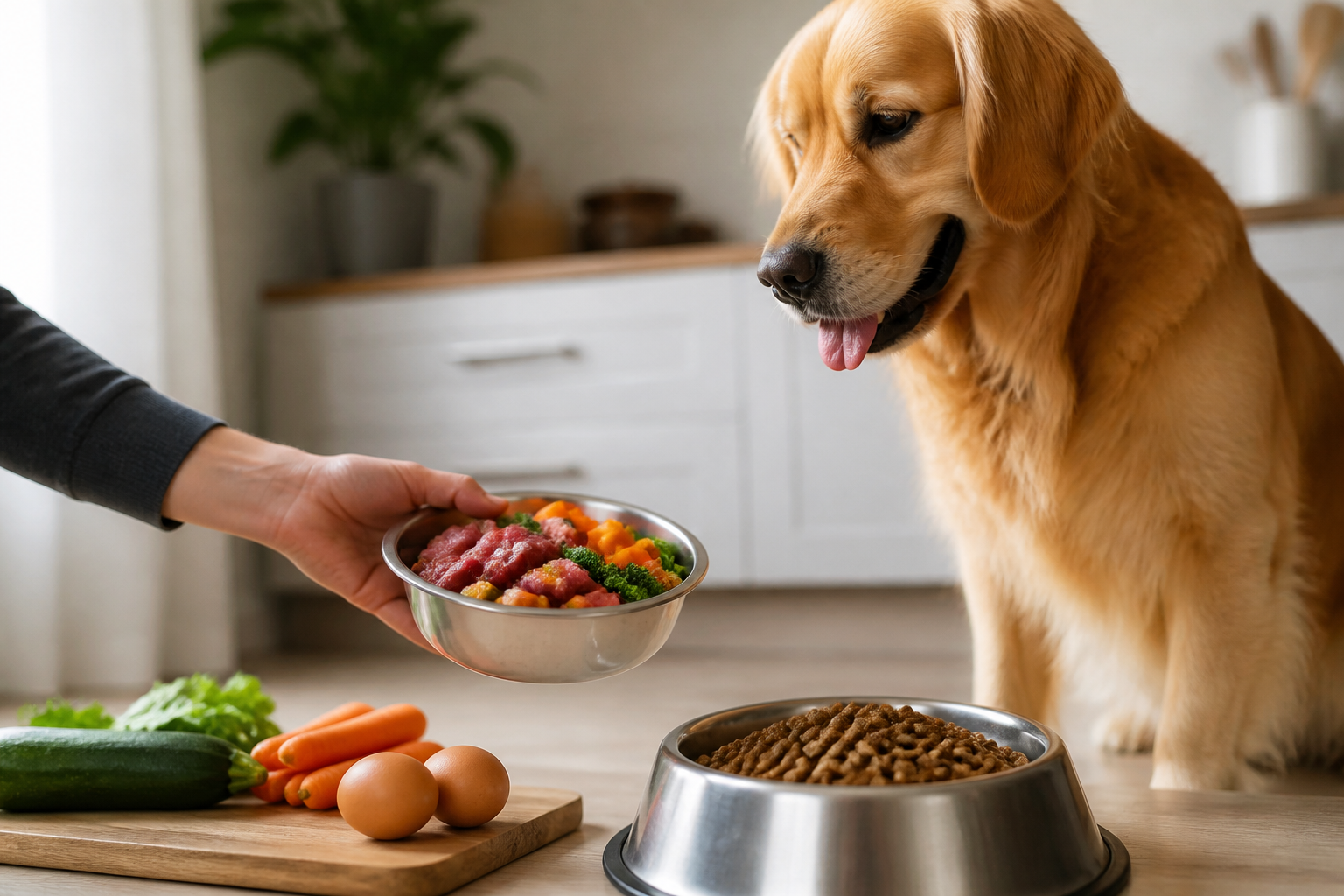
You fill the bowl with the same brown kibble your dog has eaten for months. Your pup walks over, sniffs the food, and looks up at you with a sigh before slowly eating a few pieces. This "kibble boredom" is a common sight for many pet parents. While high-quality dry food provides a balanced base, it can sometimes feel a bit repetitive for our furry friends. At BaxterBoo, we know that adding fresh, whole-food toppers is an excellent way to boost nutrition and make mealtime the highlight of your dog's day. This post explores safe, healthy, and easy additions you can find in your kitchen or our dog food category. By understanding the right balance, you can turn a standard meal into a nutritional powerhouse that supports your dog's long-term wellness.
Quick Answer: You can safely add high-quality proteins like eggs and sardines, hydrating liquids like bone broth, or fiber-rich vegetables like steamed carrots and canned pumpkin to your dog's dry food. Keep these additions to less than 10 percent of their daily calorie intake to ensure your main diet remains balanced.
The Importance of the 10 Percent Rule
Before you start adding extras to the bowl, you need to think about balance. Commercial dog food is formulated to provide a very specific ratio of vitamins and minerals. If you add too many "extras," you might accidentally dilute the nutrients your dog needs to stay healthy. This can lead to weight gain or even long-term deficiencies.
Most veterinarians and nutritionists suggest following the 10 percent rule. This means that toppers, treats, and fresh additions should not make up more than 10 percent of your dog's total daily calories. If your dog is on a weight management plan, you should be even more careful. For those using prescription diets from our pet pharmacy, always check with your vet before adding fresh foods. Some medical conditions require very strict nutrient control.
Vet Tip: If your dog has a history of pancreatitis, kidney issues, or severe food allergies, consult your veterinarian before adding toppers. Even healthy human foods can trigger a flare-up if they are too high in fat or protein for a sensitive system.
High-Quality Protein Boosters
Adding extra protein is often the easiest way to get a picky eater interested in their bowl. Dogs are biologically designed to thrive on animal-based proteins. These additions help support lean muscle mass and healthy skin.
The Power of Eggs
Eggs are one of the most complete sources of protein you can find. They contain essential amino acids and vitamins like riboflavin and selenium. You can serve them scrambled, hard-boiled, or even raw if you trust the source. Some owners even crush the shell into the food for a calcium boost, though this should be done sparingly.
Sardines and Fatty Fish
Canned sardines packed in water are a nutritional gold mine. They are loaded with Omega-3 fatty acids. These fats support brain health and can help reduce inflammation in the joints. Look for brands with no added salt. One or two small sardines a few times a week is plenty for most medium-sized dogs.
Fresh Muscle Meats
If you have leftover plain chicken, turkey, or lean beef, these make excellent toppers. Ensure the meat is unseasoned. Avoid any meat cooked with onions, garlic, or excessive salt. These common kitchen ingredients are toxic to dogs and can cause serious internal issues.
Garden Fresh Vegetables and Fruits
Vegetables add much-needed fiber and antioxidants to a dry food diet. Fiber helps with digestion and keeps your dog feeling full for longer. This is especially helpful if your dog is constantly begging for more food.
Essential Green and Orange Veggies
Carrots are a fan favorite because of their crunch and natural sweetness. They provide beta-carotene, which supports eye health. Green beans are another great choice. They are very low in calories but high in volume. Many owners use "the green bean trick" to help overweight dogs feel satisfied while eating less kibble.
Steaming vs. Raw
Dogs have a shorter digestive tract than humans. This means they cannot always break down the tough cell walls of raw vegetables. To help your dog get the most nutrition, try steaming or pureeing veggies like broccoli, cauliflower, or spinach. This makes the nutrients more "bioavailable," meaning your dog's body can actually use them.
Safe Fruits for Antioxidants
Blueberries are often called a superfood for a reason. They are packed with antioxidants that support the immune system. You can toss a small handful of fresh or frozen berries right on top of the kibble. Sliced apples (without seeds or the core) and bananas are also safe in moderation. Be mindful of the sugar content in fruit, as too much can lead to weight gain.
Key Takeaway: Always introduce one new food at a time. This allows you to monitor your dog for any signs of an upset stomach or an allergic reaction before moving on to another topper.
Hydration and Liquid Additions
Dry kibble typically only contains about 10 percent moisture. In the wild, canines get a lot of their hydration from the fresh food they eat. Adding liquids to dry food can help keep your dog hydrated and may support kidney and bladder health.
Bone Broth
Bone broth is incredibly popular because it is rich in collagen and amino acids. It can help soothe a sensitive digestive tract and supports joint health. You can make your own at home or buy dog-specific versions. Never use human-grade canned broths, as they almost always contain high levels of sodium and onion powder.
Raw Goat's Milk
Often called "universal milk," goat's milk is much easier for dogs to digest than cow's milk. It is full of natural probiotics that help maintain a healthy gut microbiome. A small splash over dry food can make the meal more appetizing for a senior dog or a dog with a fading appetite.
Plain Water
If you do not have broth or milk on hand, plain warm water is a great option. It softens the kibble, making it easier to chew. This also releases the aromas of the food, which can entice a dog that seems uninterested in dry, hard nuggets.
Dairy and Fermented Foods for Gut Health
A healthy gut is the foundation of a strong immune system. Many pet owners use fermented foods to provide natural probiotics. These "good bacteria" help balance the digestive system and may reduce gas and bloating.
Plain Yogurt and Kefir
A dollop of plain, unsweetened Greek yogurt is a great source of calcium and protein. Ensure the yogurt does not contain Xylitol, a common sugar substitute that is deadly to dogs. Kefir is even more potent than yogurt in terms of probiotic count. Most dogs love the tangy taste.
Cottage Cheese
Low-fat cottage cheese is a soft, bland addition that is often recommended for dogs recovering from a stomach bug. It is high in protein and easy on the stomach. Like all dairy, keep the portions small to avoid diarrhea, as some dogs are lactose intolerant.
The Role of Healthy Fats and Oils
Healthy fats are essential for a shiny coat and healthy skin. If your dog has dry, itchy skin, adding a specific oil to their dry food might help.
- Fish Oil: Rich in EPA and DHA, fish oil is the gold standard for skin and joint support.
- Coconut Oil: This can help with digestion and give the coat a glossy sheen. Start with a very small amount, as it is very calorie-dense.
- Flaxseed Oil: A good plant-based alternative for Omega-3s if your dog is allergic to fish.
If your dog's skin issues are chronic or severe, they may need more than just a topper. Our pharmacy offers FDA-approved treatments for allergies and skin conditions through our partnership with Pet's Choice. Sometimes a professional medical approach is necessary alongside nutritional support.
Store-Bought Toppers and Mix-Ins
If you do not have time for meal prep, there are many high-quality commercial options. At BaxterBoo, we carry a wide selection of freeze-dried food and toppers designed specifically for this purpose. Brands like Stella and Chewy's or Open Farm offer "meal mixers" that you can crumble over kibble.
For a specific option, Stella & Chewy's Duck Duck Goose Meal Mixers Dog Food Topper can be crumbled over a regular meal. These products are often more convenient than fresh cooking. They are shelf-stable and formulated to be nutritionally complete. This takes the guesswork out of balancing the meal. You can also look for air-dried options or "stew" style packets from brands like Redbarn and Koha.
Bottom line: Commercial toppers offer a convenient way to add raw nutrition or moisture without the risk of unbalancing your dog's primary diet.
Transitioning and Preparation Tips
When you decide what to put in your dog's dry food, start slowly. A sudden change in diet can lead to a messy cleanup later. Use these steps to safely introduce new flavors.
Step 1: Choose one ingredient. / Pick a simple, low-fat option like steamed green beans or plain canned pumpkin.
Step 2: Start with a tiny amount. / Add just a teaspoon to their normal meal for a few days.
Step 3: Watch for reactions. / Monitor your dog's stool consistency and energy levels.
Step 4: Gradually increase. / If they tolerate the food well, you can increase the amount up to the 10 percent limit.
Preparation Safety Checklist
- Wash all fruits and vegetables thoroughly to remove pesticides.
- Remove all pits, seeds, and stems from fruit.
- Cook meat thoroughly if you are concerned about bacteria.
- Check labels for hidden ingredients like Xylitol, onion powder, or high sodium.
- Use a clean bowl for every meal to prevent bacteria buildup.
Using Toppers for Training and Enrichment
Adding things to dry food is not just about nutrition. It is also a great way to provide mental stimulation. You can use toppers in "slow feeder" bowls or enrichment toys.
For example, you can mix canned pumpkin and kibble, stuff it into a Kong toy, and freeze it. This creates a long-lasting puzzle that keeps your dog busy while providing a healthy snack. You can also use wet food or bone broth to create "pupsicles" in silicone molds. These are perfect for cooling down on a hot day.
If your dog is working on new skills, crumbled freeze-dried treats can be mixed right into the kibble. This makes the entire meal feel like a reward. This technique is often used for "work for food" programs where dogs earn their dinner through training sessions.
Managing Senior Dog Needs
As dogs age, their needs change. They may lose their sense of smell or develop dental issues that make eating hard kibble difficult. Toppers can play a vital role in keeping senior dogs interested in food. For more guidance, read our article on how to choose the right dog food for senior pets.
Warm bone broth or goat's milk can soften the food and make it easier for dogs with missing teeth to chew. If your senior dog is losing weight, high-calorie additions like eggs or fatty fish can help maintain their condition. For dogs managing joint stiffness, we recommend looking into mobility supplements or prescription diets. Our pharmacy provides access to these specialized foods and medications to ensure your senior pet stays comfortable.
Summary of Best Practices
Enhancing your dog's dry food is a journey of discovery. You will soon find out if your dog is a "veggie lover" or a "meat purist." By keeping additions healthy and balanced, you are investing in your dog's long-term health and happiness.
- Follow the 10 percent rule for calories.
- Prioritize whole, unprocessed foods.
- Add moisture whenever possible.
- Avoid toxic ingredients like onions and grapes.
- Introduce new items gradually.
By following these simple guidelines, you can ensure that every meal is both safe and satisfying. Whether you are using a scoop of pumpkin or a specialized freeze-dried topper from BaxterBoo, your dog will appreciate the extra effort.
Key Takeaway: Meal toppers are a simple tool to increase hydration, improve digestion, and provide the mental variety that every dog deserves.
Making the Most of Mealtime
We believe that every pet deserves a diet that keeps them wagging their tails. Adding fresh, healthy ingredients to dry kibble is one of the most rewarding ways to care for your dog. It allows you to tailor their nutrition to their specific life stage and preferences. If you are looking for high-quality mixers, supplements, or even prescription diets, we have everything you need to support your dog's health journey. Our MVP Rewards program also helps you save on these essentials, making it easier to provide the very best for your pet.
FAQ
Is it okay to add water to my dogs dry food every day?
Yes, adding water is a great way to increase your dog's hydration and help them digest their food more easily. It can also help release the natural aromas of the kibble, making it more appealing to picky eaters. Just make sure to wash the bowl after every meal to prevent bacteria from growing in the leftover moisture.
Can I mix wet and dry dog food together?
Mixing wet and dry food is a very common and healthy practice. For a closer look at portioning and transition tips, read our guide to mixing dry dog food with wet food. Wet food provides high moisture content and intense flavor, while dry food provides the convenience and caloric density many owners prefer. Just be sure to calculate the total calories of both to ensure you are not overfeeding your pet.
What are the best vegetables to put in dog food?
Carrots, green beans, and steamed broccoli are among the best vegetables for dogs. They are low in calories and provide essential vitamins and fiber. Always avoid onions, garlic, and leeks, as these are toxic to dogs and can cause serious health complications.
How do I know if I am adding too much to the bowl?
The best way to tell is by monitoring your dog's weight and their stool quality. If your dog is gaining weight or starts having loose stools, you may be adding too much or introducing too much variety at once. Stick to the 10 percent rule for extras and consult your vet if you are unsure about the caloric balance.






