
 Save 15% on your 1st Autoship learn more

 Email us
 Live Chat
 FAQs
FAQs





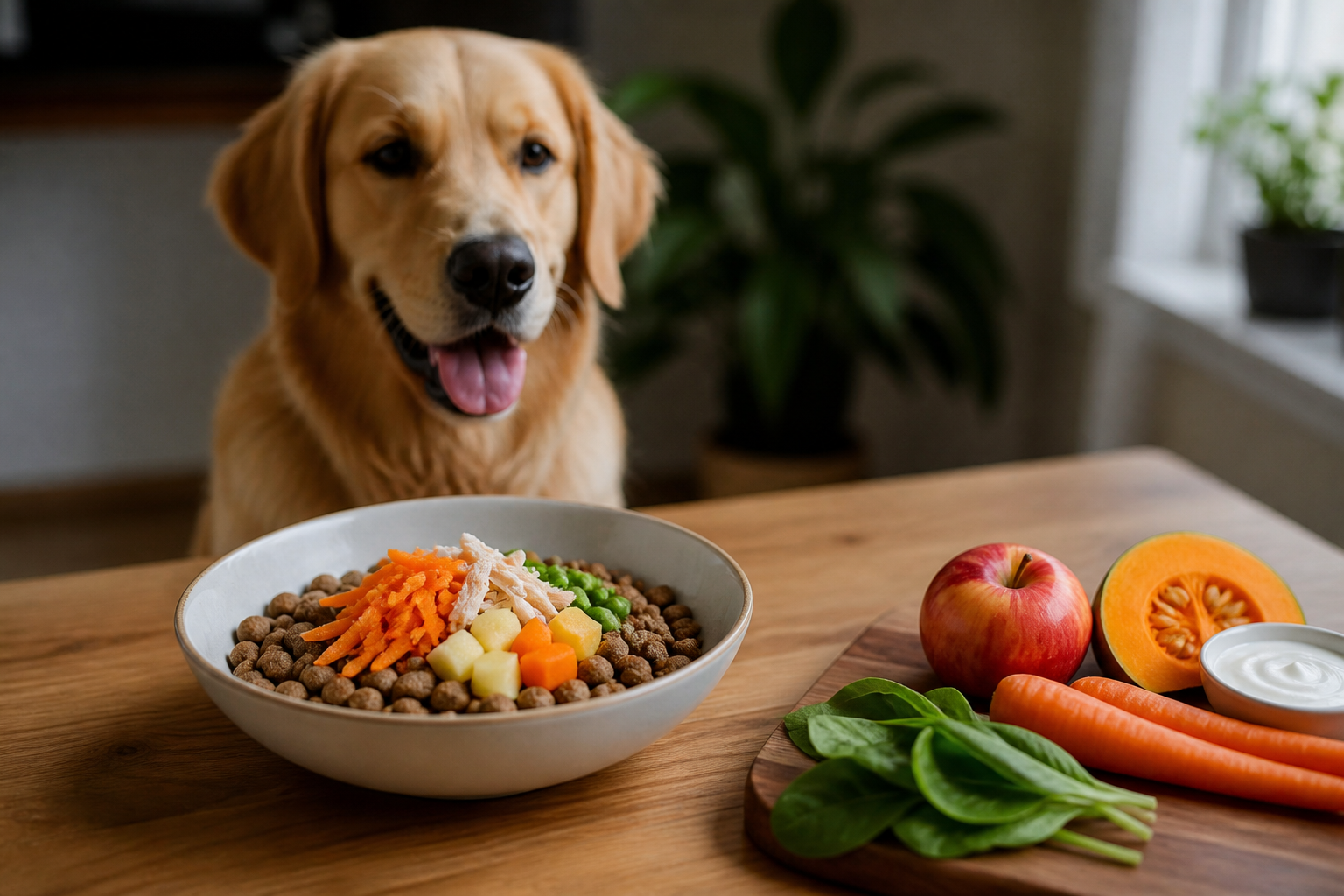
Introduction
You fill the bowl with the same high-quality kibble your dog has eaten for months. Your dog walks over, takes a single sniff, and looks up at you with a sigh. We have all seen that look of mealtime boredom. While dry dog food is convenient and nutritionally complete, it can sometimes feel a bit uninspiring for our pets.
At BaxterBoo, we talk to pet owners every day who want to spruce up their dog's bowl without causing an upset stomach or unbalancing their diet. If you want to compare textures and formulas, start with our dog food category. Mixing the right ingredients into dry food can provide a boost of hydration, extra protein, and essential nutrients. This post covers the safest and most effective ways to enhance kibble using pantry staples and specialized toppers. We want to help you turn a basic meal into a nutritional highlight of your dog's day.
The Benefits of Enhancing Dry Dog Food
Dry kibble is a staple in most American households because it is shelf-stable and easy to portion. However, the high-heat process used to create kibble can reduce some natural moisture and enzyme content. Adding fresh or minimally processed ingredients helps bridge that gap.
One of the biggest reasons to mix ingredients is hydration. Dogs do not always drink enough water to compensate for a strictly dry diet. Adding liquids or moisture-rich foods supports kidney function and urinary tract health.
Variety also provides mental stimulation. A mix of different textures and aromas keeps your dog interested in their food. This is especially helpful for senior dogs or pets recovering from illness who may have a decreased appetite. If you want another perspective on texture and hydration, see our blog post on wet versus dry dog food.
Key Takeaway: Adding fresh mixers to kibble improves hydration, increases palatability for picky eaters, and provides a variety of textures that support overall well-being.
Hydration Boosters: The Best Liquids to Add
The simplest way to improve dry food is by adding moisture. Dry food typically contains only about 10 percent water. Increasing this can make the food easier to digest and more flavorful.
Warm Water
This is the easiest and most cost-effective option. Adding warm water to kibble creates a savory aroma by releasing the fats and scents in the food. It also softens the kernels, which is helpful for dogs with dental issues or sensitive gums.
Bone Broth
Not all broth is created equal. Many store-bought broths for humans contain onions, garlic, and high levels of salt, which are toxic or unhealthy for dogs. Look for dog-specific bone broths. For ready-made options, our food topper collection is a useful place to browse. These are slowly simmered to extract collagen, glucosamine, and chondroitin. These nutrients specifically support joint health and gut integrity.
Goat's Milk and Kefir
Often called universal milk, goat's milk is highly digestible for dogs. It is packed with probiotics that support a healthy immune system. Kefir is another fermented option that provides beneficial bacteria for the gut. If your dog is lactose intolerant, start with a very small amount to see how they react.
Vet Tip: If your dog has a history of kidney stones or urinary tract infections, adding extra moisture to every meal is a practical way to keep their system flushed and hydrated. Always consult your veterinarian before adding supplements if your pet has a chronic health condition.
High-Protein Mixers from Your Kitchen
You do not always need to buy specialized products to improve your dog's meal. Many healthy additions are likely already in your refrigerator or pantry.
Eggs
Eggs are a nutritional powerhouse. They are a complete source of protein and contain essential amino acids. You can serve them scrambled, hard-boiled, or even raw if you source them carefully. Eggs also provide biotin, which supports a shiny coat and healthy skin. One egg per day is usually plenty for a medium to large dog.
Canned Sardines
Look for sardines packed in water with no added salt. These small fish are loaded with Omega-3 fatty acids. These fats are excellent for reducing inflammation in the joints and supporting brain health. Because sardines are low on the food chain, they also contain fewer heavy metals than larger fish like tuna.
Lean Meats
Plain, cooked chicken, turkey, or lean beef can be excellent toppers. Ensure the meat is unseasoned and free of bones. Avoid deli meats, as these are often loaded with sodium and nitrates.
Plain Yogurt and Cottage Cheese
These dairy products provide a nice protein boost and calcium. Stick to plain, non-fat, or low-fat versions. Ensure there are no artificial sweeteners like xylitol, which is highly toxic to dogs even in small amounts. If you are looking for a shelf-stable topper instead, our freeze-dried food collection is a convenient next step.
Fresh Produce for Fiber and Antioxidants
Vegetables and fruits add a crunch to the bowl and provide essential vitamins and minerals. However, dogs digest plant matter differently than humans do.
The Best Vegetables to Mix In
- Carrots: Great for dental health and high in beta-carotene.
- Green Beans: Low in calories and high in fiber, making them perfect for weight management.
- Steamed Broccoli: Provides vitamins K and C, but should be given in moderation.
- Plain Canned Pumpkin: Not pumpkin pie filling. Pure pumpkin is a legendary digestive aid for both diarrhea and constipation.
Fruit Additions
Blueberries are a fantastic source of antioxidants. Apples (without seeds or the core) provide a satisfying crunch and fiber. Bananas are a good source of potassium but are high in sugar, so use them sparingly.
Note: When adding vegetables like carrots or broccoli, lightly steaming or pureeing them can help your dog absorb the nutrients more effectively. Dogs have shorter digestive tracts and cannot always break down raw plant cell walls.
The 10 Percent Rule: Maintaining Nutritional Balance
While adding "human food" is beneficial, it is easy to overdo it. Most commercial dry dog foods are precisely balanced by veterinary nutritionists. If you add too many extras, you can dilute the essential minerals and vitamins in the base food.
A good rule of thumb is that mixers and toppers should make up no more than 10 percent of your dog's daily caloric intake. If you add a large amount of chicken or egg, you must reduce the amount of kibble you feed. This prevents unwanted weight gain.
Monitoring for Weight Gain
Obesity is a leading cause of health issues in dogs, including joint strain and diabetes. If you notice your dog's waistline disappearing, scale back on the additions. We carry a wide range of weight management tools at BaxterBoo, but the best tool is a consistent measuring cup.
Commercial Toppers and Freeze-Dried Mixers
If you want the benefits of raw or fresh food without the mess of cooking, commercial toppers are a great solution. These are designed to be nutritionally dense and highly palatable.
Freeze-Dried Raw Morsels
Brands like our selection of Stella & Chewy's products or our selection of Open Farm products offer freeze-dried raw pieces. These provide the benefits of raw protein, like enzymes and amino acids, in a shelf-stable format. You can crumble them over the kibble or rehydrate them with water to create a gravy.
Wet Food Mix-ins
Mixing a few spoonfuls of high-quality wet food into dry kibble is a classic way to entice picky eaters. This adds significant moisture and a different protein profile. It is often more cost-effective than feeding an entirely wet diet while still providing the flavor benefits.
Meal Mixers and Dusts
Some products are specifically formulated as "toppers" rather than full meals. These often include superfoods like kelp, turmeric, or green-lipped mussel. These ingredients are chosen for their specific health-supporting properties, such as anti-inflammatory benefits.
| Topper Type | Primary Benefit | Best For |
|---|---|---|
| Bone Broth | Hydration & Joint Support | Senior dogs, picky drinkers |
| Eggs | Protein & Coat Health | Active dogs, dull coats |
| Pureed Pumpkin | Digestive Regulation | Dogs with sensitive stomachs |
| Freeze-Dried Raw | Nutrient Density | Picky eaters, raw-curious owners |
| Green Beans | Volume without Calories | Dogs on a weight loss plan |
Key Takeaway: Commercial toppers offer a convenient way to add specialized nutrition, but always ensure they are compatible with your dog's current life stage and activity level.
Managing Sensitive Stomachs and Health Conditions
If your dog has a sensitive stomach, introduce any new mixer slowly. Start with just a teaspoon and monitor their stool for 24 hours. Sudden changes in diet can lead to gas or diarrhea, even if the ingredients themselves are healthy.
Food Sensitivities
If your dog suffers from itchy skin or frequent ear infections, they may have a food sensitivity. Common culprits include certain proteins or grains. In these cases, sticking to single-ingredient mixers like plain turkey or steamed green beans is safer than complex commercial toppers.
Prescription Diets
If your dog is on a therapeutic or prescription diet for a condition like kidney disease or bladder stones, you must be very careful. Adding outside ingredients can interfere with the precise mineral balance required for their treatment.
Vet Tip: Never add mixers to a prescription therapeutic diet without checking with your veterinarian first. These diets are formulated to manage specific pH levels or mineral ratios that "human food" can easily disrupt. For prescription food support, our pet pharmacy can help you explore the right options for your dog's specific needs.
Step-by-Step: How to Introduce Mixers
Introducing new foods should be a gradual process. This protects your dog's gut microbiome and helps you identify which foods they truly enjoy.
- Select one ingredient. Do not add five new things at once. Start with something simple like a splash of bone broth or a few green beans.
- Start small. Add a tablespoon or less to their normal meal.
- Observe. Look for changes in energy, skin condition, or bathroom habits over the next two days.
- Rotate occasionally. Once you have identified several safe options, rotate them. This provides a wider spectrum of nutrients over time. For a related walkthrough on rehydrating and using textured food, read our guide to feeding freeze-dried dog food.
Bottom line: Patience is the key to successfully diversifying your dog's diet without causing digestive distress.
Seasonal and Special Occasion Mixes
You can vary your mixers based on the time of year to help your dog stay comfortable.
Summer Cooling Mixes
In the hot summer months, you can freeze bone broth or goat's milk into ice cubes. Drop a couple of these into the kibble bowl. As they melt, they cool the food and provide a refreshing hydration boost. Frozen blueberries or watermelon chunks (no seeds) also make great summer additions.
Winter Warming Mixes
When it is cold outside, warm up some low-sodium chicken broth and pour it over the kibble. Let it sit for a minute to create a warm, soft mash. This is incredibly comforting for older dogs who might feel the chill in their joints during winter.
When to Consult the BaxterBoo Pharmacy
Sometimes, mealtime boredom or a lack of appetite is not just about the food. If your dog suddenly stops eating or shows signs of discomfort, it could be an underlying health issue. Chronic conditions like dental pain, allergies, or joint inflammation often require more than just a topper.
We are proud to offer a full-service pharmacy through our partnership with Pet's Choice. If your veterinarian prescribes a medication for allergies or a therapeutic diet for weight management, we can help you fulfill those needs. Using our pharmacy ensures you get FDA-approved products delivered with the same care you expect from our warehouse store.
Conclusion
Mixing healthy ingredients into your dog's dry food is one of the easiest ways to improve their daily life. Whether you choose a simple splash of water, a nutrient-dense egg, or a specialized freeze-dried topper, you are providing more than just calories. You are offering hydration, variety, and a boost of essential vitamins.
Remember to follow these basic steps:
- Stick to the 10 percent rule to avoid unbalancing the diet.
- Avoid toxic ingredients like onions, garlic, and xylitol.
- Prioritize hydration with broths or water.
- Consult your vet before altering a prescription diet.
Bottom line: A little variety goes a long way in keeping your dog excited about their bowl while supporting their long-term health.
If you are looking for specific toppers or want to set up a recurring delivery so you never run out of your dog's favorites, consider our Autoship programme. It is a great way to save on your first order and ensure your pup's bowl is always full of the good stuff.
FAQ
Can I mix wet and dry dog food every day?
Yes, you can mix wet and dry food daily as long as you account for the total calories. This is a great way to add moisture and flavor to a dry diet. Ensure both the wet and dry foods are appropriate for your dog's life stage, such as puppy or senior formulas.
Is it okay to add human food to my dog's kibble?
Many human foods are safe and healthy for dogs, including plain cooked meats, certain vegetables, and eggs. However, you must avoid ingredients like onions, garlic, grapes, and heavy seasonings. Always keep these additions to less than 10 percent of their total daily food intake.
Should I soak dry dog food in water?
Soaking kibble in warm water is excellent for hydration and can help dogs with dental pain eat more comfortably. It also releases the aromas of the food, which can encourage a picky eater to start their meal. Do not leave soaked food out for more than a few hours, as it can spoil more quickly than dry kibble.
Can I mix different brands of dry dog food?
You can mix different brands of kibble, but it is best to do so gradually to avoid digestive upset. Ensure both brands meet AAFCO standards for a complete and balanced diet. This can be a useful strategy if you are transitioning your dog to a new food or trying to provide a wider variety of protein sources.






