
 Save 15% on your 1st Autoship learn more

 Email us
 Live Chat
 FAQs
FAQs





Introduction
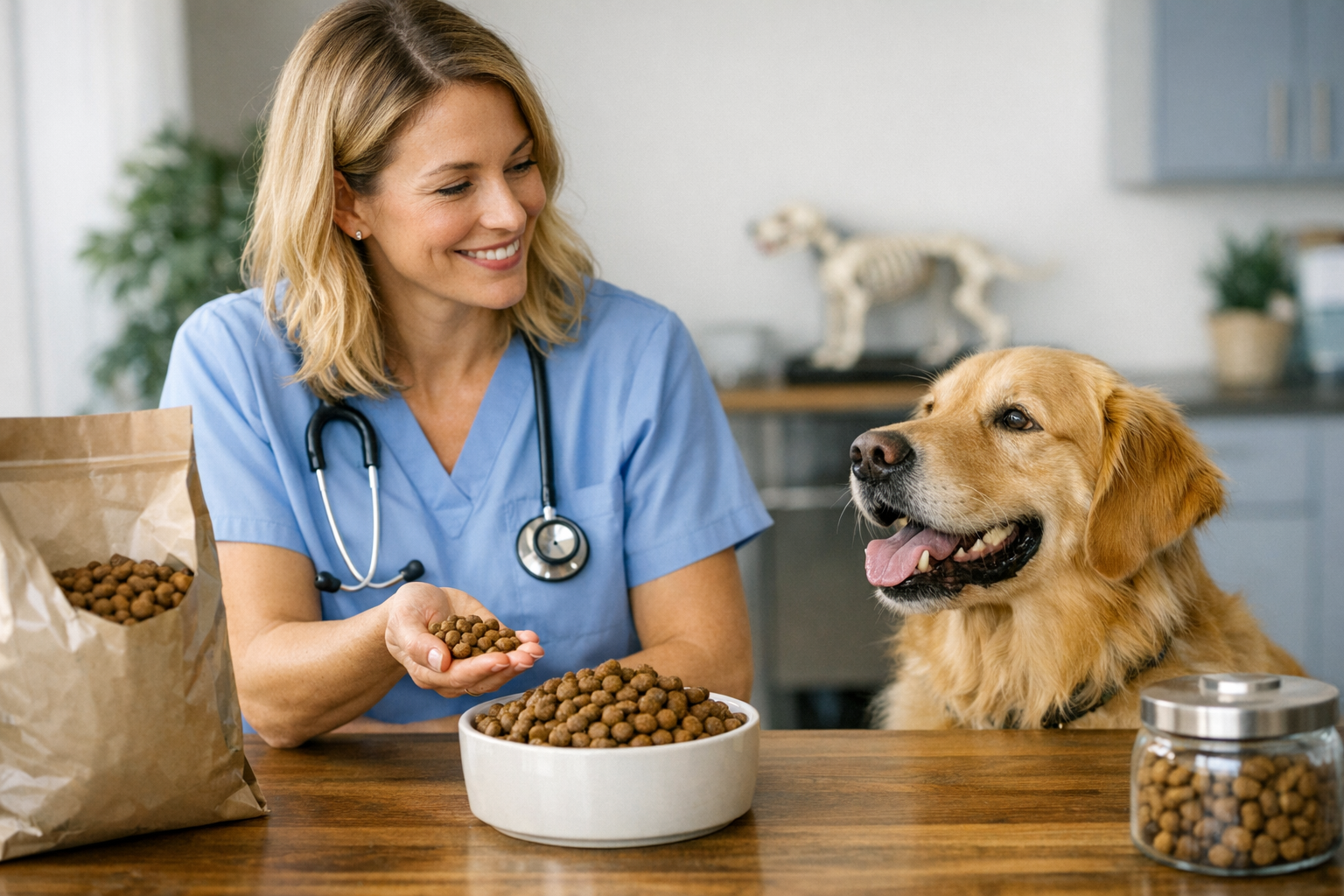
You are standing in the pet food aisle of a local store. A wall of colorful bags looms over you. Every label uses words like natural, premium, or superfood. It is hard to know which claims are true and which are just clever marketing. As a dog owner, you want to provide a diet that supports a long and healthy life. This is why many people search for what dry dog food is recommended by vets. At BaxterBoo, we know that the best food for your dog is the one backed by science and nutritional standards. This article will explain what veterinarians look for in a kibble, and you can start comparing options in our dog food category. We will cover the specific brands professionals trust and the ingredients that actually matter for your dog's wellness. You will learn how to read labels like an expert to make the best choice for your pet.
Quick Answer: Veterinarians most frequently recommend brands that employ full-time veterinary nutritionists and conduct feeding trials. Common professional choices include Royal Canin, Hill’s Science Diet, and Purina Pro Plan. These brands meet strict AAFCO standards for complete and balanced nutrition across different life stages.
Understanding the Vet Recommended Label
The term vet recommended is more than a catchy phrase. In the United States, this claim is regulated. A brand cannot put this on a bag unless they have survey data to prove it. It means a significant number of veterinarians have endorsed the product in a professional survey. This is different from a brand being vet formulated. A formulated diet means a veterinarian helped create the recipe. Both are good signs, but they serve different purposes.
Veterinarians do not pick food based on pretty packaging. They look at the evidence behind the food. They want to see that a company invests in research. They look for brands that own their manufacturing facilities. This allows for better quality control. When a vet recommends a food, they are looking for consistency. They want to know that every bag contains the exact nutrients listed on the label.
The Importance of AAFCO Standards
The Association of American Feed Control Officials (AAFCO) is a key player in pet food. AAFCO does not approve or certify food. Instead, it sets the nutritional standards that pet food companies must follow. Every reputable dry dog food should have an AAFCO statement on the bag. This statement tells you two important things.
First, it confirms the food is complete and balanced. This means it contains every single nutrient a dog needs in the correct ratios. Second, it identifies the life stage the food is for. A food might be for growth, which is for puppies. It might be for adult maintenance. Some are for all life stages. Vets generally prefer foods that are specific to your dog's current age.
Key Takeaway: Always look for the AAFCO nutritional adequacy statement on the back or side of the bag. If a food does not have this statement, it is not meant to be a primary diet.
Top Brands Frequently Recommended by Veterinarians
When you talk to a veterinarian, a few names come up repeatedly. These companies are often called the big three in the veterinary world. They have earned trust through decades of research and clinical trials. They also employ board certified veterinary nutritionists. These experts have years of advanced training in how nutrients affect animal health.
Royal Canin
Royal Canin is famous for its precision. They do not believe in a one size fits all approach. They offer diets for specific breeds, like Golden Retrievers or French Bulldogs. They also categorize food by the size of the dog. A tiny Yorkie puppy has different energy needs than a Great Dane puppy. Vets often recommend this brand because the kibble shape is designed for specific jaw structures. This can help with dental health and ease of eating. You can browse our selection of Royal Canin products.
Hill’s Science Diet
Hill’s Science Diet focuses on biology based nutrition. They use predictive biology to see how ingredients affect a dog’s health. This brand is often the first choice for dogs with specific medical needs. They have a massive range of prescription diets, but their over the counter Science Diet line is also highly respected. It is a common choice for owners who want a science backed daily maintenance food.
Purina Pro Plan
Purina Pro Plan is a favorite among many professionals and breeders. It is known for high quality protein sources and high palatability. Dogs generally love the taste of this food. The Pro Plan line includes formulas for sensitive skin and stomachs. It also features a Performance line for active dogs. Vets appreciate that Purina conducts extensive feeding trials to ensure their food performs well in the real world. See our selection of Purina Pro Plan products.
Emerging and Specialized Brands
In recent years, other brands have gained veterinary support. These brands often focus on ingredient transparency and ethical sourcing. While they may not have the hundred year history of the larger companies, they follow the same rigorous nutritional paths.
Open Farm
Open Farm has gained a following for its commitment to traceable ingredients. You can look up exactly where the meat and vegetables in your specific bag came from. Vets who prioritize sustainable sourcing often suggest Open Farm. Their recipes often include ancient grains like millet and oats. These are easy for most dogs to digest and provide steady energy. Explore our selection of Open Farm products.
Merrick
Merrick is a strong choice for dogs with sensitive stomachs. Their Limited Ingredient Diet recipes are frequently suggested for dogs with food intolerances. They use a single animal protein source and avoid common triggers like corn, wheat, or soy. Merrick also includes high levels of glucosamine and chondroitin. These nutrients are excellent for supporting joint health in active or aging dogs. Browse our selection of Merrick products.
Bottom line: While the major legacy brands are the most common recommendations, newer brands like Open Farm and Merrick provide excellent alternatives for owners seeking specific sourcing or limited ingredients.
Deciphering the Ingredient List
Vets look at the ingredient list differently than most pet owners. Many people look for the first ingredient and stop there. While having a named meat as the first ingredient is good, it is not the whole story. Ingredients are listed by weight before cooking. Fresh meat contains a lot of water. Once it is cooked into kibble, it might actually provide less protein than a meat meal listed second.
Quality Protein Sources
Look for named proteins like chicken, beef, or salmon. Avoid vague terms like meat meal or poultry by product. A named meal, such as chicken meal, is actually a highly concentrated protein source. It has had the water and fat removed, leaving behind a protein dense ingredient.
The Role of Grains
There is a common myth that grains are fillers. Most veterinarians disagree. Grains like brown rice, barley, and oatmeal provide essential fiber and B vitamins. They are a great source of energy for active dogs. Unless your dog has a diagnosed grain allergy, these ingredients are beneficial. In fact, some grain free diets have been linked to heart issues. This is why many vets are now recommending grain inclusive diets again.
Functional Additives
High quality dry foods often include extra nutrients for long term health.
- Omega fatty acids: These support skin health and a shiny coat.
- Probiotics: These help maintain a healthy balance of gut bacteria.
- Antioxidants: These support the immune system and cellular health.
- DHA: This is an omega 3 fatty acid that is vital for puppy brain development.
Nutrition for Different Life Stages
A dog's nutritional needs change as they age. Feeding a senior dog a puppy food can lead to obesity and joint stress. Feeding a puppy an adult food can stunt their growth or cause bone deformities.
Puppy Nutrition
Puppies need more calories than adults. They also need a specific balance of calcium and phosphorus. Large breed puppies are especially sensitive. If they grow too fast, they can develop hip dysplasia. This is why vets insist on using a puppy formula designed specifically for your dog's expected adult size.
Senior Dog Care
As dogs age, their metabolism slows down. Senior dog foods often have fewer calories but higher fiber. This helps them feel full without packing on weight. Many senior formulas also include extra joint support. If your older dog is slowing down or acting stiff, a change in diet might help. We carry a wide selection of senior specific formulas and mobility aids at BaxterBoo to support your aging companion.
Managing Health Conditions with Food
Sometimes, a standard dry food is not enough. Many dogs deal with chronic health issues that can be managed through nutrition. This is where prescription diets come in. These foods are formulated to treat or manage specific diseases.
If your dog has kidney issues, they need a food with controlled protein and phosphorus levels. If they have urinary stones, they need a diet that manages the pH of their urine. These are not just marketing claims. These foods are medical tools.
Our pharmacy for dogs offers access to FDA approved medications and prescription pet foods. We partner with Pet's Choice to provide these essential health products. If your vet has prescribed a therapeutic diet like Farmina Vet Life or Royal Canin Veterinary Diet, you can fulfill those needs through our service.
Vet Tip: If your dog has chronic skin issues, persistent diarrhea, or sudden weight changes, do not try to fix it by switching random brands. Consult your veterinarian for a diagnosis. They can determine if a prescription diet or a specific supplement is necessary for your dog's condition.
How to Choose the Right Kibble Size
The physical size of the kibble matters more than you might think. Small breeds have small mouths and small teeth. If the kibble is too large, they may struggle to chew it. This can lead to digestive upset or even choking. Conversely, if a large dog eats tiny kibble, they might swallow it whole. This increases the risk of bloat, which is a life threatening condition.
Most brands label their bags for small, medium, or large breeds. Stick to these guidelines. Small breed kibble is often more calorie dense because small dogs have higher metabolisms. Large breed kibble often has larger pieces to encourage chewing and slower eating.
The Truth About Fillers and By-Products
The word by-product often scares pet owners. However, in the world of veterinary nutrition, by-products are often misunderstood. A poultry by-product can include organ meats like liver, heart, and kidneys. These are actually incredibly nutrient dense. They provide vitamins and minerals that muscle meat lacks.
Vets are usually more concerned with fillers that provide no nutritional value. This includes artificial colors or chemical preservatives like BHA and BHT. High quality brands use natural preservatives like tocopherols, which are forms of Vitamin E.
Key Takeaway: Do not be afraid of animal by-products if they come from a reputable brand. Be more concerned with artificial colors and vague ingredient names that do not specify the animal source.
Transitioning Your Dog to a New Food
Once you find the right vet recommended food, you cannot simply swap the bowls. A sudden change in diet is the most common cause of diarrhea in dogs. Their gut bacteria need time to adjust to new proteins and fiber levels. If you want a fuller step-by-step guide, see how to switch from dry to wet dog food.
Follow this ten day schedule for a safe transition:
- Days 1 to 3: Mix 25 percent of the new food with 75 percent of the old food.
- Days 4 to 6: Mix 50 percent of the new food with 50 percent of the old food.
- Days 7 to 9: Mix 75 percent of the new food with 25 percent of the old food.
- Day 10: Feed 100 percent of the new food.
Watch your dog's stool during this time. If it becomes very soft, stay at that percentage for a few extra days before increasing the new food again.
Evaluating Manufacturer Transparency
A final factor vets consider is how much the manufacturer shares with the public. Does the company own the plants where the food is made? If they use a third party packer, they have less control over safety. Does the company conduct regular testing for contaminants like salmonella or mycotoxins?
Reputable companies will answer these questions. They often publish their research in veterinary journals. They are transparent about their sourcing and their testing protocols. When you buy from these brands, you are paying for that peace of mind.
Why Quality Food Saves Money
It is tempting to buy the cheapest bag of food at the grocery store. However, low quality food often costs more in the long run. Cheap foods are often less digestible. This means your dog has to eat more to get the nutrients they need. You end up buying bags more frequently.
Poor nutrition also leads to more veterinary visits. Skin allergies, ear infections, and obesity related joint issues are all linked to diet. By investing in a vet recommended dry food now, you are investing in your dog's future health. At BaxterBoo, we offer programs like our Frequent Buyer Program and our Autoship programme to help you save on premium brands. This makes high quality nutrition more affordable for every pet owner.
Summary of Vet Recommended Features
When you are looking at a new bag of dry dog food, run through this checklist:
- Does it have an AAFCO statement for the correct life stage?
- Is the first ingredient a named animal protein?
- Does the brand employ veterinary nutritionists?
- Are there specific health boosters like Omega 3s or probiotics?
- Is the kibble size appropriate for your dog's mouth?
Finding the right food is one of the most important things you can do for your dog. It affects their energy, their coat, and their lifespan. By following the guidance of veterinarians and looking for science based brands, you can feel confident in your choice. If you want to keep learning, read should you feed your dog wet and dry food.
Conclusion
Selecting a dry dog food is a big decision, but it does not have to be a guessing game. By focusing on AAFCO standards, expert formulation, and quality ingredients, you can find a diet that truly supports your dog. Trusted brands like Royal Canin, Hill’s, and Purina Pro Plan provide the scientific backing that veterinarians rely on. Remember that every dog is an individual. What works for a neighbor's dog might not be perfect for yours.
Always consult your veterinarian before making a major change to your dog's diet. They can help you determine if your dog needs a standard maintenance food or a specialized prescription formula. Once you have a recommendation, we are here to help. You can find these top brands and more in our extensive collection.
Bottom line: The best dry dog food is one that is nutritionally complete, backed by research, and fits your dog's specific life stage and health needs.
For your next bag of food, consider signing up for our Autoship program. You will save on your first order and earn a free MVP Rewards membership for ongoing rewards. It is the easiest way to ensure your dog never runs out of the high quality nutrition they deserve. If you are also looking to stretch your pet budget, discounted dog food: how to feed your dog for less has more practical tips.
FAQ
What dry dog food do most vets recommend?
Most veterinarians recommend brands that prioritize scientific research and feeding trials, such as Royal Canin, Hill's Science Diet, and Purina Pro Plan. These companies employ board-certified veterinary nutritionists to ensure their formulas are perfectly balanced. They are trusted because they have rigorous quality control and consistent nutritional profiles.
Is grain-free dry dog food better for my dog?
For most dogs, grain-inclusive diets are actually preferred unless there is a diagnosed allergy to a specific grain. The FDA has investigated links between some grain-free diets and heart conditions like dilated cardiomyopathy. Grains provide essential nutrients and energy, so you should talk to your vet before deciding to go grain-free.
How can I tell if a dog food is high quality?
Look for an AAFCO statement on the label that confirms the food is complete and balanced for your dog's life stage. High-quality foods will list a named animal protein as the first ingredient and avoid artificial colors or chemical preservatives. You should also check if the brand conducts feeding trials rather than just calculating nutrients on paper.
Why do vets recommend prescription dog food?
Prescription diets are formulated to manage specific health conditions like kidney disease, urinary stones, or severe food allergies. These foods have precise levels of certain nutrients that help treat the illness or prevent it from getting worse. You can only obtain these through a veterinarian because they are considered a part of a medical treatment plan.






