
 Save 15% on your 1st Autoship learn more

 Email us
 Live Chat
 FAQs
FAQs





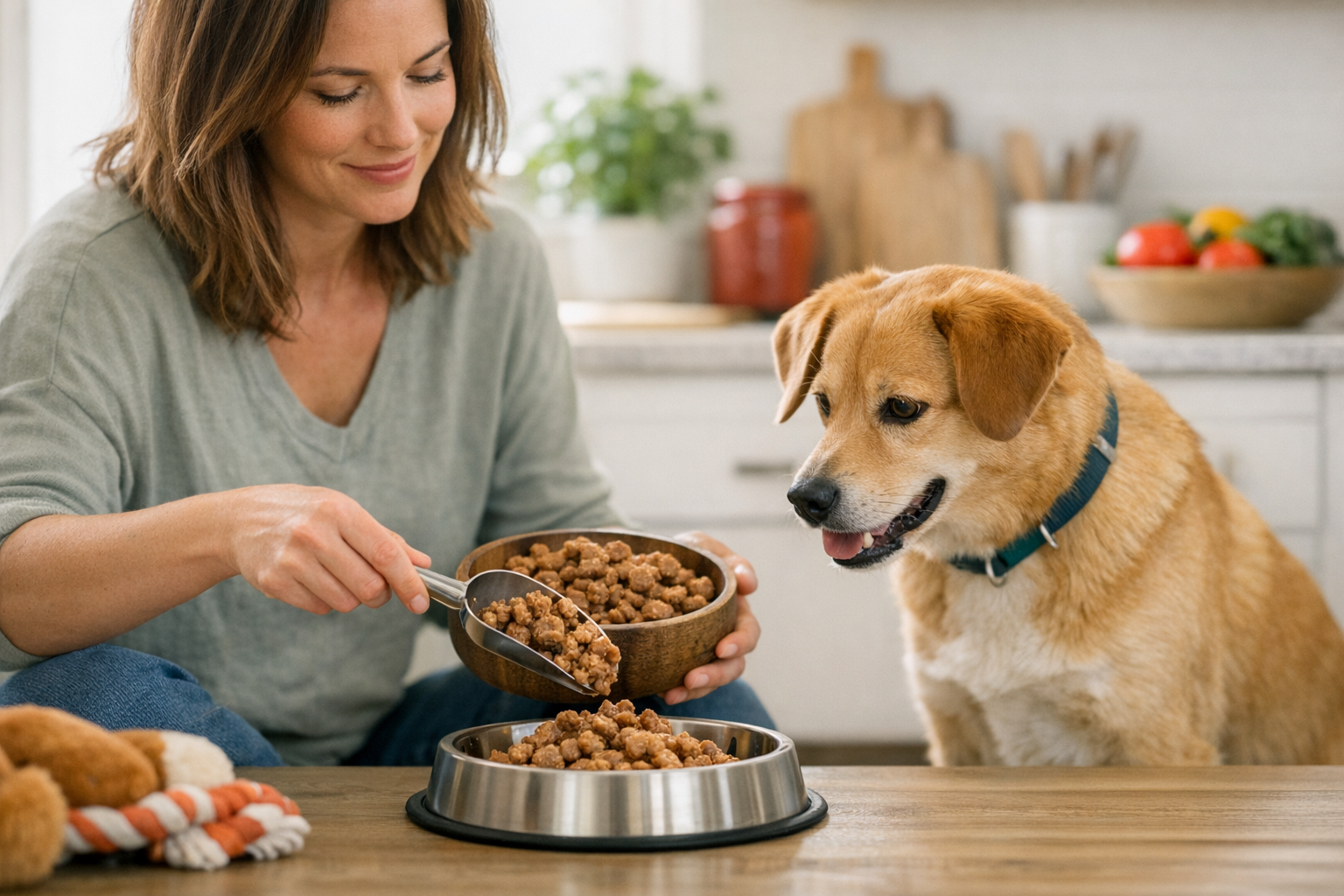
Introduction
You might notice your senior dog hesitating at their bowl, or perhaps your new puppy is struggling to break down those rock-hard nuggets of standard kibble. It is a common moment of concern for many pet owners when a dog suddenly seems uninterested in the crunchy texture they once loved. When a dog develops dental issues or simply becomes more selective with age, finding a food that is easy to chew becomes a top priority.
At BaxterBoo, we talk to pet parents every day who are looking for that perfect middle ground between messy wet food and difficult-to-chew hard kibble. This guide covers the various types of soft dry dog food, how they are made, and why they might be the right choice for your pet. We will also look at how to manage underlying health issues that make chewing difficult. Finding the right texture can turn mealtime from a chore back into the highlight of your dog's day.
Understanding Soft Dry Dog Food Options
Soft dry dog food is not a single category but rather a collection of different textures and manufacturing styles. Most people are familiar with standard kibble, which is made through a process called extrusion. This involves high heat and pressure that creates a very hard, shelf-stable biscuit. While this is convenient, it is not always the best fit for every dog.
There are three main types of food that fall under the soft dry umbrella. These include semi-moist kibble, air-dried food, and freeze-dried raw options. Each one offers a different level of tenderness. Semi-moist foods often use humectants like vegetable glycerin to keep the pieces pliable. Air-dried and freeze-dried options rely on gentle moisture removal to maintain a texture that is much easier to break apart than traditional burnt-brown kibble. If you want to browse more of these textures, our freeze-dried food category is a helpful place to start.
Quick Answer: Soft dry dog food includes semi-moist kibble, air-dried recipes, and freeze-dried raw nuggets. These options provide a tender texture that is easier to chew than traditional hard kibble while remaining shelf-stable at room temperature.
Semi-Moist Kibble
Semi-moist dog food is often what people think of first. These are the "tender bites" or "meaty centers" you see in many commercial brands. The moisture content in these foods is typically around 60 to 65 percent, compared to the 10 percent found in standard dry food. This makes the food feel like a soft treat rather than a cracker. While very palatable, these often contain more sugars or salts to keep them fresh, so it is important to read the labels carefully.
Air-Dried Dog Food
Air-dried food is a premium option that has gained massive popularity at our Vernon Hills warehouse. Brands like Ziwi Peak or Open Farm use a process that slowly evaporates moisture at low temperatures. This preserves the nutrients and results in a texture similar to jerky. It is firm enough to be handled like dry food but soft enough for a dog with few teeth to gum down easily. It is highly concentrated, so you often feed less than you would with standard kibble.
Freeze-Dried Raw
Freeze-dried raw food is another excellent choice for those seeking a softer bite. Brands like Stella & Chewy's offer patties or morsels that are incredibly light and crumbly. You can serve them dry, and they will practically melt in the dog's mouth. You can also rehydrate them with a little warm water to create a soft, pate-like consistency. This is a favorite for picky eaters because the flavor is very intense.
Why Your Dog Might Need Soft Food
The move to a softer diet is usually prompted by a change in your dog's physical health or behavior. It is rarely just a matter of "wanting" a softer snack. Dogs are biologically designed to eat, and when they stop, there is usually a practical reason.
Dental and Oral Health Issues
The most common reason for seeking soft food is dental pain. Periodontal disease is incredibly common in dogs, especially small breeds. If a dog has loose teeth, inflamed gums, or has recently had a dental extraction, hard kibble can feel like chewing on stones. Soft food allows them to get the nutrition they need without the physical pain of crunching down. For more on the warning signs, our dog dental care article is worth a look.
Aging and Senior Needs
As dogs enter their senior years, their jaw strength may decrease. They might also experience a decline in their sense of smell and taste. Soft dry foods are generally more aromatic than hard kibble. The stronger scent can entice a senior dog with a fading appetite to start eating again. Additionally, many soft dry foods are easier for an aging digestive system to process.
Puppy Transitions
Puppies have tiny, sharp milk teeth that are not always up to the task of crushing large, hard kibble. When transitioning from a liquid diet or wet mush to solids, a soft dry food can act as a bridge. It provides the nutrients they need for growth while being gentle on their developing mouths. You can also explore our kitten supplies page if you are shopping for a young pet in another life stage.
Vet Tip: If your dog suddenly stops eating hard kibble or starts dropping pieces out of their mouth, schedule a dental checkup. Dental pain is often hidden, and your vet can determine if a medical procedure or a specific prescription diet from our pet pharmacy is necessary.
Health Considerations and the Role of the Pharmacy
While switching to a soft food can solve the immediate problem of a dog not eating, it is vital to address the "why" behind the change. Sometimes, the need for soft food is a symptom of a larger health issue that requires more than just a change in diet.
At our warehouse, we emphasize that nutrition and medical care go hand in hand. If your dog is struggling with chronic oral pain, kidney issues that affect appetite, or severe allergies, a standard over the counter soft food might not be enough. This is where professional guidance and specialized products become necessary.
Our BaxterBoo pet pharmacy provides access to prescription options and related health products. If your veterinarian determines that your dog needs a specific therapeutic diet—such as a soft-textured prescription food for kidney health or recovery—we can help meet those needs. Transitioning to a soft diet is often the first step in a larger wellness plan managed by your vet.
Key Takeaway: Soft food is a practical solution for dental pain and aging, but it should be paired with veterinary advice to ensure no underlying medical conditions are being ignored.
How to Soften Standard Dry Kibble
You do not always have to buy a brand-new bag of specialized food to give your dog a softer meal. If you have a bag of high-quality kibble like Orijen or Acana, you can modify it at home. This is often the most cost-effective way to transition your dog or help them through a temporary bout of dental sensitivity.
Step 1: Measure the portion. / Place your dog's usual amount of dry kibble into a clean bowl.
Step 2: Add warm liquid. / Pour warm water, low-sodium beef broth, or unsaltled chicken broth over the kibble. The liquid should just barely cover the top of the food.
Step 3: Let it soak. / Wait about 10 to 15 minutes. The kibble will absorb the liquid and expand, becoming soft and spongy.
Step 4: Mash if needed. / For dogs with severe dental issues, use a fork to mash the softened kibble into a consistent texture.
Using Toppers and Mix-Ins
Another way to introduce softness is through the use of toppers. Adding a scoop of wet food or a handful of freeze-dried "meal mixers" from Stella and Chewy's can add variety and different textures. This makes the meal more interesting and easier to navigate for a dog that is struggling with a bowl full of hard pellets.
Selecting the Best Soft Dry Food for Your Dog
When you are walking the aisles of a store or browsing our selection online, the number of choices can be overwhelming. Not all soft foods are created equal. You want to look for specific markers of quality to ensure your dog is getting the best nutrition possible.
Look for High-Protein Ingredients
The first ingredient should always be a recognizable animal protein, such as chicken, beef, or lamb. Many lower-quality semi-moist foods use fillers and "meat by-products" to keep costs down. Brands like Open Farm and Farmina prioritize whole-animal proteins, even in their softer recipes.
Check the Moisture-Retention Ingredients
In semi-moist foods, look at what is used to keep the food soft. Natural humectants like vegetable glycerin are generally preferred over artificial preservatives or high amounts of corn syrup. High sugar content can lead to weight gain and dental decay, which defeats the purpose of switching to a soft food for dental health.
Consider the Caloric Density
Air-dried and freeze-dried foods are very calorie-dense because the water has been removed. A small scoop of Ziwi Peak might have the same calories as a large bowl of standard kibble. It is easy to accidentally overfeed your dog when the volume of food looks small. Always follow the feeding guidelines on the bag to maintain a healthy weight. If you are interested in a category made for younger dogs, our dog food category includes options across many life stages.
Bottom line: Choose soft foods that prioritize real meat and natural moisture retainers to ensure your dog stays healthy while eating comfortably.
Comparing Different Soft Food Textures
| Food Type | Texture Description | Best For | Shelf Life |
|---|---|---|---|
| Semi-Moist Kibble | Spongy, chewy, pliable | Picky eaters, training treats | Moderate |
| Air-Dried | Leather-like, jerky texture | Senior dogs, high-protein needs | Long |
| Freeze-Dried Raw | Light, airy, crumbly | Maximum flavor, sensitive stomachs | Very Long |
| Rehydrated Kibble | Mushy, soft, moist | Post-surgery, severe dental issues | Immediate use |
Transitioning Your Dog to Soft Food
Whenever you change your dog's diet, you must do it slowly. A sudden shift from hard kibble to a rich, air-dried food can cause digestive upset. Their stomach needs time to adjust to the new nutrient density and moisture levels.
- Days 1-3: Mix 25% of the new soft food with 75% of the old hard kibble.
- Days 4-6: Move to a 50/50 split.
- Days 7-9: Feed 75% soft food and 25% hard kibble.
- Day 10: Complete the transition to 100% soft food.
During this time, keep an eye on your dog's stools. If they become loose, slow down the transition and stay at the current ratio for a few more days. Our MVP Rewards programme is a great way to try different brands during this transition period, as you earn points on every purchase that can be used for future bags.
Addressing Picky Eaters with Soft Textures
Some dogs are not in pain and are not old; they are just bored. Hard kibble can be unappealing because it lacks a strong aroma. Soft dry foods often have a much more "meaty" scent that triggers a dog's natural hunting and scavenging instincts.
If you have a picky eater, try a food that uses a "raw coated" technique. Stella and Chewy's offers kibble that is baked and then coated in freeze-dried raw dust. This gives the dog the initial hit of intense flavor they crave with a texture that is easier to manage. You can also look into "tender" formulas from brands like NutriSource, which often include softer chunks specifically designed to entice fussy dogs.
Common Myths About Soft Dog Food
There are several misconceptions that pet owners hear about soft food. It is important to separate fact from fiction so you can make the best choice for your pet.
Myth 1: Soft food causes more dental problems.
While it is true that hard kibble provides a very slight abrasive action, it is not a substitute for brushing. Most dogs swallow kibble whole or break it into large chunks, providing little to no dental cleaning. Soft food does not "cause" decay any more than hard food does, provided you maintain a regular dental hygiene routine.
Myth 2: Soft dry food is just wet food in a bag.
Soft dry food is distinct from wet food. It has a much lower moisture content than canned food but a higher content than kibble. It is designed to be shelf-stable at room temperature after opening, whereas wet food must be refrigerated and used quickly.
Myth 3: You can't use soft food for training.
Actually, soft dry food makes an excellent training treat. Because it is more palatable than standard kibble, dogs are often more motivated to work for it. Air-dried pieces are particularly good for this because they are not greasy and can be easily kept in a treat pouch.
Long-Term Management for Dogs on Soft Diets
If your dog is moving to a soft diet permanently, there are a few things to keep in mind for their long-term health. Because soft food does not provide any mechanical scraping of the teeth, you will need to be more diligent with dental care.
- Brush their teeth daily using dog-safe toothpaste.
- Provide dental chews that are appropriate for their chewing ability.
- Use a water additive designed to reduce plaque and tartar.
- Schedule regular professional cleanings with your veterinarian.
We also recommend looking into our Autoship programme for your preferred soft food. Since high-quality air-dried and freeze-dried foods can sometimes have shorter production runs or high demand, setting up a recurring delivery ensures you never run out. Plus, it saves you money on every order and helps keep your pet's favorites coming consistently.
Conclusion
Finding the right soft dry dog food can significantly improve the quality of life for a senior dog, a puppy, or a pet with dental sensitivities. Whether you choose a premium air-dried recipe from Open Farm or decide to soften your current kibble with a nutritious broth, the goal is to make mealtime comfortable and nourishing.
Always remember that a change in eating habits is often a signal from your dog about their internal health. If the switch to soft food is due to a medical condition, our pet pharmacy is here to help with prescription options through our partnership with Pet's Choice. By combining expert nutrition with proactive veterinary care, you can ensure your dog stays happy and well-fed throughout every stage of their life.
Key Takeaway: Soft dry dog food offers a practical, highly palatable solution for dogs who struggle with traditional kibble. Transition slowly and consult your vet to rule out underlying dental or medical issues.
FAQ
Is soft dry dog food the same as semi-moist food?
Semi-moist food is one type of soft dry dog food, but the category also includes air-dried and freeze-dried options. Semi-moist foods usually have a spongy texture and are often found in pouches. Air-dried and freeze-dried foods are generally more nutrient-dense and use different preservation methods to maintain a tender bite.
Can I mix soft dry food with regular hard kibble?
Yes, mixing the two is a great way to add variety or help a dog transition to a new diet. It can also be a budget-friendly way to improve the palatability of a standard kibble. Just be sure to monitor the total calorie intake to prevent your dog from gaining excess weight.
Why is my senior dog suddenly refusing hard kibble?
A sudden refusal of hard food is often a sign of dental pain, such as a cracked tooth or gum disease. It could also be related to a decreasing sense of smell, making the hard kibble seem unappealing. You should have your vet perform a dental exam to see if there is an underlying issue that requires treatment or a prescription diet.
How do I store soft dry dog food once the bag is open?
Most soft dry foods come in resealable bags to maintain their moisture levels and freshness. It is best to store them in a cool, dry place away from direct sunlight. Unlike wet canned food, these do not typically require refrigeration, but you should always check the specific storage instructions on the packaging.






