
 Save 15% on your 1st Autoship learn more

 Email us
 Live Chat
 FAQs
FAQs





Introduction
You might be relaxing on the sofa when you run your hand along your dog’s flank and feel a hard, lumpy knot. It feels like a small pebble tucked deep against the skin. This is the beginning of a mat, and it is the first sign that your grooming routine needs an update. At BaxterBoo, we know that brushing is often viewed as a way to make a pet look pretty for a walk or a photo. However, brushing is actually a fundamental part of your dog’s physical health and comfort. Skipping this task leads to much more than just a messy appearance. It can cause genuine pain, hidden infections, and long-term skin issues. This post covers exactly what happens when the brush stays in the drawer for too long. Proper coat maintenance is a vital tool for keeping your dog happy and healthy.
The Physical Pain of Severe Matting
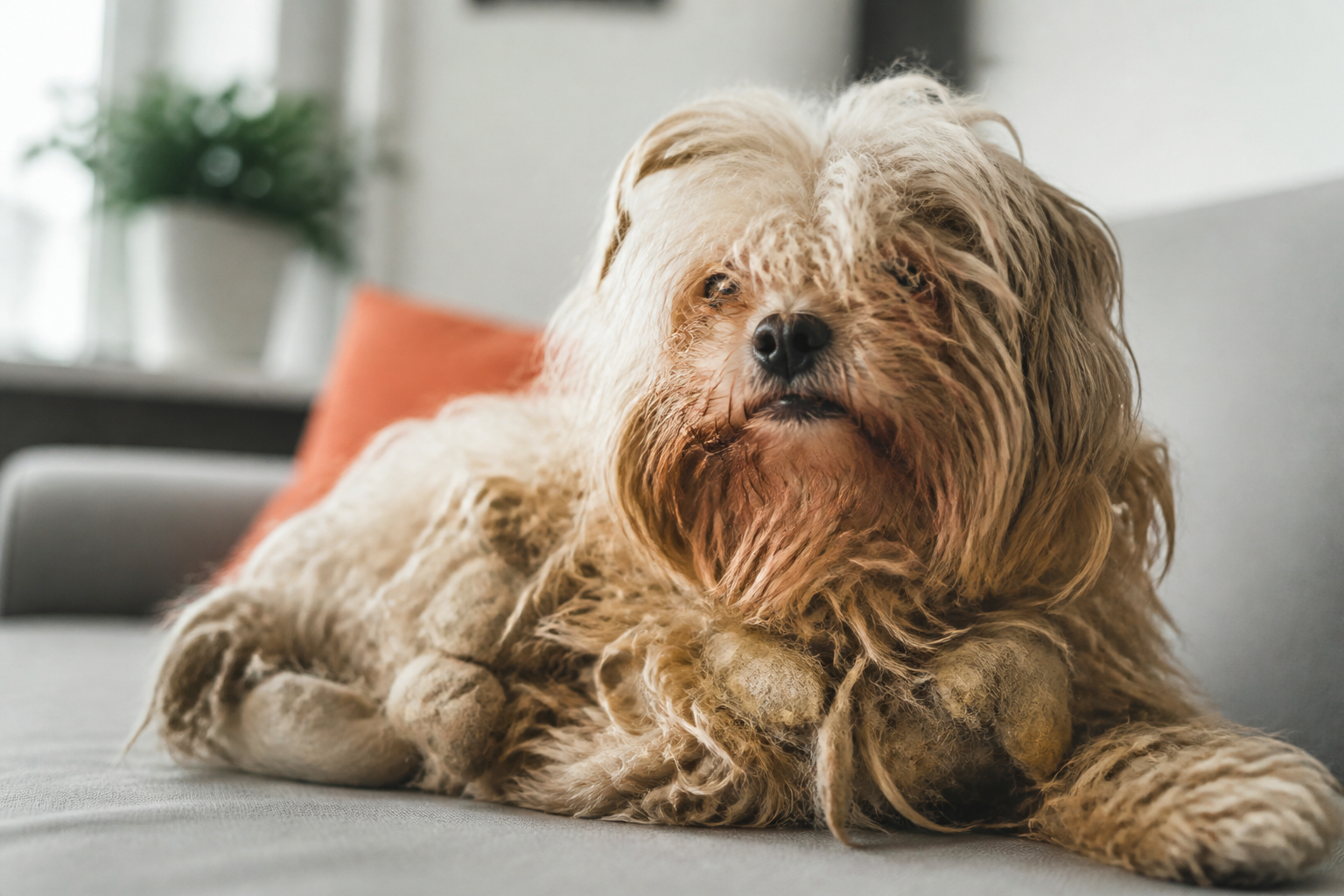
The most immediate consequence of not brushing your dog is the development of mats. A mat is more than just a simple tangle. It is a dense cluster of dead hair, live hair, and debris that has knotted together. As these knots grow, they begin to tighten. They eventually pull on the skin every time your dog moves, sits, or stretches. Imagine having your own hair pulled into a very tight ponytail that you can never take down. This creates constant discomfort for your dog.
In severe cases, these mats can lead to a condition called pelting. This occurs when the hair becomes so tangled that it forms a solid, hard layer against the skin. Pelting restricts the dog’s movement and can even cut off blood flow to the skin. This level of matting is extremely painful. It often requires a professional groomer or a veterinarian to shave the dog down to the skin to provide relief. You should never try to cut these mats out with scissors at home. A dog's skin is very thin, and it is remarkably easy to accidentally cut them when the hair is pulled tight.
Quick Answer: If you do not brush your dog, their hair will develop painful mats that pull at the skin and restrict movement. This can lead to skin infections, trapped parasites, and the inability to regulate body temperature.
Hidden Skin Infections and Irritation
When hair is matted or packed with dead fur, the skin cannot breathe. Airflow is essential for maintaining a healthy skin barrier. Without it, moisture from rain, dew, or even the dog’s own saliva becomes trapped against the body. This creates a dark, damp environment. Bacteria and yeast thrive in these conditions.
Underneath a thick mat, a dog can develop "hot spots," which are red, inflamed, and oozing areas of skin. Because the hair is so thick, you may not even realize your dog is suffering until the infection becomes severe. You might notice a strange smell or see your dog constantly licking at a specific spot. Regular brushing prevents these "micro-climates" from forming on the skin. It ensures the skin stays dry and healthy.
Vet Tip: If you notice your dog has red, moist, or smelly patches of skin under their fur, consult your veterinarian. These often require medicated cleansers or antibiotics from a pharmacy to heal properly.
The Distribution of Natural Oils
Your dog’s skin produces natural oils called sebum. These oils serve two main purposes. They keep the skin moisturized and they provide a protective, water-resistant layer for the hair. When you brush your dog, you act as a manual distributor for these oils. The bristles pick up the sebum at the skin level and move it down the length of the hair shaft.
If you stop brushing, these oils pool at the surface of the skin. This leads to a greasy, smelly coat and can cause clogged pores or "doggy acne." Meanwhile, the ends of the hair become dry, brittle, and prone to breaking. Brushing ensures the entire coat remains shiny and strong. It also helps remove the dander and dead skin cells that can cause allergies for the humans in your home.
Benefits of Oil Distribution
- Prevents flaky, dry skin (dandruff).
- Creates a natural shine without the need for heavy conditioning sprays.
- Strengthens the hair to prevent future tangles.
- Reduces the "doggy odor" caused by oil buildup.
Temperature Regulation and Insulation
A common myth is that thick fur makes dogs hot in the summer. In reality, a clean, brushed coat acts as insulation. It helps a dog stay cool in the heat and warm in the cold by trapping a layer of air near the skin. When the hair is matted or impacted with dead undercoat, this insulation system fails.
Mats trap heat against the dog's body during the summer, which can lead to overheating. In the winter, a matted coat can get wet and stay wet. This robs the dog of their body heat and puts them at risk for hypothermia. Keeping the coat brushed out and "fluffy" is essential for their internal thermostat to function correctly.
Key Takeaway: A well-groomed coat is a functional tool that helps your dog manage their body temperature in both hot and cold weather.
Difficulty Spotting Parasites and Lumps
Brushing is not just about the hair. It is a full-body inspection. When you brush your dog every few days, you are checking every inch of their body. This is often the only way owners find small ticks, fleas, or unusual lumps and bumps.
If the coat is thick and unkempt, a tick can stay attached for weeks without being noticed. This increases the risk of Lyme disease and other tick-borne illnesses. Similarly, skin tumors or cysts can grow to a dangerous size before they are felt through a thick, unbrushed coat. Regular brushing sessions allow you to catch these problems early when they are most treatable.
Our pharmacy offers a wide range of FDA-approved flea and tick preventives through our partnership with Pet's Choice. While medications are essential, the brush is your first line of physical defense for spotting invaders. Our pet pharmacy can fulfill prescriptions for chronic skin conditions or parasitic infestations that may arise if the coat is neglected.
The Cycle of Increased Shedding
Many owners think that skipping a brushing session will save them time on cleanup. The opposite is true. Most dogs go through a shedding cycle where dead hair falls out to make room for new growth. If you do not brush this dead hair away, it stays trapped in the coat.
Eventually, this trapped hair will work itself loose and fall out in large clumps all over your rugs and furniture. Brushing "at the source" allows you to collect the hair in a brush and toss it in the trash. It keeps your home cleaner and prevents your dog from looking "patchy" or unkempt. For double-coated breeds like Huskies or Golden Retrievers, this is especially important during the spring and fall when they "blow" their coats. Read more about managing seasonal shedding in this guide to dog shedding.
Bottom line: Brushing your dog regularly actually reduces the total amount of fur you will find on your furniture and floors.
Impact on Joint Health and Comfort
It may seem strange to link hair brushing to joint health, but there is a connection. When a dog is severely matted, the skin is under constant tension. This can cause the dog to change the way they walk or stand to avoid the pain of the hair pulling. Over time, an unnatural gait can lead to muscle strain and joint soreness.
Furthermore, grooming usually includes checking the hair between the paw pads. If that hair is not brushed or trimmed, it can mat and trap burrs or pebbles. This makes every step painful, similar to having a rock in your shoe. Keeping the hair on the legs and paws clear of tangles ensures your dog can move freely and comfortably. For additional paw-care guidance, read this dog paw pad care guide.
How to Establish a Brushing Routine
The best way to avoid these problems is to make brushing a habit. It does not have to be a long, grueling process. A few minutes every other day is often enough for most breeds. You can find brushes, combs, and other tools in our dog grooming tools collection.
Step 1: Choose the right tool. / Short-haired dogs need a rubber curry brush or a soft bristle brush. Long-haired or double-coated dogs require a slicker brush or an undercoat rake to reach the deep layers.
Step 2: Start with a "touch test." / Run your hands over your dog's body to feel for any hidden knots or sensitive spots before you start with the tool.
Step 3: Work in sections. / Start at the head and move toward the tail. Do not forget the "friction zones" like the armpits, behind the ears, and the base of the tail where mats form fastest.
Step 4: Use positive reinforcement. / Give your dog a small treat or plenty of praise during and after the session. This helps them associate the brush with a positive experience.
Supporting Your Dog's Skin from the Inside
While brushing handles the external side of coat health, nutrition plays a role from the inside. We carry several brands, such as Zesty Paws and Honest Paws, that offer supplements designed to support skin and coat health. Ingredients like Omega-3 fatty acids can make the hair more supple and less prone to tangling.
If your dog has persistent skin issues despite regular brushing, they may have underlying allergies. We offer prescription diets through our pharmacy partnership for dogs with specific sensitivities. These specialized foods, like those from Farmina Vet Life or Royal Canin, are formulated to strengthen the skin barrier.
When to See a Professional
Sometimes, despite your best efforts, the coat gets out of control. If you find a mat that is too close to the skin to brush out, it is time to call a professional groomer. They have the tools and experience to safely remove mats without hurting the dog.
If you notice signs of a skin infection, such as pus, extreme redness, or a foul odor, you should skip the groomer and head straight to the veterinarian. They can diagnose the issue and provide a prescription for the pharmacy to fill. We recommend keeping a regular schedule with a groomer every 6 to 8 weeks for breeds with continuous hair growth, like Poodles or Shih Tzus.
Key Takeaway: Brushing is a preventative health measure. It is much easier to spend five minutes brushing today than it is to deal with a painful skin infection or an expensive "shave down" later.
Conclusion
Brushing your dog's hair is a simple act of care that prevents a long list of physical problems. From avoiding the pain of tight mats to detecting hidden health issues like ticks or lumps, the benefits are clear. Regular maintenance keeps the skin healthy, the coat functional, and the dog comfortable. At BaxterBoo, we are committed to helping you provide the best care for your pets through our expert-curated supplies and our dedicated pharmacy services. By making brushing a regular part of your routine, you are investing in your dog’s long-term well-being. Consider setting up an Autoship plan for your favorite grooming sprays or skin supplements to ensure you always have what you need on hand.
FAQ
How often should I brush my dog if they have short hair?
Even short-haired dogs benefit from brushing at least once a week. While they do not get traditional mats, brushing removes dead skin cells and distributes natural oils. This reduces shedding and keeps their coat shiny and healthy.
What should I do if my dog hates being brushed?
Start with very short sessions, lasting only thirty seconds to a minute. Use a soft brush and provide high-value treats to create a positive association. Gradually increase the time as your dog becomes more comfortable with the sensation.
Can I use a human hairbrush on my dog?
It is not recommended because human brushes are designed for human hair and scalps. Dog brushes, like slicker brushes or pin brushes, are specifically made to penetrate different types of fur and reach the undercoat without scratching the dog's skin.
Will bathing my dog help get rid of mats?
No, bathing a matted dog usually makes the situation worse. Water causes the mats to shrink and tighten as they dry, making them even harder to remove. Always brush out all tangles and mats before you put your dog in the bathtub. For additional bathing guidance, read these dog-bathing dos and don'ts.






