
 Save 15% on your 1st Autoship learn more

 Email us
 Live Chat
 FAQs
FAQs





Introduction
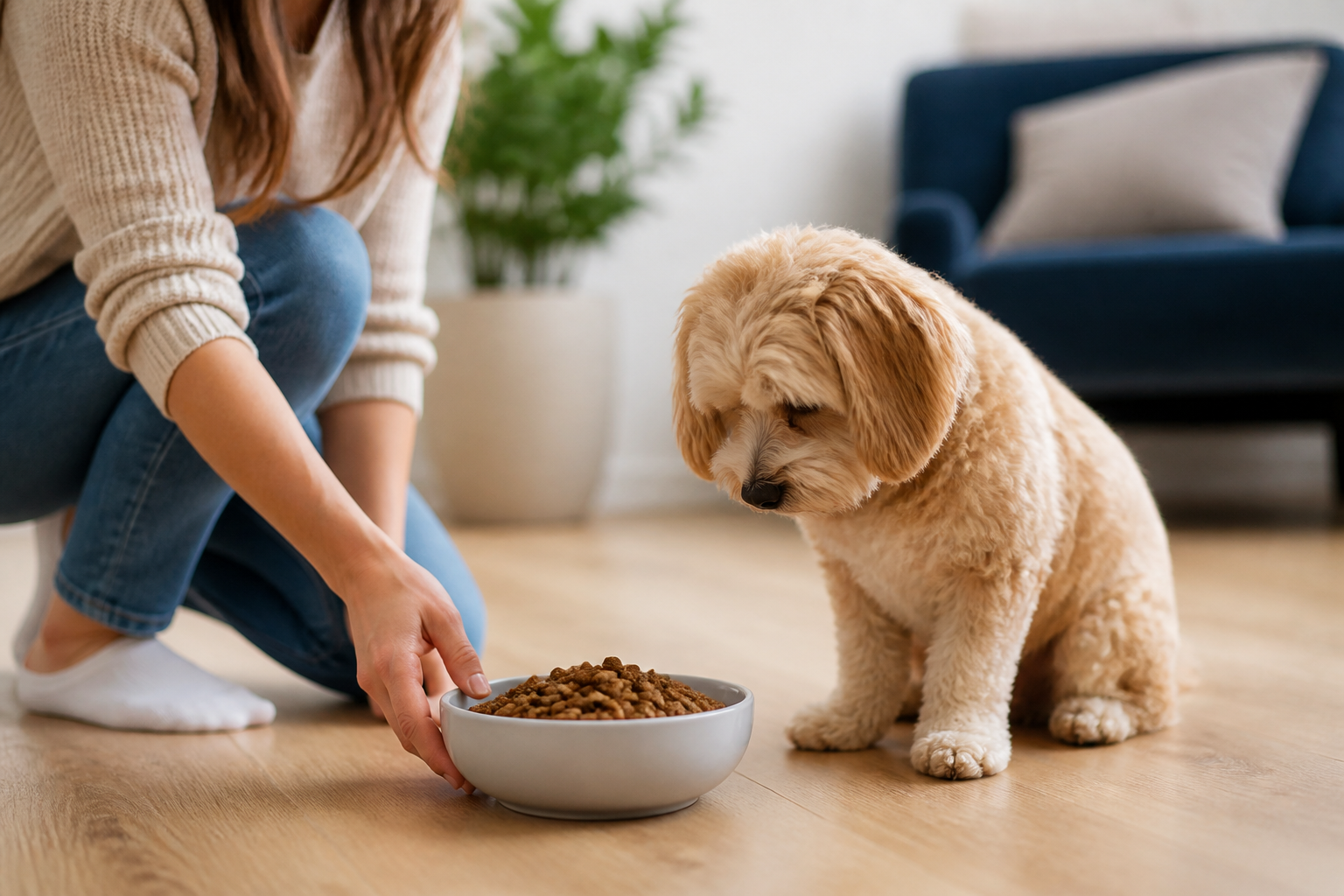
You might notice your senior dog hesitating at their bowl or hearing a concerning crunch as they struggle with hard kibble. Perhaps you have a picky eater who nudges pieces of dry food across the floor but never actually eats them. These moments are when many pet owners start searching for a middle ground between traditional dry kibble and messy wet food. Finding what is a good soft dry dog food becomes a priority to ensure your companion stays nourished without discomfort.
At BaxterBoo, we see these challenges every day. We know that the right texture can make all the difference for a dog with dental issues, a small breed with a tiny mouth, or a puppy transitioning to solid meals. This guide will walk you through the different types of soft dry dog food, from air-dried options to freeze-dried raw blends. We will help you understand what ingredients to look for and how to provide a meal that is both easy to chew and nutritionally complete.
Understanding the Different Types of Soft Dry Dog Food
When you look for a softer alternative to standard kibble, you will find several distinct categories. Each one uses a different manufacturing process to achieve that tender texture while remaining shelf-stable. It is important to know the difference so you can choose the one that fits your dog's lifestyle and your budget.
Air-Dried Dog Food
Air-drying is a process that slowly removes moisture from raw ingredients at low temperatures. This method preserves the nutrients better than high-heat cooking used for traditional kibble. The result is a jerky-like texture that is much softer than a hard biscuit but still easy to handle. Many owners prefer this because it offers the nutritional density of a raw diet with the convenience of dry food.
Freeze-Dried Raw Food
Freeze-drying involves removing moisture from frozen raw ingredients through a vacuum process. This keeps the cellular structure of the food intact. These pieces are often very light and porous. While many people rehydrate them with water, they can often be fed dry as a soft, crumbly meal. This is frequently considered the gold standard for nutrition because it uses minimal processing. For more information, read our guide to freeze-dried dog food.
Semi-Moist Dog Food
Semi-moist foods are the most traditional version of soft dry food. They usually come in pouches and have a chewy, dough-like consistency. While they are very palatable, you must be careful with the ingredient labels. Some lower-quality versions use high amounts of sugar, salt, and artificial humectants like propylene glycol to keep the food soft. At our warehouse, we focus on brands that prioritize real meat and natural moisture-retention ingredients.
Dehydrated Dog Food
Dehydrated food starts as a fine powder or small chunks of dried ingredients. To serve it, you simply add warm water. While it starts "dry" in the box, it becomes a soft, mash-like consistency within minutes. This is an excellent choice for dogs who need extra hydration or those who have lost most of their teeth. The Honest Kitchen's dehydrated dog food is one option to consider.
Quick Answer: A good soft dry dog food is one that provides high-protein nutrition through air-drying or freeze-drying methods. These options offer a tender texture without the high sugar and artificial additives often found in grocery-store semi-moist pouches.
Why Your Dog Might Need Softer Food
The transition to a softer diet is usually driven by specific health or behavioral needs. Understanding why your dog is struggling with hard kibble is the first step toward finding the right solution.
Dental Issues and Sensitivity
This is the most common reason for switching. Senior dogs often suffer from periodontal disease, loose teeth, or thinning enamel. Crunching down on a hard piece of kibble can be genuinely painful for them. If you see your dog dropping food out of their mouth or only eating on one side, it is time to look at softer options.
Picky Eaters
Some dogs simply do not enjoy the texture of hard kibble. They may find it boring or difficult to swallow. Soft dry foods often have a much stronger aroma because the ingredients are less processed. This smell can entice a reluctant eater to come back to the bowl. Our guide to helping dogs enjoy dry food offers additional mealtime ideas.
Puppies and Small Breeds
Puppies have smaller, more sensitive teeth. While they need to chew to help with teething, a very hard kibble can sometimes be overwhelming. Similarly, toy breeds like Chihuahuas or Yorkies have tiny jaws. A standard-sized kibble can be a choking hazard or just physically exhausting for them to finish.
Vet Tip: If your dog suddenly stops eating hard food or seems to be in pain while chewing, please schedule a dental exam. Soft food can help them eat comfortably, but it will not cure an underlying tooth infection or gum disease.
What to Look for on the Ingredient Label
Not all soft dog foods are created equal. Because these foods require more moisture to stay soft, manufacturers sometimes use shortcuts that aren't great for your dog's long-term health. Here is what you should look for and what you should avoid.
High-Quality Protein Sources
The first ingredient should always be a named meat source, like chicken, beef, or lamb. In air-dried and freeze-dried foods, meat often makes up over 90 percent of the recipe. This provides the essential amino acids your dog needs for muscle maintenance. Browse our dog food category to compare available formulas.
Natural Humectants
To keep food soft without refrigeration, something must hold onto the moisture. Better brands use vegetable glycerin or molasses in small amounts. Be wary of products that list corn syrup or high amounts of salt near the top of the ingredient list.
Healthy Fats and Omegas
Since soft foods are often targeted at seniors or dogs with sensitivities, look for added fish oils or flaxseed. These provide Omega-3 and Omega-6 fatty acids. These nutrients support skin health and can help manage inflammation in the joints.
Ingredients to Avoid
- Propylene Glycol: This is sometimes used as a humectant in cheaper foods. While technically allowed in dog food, many owners prefer to avoid it.
- Artificial Colors: Dogs do not care what color their food is. These are added purely for the owner's benefit and can cause sensitivities in some pets.
- Sugar and Sucrose: These are often used to make the food more "addictive" to picky eaters but contribute to weight gain and dental decay.
Recommended Brands and Products
We carry a variety of brands that specialize in these softer textures. These companies have a reputation for transparency and high-quality sourcing.
ZIWI Peak
ZIWI Peak is a leader in air-dried nutrition from New Zealand. Their recipes are almost entirely meat, organs, and green-lipped mussels. The texture is like small, flat squares of jerky. It is very soft for a dry food and incredibly nutrient-dense. This means you can often feed smaller portions than you would with standard kibble.
Stella and Chewy's
Stella & Chewy's products are famous for freeze-dried raw patties and meal mixers. For a soft dry experience, their "Meal Mixers" can be fed as a complete meal for small dogs. They are light, airy, and easy to break apart with your fingers. They also offer "Raw Coated Kibble," which provides a bit of crunch but with a much more palatable exterior.
The Honest Kitchen
If you are open to adding a splash of water, The Honest Kitchen offers dehydrated whole-food clusters. They also have a "Whole Grain" or "Grain-Free" dehydrated base that becomes a soft, warm mash. It is made in human-grade facilities, ensuring a very high standard of ingredient quality.
Open Farm
Open Farm products include freeze-dried raw recipes that focus on ethical sourcing. Their morsels are soft enough for most seniors to chew with ease. We like that they offer full traceability for every ingredient in the bag. You can see exactly where the protein and produce came from.
Key Takeaway: Focus on air-dried or freeze-dried options if you want the highest nutritional value. These methods provide a naturally soft texture without the need for artificial preservatives or excessive sugars.
How to Properly Transition to Soft Food
You should never switch your dog's food overnight. Their digestive systems are sensitive to changes in protein levels and moisture content. This is especially true when moving from a processed kibble to a rich, air-dried or raw-based food. For additional guidance, read about how to transition your dog to a new food.
- Days 1 to 3: Mix 25 percent of the new soft food with 75 percent of the old kibble.
- Days 4 to 6: Move to a 50/50 split. Observe your dog's stool consistency and energy levels.
- Days 7 to 9: Mix 75 percent of the new food with 25 percent of the old.
- Day 10: Complete the transition to 100 percent soft food.
If your dog experiences any stomach upset, slow the process down. Some dogs may need two weeks or more to adjust to the higher nutrient density of premium soft foods.
Practical Tips for Feeding Soft Dry Dog Food
Feeding a softer diet requires a little more attention than just dumping a scoop of hard kibble into a bowl. Here are some ways to get the most out of your purchase.
Watch the Portions
Because soft dry foods like ZIWI Peak or Stella and Chewy's are so concentrated, they have more calories per cup than standard kibble. It is very easy to accidentally overfeed your dog. Always use the feeding guidelines on the back of the bag and adjust based on your dog's weight and activity level.
Storage Matters
Soft foods have more moisture, which means they can spoil faster if they are not stored correctly. Keep the food in its original bag and ensure the seal is tight after every meal. Most air-dried and freeze-dried foods should be used within 30 to 60 days of opening for maximum freshness.
Use it as a Topper
If a full diet of premium soft food is outside your budget, consider using it as a topper. Adding a handful of air-dried morsels to your dog's regular kibble can provide the flavor they want and the dental comfort they need without the high cost of a full-meal replacement.
Hydration and Fresh Water
Even though these foods are softer, they still have less moisture than canned wet food. Always make sure your dog has access to a clean bowl of fresh water. If you are using dehydrated or freeze-dried food, adding a little extra warm water can help with digestion.
Bottom line: Soft dry food is more nutrient-dense than traditional kibble, so you must measure portions carefully to prevent unwanted weight gain.
Managing Dental Health on a Soft Diet
There is a common myth that hard kibble "cleans" a dog's teeth. While some dental-specific kibbles are designed to scrub the tooth surface, most standard kibble shatters too quickly to provide any real benefit. However, switching to a soft diet does mean you need to be more proactive about oral care.
Soft food can more easily get stuck in the gum line or between teeth. If left there, it can lead to plaque buildup. We recommend a few simple steps to keep your dog's mouth healthy:
- Regular Brushing: This is the most effective way to prevent decay. Use a dog-specific toothpaste and a soft brush at least three times a week.
- Dental Chews: Provide high-quality dental treats that encourage chewing. This helps scrape away food particles that soft food might leave behind.
- Water Additives: Some additives can help break down plaque-forming bacteria in the mouth.
- Vet Cleanings: Ensure your vet checks your dog's teeth during their annual exam.
If your dog is eating soft food because of existing dental pain, you must address the pain first. Our pet pharmacy offers various medications that your vet may prescribe for oral infections or inflammation. Working with your veterinarian ensures the soft food is a comfort measure, not a mask for a medical problem.
When to Consider Prescription Soft Food
Sometimes, a dog needs a soft diet because of a medical condition like kidney disease, urinary issues, or severe food allergies. In these cases, a standard retail soft food might not have the correct balance of minerals or specialized proteins.
We offer a wide range of prescription diets through our partnership with Pet's Choice. Brands like Farmina Vet Life and Royal Canin produce specialized formulas that are often available in softer textures or can be easily moistened. Because these are FDA-approved medications for specific conditions, you will need a valid prescription from your veterinarian.
Our pharmacy makes it simple to manage these needs. You can upload your prescription directly, and we will coordinate with your vet to ensure your dog gets exactly what they need. This is a great way to ensure your senior dog or a dog with chronic health issues stays well-fed and comfortable.
The Cost of Quality
You will notice that high-quality soft dry dog foods are more expensive than the giant bags of hard kibble at the grocery store. This is because you are paying for real meat and a more careful manufacturing process.
However, because these foods are often more digestible, your dog may need to eat less volume. This results in smaller, firmer stools and better overall health. Many owners find that the cost is offset by fewer vet visits for skin allergies or digestive issues.
To help manage the cost, we recommend our Autoship programme. This allows you to set up recurring deliveries so you never run out of food, and it includes savings on your orders. It also qualifies you for our MVP Gold membership, providing even more value for your regular purchases.
Conclusion
Finding what is a good soft dry dog food comes down to matching your dog's specific needs with high-quality ingredients. Whether you choose air-dried squares for a senior with dental sensitivity or freeze-dried morsels for a picky eater, the goal is to make mealtime a highlight of their day. Avoid the high-sugar options found in traditional grocery aisles and stick to brands like ZIWI Peak, Open Farm, or Stella and Chewy's for the best results.
- Choose air-dried or freeze-dried for maximum nutrition and a tender texture.
- Check labels for real meat and avoid artificial humectants or added sugars.
- Transition slowly over 10 days to avoid stomach upset.
- Measure portions carefully as soft dry food is very nutrient-dense.
If your dog's need for soft food is related to a chronic health condition or severe dental pain, talk to your veterinarian about a specialized plan. You can find a wide selection of premium foods and prescription options through our pharmacy and retail collection at BaxterBoo. You can also explore the MVP Rewards programme for additional value.
FAQ
Is soft dry dog food better than wet food?
It depends on your priorities. Soft dry food is often more convenient to store and serve than canned food, and it can be more nutrient-dense. However, wet food usually has a higher moisture content, which is better for dogs who need help staying hydrated or those with severe kidney issues.
Can I just add water to regular dry kibble?
Yes, adding warm water or low-sodium broth to hard kibble is a great way to soften it. Let the food sit for 10 to 15 minutes until it absorbs the liquid. This is a cost-effective way to help a dog with mild dental sensitivity, though it doesn't offer the same flavor profile as air-dried or freeze-dried foods.
Does soft food cause more tooth decay in dogs?
Soft food can stick to the teeth more easily than hard kibble, which may lead to plaque if you do not have a dental care routine. However, the idea that hard kibble cleans teeth is largely a myth. Regardless of what you feed, regular brushing and vet checkups are the only ways to ensure good oral health.
How long does an opened bag of soft dry food last?
Most high-quality soft dry foods, such as air-dried or freeze-dried varieties, should be used within 6 to 8 weeks after opening. Because they have slightly more moisture or use natural preservatives, they can lose freshness faster than highly processed hard kibble. Always keep the bag tightly sealed in a cool, dry place.






