
 Save 15% on your 1st Autoship learn more

 Email us
 Live Chat
 FAQs
FAQs





Introduction
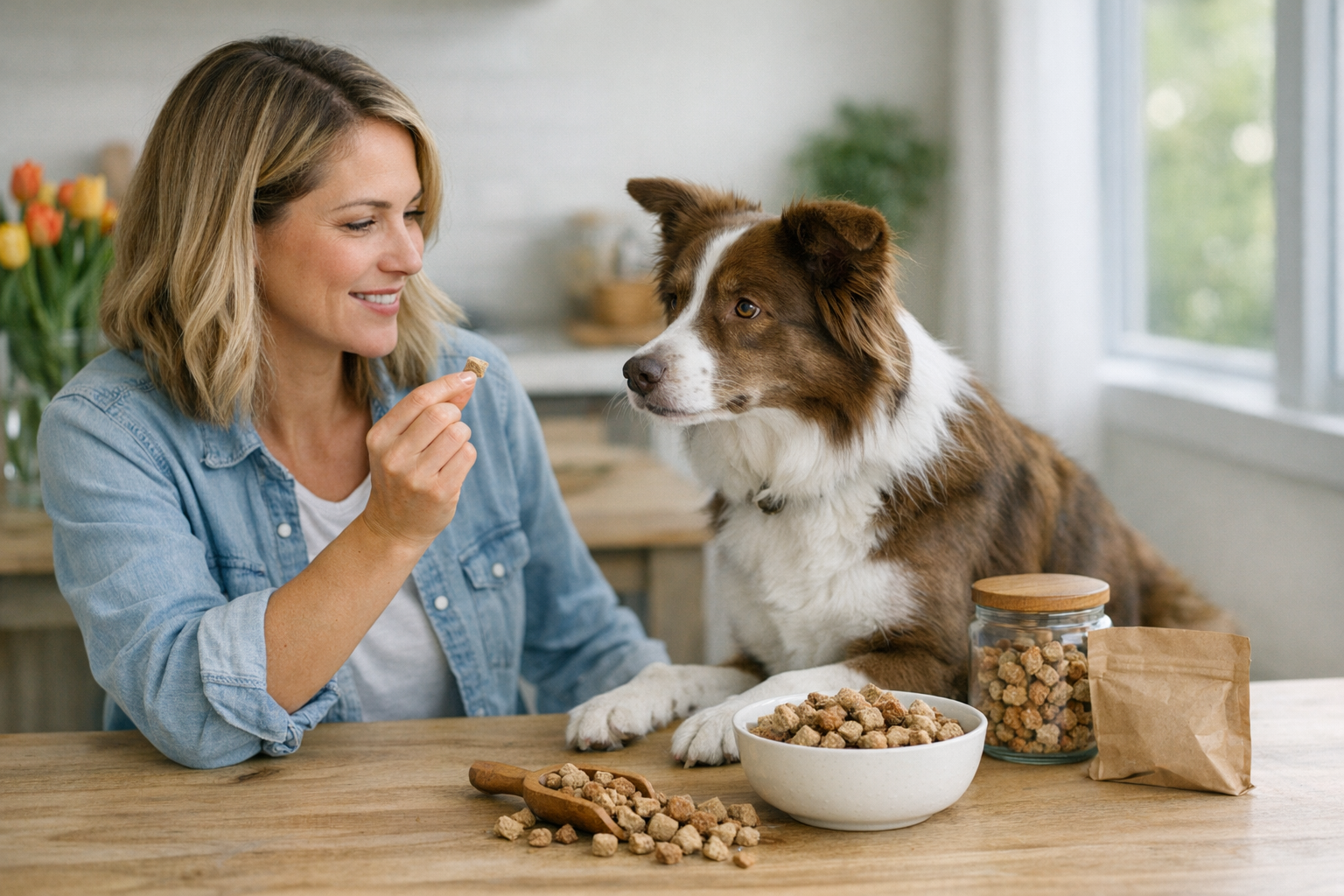
You might be standing in the pet food aisle or browsing our website when you notice those lightweight, premium pouches of freeze dried nuggets. Perhaps your dog has become a picky eater lately. Or maybe you are looking for a way to give them the benefits of a raw diet without the mess of a traditional raw freezer. Many pet owners wonder if these high protein options are actually better than standard kibble or if they are just a passing trend.
At BaxterBoo, we have spent years helping pet parents navigate the evolving world of canine nutrition. This guide explains exactly what freeze dried food is and how it impacts your dog's health. We will look at the nutritional benefits, the safety considerations, and the practical ways you can add it to your routine. If you want to compare it with other options, our freeze-dried food collection and our dog food category are good places to start. Our goal is to give you the clear information you need to decide if this format is the right choice for your household.
What Exactly Is Freeze Dried Dog Food?
Freeze dried dog food is a form of minimally processed nutrition that starts with raw ingredients. Unlike traditional kibble, which is cooked at high temperatures through a process called extrusion, freeze dried food is never exposed to high heat. This means the proteins, vitamins, and enzymes remain in a state that closely mirrors what a dog would eat in a natural setting.
The process itself is quite technical but results in a very simple product. First, the raw ingredients are frozen to a very low temperature. Then, they are placed in a vacuum chamber. This chamber allows a process called sublimation to occur. Sublimation turns the ice within the food directly into vapor without it ever becoming liquid water.
By removing nearly all the moisture, the food becomes shelf stable and lightweight. It retains its original shape, color, and aroma. Most importantly, it keeps the nutritional density of the raw meat and produce used to make it. This results in a product that provides the benefits of raw feeding with the convenience of a dry bag.
Quick Answer: Freeze dried dog food is a nutrient dense, shelf stable raw diet. It is excellent for dogs because it preserves natural enzymes and vitamins that high heat cooking often destroys.
How It Differs From Dehydrated Food
It is common to confuse freeze dried food with dehydrated food. While both remove moisture to preserve the product, the methods are different. Dehydration uses low heat and warm air to evaporate moisture over several hours. This gentle heat can still cause some minor changes to the cellular structure of the ingredients.
Freeze drying skips the heat entirely. Because the food is frozen and then vacuum dried, the cell structure of the meat and vegetables remains intact. This often makes freeze dried food easier to rehydrate. It also ensures that heat sensitive nutrients, like certain B vitamins and probiotics, stay active and effective for your dog.
The Primary Benefits for Canine Health
Most pet owners consider freeze dried food because they want to improve their dog's vitality. The lack of heavy processing means the food is packed with bioavailable nutrients. Your dog's body can easily recognize and absorb these ingredients. This often leads to visible changes in their appearance and energy levels.
Superior Nutrient Retention
High heat can denature proteins and destroy delicate vitamins. When manufacturers make standard kibble, they often have to add synthetic vitamin packs back into the recipe to meet nutritional standards. Since freeze drying preserves the natural vitamins found in the raw ingredients, your dog gets more of their nutrition from whole food sources.
This natural nutrient profile supports a strong immune system. It also provides the building blocks for healthy muscles and joints. If you are looking for a diet that maximizes every calorie, this format is hard to beat.
High Digestibility and Gut Health
Many dogs struggle with the fillers, starches, and heavy processing found in lower quality dry foods. This can lead to gas, bloating, or inconsistent stools. Freeze dried diets are typically very low in starch and high in quality animal protein.
Because the ingredients are minimally processed, the digestive system does not have to work as hard to break them down. Most owners notice that dogs on a freeze dried diet have smaller, firmer stools. This is a clear sign that the dog is absorbing more of the nutrients and producing less waste.
Key Takeaway: The minimal processing of freeze dried food preserves natural nutrients and enzymes. This leads to better absorption, smaller stools, and improved energy for most dogs.
Improved Palatability for Picky Eaters
If your dog turns their nose up at dinner, freeze dried food might be the solution. The process locks in the natural scent and flavor of real meat. Even the pickiest dogs often find the aroma of freeze dried beef, chicken, or lamb irresistible.
If you are dealing with a finicky eater, our guide to getting your dog to eat dry dog food can help you build a better mealtime routine. You can also use these nuggets as a full meal or crumble them over their existing food. The intense flavor profile makes it a highly effective tool for encouraging older dogs or sick dogs to maintain their calorie intake.
Safety and Handling Considerations
Safety is a common concern when talking about raw based diets. Because the meat is not cooked, there is a risk of pathogens like Salmonella or E. coli. However, reputable brands take significant steps to manage these risks before the food ever reaches our warehouse.
The Role of High Pressure Pasteurization (HPP)
Many of the brands we carry at BaxterBoo, such as Stella & Chewy's or Open Farm, use a process called High Pressure Pasteurization. HPP uses extreme pressure to neutralize harmful bacteria without using heat. This keeps the food raw and nutrient dense while ensuring it is safe for your dog and your family to handle.
It is still important to practice good hygiene. You should wash your hands, bowls, and surfaces after preparing a meal. Even though the risk is significantly lower than with fresh raw meat, basic safety keeps everyone in the house healthy.
Shelf Stability and Storage
One of the best parts of freeze dried food is that it does not require a freezer. You can store it in your pantry just like kibble. As long as the bag is sealed and kept in a cool, dry place, it can last for a long time. This makes it a perfect option for traveling, camping, or boarding your dog.
For more storage guidance, our post on how long dry dog food lasts is a useful follow-up read.
Checklist for Safe Feeding
- Wash your hands before and after handling the food.
- Clean your dog's bowl thoroughly after every meal.
- Keep the bag tightly sealed to prevent moisture from getting in.
- If you rehydrate the food, discard any leftovers after 30 minutes.
Vet Tip: If your dog has a compromised immune system or is undergoing certain medical treatments, talk to your veterinarian before starting a raw based diet. Our pharmacy for dogs carries a range of prescription diets through our partnership with Pet's Choice that may be better suited for specific medical conditions.
Weight Management and Metabolic Health
Obesity is a major health concern for dogs in the United States. Many commercial dry foods rely on high amounts of carbohydrates and starches to create the kibble shape. These extra sugars can lead to weight gain and insulin resistance over time.
Freeze dried food is naturally low in carbohydrates. It focuses on high protein and healthy fats. This macronutrient profile helps dogs feel full and satisfied while maintaining a lean body mass.
The Glycemic Index Factor
Because freeze dried diets lack the heavy starch of kibble, they have a lower glycemic index. This means they do not cause the same spikes in blood sugar. Stable blood sugar leads to more consistent energy levels throughout the day. It also helps prevent the "hunger crashes" that can lead to begging or overeating.
If you are working on a weight loss plan with your vet, incorporating freeze dried food can be a helpful strategy. It allows you to provide high quality nutrition in smaller, more satisfying portions.
Managing the Cost of Premium Nutrition
There is no denying that freeze dried dog food is more expensive than kibble. The technology required to freeze dry food on a large scale is costly and time consuming. However, many owners find that the long term health benefits can offset the initial price tag.
The Value of Quality
When you feed a nutrient dense diet, you can often feed smaller portions than you would with a filler heavy kibble. Additionally, supporting your dog's health with better food may lead to fewer vet visits for skin issues, allergies, or digestive upsets.
We carry several brands that offer different price points, including:
- Stella and Chewy's
- Open Farm
- NutriSource
- Vital Essentials
- The Honest Kitchen
If you are shopping for value, our discounted dog food article is a smart next step for stretching your budget.
Using Freeze Dried Food as a Topper
You do not have to feed a 100% freeze dried diet to see results. Many pet parents choose to use these products as a "bowl booster" or topper. By adding a small amount of freeze dried nuggets to high quality kibble, you provide a boost of raw nutrition and flavor without the full expense of a total diet change.
This hybrid approach is a great way to introduce the benefits of raw feeding while staying within a budget. Even a 25% inclusion rate can make a difference in your dog's coat quality and energy levels.
Bottom line: While more expensive than kibble, freeze dried food offers superior nutrition that can be managed by using it as a meal topper or mixer.
Support for Senior Dogs and Aging Pets
Senior dogs often face unique challenges, including decreased appetite and dental sensitivity. Freeze dried food is an excellent option for aging pets because it is easy to customize.
Gentle on Aging Teeth
Many senior dogs have lost teeth or suffer from gum sensitivity that makes chewing hard kibble painful. When you add warm water to freeze dried nuggets, they soften into a texture that is easy to eat. It creates a savory "stew" that is much more appealing and comfortable for an older dog to consume.
Joint and Cognitive Support
Healthy fats and intact proteins are essential for maintaining brain health and joint mobility in senior pets. Freeze dried foods often include organ meats, which are natural sources of glucosamine, chondroitin, and essential fatty acids. These nutrients support the structural integrity of joints and may help with age related cognitive decline.
If your senior dog has chronic health needs, we suggest consulting with a professional. Our pet pharmacy offers a variety of FDA approved medications and prescription diets for chronic conditions through our Pet's Choice partnership. This allows you to manage specific health concerns while still focusing on high quality nutrition.
How to Transition Your Dog to Freeze Dried Food
A sudden change in diet can lead to stomach upset, regardless of how healthy the new food is. It is important to move slowly to allow your dog's digestive enzymes and gut bacteria to adjust.
The 10-Day Transition Rule
We recommend a gradual transition over at least 7 to 10 days. This gives the digestive system time to adapt to the higher protein levels and the raw format.
Step 1: Mix 25% new food with 75% old food. / Maintain this ratio for the first three days while watching for any changes in stool or energy. Step 2: Shift to a 50/50 mix. / If your dog is doing well, stay at this ratio for days four through six. Step 3: Increase to 75% freeze dried food. / Do this for days seven through nine. Step 4: Complete the switch. / By day ten, your dog should be ready for a full bowl of the new diet.
To Rehydrate or Not?
You can feed freeze dried food dry, but we generally recommend adding water. Rehydrating the food helps with digestion and ensures your dog stays hydrated. This is especially important for dogs who do not drink much water on their own.
Most brands suggest a 1:1 ratio of water to food. Use warm (not boiling) water and let it sit for a few minutes until the nuggets have absorbed the liquid. This also enhances the natural aroma, making the meal even more tempting.
Environmental and Convenience Benefits
Beyond nutrition, there are practical reasons why this format is growing in popularity. For many busy families, it offers a middle ground between the "fast food" of kibble and the "home cooked" effort of fresh raw diets.
Perfect for Active Lifestyles
If you take your dog on hikes or road trips, carrying heavy bags of kibble or keeping raw meat cold is a challenge. Freeze dried food is incredibly light. A bag that weighs only 14 ounces can often provide several days of meals once rehydrated. It takes up very little space in a backpack or suitcase.
Minimal Waste and Fillers
Because these foods are so concentrated, you are not paying for water or cheap fillers. Every bite is designed to provide functional nutrition. This means less packaging waste over time and a more efficient way to deliver calories to your dog.
Our Autoship programme is a great way to ensure you never run out of your dog's favorite recipes. You can save on your first order and earn a free MVP Gold membership, which gives you more rewards on every purchase. If you want to learn more about our loyalty perks, the MVP Rewards programme is worth a look.
Is It Right for Your Dog?
Every dog is an individual. While freeze dried food is generally excellent for healthy dogs, those with specific medical histories may need a different approach. Dogs with advanced kidney disease, for example, may require restricted protein levels that a raw based diet cannot provide.
Always monitor your dog's response to a new food. Look for a shiny coat, clear eyes, and steady energy. If you notice persistent diarrhea or lethargy, stop the transition and consult your veterinarian. They can help determine if a different protein source or a prescription diet from our pharmacy is a better fit.
Key Takeaway: Freeze dried food provides high quality, bioavailable nutrition in a convenient format. It is a powerful tool for improving canine health when handled safely and introduced gradually.
FAQ
Do I have to add water to freeze dried dog food?
While you can feed it dry as a treat or a quick meal, adding water is usually better. Rehydrating the food helps with digestion and ensures your dog gets enough moisture in their diet. It also makes the food more aromatic and palatable for picky eaters.
Is freeze dried dog food safer than fresh raw food?
Many freeze dried brands use High Pressure Pasteurization to kill harmful bacteria, which adds a layer of safety that fresh raw meat may lack. However, it is still a raw product, so you must follow basic food safety and hygiene rules. Always wash your hands and your dog's bowls after every feeding.
Can I feed freeze dried food to my puppy?
Yes, as long as the specific product is labeled as "complete and balanced" for all life stages or specifically for puppies. Puppies have very precise requirements for calcium and phosphorus to support bone growth. Ensure the bag mentions AAFCO standards for growth and development before starting.
How long does a bag of freeze dried food stay fresh?
Unopened bags can last for a year or more when stored in a cool, dry place. Once opened, most manufacturers recommend using the food within 30 to 60 days for maximum freshness. Keep the bag tightly sealed to prevent the food from absorbing moisture from the air.






