Save 15% on your 1st Autoship learn more

 Email us
 Live Chat
 FAQs
FAQs





Introduction
You just finished a long walk, but your dog is still pacing the living room with a toy in their mouth. It is a rainy afternoon, and those high-energy zoomies are starting to take over your quiet time. This is the exact moment many pet owners start looking for ways to burn off mental energy. At BaxterBoo, we know that physical exercise is only half of the equation for a happy pet. In this post, we explain what a snuffle mat is and how it uses a dog's natural instincts to provide deep mental enrichment. We will cover how to use them safely, why they help with common behavior issues, and how to choose the right one for your home. Using these mats can turn a standard meal into a rewarding brain game that leaves your dog calm and satisfied.
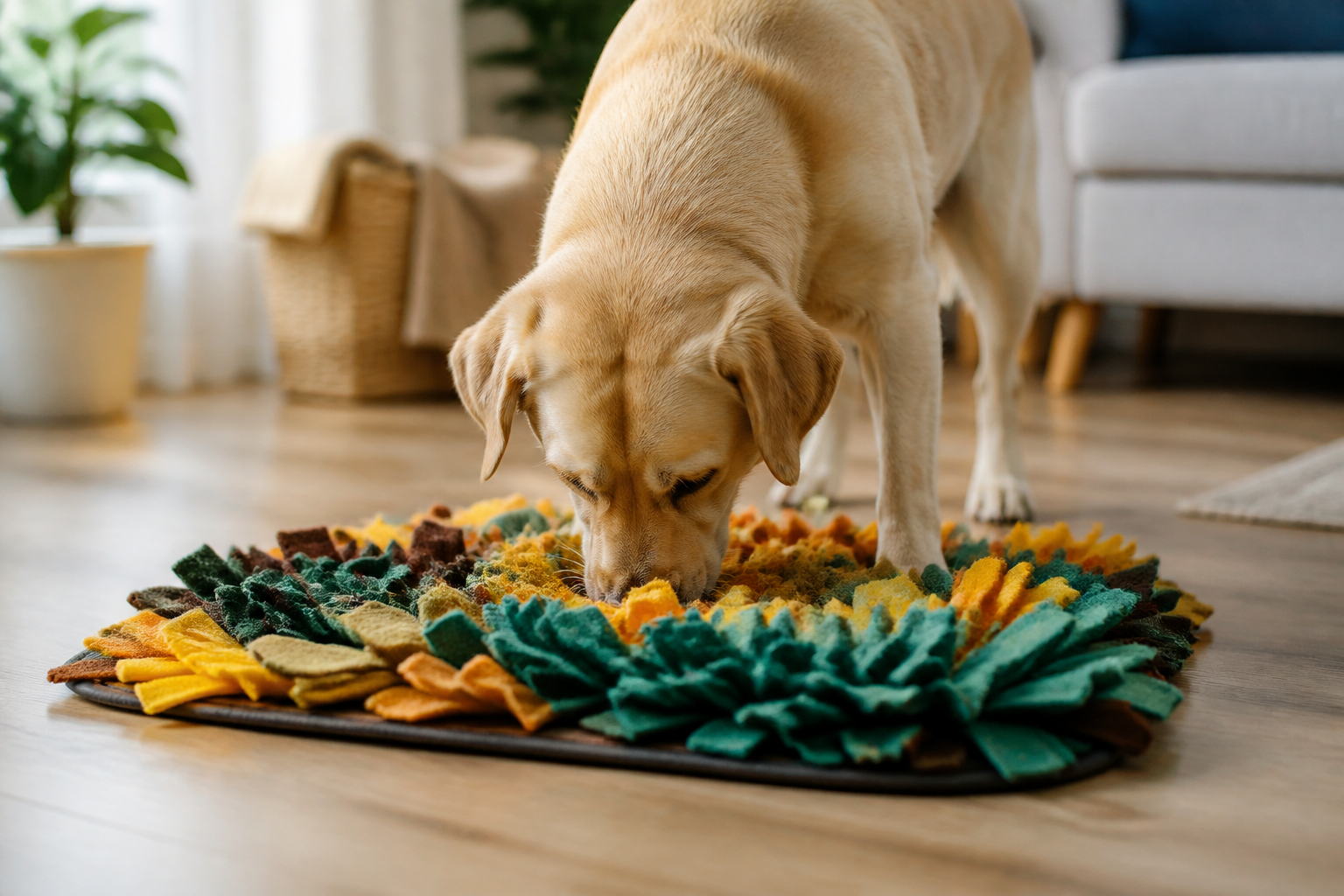
Quick Answer: A snuffle mat is an enrichment toy made of fabric strips tied to a sturdy base. It mimics the experience of foraging in long grass, requiring your dog to use their nose to find hidden treats or kibble.
The Basic Design of a Snuffle Mat
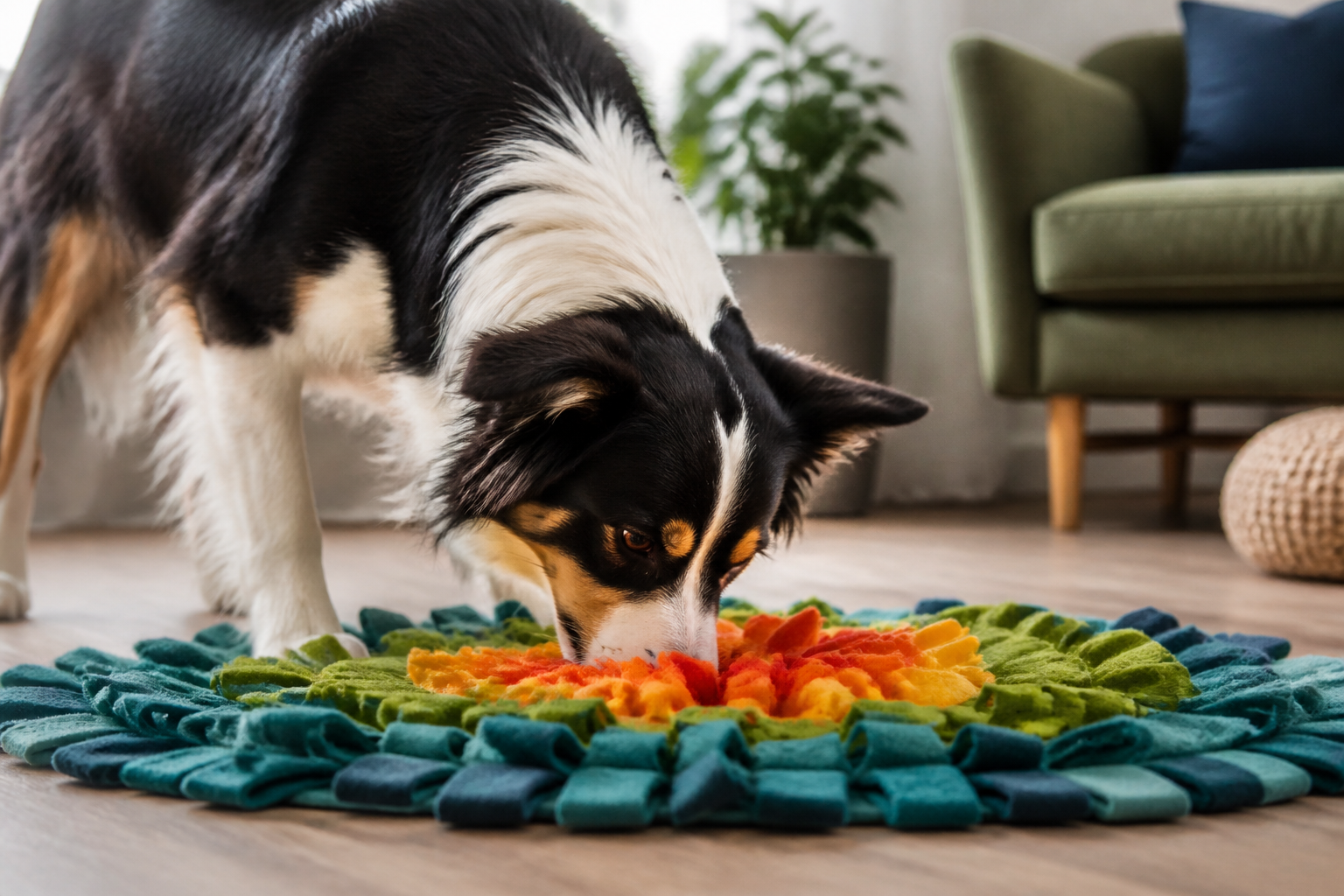
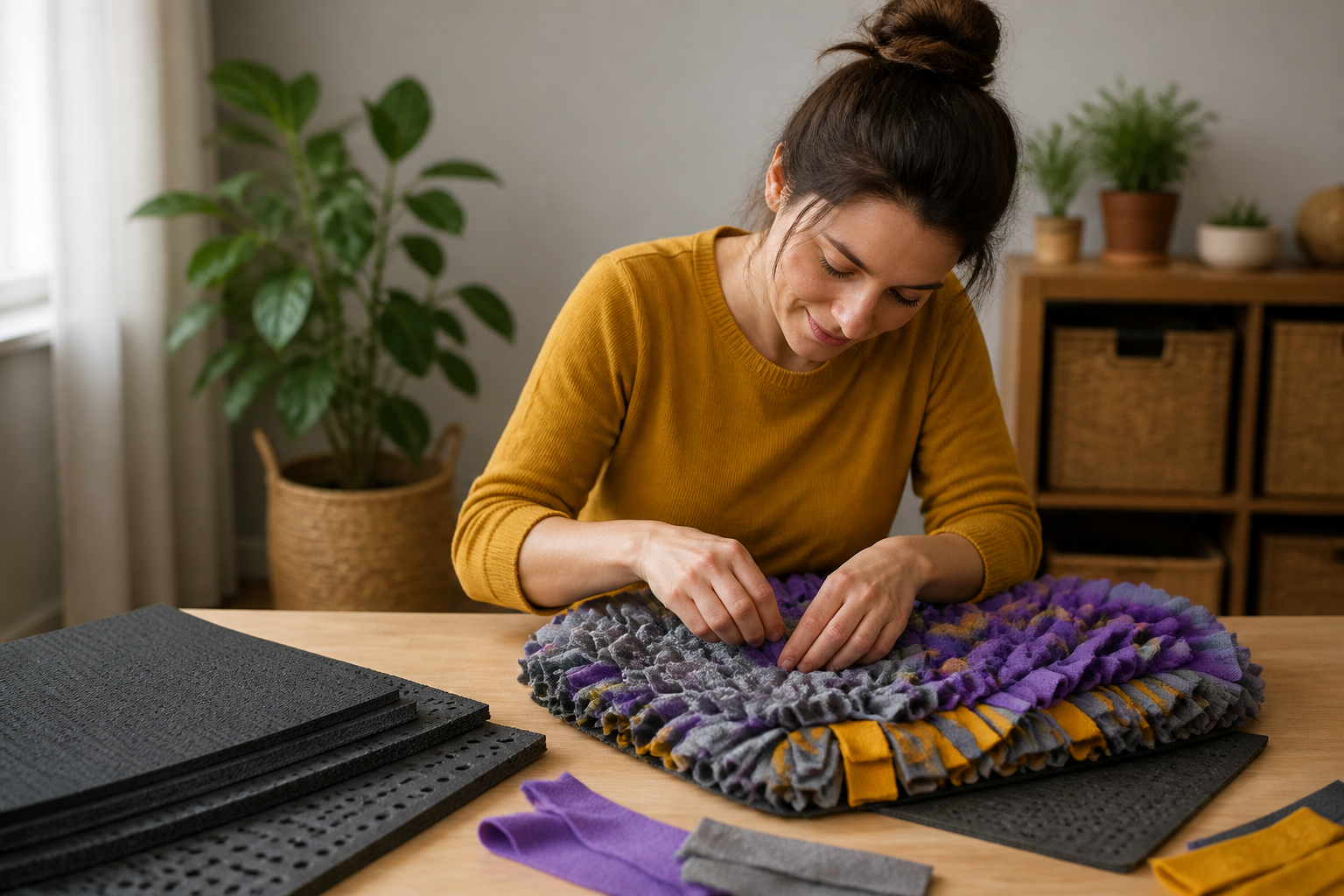
A snuffle mat looks like a shaggy rug made of colorful fabric. Most are constructed using strips of felt or fleece. These strips are woven or tied through a heavy backing. This backing is usually made of rubber or a thick fabric to keep the mat from sliding across your floor. The result is a dense forest of fabric folds and pockets.
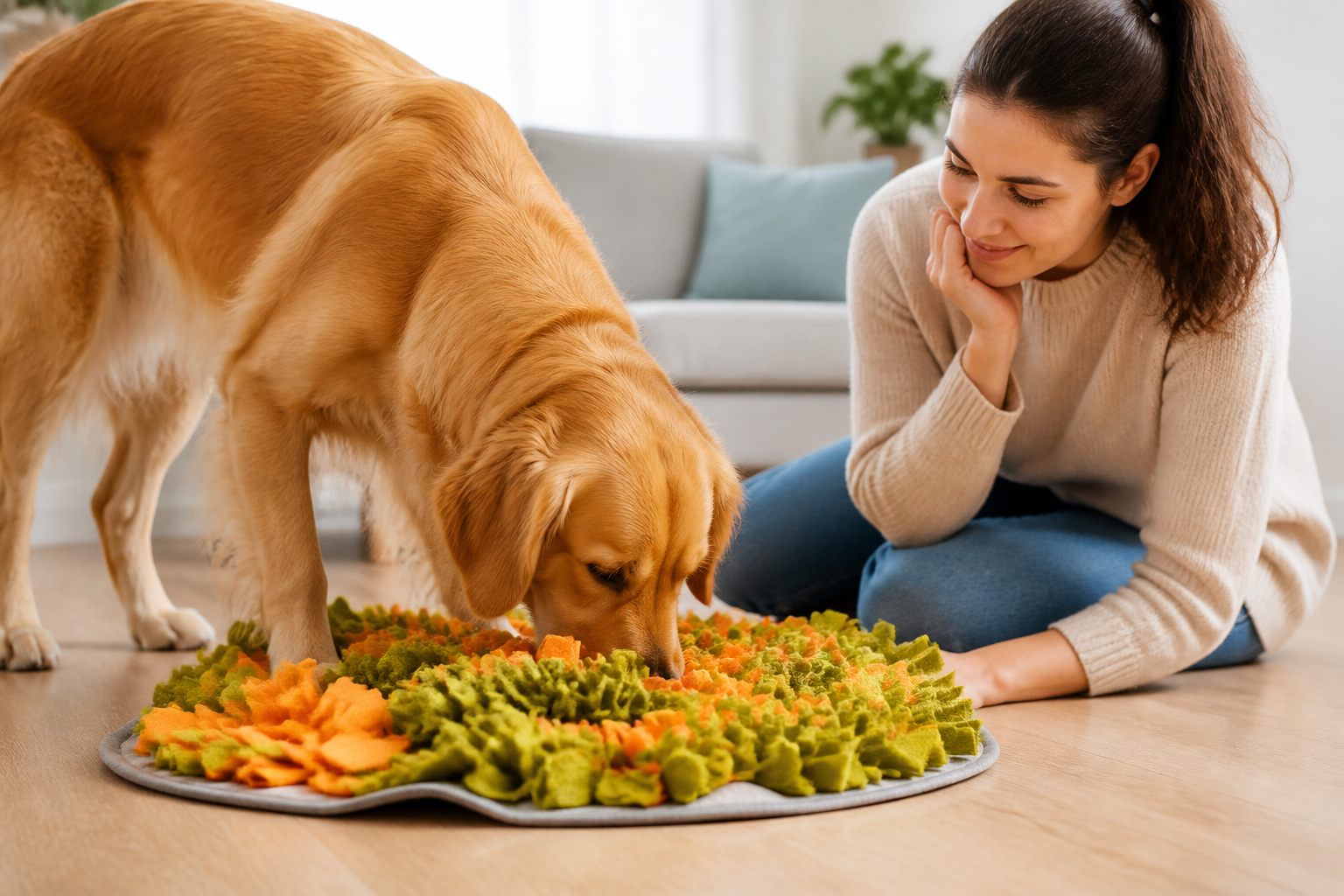
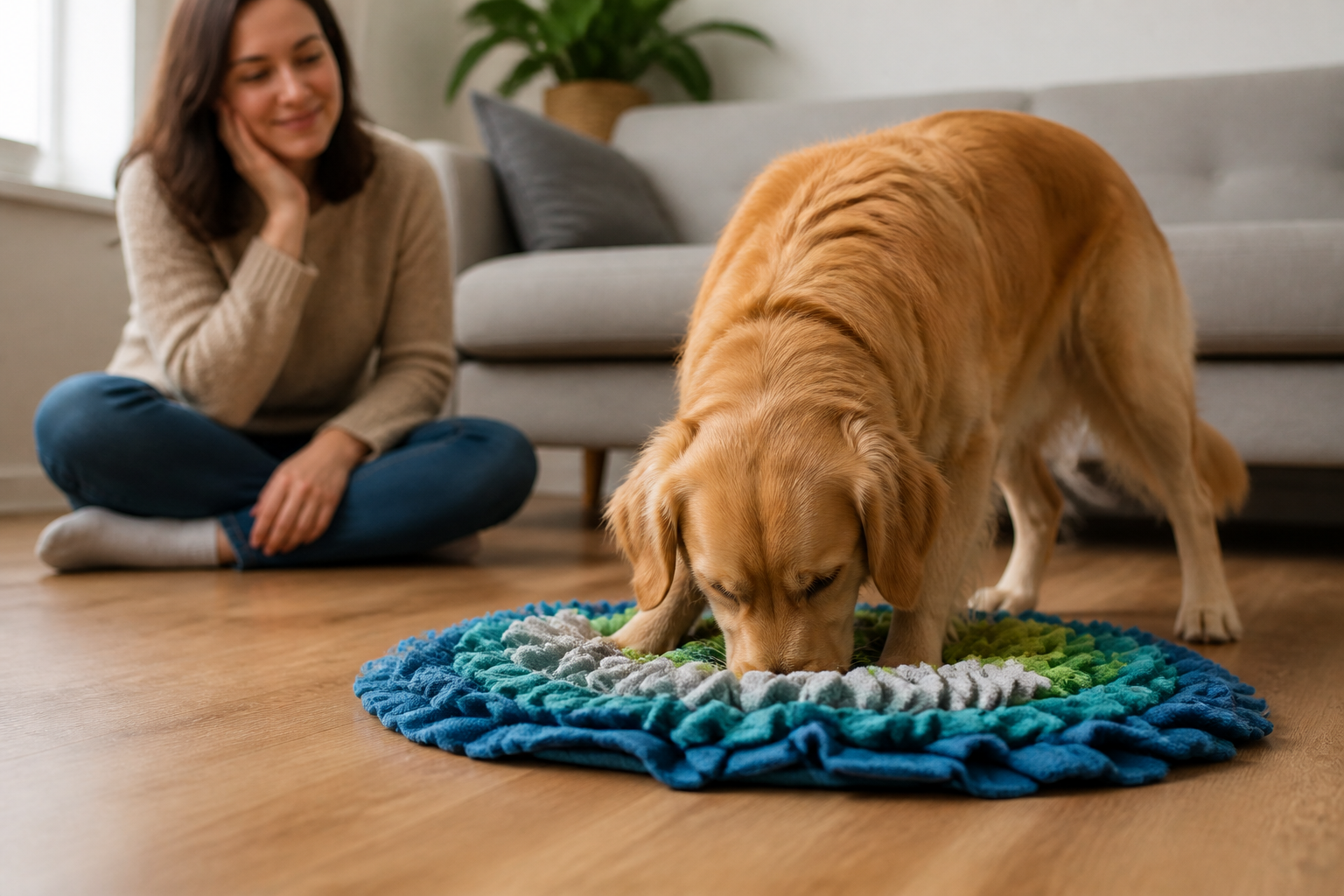
The primary goal of the design is to hide food from view. When you sprinkle kibble or treats over the top, the pieces fall deep into the fabric. Your dog cannot see the food. They must use their sense of smell to locate each individual morsel. This process is called nose work or foraging.
Why Fleece and Felt are Used
Most manufacturers choose fleece because it is soft on a dog's nose. Dogs spend a lot of time pushing their snouts into the mat. Rougher fabrics could cause friction burns or irritation. Fleece is also durable enough to withstand some tugging. It is generally machine washable, which is a major plus when you are dealing with food crumbs and drool.
Different Shapes and Sizes
You will find these mats in many forms. Some are basic squares or rectangles. Others are shaped like flowers, patches of grass, or even interactive puzzles with extra pockets. Some designs come with drawstrings. This allows you to pull the edges up to create a bowl shape, which adds a new layer of difficulty for your pet.
Key Takeaway: The design of a snuffle mat focuses on hiding food to encourage foraging behavior. High-quality materials like fleece ensure the activity is safe for sensitive noses and easy for owners to clean.
The Science of Sniffing
To understand why these mats are so effective, you have to look at how a dog's brain works. A dog's sense of smell is their primary way of navigating the world. They have up to 300 million olfactory receptors in their noses. For comparison, humans have about six million.
The part of a dog's brain that analyzes smells is 40 times larger than the same part in a human brain. When a dog sniffs, they are not just taking in air. They are gathering massive amounts of data. This high-level processing requires a lot of mental energy.
Mental Fatigue vs Physical Fatigue
Ten minutes of intense sniffing can be just as tiring for a dog as a long walk. This is why a snuffle mat is such a powerful tool. It provides a way to exhaust a dog mentally when physical exercise is not possible. For working breeds like Shepherds or Collies, having a "job" to do with their nose satisfies a deep biological need.
The Calming Effect of Foraging
Sniffing has been shown to lower a dog's pulse rate. It is a self-soothing behavior. When your dog is focused on the mat, they are entering a state of flow. This focused calm is excellent for dogs that struggle with anxiety or over-excitement. It redirects their energy from pacing or barking toward a productive and rewarding task.
For more ideas that encourage natural foraging and problem-solving, explore this guide to indoor enrichment ideas for pets.
Solving Common Feeding Problems
One of the most practical uses for a snuffle mat is as a slow feeder. Many dogs inhale their food in seconds. This habit can lead to several health issues.
- Regurgitation immediately after eating.
- Excessive gas and bloating.
- Increased risk of Choking.
- Poor digestion of nutrients.
By spreading a dog's dinner across a snuffle mat, you force them to work for every piece of kibble. A meal that usually takes 30 seconds can suddenly take ten or fifteen minutes. This gives their stomach time to tell their brain they are full.
Weight Management Support
If your dog is on a weight management plan, a snuffle mat can help them feel more satisfied with smaller portions. We carry a wide range of specialized foods through our pharmacy partnership with Pet's Choice. If your veterinarian has prescribed a specific diet for weight control, using a mat can make that portion last longer. This reduces the begging behavior that often follows a small meal.
Browse our dog food selection when choosing dry food for enrichment activities.
Vet Tip: If your dog is a rapid eater, slowing them down is vital for preventing digestive distress. If your dog frequently vomits after meals or shows signs of extreme abdominal discomfort, consult your veterinarian to rule out underlying health conditions before starting a new feeding routine.
Using Snuffle Mats for Anxiety and Stress
Many pets experience stress during specific events like thunderstorms, fireworks, or when guests arrive. A snuffle mat provides a constructive distraction. By giving your dog a high-value task, you help them ignore the external triggers that cause fear.
Separation Anxiety
For dogs with mild separation anxiety, a snuffle mat can be part of a departure routine. Giving your dog the mat just before you leave creates a positive association with your exit. They become focused on the reward of the food rather than the stress of being alone. However, this should only be done if you have monitored your dog and know they will not try to eat the fabric while you are gone.
Calmness During Grooming
If your dog dislikes being brushed or having their nails trimmed, a mat can keep them occupied. While they are busy searching for treats, you can work on their coat or paws. This creates a "win-win" situation where the dog is rewarded for staying still and focused.
For additional strategies involving puzzles, slow feeding, and interactive play, read this guide to dog boredom busters.
How to Introduce the Mat to Your Dog
Most dogs figure out a snuffle mat quickly. However, some dogs might get frustrated or try to take a shortcut by shaking the mat. It is important to guide them through the first few sessions.
Step 1: Start with easy wins.
Sprinkle a few high-value treats right on top of the fabric. Do not hide them deep yet. You want your dog to understand immediately that the mat contains something good.
Step 2: Use a "find it" cue.
When you place the mat down, use a consistent verbal command. This helps your dog understand that it is time to work.
Step 3: Increase the difficulty.
Once your dog is successfully sniffing the surface, start tucking the treats under the first layer of strips. Eventually, you can bury them at the very bottom of the backing.
Step 4: Monitor the behavior.
If your dog starts to bite or pull on the fabric strips, gently interrupt them. You want to encourage sniffing, not chewing. If they try to pick the mat up and shake it, place your hand on the mat to keep it still.
Bottom line: Proper introduction ensures your dog views the mat as a puzzle to solve with their nose rather than a toy to destroy with their teeth.
Maintenance and Cleaning Tips
Because these mats hold food, they can become a breeding ground for bacteria if not cleaned regularly. Saliva, crumbs, and oils from treats will build up in the fibers over time.
Choosing Washable Materials
When shopping at BaxterBoo or other retailers, always check the cleaning instructions. Most high-quality mats are machine washable. It is best to wash them on a gentle cycle with cold water. Avoid using harsh detergents with strong scents, as these can be overwhelming for a dog's sensitive nose.
Drying the Mat
Air drying is usually the safest option to prevent the rubber backing from warping. If you must use a dryer, use the lowest heat setting possible. Make sure the mat is completely dry before you use it again. Damp fabric can develop mold or mildew, which is dangerous for your pet to inhale.
Hygiene Checklist
- Shake out the mat after every use to remove loose crumbs.
- Inspect the strips for any signs of tearing or loose threads.
- Wash the mat at least once a week if used for daily meals.
- Spot clean any areas with heavy drool immediately.
You can also compare enrichment options in our dog toys collection.
Safety Considerations for Heavy Chewers
While snuffle mats are generally safe, they are not indestructible. They are made of fabric, which can be a choking hazard or cause an intestinal blockage if swallowed.
Supervision is Mandatory
You should never leave your dog alone with a snuffle mat, especially during the first several weeks of use. Once the food is gone, many dogs will transition from sniffing to chewing. As soon as your dog finishes their search, pick the mat up and store it out of reach.
Signs the Mat is Not Right for Your Dog
Some dogs are simply too destructive for fabric puzzles. If your dog immediately tries to rip the strips off rather than sniffing, a rubber puzzle toy might be a better choice. We offer a variety of durable toys from brands like Kong that can also be used for slow feeding without the risk of fabric ingestion.
A currently available option is the Zanies Sniffari Snuffle Mat Dog Toy - Owl, which includes hiding areas for treats and is designed to encourage sniffing.
Vet Tip: If you suspect your dog has swallowed fabric from a toy or mat, watch for signs of lethargy, vomiting, or changes in bowel movements. Intestinal blockages are serious medical emergencies that require immediate veterinary attention.
Snuffle Mats for Senior Dogs
As dogs age, their physical abilities often decline. They may struggle with long walks due to joint stiffness or arthritis. However, their minds still need activity to stay sharp.
Cognitive Support
Cognitive decline in senior dogs is a real concern. Providing regular mental challenges can help keep their brains engaged. A snuffle mat allows a senior dog to "hunt" for their food while standing still or even lying down. It is a low-impact activity that provides high-level satisfaction.
Joint-Friendly Enrichment
Because the mat stays in one place, there is no risk of the dog slipping or overexerting themselves. It is the perfect solution for a dog recovering from surgery or one with limited mobility. At BaxterBoo, we often recommend these for owners managing senior pet care because they support wellness without physical strain.
Using Supplements with the Routine
If your senior dog is using the mat for their daily meals, it is also a great time to ensure they are getting their supplements. You can easily hide small tablet supplements or mix powder into the kibble you hide in the mat. We carry many joint support options, such as Cosequin, which can be integrated into their daily routine.
See our selection of Cosequin products when considering joint-support supplements for your pet's routine.
Choosing the Right Treats for Snuffling
The success of a snuffle mat session depends heavily on the rewards you use. You want treats that are enticing but healthy.
Dry vs. Wet Food
Only use dry treats or kibble in a snuffle mat. Wet food or sticky treats will create a mess that is nearly impossible to clean out of the fabric strips. If you want to use wet food or peanut butter, a lick mat or a rubber toy is a much better choice.
Small and Smelly
Small, pea-sized treats are best. They fall deeper into the folds and take longer to find. Strong-smelling treats like freeze-dried liver or salmon are excellent for getting a dog excited about the game. Brands like Stella and Chewy’s or Vital Essentials offer high-quality freeze-dried options that work perfectly.
Calorie Management
It is easy to overfeed your dog when using enrichment toys. If you are using treats for a snuffle mat session, remember to subtract those calories from their main meals. Using their regular kibble for the mat is the easiest way to avoid weight gain.
Comparing Snuffle Mats to Other Puzzles
You might wonder if a snuffle mat is better than a plastic puzzle or a treat-dispensing ball. Each has its place in a pet's life.
| Feature | Snuffle Mat | Plastic Puzzle | Treat Ball |
|---|---|---|---|
| Skill Used | Scent/Foraging | Logic/Paws/Mouth | Movement/Chasing |
| Impact Level | Very Low | Low | Medium |
| Noise Level | Silent | Can be noisy | Often loud on floors |
| Difficulty | Adjustable | Fixed by level | Varies with size |
| Best For | Anxiety/Slow Eating | Logic-driven dogs | High-energy dogs |
A snuffle mat is unique because it is silent and low-impact. It does not bang against baseboards or slide loudly across hardwood floors. This makes it a great choice for apartment living or for dogs that are easily startled by loud noises.
Creative Ways to Use Your Mat
Once your dog is a pro at snuffling, you can find new ways to use the tool. It does not have to be limited to dinner time in the kitchen.
- The "Rainy Day" Game: Hide the mat in a different room and have your dog find the mat before they can start snuffling.
- The Layered Search: Place different types of treats at different depths. Put kibble on top and a few high-value treats at the bottom to keep them motivated until the end.
- Travel Comfort: Bring the mat along on car trips or to hotel stays. The familiar scent and the calming activity can help your dog settle into a new environment.
- The Post-Vet Reward: After a stressful visit to the clinic, a few minutes with the mat at home can help your dog decompress.
Quality Standards at BaxterBoo
When we select products for our warehouse in Vernon Hills, we look for items that solve real problems for pet owners. We have been operating since 2006, and we know that durability and safety are the top priorities. A snuffle mat should be more than just fabric. It should be a tool that stands up to regular use and frequent washing.
Our team handpicks brands that use non-toxic materials. We understand that your dog’s nose and mouth are in direct contact with these products. Whether you are shopping for a puppy who needs to learn focus or a senior dog who needs cognitive support, our selection is curated by people who truly care about animal wellness.
Conclusion
A snuffle mat is a simple but highly effective tool for any dog owner. It addresses the biological need for foraging while solving practical problems like speed eating and boredom. By engaging a dog’s powerful sense of smell, you provide a level of mental exhaustion that physical exercise alone cannot achieve. It is a quiet, low-impact way to improve your pet's quality of life.
- Encourages natural foraging instincts.
- Slows down fast eaters to improve digestion.
- Provides mental stimulation for senior dogs.
- Helps calm anxious or high-energy pets.
To get started with mental enrichment, explore our collection of dog toys. You can also sign up for our Autoship programme to ensure you never run out of the healthy treats or kibble needed for your dog's new snuffle routine.
FAQ
Can cats use snuffle mats?
Yes, cats can benefit from snuffle mats just as much as dogs. While cats are often more sight-oriented hunters, they still have a keen sense of smell and enjoy foraging for dry kibble or treats. It is an excellent way to provide indoor enrichment for active cats and to slow down those who eat too quickly.
How often should I wash my snuffle mat?
If you are using the mat daily for meals, you should wash it at least once a week. If you only use it occasionally for dry treats, you can wash it every two to three weeks. Always shake it out after every use to prevent the buildup of crumbs and debris that could attract pests or mold.
My dog just tries to chew the mat, what should I do?
If your dog is a heavy chewer, you must supervise them closely. Start by putting very high-value treats on the mat so they stay focused on the food. If they start to chew the fabric, remove the mat immediately and give them an appropriate chew toy. Try again later when they are calmer, and always pick the mat up as soon as the food is gone.
Can I put wet food or peanut butter in a snuffle mat?
No, you should avoid putting any wet or sticky food in a fabric snuffle mat. The moisture will soak into the fleece and backing, making it very difficult to clean and potentially leading to bacteria growth. For wet food, a silicone lick mat or a rubber treat stuffer is a much safer and more hygienic option.