
 Save 15% on your 1st Autoship learn more

 Email us
 Live Chat
 FAQs
FAQs





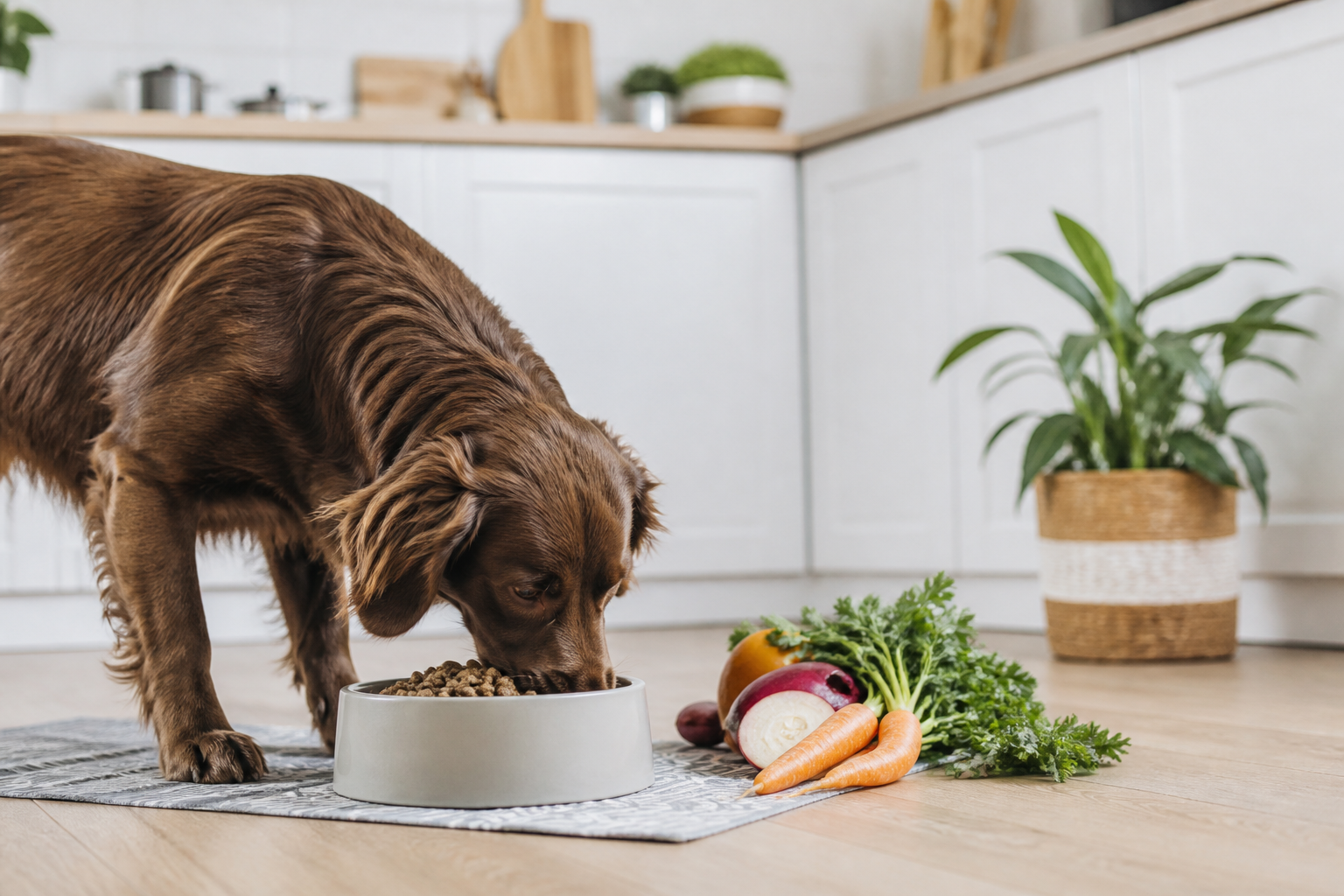
Introduction
If your dog spends the evening frantically licking their paws or scratching at red, irritated ears, you know how heartbreaking it is to watch. You want to help, but the world of pet nutrition feels overwhelming when you are trying to pin down a hidden trigger. Many owners assume grains are the problem, but the truth is often found in the protein source. At BaxterBoo, we have spent years helping neighbors in Vernon Hills and across the country navigate these exact frustrations. This guide covers how to identify the best dry dog food for allergies by looking at limited ingredients, novel proteins, and specialized formulas. Finding relief starts with understanding what is actually in the bowl and how it interacts with your dog's immune system.
Understanding Dog Allergies vs. Intolerances
It is important to distinguish between a true food allergy and a food intolerance. While they look similar to the average pet owner, they happen for different reasons. A food allergy is an immune system overreaction. Your dog's body identifies a specific protein as a foreign invader and attacks it. This usually results in skin issues like hives, redness, or chronic ear infections.
A food intolerance is more like a sensitive stomach. It does not involve the immune system but rather a difficulty digesting a specific ingredient. This often leads to gas, bloating, or loose stools. Both issues can be managed with the right dry food, but knowing the difference helps you and your veterinarian create a better plan.
Quick Answer: The best dry dog food for allergies is typically a limited ingredient diet or a novel protein formula that avoids common triggers like chicken or beef. For severe cases, a veterinarian may recommend a hydrolyzed protein diet available through a pharmacy.
Why Proteins Are Usually the Culprit
Many pet owners are surprised to learn that grains are rarely the primary cause of food allergies. In most cases, the culprit is a protein your dog has eaten frequently for a long time. Chicken, beef, dairy, and egg are the most common offenders simply because they are used in so many standard dog foods.
When a dog eats the same protein every day for years, their immune system may eventually decide that protein is a threat. This is why rotating proteins or choosing a diet with a single, clear protein source is so effective. When you look at a bag of kibble, you want to see a specific meat listed first, like "Deboned Lamb" or "Salmon," rather than vague terms like "meat meal" or "animal fat."
Vet Tip: If your dog has persistent skin infections or gastrointestinal distress, consult your veterinarian for a formal diagnosis. They can help rule out environmental triggers like pollen or fleas before you start a long-term diet change.
Limited Ingredient Diets (LID) for Sensitive Dogs
Limited ingredient diets are designed to simplify your dog's nutrition. By reducing the number of components in the food, you reduce the statistical chance of a flare-up. These recipes usually focus on one protein and one or two carbohydrate sources.
When choosing an LID, transparency is everything. You want a brand that is strict about cross-contamination during the manufacturing process. Brands like Natural Balance or Merrick offer recipes that keep the ingredient list short and easy to read. This makes it much easier to track what works for your dog and what does not. Explore our dog food selection to compare available formulas.
- Look for a single animal protein source.
- Avoid foods with artificial colors or flavors.
- Choose recipes with easily digestible carbs like sweet potato or peas.
- Check for added omega fatty acids to support the skin barrier.
The Benefits of Novel Protein Sources
A novel protein is a meat source your dog has never eaten before. Since their immune system has had no previous exposure to it, it is highly unlikely to cause an allergic reaction. This is often the first step veterinarians recommend when standard foods fail.
Common novel proteins include venison, duck, bison, or even rabbit. Some premium brands like Zesty Paws or Nulo incorporate these into their sensitive skin formulas. If your dog has always eaten chicken-based kibble, switching to a venison and potato recipe can provide immediate relief because the body does not recognize venison as a "threat" yet.
Key Takeaway: Using a novel protein like duck or lamb can "reset" the immune response because the dog's body has not developed a sensitivity to those specific protein structures.
Hydrolyzed Protein and Prescription Diets
In severe cases, even limited ingredient or novel protein foods might not be enough. This is where hydrolyzed protein diets come into play. These are specialized formulas where the protein is broken down into tiny molecules. These molecules are so small that the dog's immune system does not even recognize them as protein, which prevents the allergic reaction from starting.
Because these diets require precise manufacturing to ensure zero cross-contamination, they are typically available only by prescription. Our pharmacy offers FDA-approved prescription pet foods, including hydrolyzed options, through our partnership with Pet's Choice. If your vet recommends a brand like Royal Canin Vet Life or Farmina Vet Life, our pharmacy can help you fulfill that order conveniently.
Managing Skin and Coat Health Through Nutrition
While the primary goal is removing the allergen, the secondary goal is healing the damage. Constant scratching damages the skin barrier, leading to dryness and secondary infections. The best dry dog foods for allergies often include extra nutrients to speed up this healing process.
Look for formulas rich in Omega-3 and Omega-6 fatty acids. These are usually sourced from fish oil or flaxseed. They help reduce inflammation and rebuild the oily layer of the skin. Vitamins like Vitamin E and Biotin are also helpful for restoring a shiny, healthy coat. You can also browse our dog skin and coat care options for additional support.
Bottom line: A good allergy food does two things: it stops the reaction by removing triggers and repairs the skin with essential fatty acids.
Decoding Dog Food Labels for Allergens
Reading a dog food label requires a bit of detective work. Manufacturers often use "filler" proteins or fats that can trigger an allergic dog even if the front of the bag looks safe. For example, a bag labeled as "Lamb Formula" might still contain chicken fat or poultry meal further down the list.
Avoid ingredients listed with vague names. Terms like "meat by-products" or "poultry fat" are red flags for allergic dogs because you cannot be 100 percent sure which animal they came from. Instead, look for "Lamb Fat" or "Salmon Meal." The more specific the label, the safer it is for your pet.
Common Red Flag Ingredients
- Generic meat or animal meal.
- Artificial preservatives like BHA or BHT.
- High amounts of corn or soy (not always allergens, but often lower quality fillers).
- Hidden dairy products or whey.
How to Run a Successful Elimination Trial
An elimination trial is the gold standard for identifying a food allergy. It requires patience and strict discipline. The goal is to strip the diet down to the bare minimum for several weeks and then slowly reintroduce ingredients to see which one causes a reaction.
Step 1: Choose a new food. / Select a limited ingredient or novel protein dry food your dog has never had before.
Step 2: Remove all other intake. / This means no treats, no table scraps, and no flavored medications unless approved by your vet.
Step 3: Wait eight to twelve weeks. / It takes this long for the old proteins to completely leave your dog's system and for the skin to heal.
Step 4: Monitor and record. / Keep a journal of scratching, stool quality, and energy levels.
Key Takeaway: Success in an elimination trial depends on 100 percent compliance. Even one small piece of cheese or a flavored dental chew can restart the clock on the trial.
Transitioning to a New Allergy-Friendly Diet
When you find a food that looks like a good match, do not swap it out all at once. Dogs with allergies often have sensitive digestive systems as well. A sudden change can cause upset stomachs, which makes it hard to tell if the new food is actually working or if the dog is just reacting to the quick transition.
Start by mixing about 25 percent of the new food with 75 percent of the old food. Every two days, increase the amount of new food slightly. By the end of ten days, your dog should be eating 100 percent of the new allergy-friendly kibble. This slow process gives the gut bacteria time to adjust to the new protein and carbohydrate sources. For more guidance, read about sensitive skin dog food and gradual diet changes.
The Role of Supplements in Allergy Management
While the dry food is the foundation, certain supplements can provide extra support. Probiotics are especially useful for dogs with food intolerances. They help balance the gut microbiome, which can improve digestion and reduce gas.
We carry a variety of supplements that support skin and coat health, such as fish oil capsules or soft chews. These should be introduced one at a time so you can track how they affect your dog. If you are using a prescription diet from our pharmacy, ask your vet if adding a specific supplement will complement the treatment plan. Our dog digestive health supplements can help you explore available options.
Maintaining Long-Term Success
Once you find a dry food that stops the itching and settles the stomach, consistency is key. Many owners are tempted to go back to "regular" treats once the dog looks better, but this often leads to a relapse. Stick with treats that use the same protein as the food. If your dog eats a salmon-based allergy diet, look for single-ingredient dried salmon treats.
Our Autoship program is a great way to ensure you never run out of your dog's specific formula. Consistency is vital for allergy management, and having your supplies delivered on a schedule means you won't be forced to buy a random "emergency" bag from a local grocery store that might contain triggers. Plus, you'll earn MVP Rewards on every purchase to help save on future orders.
Conclusion
Finding the best dry dog food for allergies is a journey of trial and error, but the reward of a comfortable, happy dog is worth the effort. Focus on limited ingredients, prioritize novel proteins, and don't be afraid to consult your veterinarian about prescription options if over-the-counter solutions aren't enough. We have been helping pet parents find these solutions since 2006, and we are here to support you with the right gear and guidance. Whether you need a high-quality limited ingredient kibble or a specialized formula from our pharmacy, taking that first step toward a cleaner diet can change your dog's life for the better. Start by exploring our allergy-friendly dog food options.
Bottom line: Relief for an itchy dog starts with a simple, high-quality protein source and the patience to see a diet trial through to the end.
FAQ
How long does it take for dog food allergies to go away after changing diet?
It typically takes between eight and twelve weeks to see the full results of a diet change. While digestive issues might improve within a few days, the skin takes much longer to heal and for old allergens to clear the system. Consistency is vital during this period to ensure the trial is accurate.
Can my dog be allergic to grain-free dog food?
Yes, because most dog allergies are caused by proteins like chicken or beef rather than grains. If a grain-free food uses a protein your dog is sensitive to, they will still show allergy symptoms. It is more important to focus on the specific protein source than the presence or absence of grains.
What are the most common signs of a food allergy in dogs?
The most frequent signs include chronic itching, red or inflamed skin, and constant paw licking or chewing. Many dogs also suffer from recurring ear infections or hot spots. In some cases, gastrointestinal issues like chronic gas, vomiting, or diarrhea can also indicate a food sensitivity.
Do I need a prescription for allergy dog food?
You do not need a prescription for over-the-counter limited ingredient or novel protein diets. However, if your veterinarian recommends a hydrolyzed protein diet, that will require a prescription. Our pharmacy can help you fulfill those prescription needs through our partnership with Pet's Choice once your vet provides the necessary authorization.






