
 Save 15% on your 1st Autoship learn more

 Email us
 Live Chat
 FAQs
FAQs





Introduction
You lean in for a happy morning nuzzle only to be met with a puff of breath that smells like a swamp. It is a common moment for many dog owners. We often notice the smell before we see the yellowing tartar or red gums. Keeping your dog's mouth clean is about more than fresh breath. It is a vital part of their overall health. Here at BaxterBoo, we have spent years helping pet parents in Vernon Hills and beyond find the right tools for oral care. This guide covers the most effective ways to scrub away plaque and keep those pearly whites shining. We will look at brushing, dental chews, and specialized diets. Understanding what is best to clean dogs teeth will help your pup live a longer and more comfortable life.
Quick Answer: Daily brushing with enzymatic toothpaste is the most effective way to clean a dog's teeth. Dental chews, water additives, and professional cleanings provide essential support for a complete oral hygiene routine.
The Gold Standard: Brushing Your Dog's Teeth
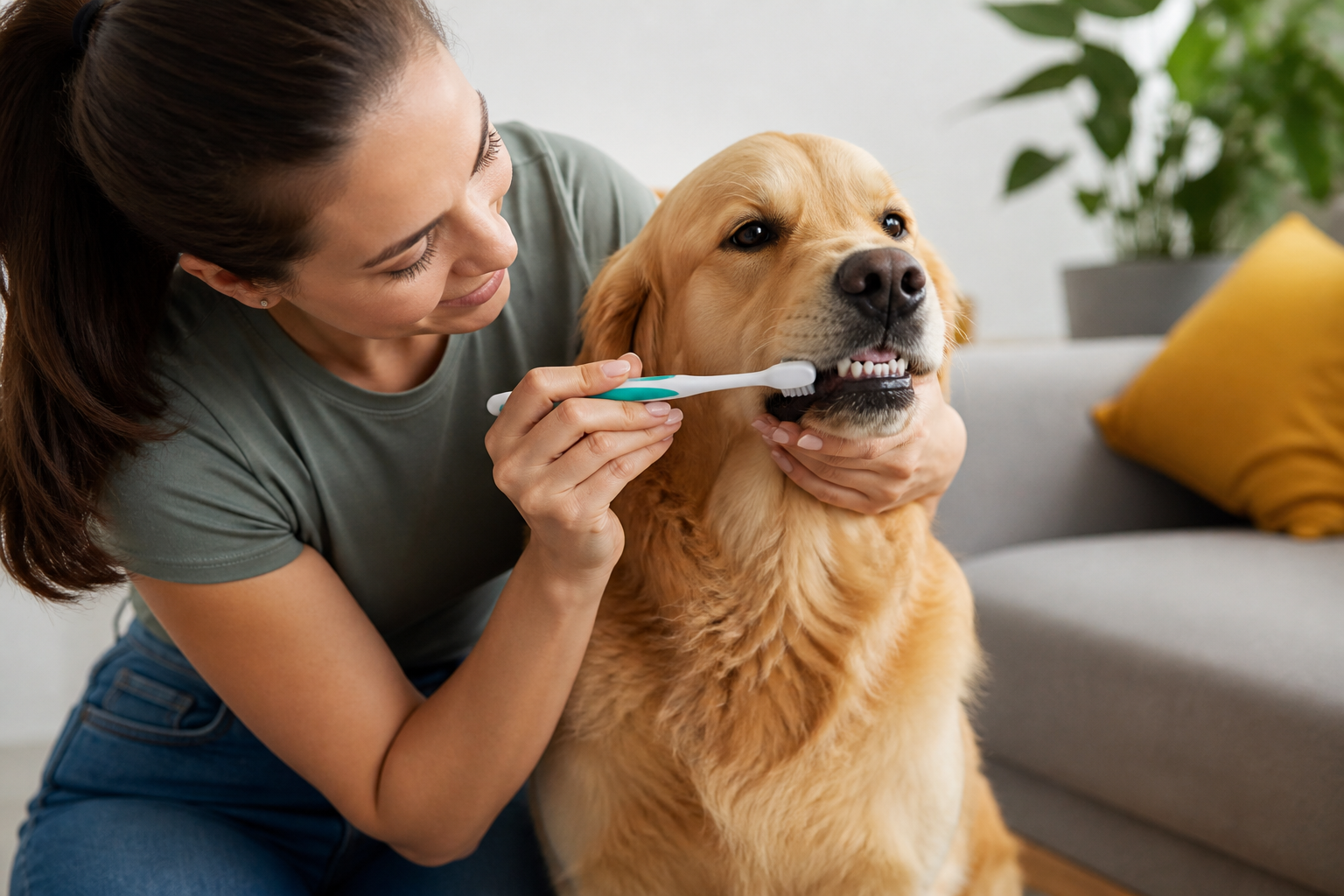
Brushing is the single most effective way to prevent dental disease. It allows you to physically remove plaque before it hardens into tartar. Plaque is a soft film of bacteria that forms on the teeth every day. If it stays there for more than 48 hours, it begins to mineralize. Once it becomes tartar, you cannot brush it away at home. You need a professional cleaning to remove it.
Most dogs do not naturally enjoy having their teeth brushed. It is a learned behavior that requires patience. Start by letting your dog lick a small amount of dog-safe toothpaste off your finger. These pastes often come in flavors like poultry, beef, or peanut butter. This makes the experience feel like a treat rather than a chore. Never use human toothpaste. It contains ingredients like xylitol or fluoride that are toxic to dogs.
Choosing the Right Brush
The tool you use depends on your dog's size and comfort level. Finger brushes are great for puppies or small dogs. They slip over your index finger and give you a lot of control. For larger dogs, a long-handled toothbrush with angled heads helps you reach the back molars. Many people find that a soft-bristled child's toothbrush works just as well. The key is to find a tool that allows you to reach the gum line where bacteria hide. Browse our dog dental care products to compare toothpaste, toothbrushes, and other oral-care options.
The Brushing Technique
You do not need to spend ten minutes scrubbing. Focus on the outside surfaces of the teeth. This is where the most plaque accumulates. Lift the lip and move the brush in small circular motions. Aim for a 45 degree angle toward the gum line. Start with just a few teeth and work your way around the mouth over several days. Always end the session with praise or a small dental-friendly treat.
Key Takeaway: Consistency is more important than duration. Brushing for 30 seconds every day is much better than a five minute session once a month.
Effective Dental Chews and Treats
Not every dog will sit still for a toothbrush. This is where dental chews become a valuable part of the routine. These treats are designed with a specific texture that scrapes the teeth as the dog chews. This mechanical action helps rub away plaque. Many of these products also contain ingredients that help break down the biofilm on the teeth. For additional guidance, read our tips for choosing dental chews.
When shopping at our BaxterBoo warehouse or browsing online, look for the VOHC seal. The Veterinary Oral Health Council only gives this seal to products proven to reduce plaque or tartar. Brands like Greenies or OraVet are popular choices for a reason. They have the right balance of firmness and flexibility. If a chew is too hard, it can actually fracture a dog's tooth. You can explore our dental food and treat collection for chew options.
How Chews Work
A good dental chew should be "chewy" rather than brittle. As your dog's teeth sink into the treat, the material fibers wipe the tooth surface. This is why it is important to choose the right size. If the chew is too small, your dog might swallow it in two gulps. They need to spend several minutes gnawing on it to get the dental benefits. Always supervise your dog when they have a chew to prevent choking.
Natural Options for Chewing
Some pet parents prefer natural alternatives. Raw carrots can provide a light scrubbing action and are low in calories. Certain rubber toys, like those from Kong, are designed with grooves to clean teeth while your dog plays. You can even smear a bit of enzymatic toothpaste inside the grooves of a toy. This encourages the dog to "brush" their own teeth through play.
Dental Water Additives and Sprays
Water additives are a hands-off way to manage oral bacteria. You simply add a capful of the liquid to your dog's water bowl. These products contain enzymes or minerals that help neutralize the bacteria that cause bad breath and plaque. They are an excellent supplement for dogs that are very resistant to handling. One option is OxyFresh Pet Dental Water Additive.
Sprays work in a similar way. You spritz the liquid directly onto the teeth and gums. The dog's saliva then spreads the active ingredients throughout the mouth. These are best used after a meal. While they are not a replacement for brushing, they can slow down the buildup of new plaque.
Vet Tip: If you notice your dog has extremely foul breath, bleeding gums, or is dropping food, skip the additives and see a vet. These are signs of advanced periodontal disease that require professional medical attention.
The Role of Diet in Dental Health
What your dog eats every day impacts their oral hygiene. There is a common myth that all dry kibble cleans teeth. While some kibble provides a little bit of scraping, most of it crumbles too quickly to do much good. However, specific dental diets are formulated differently.
Prescription dental foods, such as Hill's Prescription Diet t/d, have a unique fiber matrix. The kibble does not shatter when the dog bites it. Instead, the tooth sinks into the piece, and the fibers scrub the tooth surface. These diets are often larger than standard kibble to encourage more chewing.
Prescription Diets and the BaxterBoo Pharmacy
Sometimes, a standard over the counter food is not enough. If your dog is prone to heavy tartar or has a history of extractions, your vet might recommend a prescription diet. Through our partnership with Pet's Choice, the BaxterBoo pet pharmacy can help you fulfill these orders. We carry a wide range of FDA-approved prescription foods and medications for chronic conditions. Having these items delivered to your door through our Autoship programme makes managing your dog's health much simpler.
Wet Food vs. Dry Food
Wet food tends to stick to the teeth more than dry food. If your dog eats a soft diet, dental care is even more critical. You may need to brush more frequently or use a dental wipe after meals. Dental wipes are pre-moistened pads that you rub over the teeth. They are a good middle ground between doing nothing and a full brushing session. For more context on food choices, see our guide to wet and dry dog food.
Professional Cleanings and Veterinary Care
Home care is about prevention, but it cannot fix existing disease. Most dogs will eventually need a professional dental cleaning. This is done under general anesthesia. It allows the veterinarian to clean under the gum line and take X-rays. X-rays are crucial because most dental disease happens where you cannot see it.
During a professional cleaning, the vet uses an ultrasonic scaler to remove tartar. They also polish the teeth to smooth out any microscopic scratches. Smooth teeth are harder for bacteria to stick to. Your vet can also identify teeth that are loose or infected and may need to be removed.
When to Schedule an Exam
We recommend a dental checkup at least once a year. This usually happens during your dog's routine wellness exam. If your dog is a smaller breed, they may need more frequent visits. Small dogs often have crowded teeth, which makes them more prone to trapped food and bacteria. Our pet dental care tips can help you build regular oral checks into your routine.
Bottom line: Professional cleanings are a medical necessity, not a cosmetic luxury, for most aging dogs.
The Risks of Ignoring Dental Health
Ignoring your dog's teeth can lead to serious consequences beyond bad breath. Periodontal disease is an infection of the tissues surrounding the teeth. If left untreated, the bacteria can enter the bloodstream. This has been linked to damage in the heart, liver, and kidneys.
Dental pain can also change your dog's behavior. A dog with an abscessed tooth might become grumpy or stop playing with toys. They may stop eating dry food or only chew on one side of their mouth. Since dogs are experts at hiding pain, you might not realize they are suffering until the infection is severe. Learn more about warning signs of bad teeth in dogs.
Steps to Starting a Routine
Step 1: Get a vet exam. Make sure there are no painful sores or broken teeth before you start brushing. Step 2: Choose your tools. Pick up a dog-safe toothpaste and a brush or finger wipe. Step 3: Introduce the paste. Let your dog lick the paste for a few days to build a positive association. Step 4: Start brushing. Gently brush a few teeth at a time and increase the duration slowly. Step 5: Supplement with chews. Use VOHC-approved chews on days when you cannot brush.
Natural and Home Remedies
Many owners ask about using items like coconut oil or baking soda. While coconut oil has some antimicrobial properties, it is not a replacement for enzymatic toothpaste. Baking soda can be abrasive and tastes salty, which might make your dog hate the process. It is always better to use products specifically formulated for canine biology.
Safe Toys for Teeth
Not all chew toys are created equal. Avoid very hard items like cow hooves, antlers, or dried bones. These are notorious for breaking teeth. A good rule of thumb is the "fingernail test." If you cannot make a dent in the toy with your fingernail, it is likely too hard for your dog's teeth. Stick to firm rubber or specialized dental toys that have some "give" to them.
Raw Bones
The use of raw bones is a debated topic. Meaty raw bones can help scrape teeth, but they also carry risks. They can cause broken teeth or internal blockages if swallowed in large chunks. Never give your dog cooked bones. Cooking makes bones brittle and prone to splintering. If you choose to use raw bones, always consult your vet first and supervise your dog closely.
Supporting Your Dog's Wellness Journey
At BaxterBoo, we believe that dental health is a lifelong commitment. We want to make it as easy as possible for you to care for your pet. Our MVP Rewards programme allows you to earn points on every dental chew and toothbrush you buy. This helps you save money while keeping your dog's mouth healthy.
If your dog requires ongoing medication for dental infections or other health issues, remember our pharmacy. We offer FDA-approved medications through Pet's Choice to help manage your pet's needs. Whether you are in our Vernon Hills store or shopping from home, we are here to support your pet's wellness every step of the way.
Conclusion
Finding what is best to clean dogs teeth often involves a combination of methods. Brushing remains the most effective tool in your kit. However, dental chews, water additives, and professional cleanings all play a part in a complete routine. By staying consistent, you can prevent painful infections and high vet bills down the road. Keep an eye out for signs of trouble like red gums or persistent bad breath.
- Brush daily with enzymatic toothpaste.
- Use VOHC-approved dental chews for mechanical cleaning.
- Schedule annual dental exams with your veterinarian.
- Consider a prescription dental diet if your dog is prone to tartar.
Key Takeaway: A healthy mouth leads to a healthy body. Start a dental routine early in your dog's life to ensure they stay happy and comfortable for years to come.
Trust BaxterBoo for all your dental care needs, from the best brushes to prescription diets.
FAQ
Can I use human toothpaste on my dog? No, you should never use human toothpaste on a dog. Many human pastes contain xylitol, which is a sweetener that is highly toxic to dogs. They also contain fluoride and foaming agents that can upset your dog's stomach. Always use a toothpaste specifically formulated for pets.
How often should I brush my dog's teeth? Ideally, you should brush your dog's teeth every day. Plaque can begin to harden into tartar within 48 hours. If daily brushing is not possible, aim for at least three times a week. Any amount of brushing is better than none at all.
Are dental chews enough to keep teeth clean? Dental chews are a great supplement, but they are usually not enough on their own. They mostly clean the chewing surfaces of the back teeth. They do not reach the gum line of the front teeth as effectively as a brush. For the best results, combine chews with regular brushing.
What are the signs that my dog has dental disease? Common signs include very bad breath, red or bleeding gums, and yellow-brown tartar buildup. You might also notice your dog pawing at their mouth or acting hesitant to eat hard kibble. If you see any of these symptoms, you should schedule a visit with your veterinarian.






