
 Save 15% on your 1st Autoship learn more

 Email us
 Live Chat
 FAQs
FAQs





Introduction
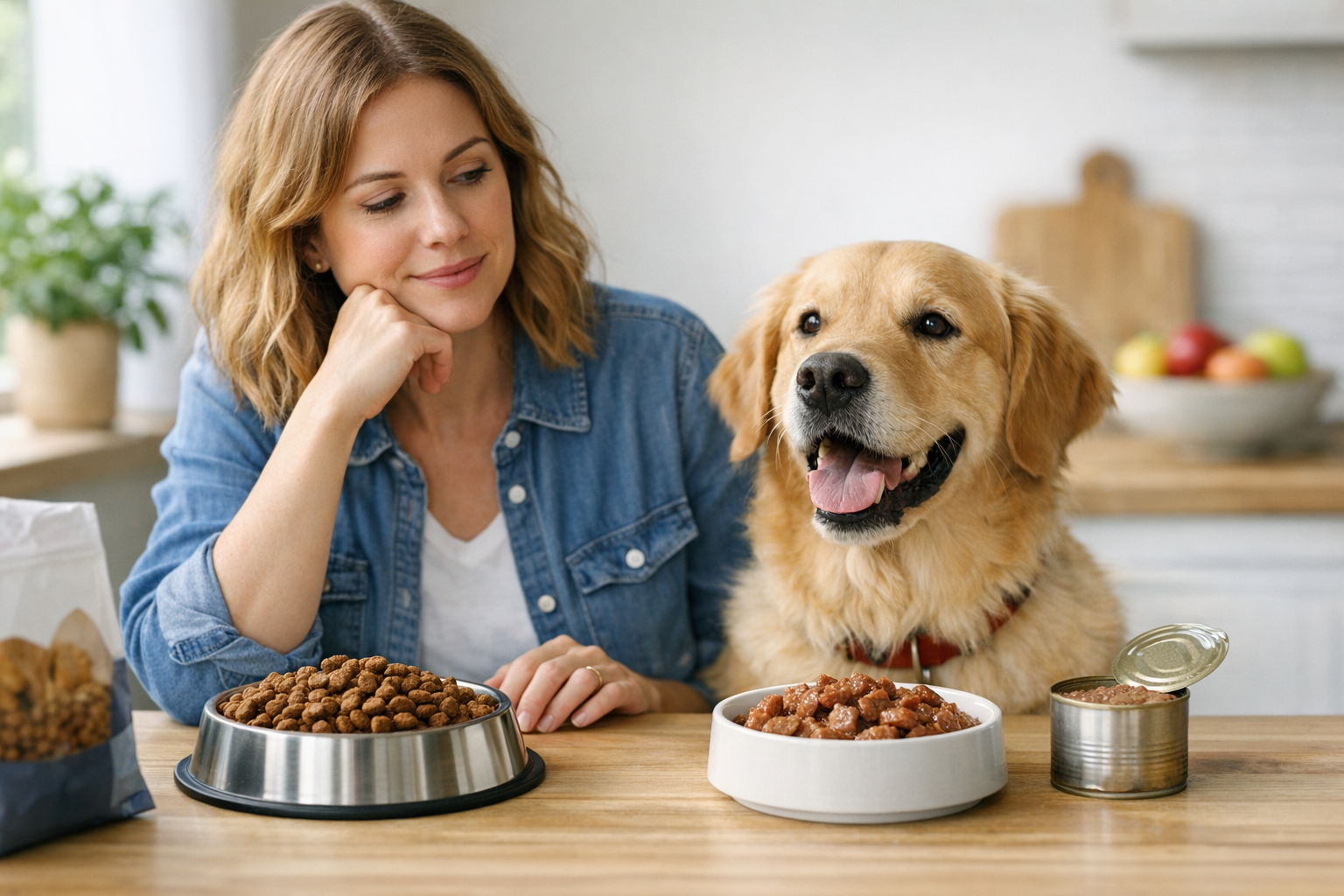
Standing in the pet food aisle can feel like a test you did not study for. You are surrounded by hundreds of bags and cans, each promising to be the best for your dog. Choosing between dry kibble and wet canned food is one of the most common hurdles for pet parents. At BaxterBoo, we have helped thousands of owners in our Vernon Hills warehouse and online navigate this exact choice since 2006. This guide will break down the real differences in nutrition, cost, and convenience between these two formats. We will also look at how your dog’s specific health needs might tip the scales in one direction. The truth is that there is no single right answer, but there is a best choice for your unique dog.
Quick Answer: Neither dry nor wet food is objectively better for every dog. Dry food offers convenience and dental benefits, while wet food provides essential hydration and higher palatability for picky eaters. Many owners find that a combination of both provides the best balance of health and value.
Understanding the Manufacturing Process
To understand which food is better, you have to look at how they are made. The two formats start with similar ingredients like proteins, fats, and carbohydrates. However, the way those ingredients are handled changes the final product significantly.
Dry dog food, or kibble, goes through a process called extrusion. The ingredients are mixed into a dough and then cooked under high pressure. This dough is pushed through a die to create specific shapes. After the kibble is cut, it is dried to remove almost all moisture. Finally, it is often sprayed with fats and vitamins to ensure it is both nutritious and tasty. This process results in a product that is very calorie dense and easy to store.
Wet food takes a different path. The ingredients are ground and mixed with a gravy or gel that contains vitamins and minerals. This mixture is put into cans or pouches and then sealed. The containers are heated to a high temperature to sterilize the contents. This high heat kills any bacteria and ensures the food stays fresh without the need for many preservatives. Because the water is never removed, wet food retains a moisture content of around 75 to 80 percent.
The Case for Dry Dog Food
Dry food remains the most popular choice for American dog owners for several practical reasons. If you have a large breed dog or a multi-pet household, the benefits of kibble are hard to ignore. If you are comparing brands, our dog food category is a helpful place to start.
Convenience and Storage
One of the biggest perks of dry food is how easy it is to handle. You can buy a large bag and it will stay fresh for several weeks as long as you seal it properly. It does not require refrigeration. This makes it the ideal choice for busy families or dogs that prefer to graze throughout the day. You can leave a bowl of kibble out for several hours without worrying about it spoiling or attracting pests.
Cost Effectiveness
On a calorie-for-calorie basis, dry food is almost always more affordable than wet food. Since the water has been removed, you are paying for concentrated nutrients. This is especially important for owners of large breeds like Great Danes or Labradors. Feeding a 100 pound dog exclusively on wet food can be a significant financial commitment. Brands like our selection of NutriSource products and our selection of Acana products offer high quality dry options that provide excellent nutrition without the high price tag of canned equivalents.
Dental Health Benefits
The crunchy texture of kibble serves a mechanical purpose. As your dog bites down, the friction helps scrape away some of the plaque and tartar buildup on the teeth. While it is not a replacement for regular brushing, it does offer a daily boost to oral hygiene. Some brands even create specific dental diets with larger, more fibrous kibble designed to scrub the teeth even more effectively.
Key Takeaway: Dry food is the champion of convenience and value. It is best for grazers, budget conscious owners, and dogs who need a little extra help with dental maintenance.
The Case for Wet Dog Food
While kibble is convenient, wet food often wins when it comes to the specific health and sensory needs of a dog. Many veterinarians recommend wet food for dogs with certain medical conditions or those reaching their senior years. If you want more options, our wet dog food category is a good place to browse.
Superior Hydration
The most significant benefit of wet food is its moisture content. Many dogs do not drink enough water on their own. This can lead to issues like urinary tract infections or kidney stones. By feeding a wet diet, you are ensuring your dog gets a large portion of their daily water intake through their meals. This is a simple way to support kidney function and overall health.
Higher Palatability
If you have a picky eater, you know the struggle of trying to get a dog to eat plain kibble. Wet food has a much stronger aroma and a more natural texture. It smells like real meat because it contains a higher percentage of animal protein and fewer carbohydrates. For senior dogs whose sense of smell may be fading, the strong scent of our selection of Orijen products can be the difference between them eating or skipping a meal.
Weight Management and Satiety
Because wet food is mostly water, it is less calorie dense than dry food. This means your dog can eat a larger volume of food while consuming fewer calories. If your dog is always acting hungry but needs to lose a few pounds, wet food can help them feel full. It provides that "full belly" feeling that kibble sometimes lacks.
Vet Tip: If your dog has a history of kidney disease or urinary issues, a wet food diet is often the preferred choice. The extra hydration helps flush the system and reduces the concentration of minerals in the urine. Always consult your veterinarian before switching to a therapeutic diet for a chronic condition.
Comparing Nutrition and Ingredients
It is a common myth that wet food is always higher in protein than dry food. When you look at a label, the percentages can be confusing. A dry food might list 25 percent protein, while a wet food lists only 8 percent. This is because the wet food percentage includes all that water.
To truly compare the two, you have to look at the "dry matter basis." This is the nutritional breakdown once all the water is removed. When you compare them this way, you will find that many high quality wet foods actually have more protein and fewer carbohydrates than dry food. This is because dry food requires starches and carbs like grains or peas to hold the kibble shape during the extrusion process. Wet food does not need those binders.
| Feature | Dry Dog Food | Wet Dog Food |
|---|---|---|
| Moisture Content | 5% to 12% | 75% to 84% |
| Shelf Life (Opened) | Several weeks | 2 to 3 days (refrigerated) |
| Caloric Density | High (More calories per gram) | Low (Less calories per gram) |
| Carbohydrates | Generally higher (needed for shape) | Generally lower |
| Ease of Serving | Very easy | Can be messy |
When to Choose Wet Food
There are specific life stages and health situations where wet food is the clear winner. If your dog falls into one of these categories, a canned diet might be the best path forward. For more on sensitive digestion, see our guide to switching from dry to wet dog food.
- Senior Dogs with Dental Issues: Older dogs often suffer from gum disease or missing teeth. Crunching on hard kibble can be painful for them. Soft, wet food allows them to eat comfortably.
- Puppies During Weaning: When puppies are moving away from mother's milk, their small teeth and sensitive stomachs handle wet food or softened kibble much better than hard pellets.
- Dogs with Low Thirst Drive: Some dogs are simply not big drinkers. If your dog's bowl stays full all day, wet food provides an essential safety net for hydration.
- Post-Surgery Recovery: Dogs coming out of surgery or dealing with an illness often have a suppressed appetite. The rich smell of wet food can entice them to start eating again.
The Mixed Feeding Strategy
You do not have to choose just one. Many pet parents find that "mixed feeding" is the most effective strategy. This usually involves using dry kibble as the base of the meal and adding a few spoonfuls of wet food as a topper.
This approach offers several advantages. You get the cost savings and dental benefits of the dry food, but you also get the hydration and flavor of the wet food. It makes the meal more exciting for your dog without breaking your budget. When mixing, just remember to adjust the portions. Adding a full can of wet food to a full serving of dry food will lead to weight gain.
How to Start Mixed Feeding
Step 1: Consult your vet to determine your dog's total daily calorie needs.
Step 2: Decide on a ratio, such as 75 percent dry and 25 percent wet.
Step 3: Measure the dry food accurately using a standard measuring cup.
Step 4: Add the wet food and mix it thoroughly to coat the kibble.
Step 5: Store the remaining wet food in the refrigerator immediately.
Specialized Diets and the BaxterBoo Pharmacy
Sometimes the choice between wet and dry is made for you by a medical diagnosis. Dogs with chronic conditions like heart disease, severe allergies, or advanced kidney failure often require prescription diets. These foods are formulated with precise levels of minerals and proteins that you cannot find in standard retail bags.
Our pet pharmacy offers a wide range of FDA approved prescription pet foods and medications through our partnership with Pet's Choice. Whether your vet recommends a specific wet diet for urinary health or a prescription dry food for weight management, we can help you manage those needs. Since we are a hybrid retailer with a physical warehouse, we understand how important it is to have these items in stock when your pet needs them. Using our pharmacy allows you to get your dog's specialized nutrition delivered right to your door alongside their favorite toys and treats.
Bottom line: Prescription diets come in both wet and dry formats, and our pharmacy can help you fulfill those specific veterinary requirements easily.
Storage and Freshness Tips
No matter which food you choose, how you store it determines how much nutrition your dog actually gets. Exposure to air, heat, and light can cause the fats in dog food to go rancid.
For dry food, the biggest mistake owners make is dumping the kibble out of the bag and into a plastic bin. The bags are specially designed with liners to keep the food fresh. Instead, place the entire bag inside your airtight container. This provides a double barrier against oxidation. Try to use up a bag within six weeks of opening it.
Wet food is much more fragile once it is opened. You must refrigerate any unused portion immediately. Use a silicone can cover to create a tight seal. This prevents the food from drying out and stops the smell from filling your fridge. Never leave wet food in your dog's bowl for more than two hours. After that, bacteria can begin to grow at room temperature. For easy reordering, our Autoship programme can help keep food on hand before you run out.
- Keep dry food in its original bag inside a bin.
- Store food in a cool, dry place, not the garage or a damp basement.
- Discard opened canned food after three days in the fridge.
- Wash your dog's bowl daily to prevent biofilm buildup.
Making the Transition
Dogs have sensitive digestive systems. If you decide to switch from dry to wet, or vice versa, you must do it slowly. A sudden change can lead to upset stomachs, gas, and diarrhea.
A standard transition takes about seven to ten days. Start by mixing 25 percent of the new food with 75 percent of the old food. Every two days, increase the amount of the new food while decreasing the old. This gives the healthy bacteria in your dog's gut time to adjust to the new ingredients and moisture levels. If your dog shows signs of distress, slow down the process and stay at the current ratio for a few more days.
For another step-by-step perspective, our guide to wet and dry feeding covers the mixed-diet approach in more detail.
Vet Tip: During a food transition, keep an eye on your dog's stool consistency. If it becomes very loose or if your dog begins vomiting, stop the transition and call your vet. They may recommend a probiotic supplement or a different protein source to help settle their stomach.
Final Thoughts on Your Dog's Diet
Choosing between dry and wet food is about balancing your dog's health with your own lifestyle. If you have a healthy adult dog who drinks plenty of water, dry kibble is a fantastic, cost effective choice. If you are managing a senior pet with a fading appetite or a dog who needs more hydration, wet food is worth every penny.
At BaxterBoo, we carry over 500 trusted brands including Farmina, Royal Canin, and our selection of The Honest Kitchen products to ensure you have access to the best nutrition possible. Whether you shop with us online or visit our warehouse in Vernon Hills, our goal is to provide the expert guidance you need to keep your dog thriving. If you want everyday savings, the MVP Rewards programme is another smart next step.
Key Takeaway: The best food is the one that your dog enjoys eating, fits your budget, and meets the nutritional standards for their life stage.
FAQ
Is it okay to feed my dog only wet food?
Yes, as long as the wet food is labeled as "complete and balanced." These foods contain all the vitamins and minerals your dog needs to survive and thrive. However, you will need to be extra diligent about their dental care since wet food does not help clean their teeth.
Can dry food cause dehydration in dogs?
Dry food itself does not cause dehydration, but it does not contribute any moisture to your dog's diet. If your dog eats only dry food and is not a good water drinker, they may become mildly dehydrated. In these cases, adding some water or wet food to the kibble is a great idea.
Why is wet food more expensive than kibble?
Wet food is more expensive because of the packaging costs and the weight of the water. Cans and pouches are costlier to manufacture than paper bags. Additionally, you are paying to ship the water content, which makes the product heavier and more expensive to transport.
How do I know if a food is high quality?
Look for a statement from AAFCO on the label. This ensures the food meets basic nutritional requirements. Beyond that, look for real meat as the first ingredient and avoid foods with excessive artificial colors or generic "animal fat" listings. Focus on brands with a strong track record of safety and ingredient transparency.






