
 Save 15% on your 1st Autoship learn more

 Email us
 Live Chat
 FAQs
FAQs





Introduction
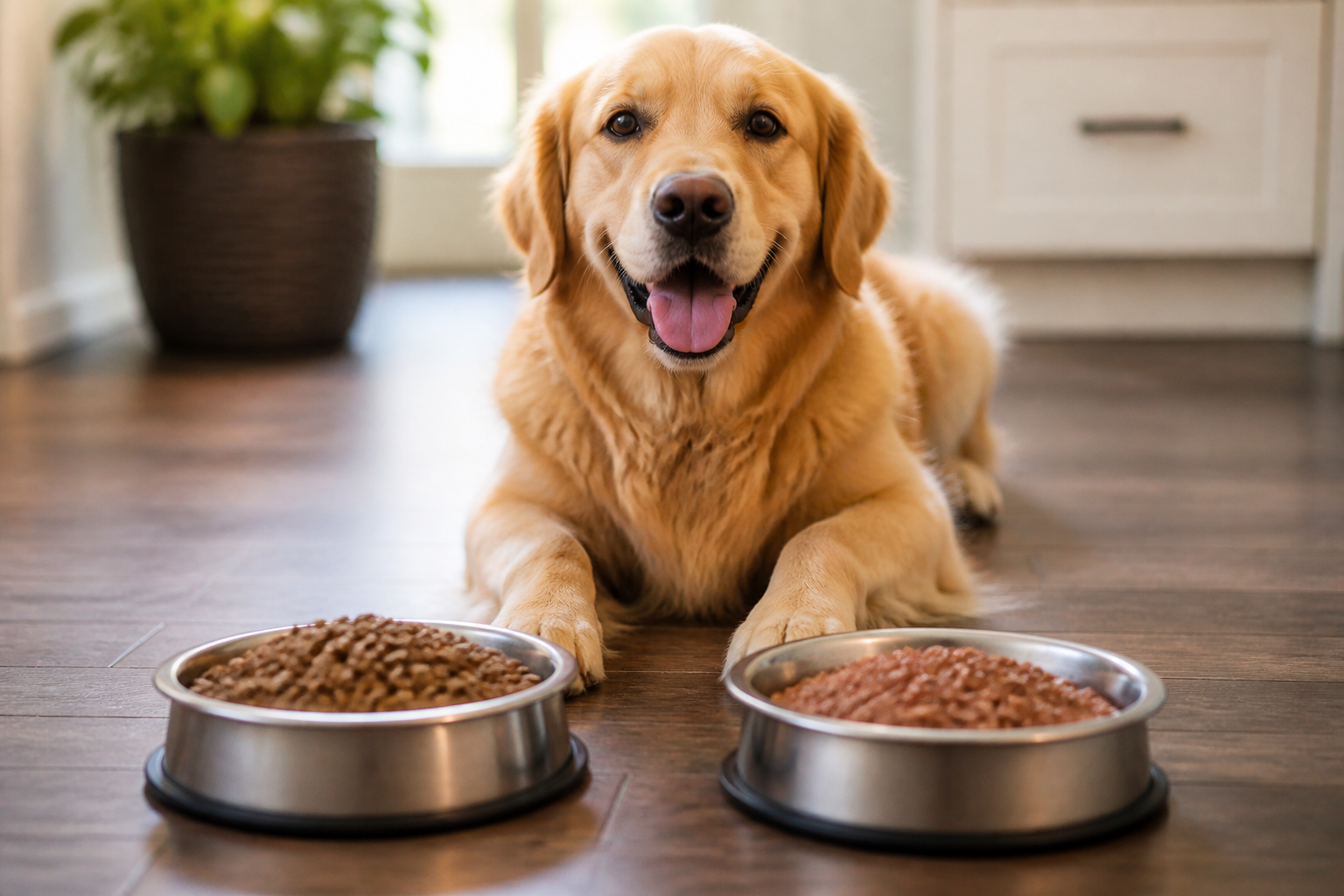
Standing in the pet food aisle can feel like a test you did not study for. On one side, you have heavy bags of kibble promising convenience and dental health. On the other, stacks of cans offer savory aromas and high moisture. If you are wondering what is better for dogs wet or dry food, you are not alone. Every day at BaxterBoo, we talk to pet owners trying to balance nutrition, budget, and their dog's specific health needs. Start with our dog food category if you want to compare formats side by side. There is no single right answer for every dog, but there are clear winners depending on your pet's life stage and health. This post covers the nutritional differences, the pros and cons of each format, and how to decide which bowl is best for your pup. The best choice is the one that meets your dog's unique biological requirements while fitting into your daily routine.
Understanding the Basic Differences
The primary difference between these two food types is moisture content. Dry food typically contains around 10 percent moisture. Wet food often contains between 75 and 80 percent moisture. This single factor changes everything from how the food is processed to how much your dog needs to eat to feel full.
Dry food is made through a process called extrusion. Ingredients like meat, grains, and vitamins are mixed into a dough and cooked under high pressure. The dough is pushed through a die to create the kibble shapes we all recognize. Finally, it is dried and often sprayed with fats or oils to make it more palatable.
Wet food starts with ground protein sources mixed with a gravy or gel containing vitamins and minerals. This mixture is sealed into cans or pouches and then sterilized through heating. This process preserves the food without the need for many of the synthetic preservatives found in some dry options. Because it is sealed, the meat stays closer to its natural state in terms of texture and smell.
Quick Answer: Neither food is inherently "better" for all dogs, as both provide complete and balanced nutrition. Wet food is often superior for hydration and picky eaters, while dry food is more convenient and cost-effective for many households.
The Case for Wet Dog Food
Wet food is a favorite for many dogs because it simply smells more like real meat. The high moisture content allows the aromas to be much stronger than those of dry kibble. This makes it an excellent choice for dogs with a decreased appetite or those who are naturally finicky.
For a deeper look at switching formats, read our guide to switching from dry to wet dog food.
Benefits for Hydration and Health
Hydration is a major factor for dogs with certain medical conditions. If your dog has a history of urinary tract issues or kidney disease, increasing water intake is vital. Wet food provides a significant amount of water directly through the diet. This can take some of the pressure off the kidneys and help flush the urinary system.
Weight Management and Satiety
If you have a dog that always seems hungry, wet food might help. The high water content adds volume to the meal without adding extra calories. This means your dog can eat a larger portion of wet food compared to the equivalent calorie count in kibble. This helps them feel full and satisfied, which is a great tool for weight management.
Easier Chewing for Seniors
Senior dogs often face dental issues or lost teeth. For these pets, crunching on hard kibble can be painful or even impossible. The soft texture of wet food allows them to eat comfortably. It also helps older dogs who may have a fading sense of smell, as the rich aroma encourages them to stay interested in their meals.
Key Takeaway: Wet food offers high moisture, intense flavor, and a softer texture, making it ideal for hydration, picky eaters, and senior dogs with dental concerns.
The Case for Dry Dog Food
Dry food remains the most popular choice for dog owners in the US for several practical reasons. It is generally the most economical way to feed a dog, especially for those with large breeds that require a high caloric intake.
Dental Health Benefits
One of the most cited benefits of dry food is its role in dental hygiene. The mechanical action of chewing crunchy kibble can help scrape away some plaque and tartar from the surface of the teeth. While it does not replace regular tooth brushing, it can provide a daily "scrub" that wet food lacks. Some specialized dental diets are even formulated to shatter in a way that maximizes this cleaning effect.
Convenience and Storage
Kibble is incredibly convenient. You can measure it out quickly with a scoop and leave it in the bowl for dogs that prefer to graze throughout the day. Unlike wet food, it will not spoil if it sits out for a few hours. This makes it perfect for busy families or dogs that do not like to eat their entire meal in one sitting.
Behavioral Enrichment
Dry food is the better option for mental stimulation. You can easily use kibble in puzzle toys, snuffle mats, or slow feeders. These tools force your dog to work for their food, which provides valuable cognitive exercise. Wet food is much harder to use in these types of interactive toys without creating a massive mess.
Vet Tip: If you rely solely on dry food, ensure your dog always has access to multiple sources of fresh water. Since kibble is low in moisture, your dog must drink significantly more to stay properly hydrated and support healthy digestion.
Comparing Nutritional Density
When comparing the protein or fat content of wet versus dry food, the labels can be confusing. A can of wet food might list 8 percent protein, while a bag of dry food lists 25 percent. This does not mean the dry food has more protein. It simply means the dry food is more concentrated because the water has been removed.
To compare them accurately, you have to look at the "dry matter basis." This involves calculating the nutrient percentages after removing the moisture. When you do this, you often find that wet foods actually have higher protein and fat levels than dry foods. Dry foods usually contain more carbohydrates because starches are needed to bind the kibble together and give it its shape.
At BaxterBoo, we carry a wide variety of high-quality brands like Farmina that offer excellent options in both formats. We find that looking at the specific ingredients is more important than the format alone. Look for named meat sources as the first few ingredients, regardless of whether you choose a can or a bag.
Bottom line: Dry food is more calorie-dense per gram, but wet food often contains higher protein levels when compared on a dry matter basis.
The Best of Both Worlds: Mixing Wet and Dry
Many pet owners find that a combination of both is the ideal solution. This is often called "topping" or "mixed feeding." By adding a spoonful of wet food to a bowl of kibble, you provide the aroma and moisture of wet food while maintaining the dental benefits and cost savings of dry food.
If you are curious about this approach, our post on mixing wet and dry dog food is a helpful next step.
How to Mix Safely
If you decide to mix, you must be careful about calories. Adding wet food on top of a full portion of dry food is a fast track to weight gain. You should replace a portion of the dry food with an equal calorie amount of wet food.
Step 1: Consult your veterinarian to determine your dog's total daily calorie requirement. Step 2: Decide on the ratio, such as 75 percent kibble and 25 percent wet food. Step 3: Measure both portions carefully using the feeding guides on the packaging as a starting point. Step 4: Mix thoroughly so your dog does not just pick out the "good stuff" and leave the kibble behind.
Benefits of Variety
Exposing your dog to different textures early in life can prevent them from becoming picky later. If a dog has only ever eaten dry food, they might refuse wet food when they are older and actually need it for health reasons. A mixed diet keeps their palate adaptable.
Life Stage Considerations
Your dog's age plays a significant role in determining the better food choice. Needs change as a puppy grows into an adult and eventually moves into the senior years.
Puppies and Weaning
Young puppies often do well with a mix. During the weaning process, wet food or kibble soaked in warm water is much easier for their small baby teeth to handle. As they grow and their adult teeth come in, they can transition to fully dry food if that is your preference. Ensure any food you choose is labeled for "growth" or "all life stages" to support their developing bones and brain.
Seniors and Health Changes
As dogs age, they may develop chronic conditions. We often see senior dogs needing specific diets for heart, kidney, or liver support. Many of these therapeutic diets are available in both wet and dry versions.
Our pet pharmacy carries prescription pet foods and medications for dogs with health needs. If your vet prescribes a specific diet for a health condition, we can help you fulfill that through our warehouse. Often, a senior dog on a prescription diet will find the canned version more palatable as their appetite naturally wanes.
Vet Tip: Always transition your dog to a new food slowly over 7 to 10 days. Start with 25 percent new food and 75 percent old food, gradually increasing the ratio to prevent upset stomachs or diarrhea.
Cost and Convenience Comparison
Budget is a real factor for most pet parents. Dry food is almost always the more economical choice per serving. It is easier to buy in bulk, easier to ship, and lasts longer once the bag is opened.
Wet food is more expensive because of the packaging and the weight of the water. For a large dog like a Great Dane, feeding exclusively wet food can be cost-prohibitive. However, for a small dog like a Yorkie, the cost difference might be negligible.
Storage and Safety
A bag of dry food can last four to six weeks once opened if stored in a cool, dry place in an airtight container. Wet food, however, must be refrigerated once opened. Any unused portion should be discarded after three days. Additionally, wet food should not sit in your dog's bowl for more than an hour or two, as it can quickly grow bacteria.
To help manage the cost of premium diets, we recommend using our Autoship programme. This allows you to save on every order and ensures you never run out of your dog's favorite food.
Common Myths About Dog Food
There are many misconceptions about what is better for dogs wet or dry food. One common myth is that wet food is "junk food." This is simply not true. As long as the food is labeled as "complete and balanced," it provides all the nutrients your dog needs to thrive.
Another myth is that dry food completely prevents dental disease. While it helps, it is not a cure-all. Even dogs on a strictly dry diet still need regular dental checkups and cleanings. Some owners believe that wet food causes diarrhea. While a sudden switch to wet food can cause loose stools, a slow transition usually resolves this. Wet food is actually often easier on the digestive tract for many dogs with sensitivities.
Understanding Ingredients
The quality of the ingredients matters more than the format. A high-quality dry food is better than a low-quality wet food, and vice versa. Look for:
- Real meat as the first ingredient.
- No artificial colors or flavors.
- Clearly defined fats (like "chicken fat" instead of "animal fat").
- Whole food sources of fiber like sweet potatoes or brown rice.
You can also keep an eye on savings with the MVP Rewards programme.
Key Takeaway: Focus on the quality of the ingredients and the manufacturer's reputation rather than just the physical form of the food.
How to Make the Final Choice
Choosing between wet and dry food does not have to be an all or nothing decision. Start by looking at your dog. Are they at a healthy weight? Do they have any dental issues? Do they drink plenty of water?
If your dog is healthy, active, and has no trouble drinking water, dry food is a great, practical choice. If your dog is older, has kidney concerns, or is extremely picky, wet food might be the better path. For many, a high-quality kibble with a wet food topper provides the best balance of nutrition, enjoyment, and value.
We suggest checking out our Open Farm selection to compare wet and dry options that fit different feeding styles. Our team at BaxterBoo is always here to help you navigate these choices. We carry over 500 brands because we know every dog is an individual with unique tastes.
Summary of Feeding Options
| Feature | Dry Dog Food (Kibble) | Wet Dog Food (Canned) |
|---|---|---|
| Moisture Content | Low (~10%) | High (~75-80%) |
| Cost | Generally lower | Generally higher |
| Shelf Life (Opened) | 4-6 weeks | 3 days (refrigerated) |
| Dental Benefit | Some scraping action | None |
| Palatability | Moderate | Very High |
| Convenience | Easy to portion and store | Messier; requires refrigeration |
Conclusion
Choosing what is better for dogs wet or dry food ultimately depends on your pet's specific health needs and your lifestyle. Dry food offers unmatched convenience and dental support, while wet food provides essential hydration and high palatability for picky or senior dogs. Many pet owners find that a mixed feeding approach offers the best of both worlds. Regardless of which you choose, prioritizing high-quality ingredients and a balanced nutritional profile is key to your dog's long-term health. If your dog has specific medical needs that require a specialized diet, remember to consult your veterinarian. You can find a vast selection of premium brands and even prescription options through our pet pharmacy.
Key Takeaway: The best diet is one that your dog enjoys eating, keeps them at a healthy weight, and satisfies their hydration and nutritional needs. There is no one-size-fits-all answer, so feel free to experiment with mixing formats to see what your dog prefers.
Ready to stock up? Explore our full collection of dog food and consider signing up for Autoship to save on your first order and ensure your pup never misses a meal.
FAQ
Is wet food better for weight loss in dogs?
Wet food can be very helpful for weight loss because it is less calorie-dense than dry food. The high water content allows your dog to eat a larger volume of food while consuming fewer calories, which helps them feel fuller for longer. However, you must still monitor total daily calories, as some wet foods can be high in fat.
Can I mix wet and dry food every day?
Yes, mixing wet and dry food is a common and safe practice for most healthy dogs. It provides the flavor and hydration of wet food along with the convenience of kibble. Just be sure to adjust the portions of each so you are not overfeeding your dog.
Does dry food really clean a dog's teeth?
Dry food can help reduce plaque and tartar buildup through the mechanical action of chewing, but it is not a substitute for professional dental care. Think of it like a human eating a crunchy apple; it helps, but you still need to brush your teeth. For dogs with severe dental disease, wet food is often a better choice to avoid pain while eating.
How long can wet food sit in the bowl?
You should not leave wet food out for more than two hours. Because of its high moisture content, it can quickly become a breeding ground for bacteria. If your dog does not eat their wet food within that timeframe, it is safest to throw the leftovers away and wash the bowl.






