
 Save 15% on your 1st Autoship learn more

 Email us
 Live Chat
 FAQs
FAQs





Introduction
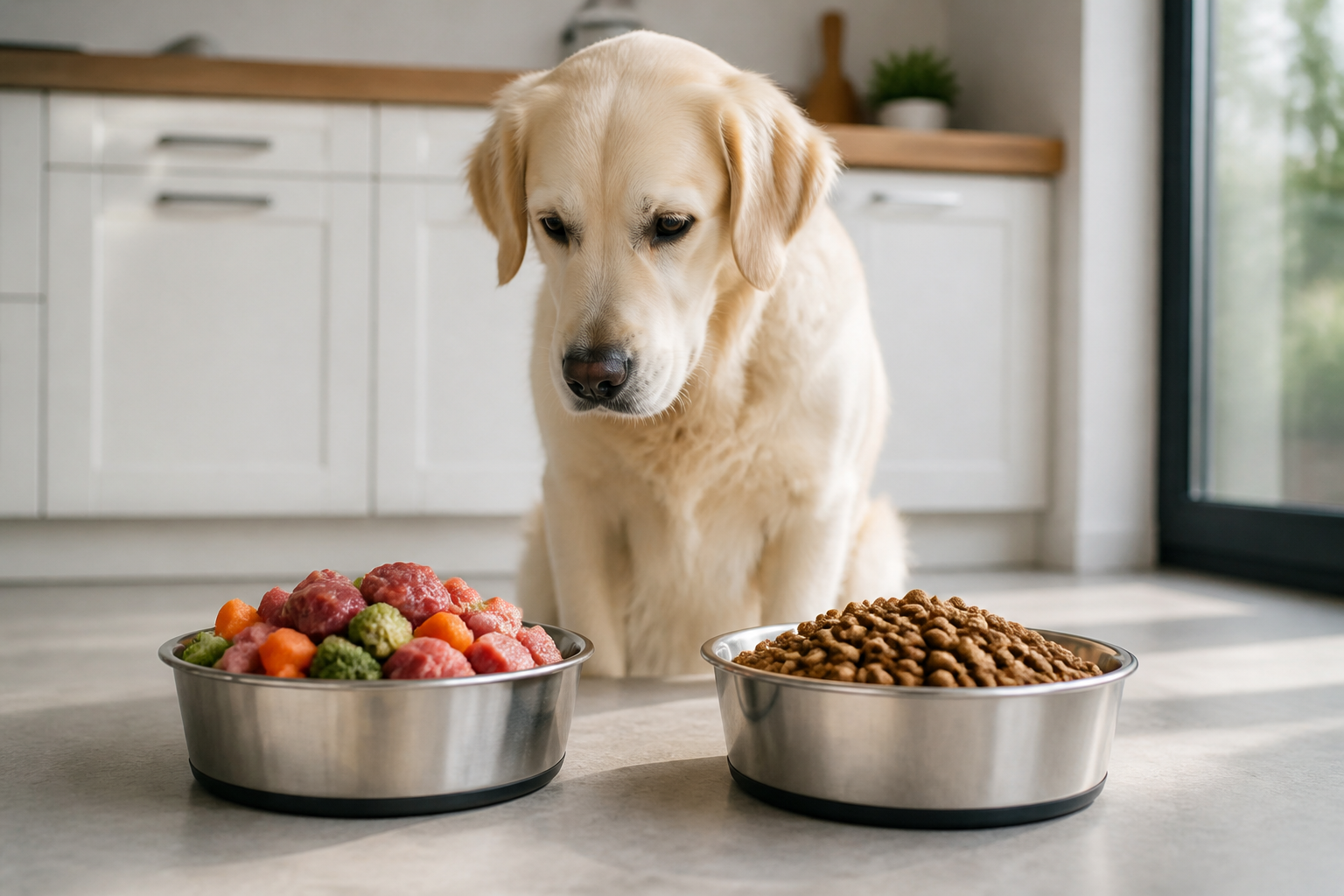
You are standing in the pet food aisle or scrolling through endless pages of options online. On one side, you see the familiar bags of crunchy kibble that have been the standard for decades. On the other, you see the growing section of frozen raw patties and freeze-dried morsels that look closer to what a dog might find in nature. It is a moment of real uncertainty for many pet parents. We want our dogs to live long, vibrant lives, and we know that starts with the bowl. At BaxterBoo, we have helped thousands of owners navigate these choices since 2006. This post will explore the nutritional differences, safety concerns, and practical realities of both feeding styles. We will help you weigh the pros and cons so you can choose the best path for your unique dog.
Quick Answer: Neither diet is universally better for every dog. Dry food offers convenience, safety, and complete nutrition at a lower cost. Raw food provides high protein and minimal processing that may improve coat and digestive health.
The Basics of Dry Dog Food
Dry dog food, commonly known as kibble, remains the most popular choice for dog owners across the country. It is made through a process called extrusion. In this process, ingredients like meats, grains, vegetables, and vitamins are mixed and cooked under high pressure. This creates the shelf-stable nuggets we are all familiar with. Because the cooking process is so thorough, it kills most pathogens like bacteria or parasites. This makes it a very safe choice for households with children or immunocompromised individuals.
Most premium kibble brands we carry, such as NutriSource or Acana, are formulated to meet AAFCO standards. This means they are nutritionally complete and balanced for your dog's specific life stage. You do not have to worry about adding extra supplements to ensure your dog gets enough calcium or zinc. The balance is already handled by veterinary nutritionists who design the recipes.
There is also a practical side to kibble. It is easy to store in a simple bin. It does not require refrigeration or special handling. For busy families, the ability to scoop and serve in seconds is a major benefit. Additionally, the crunchy texture can help slightly with dental health by scraping away a small amount of plaque as the dog chews.
The Philosophy of Raw Dog Food
The raw food movement is often called the BARF diet. This stands for Biologically Appropriate Raw Food or Bones and Raw Food. The idea is simple. Proponents believe that dogs should eat a diet that mimics what their ancestors ate in the wild. This includes raw muscle meat, organ meats, ground bones, and some fruits and vegetables.
Advocates for raw feeding often point to the lack of processing as the biggest benefit. When food is cooked at high temperatures, some natural enzymes and nutrients can be diminished. Raw food keeps these intact. Many owners who switch to raw report seeing a shinier coat, smaller and firmer stools, and higher energy levels. Brands like Stella and Chewy's or Vital Essentials have made this easier by offering commercially prepared raw diets. These are often frozen or freeze-dried to make the process more convenient for the owner while maintaining the raw integrity.
Key Takeaway: Dry food focuses on convenience, safety, and scientific balance. Raw food focuses on minimal processing and a high-protein, ancestral approach to nutrition.
Comparing Digestibility and Stool Quality
One of the first things you will notice when comparing these diets is what happens at the other end of your dog. Raw meat is highly digestible for dogs. Their bodies are designed to process animal proteins very efficiently. Because there are fewer fillers like corn or wheat in most raw diets, the dog's body uses more of the food. This results in much smaller, less odorous stools.
Kibble often contains higher levels of carbohydrates. These are necessary to hold the kibble together during the cooking process. While high-quality brands like Farmina or Orijen use better carbohydrate sources like lentils or pumpkin, there is still more fiber and bulk than in a raw diet. This usually leads to larger stools. However, some dogs actually need that extra fiber for proper bowel movements. If your dog has a sensitive stomach, the high protein and fat content of raw food might actually be too rich. It is important to monitor how your dog responds to each.
Safety and Pathogen Concerns
Safety is the most significant point of debate between raw and dry food. Raw meat can carry bacteria like Salmonella, Listeria, or E. coli. While a healthy dog's acidic stomach can often handle these bacteria, the risk to humans is real. Handling raw meat every day requires strict hygiene. You must wash your hands, the dog's bowl, and all surfaces thoroughly after every meal.
Dry food is not entirely risk-free, as there have been kibble recalls for Salmonella in the past. However, the risk is significantly lower because the extrusion process acts as a kill step for bacteria. If you have young children who play near the dog's bowl or a family member with a weakened immune system, dry food is generally the safer recommendation.
Vet Tip: Always consult your veterinarian before switching to a raw diet. This is especially important for puppies, senior dogs, or dogs with underlying health conditions. Your vet can help you ensure the diet is nutritionally balanced to avoid dangerous deficiencies.
The Cost Factor
Feeding your dog is a long-term financial commitment. Dry food is almost always the more cost-effective option. Because it is shelf-stable and can be bought in large bags, the price per serving is relatively low. This makes it the preferred choice for owners of large breeds or multi-dog households.
Raw feeding can be quite expensive. High-quality raw ingredients or commercially prepared raw patties cost significantly more than a bag of kibble. If you choose to prepare raw food yourself, you also have to factor in the cost of supplements. Without the right balance of vitamins and minerals, a homemade raw diet can lead to bone deformities or organ issues. For many, a middle ground is the best solution. You might feed a high-quality kibble as the base and use freeze-dried raw nuggets as a topper. This provides some of the benefits of raw food without the full expense or handling risks.
Lifestyle and Convenience
Your daily routine matters just as much as the nutritional label. Kibble is the king of convenience. It is perfect for traveling, boarding, or using in puzzle toys and training. You can leave it in an automatic feeder if you have a long workday. It does not spoil if it sits out for a few hours.
Raw feeding requires planning. Frozen food must be thawed in the refrigerator ahead of time. You cannot leave it out for "grazers" who like to snack throughout the day. If you travel with your dog, you have to find a way to keep the food frozen and handle the prep in a new environment. If you value a low-maintenance routine, kibble or freeze-dried options are likely your best bet.
Addressing Specialized Health Needs
Some dogs have health issues that make the raw versus dry debate even more complex. Dogs with chronic kidney disease or certain types of bladder stones often need very specific levels of minerals. In these cases, a standard raw diet might be dangerous. Conversely, dogs with severe skin allergies sometimes thrive on raw diets because they eliminate the grains and preservatives found in many dry foods.
If your dog has a diagnosed medical condition, we often recommend prescription diets. Through our partnership with Pet's Choice, our pharmacy offers a wide range of FDA-approved prescription pet foods. These diets, like Farmina Vet Life, are specifically formulated to manage conditions like obesity, urinary crystals, or food sensitivities. These are available with a valid prescription from your vet and can be delivered right to your door.
Checklist for Choosing a Diet
- Assess your dog's current health and energy levels.
- Evaluate your monthly budget for pet food.
- Consider the health of everyone in your household (especially children or seniors).
- Determine how much time you can realistically spend on meal prep.
- Talk to your veterinarian about any specific nutritional gaps your dog might have.
How to Transition Your Dog Safely
You should never switch your dog's food overnight. Their digestive systems are full of beneficial bacteria that are used to a specific type of food. A sudden change can lead to vomiting, diarrhea, and a very unhappy pet. This is true whether you are moving from kibble to raw or just switching kibble brands.
Step 1: Mix 25% of the new food with 75% of the old food. Feed this for two to three days. Step 2: Increase the new food to 50% and decrease the old food to 50%. Watch for any signs of upset stomach. Step 3: Move to 75% new food and 25% old food for another few days. Step 4: Transition to 100% of the new food.
If at any point your dog has loose stools or refuses to eat, go back one step and slow down the process. Some dogs with sensitive stomachs may need a full two weeks to transition successfully. For additional guidance, read our post on switching your dog to a new food.
The Role of Freeze-Dried and Dehydrated Options
If you are intrigued by the benefits of raw food but worried about the bacteria or the mess, freeze-dried or dehydrated foods are a fantastic alternative. These products, like those from The Honest Kitchen or Stella and Chewy's, use different methods to preserve the raw ingredients. Freeze-drying removes the moisture from raw ingredients while keeping the nutrients intact. Dehydrating uses low heat to dry the food out slowly.
These options are shelf-stable. They do not require a freezer. Many of them are rehydrated with warm water before serving, which adds healthy moisture back into your dog's diet. This is a great way to provide the high-quality protein of a raw diet with the safety and convenience of a dry one. We find that many BaxterBoo customers love these as a compromise between the two main feeding styles.
Explore our raw dog food selection for frozen, raw-style, and minimally processed options.
Key Takeaway: Freeze-dried and dehydrated foods offer a high-protein, minimally processed alternative that is safer and easier to handle than frozen raw meat.
Understanding Ingredient Labels
Regardless of whether you choose raw or dry, learning to read the label is the best way to ensure quality. The first ingredient should always be a specific animal protein like "chicken," "beef," or "lamb." Avoid foods that list "meat by-products" or "animal meal" without naming the species.
In dry food, look for whole food ingredients like sweet potatoes, peas, or blueberries rather than "corn gluten meal" or "wheat flour." In raw food, check for the inclusion of organ meats and bone meal. These provide essential nutrients like Vitamin A and Calcium that muscle meat alone lacks. A good food should not need a long list of artificial colors or chemical preservatives like BHA or BHT.
For a closer look at one popular dry-food brand, browse our selection of Acana dog food.
Bottom line: The best food is the one that your dog thrives on, that fits your budget, and that you can prepare safely every day.
Supporting Your Dog's Health Beyond the Bowl
Nutrition is the foundation of health, but it is only one piece of the puzzle. Regular vet visits, exercise, and preventative care are equally important. If you choose a raw diet, your vet might recommend regular stool screenings to ensure your dog is not carrying harmful bacteria. If you choose dry food, you might want to add a high-quality salmon oil or a joint supplement like Cosequin to boost the nutritional profile.
We also suggest looking into FIGO pet insurance. It is a great way to manage the costs of unexpected health issues, regardless of what diet you choose. Being a part of our MVP Rewards program can also help you save on every bag or box of food you buy. This makes it easier to afford the high-quality options that keep your dog feeling their best.
Conclusion
The choice between raw and dry dog food does not have to be an all-or-nothing decision. Many owners find success with a hybrid approach, using high-quality kibble for convenience and raw toppers for a nutritional boost. Dry food offers unmatched safety, affordability, and ease of use. Raw food provides a less processed, highly digestible alternative that can transform a dog's coat and energy levels.
At BaxterBoo, we believe in giving you the tools to make the best choice for your specific situation. Whether you need a premium kibble from Acana, a freeze-dried raw meal from Stella and Chewy's, or a prescription diet from our pharmacy, we are here to help.
- Dry food is best for: Busy households, budget-conscious owners, and homes with safety concerns regarding bacteria.
- Raw food is best for: Owners who want minimal processing, dogs with specific grain allergies, and those who have time for careful food handling.
- Hybrid feeding is best for: Owners looking for a balance of cost, convenience, and extra nutrition.
Your next step is to explore our dog food collection to see the wide variety of trusted brands we carry. You can also set up an Autoship order to save on your first delivery and ensure you never run out of your dog's favorite meal.
FAQ
Is raw dog food really better for a dog's teeth than kibble?
There is a common belief that chewing on raw bones and meat helps clean teeth. While some raw components can scrape away plaque, kibble also provides a mild abrasive action. However, neither diet replaces the need for regular dental cleanings and at-home brushing with dog-safe toothpaste.
Can I mix raw and dry dog food in the same meal?
Yes, many pet owners mix the two to provide variety and boost nutrition. Some dogs with very sensitive stomachs might experience gas or bloating when mixing different food types, so start with a small amount. Ensure you are still calculating the total calories correctly so your dog does not gain unnecessary weight.
Is raw dog food safe for puppies?
Raw feeding for puppies is controversial because their nutritional needs for growth are very strict. An imbalance in calcium or phosphorus can lead to permanent bone and joint problems. If you want to feed a puppy raw food, it is best to use a commercially prepared raw diet specifically labeled for growth and consult your veterinarian.
Does dry dog food cause more allergies than raw food?
Allergies are typically a reaction to a specific protein source, like chicken or beef, rather than the form of the food. However, some dogs are sensitive to the grains or preservatives found in lower-quality dry foods. Switching to a limited-ingredient dry food or a raw diet can often help identify and eliminate these triggers. For more ideas, see our guide to sensitive skin dog food.






