
 Save 15% on your 1st Autoship learn more

 Email us
 Live Chat
 FAQs
FAQs





Introduction
You are standing in the pet food aisle or scrolling through a website, looking at a bag of kibble. The bag has pictures of roasted chicken, fresh blueberries, and bright green peas. You might wonder if the crunchy brown bits inside actually look anything like those whole ingredients. Understanding what is in dry dog food is the first step toward making sure your dog gets the nutrition they need for a long, healthy life. At BaxterBoo, we have been helping pet owners navigate these choices since 2006. This article will explain the common ingredients found in kibble, the science behind the manufacturing process, and how to read a label like a pro. We want you to feel confident every time you fill your dog's bowl, and you can start by browsing our dog food category.
Quick Answer: Dry dog food is a blend of proteins, fats, carbohydrates, vitamins, and minerals that are ground into a dough and cooked. Most kibble is made using a process called extrusion, where the dough is heated and pressed through a die to create specific shapes.
The Foundation of Kibble: Proteins and Meat Meals
Protein is the most important part of any dog food. It provides the essential amino acids that support muscle growth, tissue repair, and a healthy immune system. When you look at a label, you will often see whole meats listed first. This includes ingredients like chicken, beef, lamb, or turkey. These ingredients contain a high amount of water, which makes them heavy.
Many brands also use meat meals. A meat meal is a concentrated form of protein. The manufacturer takes the meat and animal parts and cooks them at high temperatures to remove the moisture and fat. This results in a dry, nutrient-dense powder. For example, chicken meal contains significantly more protein by weight than fresh chicken because the water has been removed. Both whole meats and meat meals are valuable parts of a balanced diet.
Understanding Animal By-Products
You may also see animal by-products listed on a bag of food. This term often causes concern for pet owners, but it is important to know what it actually means. By-products are the parts of the animal that humans generally do not eat. This includes organ meats like the liver, kidneys, and lungs. These are highly nutritious for dogs and offer vitamins that muscle meat does not provide. High-quality brands like our selection of Royal Canin products or Farmina use these ingredients because of their biological value.
Key Takeaway: Meat meals and by-products are not "fillers." They are concentrated sources of essential protein and nutrients that help meet your dog's daily requirements.
Carbohydrates and Why They Are Included
Dry dog food requires carbohydrates to hold its shape. Without some form of starch, the kibble would crumble into a powder. Carbohydrates also provide a source of quick energy and dietary fiber for healthy digestion. Common sources of carbohydrates in dog food include:
- Grains like brown rice, oatmeal, barley, and sorghum.
- Legumes such as peas, lentils, and chickpeas.
- Starches like sweet potatoes, white potatoes, and tapioca.
Grains provide essential B vitamins and fiber. Some owners prefer grain-free options if their dog has a specific sensitivity. In these cases, legumes or potatoes take the place of the grain. Brands like Stella and Chewy's or our selection of Orijen products offer high-protein recipes that use minimal carbohydrates to keep the kibble together.
Fats and Oils for Skin and Coat Health
Fats are a concentrated energy source and are necessary for the absorption of certain vitamins. They also make the food taste better to your dog. You will often see animal fats, like chicken fat, or plant-based oils, like flaxseed oil, on the ingredient list.
Omega fatty acids are a specific type of fat that is vital for health. Omega-3 and Omega-6 fatty acids help maintain a shiny coat and healthy skin. They also support brain development in puppies and help manage inflammation in senior dogs. Fish oil and salmon oil are excellent sources of these fats. If your dog has very dry skin or a dull coat, we carry a variety of supplements from our selection of Zesty Paws products that can be added to their dry food routine.
Vitamins, Minerals, and Supplements
Even the best blend of meat and grains may not provide every single nutrient a dog needs. To ensure the food is complete and balanced, manufacturers add a premix of vitamins and minerals. These are often listed toward the end of the ingredient list with long, scientific names like "Zinc Sulfate" or "Pyridoxine Hydrochloride."
Many modern dry foods also include functional ingredients. These are added to support specific areas of health.
- Glucosamine and Chondroitin: Often added to senior formulas to support joint health.
- Probiotics: Live beneficial bacteria that help with gut health and digestion.
- Antioxidants: Ingredients like blueberries or cranberries that help protect cells from damage.
- Prebiotic Fiber: Ingredients like chicory root that feed the good bacteria in the gut.
Vet Tip: If your dog has a chronic health condition like kidney disease or severe food allergies, a standard over-the-counter diet might not be enough. Our pet pharmacy offers FDA-approved prescription diets through our partnership with Pet's Choice. Always consult your veterinarian before switching to a therapeutic or prescription food.
The Extrusion Process: How Kibble Is Made
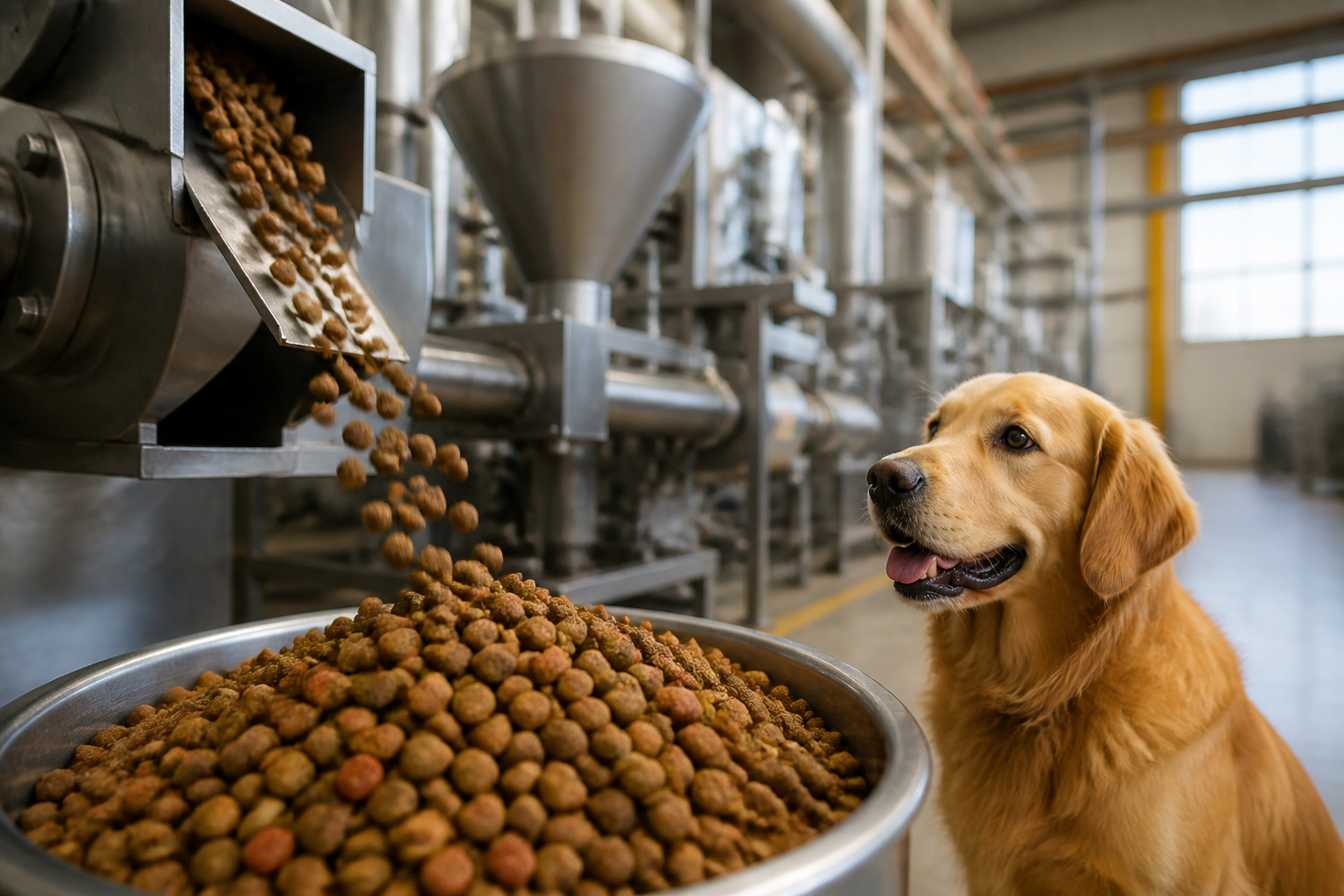
Most of the dry dog food sold today is made through a process called extrusion. This method is efficient and ensures that the food is safe from harmful bacteria. It was first used to create breakfast cereals for humans before being adapted for pet food.
Step 1: Ingredient Mixing.
The dry ingredients are ground into a fine flour and mixed. This includes the meat meals, grains, and vitamin premixes.
Step 2: Adding Wet Ingredients.
The dry mix is combined with water, fats, and fresh meats in a large mixer to create a thick dough.
Step 3: Pre-Conditioning.
The dough is heated with steam. This begins the cooking process and makes the starches easier for your dog to digest.
Step 4: Extrusion.
The dough is pushed through a machine called an extruder. It uses high pressure and heat to force the dough through a die plate. The die plate has holes that determine the shape of the kibble, such as circles, stars, or triangles.
Step 5: Drying and Cooling.
As the kibble exits the extruder, it is cut by a rotating blade. The pieces are then sent through a dryer to remove moisture. This step is critical because low moisture prevents the food from molding.
Step 6: Enrobing or Coating.
Once the kibble is dry and cool, it travels through a drum where it is sprayed with fats and flavor enhancers. This is why kibble often feels slightly oily to the touch. This coating makes the food highly palatable to dogs.
Bottom line: Extrusion is a high-heat, high-pressure process that cooks the ingredients and kills pathogens while creating a shelf-stable product.
Natural vs. Synthetic Preservatives
Because dry dog food is meant to stay fresh in your cupboard for weeks, it requires preservatives. These prevent the fats in the food from going rancid. You will generally see two types: natural and synthetic.
Natural preservatives are often listed as "mixed tocopherols," which are a form of Vitamin E. You might also see rosemary extract or citric acid. These are effective but have a shorter shelf life than synthetic options. Most premium brands we carry at BaxterBoo use these natural methods to keep food fresh.
Synthetic preservatives include chemicals like BHA, BHT, and ethoxyquin. These are very effective at preventing spoilage over long periods. While they are FDA-approved for use in pet food, many owners prefer to stick with natural tocopherols. Always check the "Best By" date on your bag to ensure the preservatives are still doing their job.
Decoding the Guaranteed Analysis
The back of the bag contains a table called the Guaranteed Analysis. This is a legal requirement that tells you the minimum or maximum percentages of certain nutrients. By law, it must include:
- Crude Protein (Minimum %)
- Crude Fat (Minimum %)
- Crude Fiber (Maximum %)
- Moisture (Maximum %)
"Crude" refers to the method used to measure the nutrient, not the quality of the ingredient. One thing to keep in mind is the moisture content. Dry food usually has about 10% moisture. If you are comparing dry food to wet food, you have to account for the water weight to get an accurate comparison of the protein levels.
Choosing the Right Food for Life Stages
What is in dry dog food often changes based on the age of the dog it is designed for. Puppies, adults, and seniors all have different nutritional needs.
Puppy Formulas
Puppies need more calories, protein, and fat to support their rapid growth. They also require higher levels of calcium and phosphorus for bone development. Most puppy foods include DHA, an omega-3 fatty acid found in mother's milk, which helps with brain and eye development.
Adult Maintenance
Once a dog is fully grown, their calorie needs stabilize. Adult food focuses on maintaining a healthy weight and providing balanced nutrition. If your dog is less active, you might look for a "Weight Management" formula that has higher fiber and lower fat.
Senior Diets
As dogs age, their metabolism slows down. Senior foods often have fewer calories but higher quality protein to maintain muscle mass. They frequently include added joint support like Cosequin or extra antioxidants to support cognitive function.
Key Takeaway: Feeding a life-stage-specific diet ensures your dog gets the right balance of nutrients for their current age and activity level.
Grain-Inclusive vs. Grain-Free
The debate over grains in dog food has been a hot topic for years. For most dogs, grains are a healthy and digestible source of energy. They provide essential nutrients and fiber. However, some dogs do have sensitivities to specific grains like corn or wheat.
Grain-free diets replace grains with ingredients like peas, chickpeas, or sweet potatoes. These are not necessarily lower in carbohydrates, but they offer an alternative for dogs with allergies. When choosing a grain-free diet, it is important to look at the overall balance of the recipe. We carry trusted brands like our selection of NutriSource products and our selection of Acana products that offer both grain-inclusive and grain-free options, allowing you to choose what works best for your specific dog.
The Importance of Dental Health and Kibble
One of the secondary benefits of dry dog food is its effect on dental health. The mechanical action of chewing crunchy kibble can help scrape away some of the plaque from the teeth. Some specialized dental diets are even shaped in a way that forces the dog to chew more thoroughly.
While kibble can help, it is not a replacement for regular teeth brushing. We offer a variety of dental treats like our selection of Greenies products and grooming supplies to help keep your dog's breath fresh and their gums healthy. Combining a good dry diet with dental chews is a great way to manage oral hygiene at home.
Feeding Guidelines and Portion Control
Even the highest quality food can lead to health problems if you feed too much of it. Every bag of dry dog food comes with a feeding chart. These are general guidelines based on the dog's weight.
However, these charts are just a starting point. An active herding dog will need more food than a lap dog of the same weight. You should be able to feel your dog's ribs without a thick layer of fat over them. If your dog is gaining too much weight, talk to your vet about adjusting their portions.
To make feeding easier and more affordable, we offer our Autoship programme. This allows you to have your dog's favorite food delivered on a schedule that works for you. You save money on your orders and never have to worry about running out of food. Plus, it comes with a free MVP Gold membership for even more rewards.
Storage and Freshness Tips
Because dry food contains fats and oils, it can spoil if not stored correctly. Once you open a bag, the clock starts ticking.
- Keep it in the original bag: The bags are designed to keep out moisture and light. Place the entire bag inside a plastic or metal airtight container.
- Store in a cool, dry place: Heat and humidity are the enemies of kibble. Do not store food in a garage or an unfinished basement.
- Watch the expiration date: Buy a bag size that your dog can finish within six to eight weeks of opening.
- Clean the container: If you pour the food directly into a bin, make sure to wash the bin thoroughly between bags to remove old, rancid fats.
If you want more storage guidance, our post on how long dry dog food stays fresh once opened covers the freshness window in more detail.
How to Transition to a New Dry Food
If you decide to change your dog's food based on what you have learned about ingredients, do it slowly. A sudden change can cause upset stomachs, vomiting, or diarrhea.
Step 1: Days 1 and 2.
Mix 25% of the new food with 75% of the old food.
Step 2: Days 3 and 4.
Mix 50% of the new food with 50% of the old food.
Step 3: Days 5 and 6.
Mix 75% of the new food with 25% of the old food.
Step 4: Day 7.
Feed 100% of the new food.
Monitoring your dog during this week is important. If you notice any signs of digestive distress, slow the process down.
Summary of Quality Indicators
When you are looking at a bag of dry food, keep these quick tips in mind:
- The first ingredient should be a high-quality protein source.
- Look for specific named meats (like "Chicken Meal" instead of "Meat Meal").
- Check for natural preservatives like mixed tocopherols.
- Ensure the food is labeled as "Complete and Balanced" for your dog's life stage.
- Avoid foods with artificial colors or heavy use of generic fillers.
Our team at BaxterBoo handpicks every brand we carry to ensure they meet high standards of quality and safety. Whether you choose a premium brand like The Honest Kitchen or a science-backed diet like Purina Pro Plan, we want to help you find the best fit for your budget and your pet's needs. If you are comparing value options, the MVP Rewards programme can help you earn back on eligible purchases.
Conclusion
Understanding what is in dry dog food helps you move past the marketing and look at the actual nutrition. From the protein sources to the extrusion process, every element of a kibble recipe plays a part in your dog's health. By choosing a food with high-quality ingredients and proper balance, you are investing in your dog's future. We are proud to offer over 500 trusted brands to help you find that perfect balance. If you need help managing a specific health condition or need a prescription diet, remember that our pharmacy is here to help with professional support and FDA-approved products.
Key Takeaway: Quality dry dog food is a science-based blend of nutrients designed to be convenient, safe, and nutritionally complete for your dog.
FAQ
Is meat meal worse than fresh meat in dog food?
No, meat meal is actually a highly concentrated source of protein because the water has been removed. While fresh meat is great, it is mostly water, so meat meal often provides more actual protein per pound of food. High-quality meals that specify the animal, such as "Lamb Meal," are excellent ingredients.
Why does dry dog food have so many carbohydrates?
Carbohydrates like grains or potatoes are necessary to give kibble its structure and crunch. Without them, the food would be a powder and could not be formed into shapes. They also provide a source of fiber and energy for your dog.
Are animal by-products safe for my dog to eat?
Yes, animal by-products are safe and often very nutritious. They consist of organ meats like heart, liver, and kidneys, which are packed with vitamins that are not found in muscle meat. Reputable brands use by-products that have passed veterinary inspections for safety.
How long does an opened bag of dry dog food stay fresh?
Most dry dog food is best if used within six to eight weeks of opening. To keep it fresh as long as possible, keep the food in its original bag and store it inside an airtight container in a cool, dry place. This prevents the fats in the food from going rancid.






