
 Save 15% on your 1st Autoship learn more

 Email us
 Live Chat
 FAQs
FAQs





Introduction
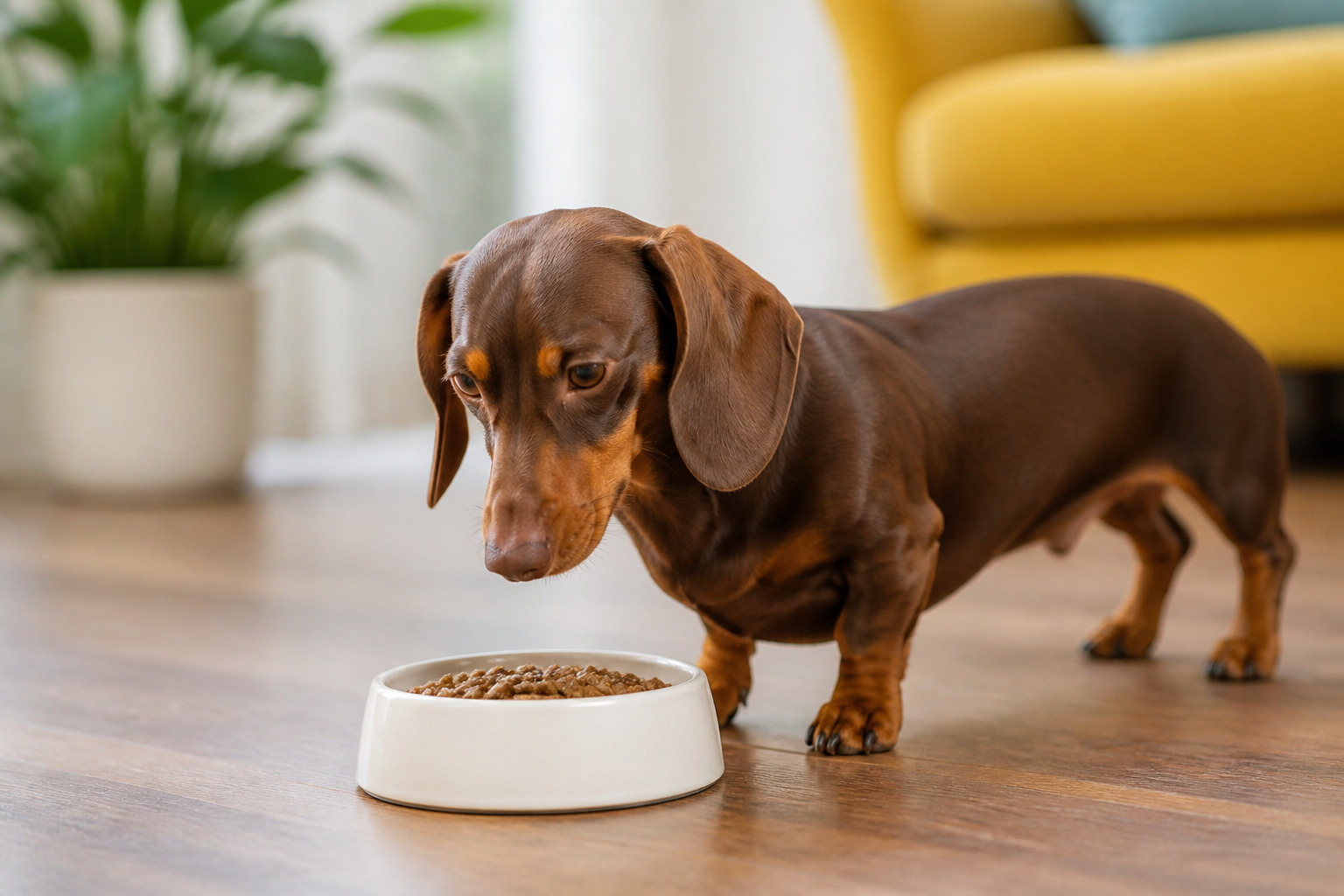
Watching a Dachshund race across the yard is a joy. Their short legs move fast and their long bodies wiggle with pure excitement. However, as a Dachshund owner, you likely feel a small pinch of worry every time they jump off the couch or stand on their hind legs. You know that their unique shape comes with specific risks, especially regarding their spine and joints. Choosing the right food is one of the most effective ways to protect them. At BaxterBoo, we see many owners looking for that perfect balance of nutrition to keep their "sausage dogs" lean and mobile. This guide will cover exactly what to look for in a kibble, from joint support to calorie density. We want to help you make an informed choice that keeps your dog spry for years to come.
Quick Answer: The best dry dog food for Dachshunds provides high-quality animal protein, moderate fat, and added joint support like glucosamine. It must be calorie-controlled to prevent obesity, as extra weight puts dangerous strain on their long spines.
Why Dachshunds Need Specialized Nutrition
Dachshunds are not just small dogs. Their physical structure sets them apart from almost every other breed. Because of their long backs and short rib cages, they face a high risk of Intervertebral Disc Disease (IVDD). This condition occurs when the discs between the vertebrae bulge or burst. It can cause pain, nerve damage, or even paralysis.
Diet is your first line of defense against IVDD. A dog that carries even two extra pounds faces significantly more stress on their vertebrae. When you look for a dry food, you are looking for a formula that maintains lean muscle without adding bulk. Muscle helps stabilize the spine. Excess fat does the opposite.
Metabolism also plays a role. Dachshunds are often very food-motivated. They will eat as much as you give them. This makes it easy to overfeed. A high-quality dry food should be nutrient-dense. This means your dog gets the vitamins they need in smaller portions.
Vet Tip: If your Dachshund shows any signs of back pain, such as shivering, reluctance to jump, or a hunched back, consult your veterinarian immediately. They may recommend a specific prescription diet from our pet pharmacy to manage inflammation and weight.
How to Read a Dog Food Label for Your Doxie
Reading a label can feel like learning a new language. However, focusing on a few key areas makes it much easier. You want to look at the first five ingredients. These make up the bulk of the food.
Protein Sources
Look for specific meat meals or whole meats. Chicken, beef, lamb, and fish are excellent. Avoid vague terms like "meat by-products" or "animal meal." You want to know exactly what animal the protein comes from. Protein is vital for maintaining the muscles that support that long spine.
The Fat Content
Dachshunds need healthy fats for energy and skin health. Look for chicken fat or fish oil. However, the percentage should be moderate. High-fat diets can lead to rapid weight gain in this breed. Aim for a fat content between 12 and 16 percent for most healthy adults.
Functional Additives
The best foods for this breed include glucosamine and chondroitin. These are building blocks for cartilage. They help keep joints cushioned. You should also look for Omega-3 fatty acids, often listed as DHA or EPA. These help reduce inflammation in the body.
What to Avoid
- Excessive fillers like corn, soy, or wheat that add empty calories.
- Artificial colors and chemical preservatives like BHA or BHT.
- High levels of simple carbohydrates that can spike blood sugar.
Key Takeaway: Prioritize foods where a named animal protein is the first ingredient and joint-supporting nutrients are included in the formula.
Best Dry Dog Food for Dachshund Puppies
Puppyhood is a critical time for a Dachshund. Their bones are growing, and their spinal column is developing its lifelong strength. You cannot feed a puppy adult food. They need higher levels of calcium and phosphorus to build a strong skeleton.
We often recommend Royal Canin Dachshund Puppy because it is designed specifically for this breed. The kibble is shaped for their pointed muzzles and tiny jaws. This makes it easier for them to pick up and chew. It also contains a specific blend of antioxidants to support their developing immune system.
Another great option is Wellness Complete Health Small Breed Puppy. It uses deboned turkey and oatmeal. This provides a steady source of energy without the "sugar crash" of lower-quality grains. It also includes salmon oil for brain development. You can compare available formulas through our selection of Royal Canin products.
Puppy Feeding Checklist
- Choose a formula specifically for small breeds or Dachshunds.
- Ensure the food contains DHA for brain and eye development.
- Stick to a strict feeding schedule to prevent early-onset obesity.
- Monitor their growth closely and adjust portions with your vet.
Maintaining the Adult Dachshund
Once your dog reaches about 10 to 12 months, they transition to adult food. The goal changes from growth to maintenance. You want to keep them at their "fighting weight." You should be able to feel their ribs easily, and they should have a visible waistline when viewed from above.
Royal Canin Dachshund Adult is a popular choice for a reason. It focuses on maintaining muscle tone with high protein levels. It also helps reduce stool odor, which is a nice bonus for indoor dogs. The kibble texture also helps brush away plaque from their teeth.
Farmina is another brand we trust at BaxterBoo. Their N&D Ancestral Grain formulas are excellent for Dachshunds. They use low-glycemic index grains like spelt and oats. These release energy slowly. This keeps your dog feeling full for longer, which helps prevent begging between meals. Explore our selection of Farmina products to compare available recipes.
Bottom line: Adult Dachshunds thrive on high-protein, moderate-fiber diets that keep them lean and satisfied.
Senior Dachshund Nutrition and Mobility
Senior Dachshunds often slow down. Their metabolism drops, and their joints might start to stiffen. This is when the risk of weight gain is highest. It is also when they need the most support for their back.
Senior-specific dry foods usually have fewer calories and more fiber. This helps the dog feel full without the extra energy that turns into fat. They also tend to have higher concentrations of joint supplements.
If your senior dog has significant mobility issues, you might look into prescription diets. Our pharmacy, in partnership with Pet's Choice, carries FDA-approved prescription foods. Brands like Farmina Vet Life offer formulas specifically for joint and weight management. These require a prescription from your vet, but they can make a massive difference in a senior dog's quality of life.
For additional guidance on managing a pet’s weight, read our practical guide to pet weight management.
Supporting the Senior Doxie
- Switch to a senior formula when your dog reaches age 7 or 8.
- Consider adding a separate joint supplement like Cosequin if the food does not have enough.
- Watch for signs of dental pain, which may make dry kibble hard to eat.
- Keep walks short but frequent to maintain muscle without overexertion.
The Role of the BaxterBoo Pharmacy
Health management for Dachshunds often goes beyond standard kibble. If your dog has allergies, chronic inflammation, or metabolic issues, standard retail food might not be enough. This is where our specialized services come in.
We provide access to a full pharmacy through Pet's Choice. This allows you to get prescription-strength diets and medications delivered to your door. If your vet diagnoses your dog with a condition that requires a therapeutic diet, we can help. These foods are formulated with precise levels of nutrients to manage specific diseases.
We also carry flea and tick preventives and heartworm medications. Keeping your Dachshund free of parasites is important for their overall comfort. A dog that is constantly scratching at fleas can actually strain their back with those repetitive, jerky movements.
Understanding Kibble Size and Dental Health
Small dogs like Dachshunds often suffer from dental crowding. Their teeth are large compared to their small mouths. This makes them prone to tartar buildup and gum disease.
Dry dog food provides a mechanical cleaning action. As the dog crunches the kibble, the edges of the biscuit scrape against the tooth surface. This helps remove plaque before it hardens into tartar.
Look for kibble designed for small breeds. If the pieces are too large, the dog might swallow them whole, losing the dental benefit. If they are too small, the dog might not chew them at all. Brands like Royal Canin and Wellness design their "Small Breed" kibble to be the perfect size for these little jaws.
Key Takeaway: Crunchy kibble is a useful tool for dental health, but it should be paired with regular brushing and dental treats like Greenies. Browse our dental dog treats for additional options.
Transitioning to a New Dry Food
If you decide to switch your Dachshund to a better-quality food, do not do it overnight. Dachshunds can have sensitive stomachs. A sudden change can cause vomiting or diarrhea.
Step 1: Mix 25 percent of the new food with 75 percent of the old food for two days.
Step 2: Move to a 50/50 split for the next two days.
Step 3: Feed 75 percent new food and 25 percent old food for two days.
Step 4: Transition to 100 percent of the new food.
Observe your dog during this week. Look for changes in their energy, coat shine, and stool quality. If you notice any issues, slow the transition down. For more information, read how dry food changes can affect digestion.
Managing Your Dog's Weight with Dry Food
Weight management is the most important part of Dachshund care. A dry food diet makes it easy to be precise. Unlike wet food, which can be hard to measure, kibble can be weighed or measured with a standard cup.
Always use a measuring cup. Do not "eyeball" the amount. Even an extra tablespoon of food per meal can lead to weight gain over a month. Use the feeding guide on the bag as a starting point. Adjust based on your dog’s activity level.
If your dog needs to lose weight, look for "Light" or "Weight Management" formulas. These often replace some of the fat with fiber. This keeps the dog full while cutting the calories. We carry several weight-conscious brands at BaxterBoo that provide excellent nutrition without the bulk. Start comparing options in our dry dog food category.
Comparing Grain-Free and Grain-Inclusive Options
The debate between grain-free and grain-inclusive food is ongoing. For most Dachshunds, both can be healthy options depending on the ingredients.
Grain-free diets often use peas, lentils, or sweet potatoes as the carbohydrate source. These can be great for dogs with specific grain sensitivities. However, some owners prefer grain-inclusive diets that use "ancient grains" like quinoa or oats. These provide excellent fiber and are generally very digestible.
The most important factor is the quality of the carb, not just whether it is a grain. Avoid high-sugar fillers. Focus on complex carbohydrates that provide long-lasting energy. This helps your dog stay active and burn calories effectively.
Bottom line: Choose the carbohydrate source that your individual dog digests best, and ensure the protein remains the primary focus.
Why Quality Matters More Than Price
It can be tempting to buy the largest, cheapest bag of dog food at the grocery store. However, with a breed like the Dachshund, this often costs more in the long run. Low-quality foods use fillers that provide no nutritional value. Your dog has to eat more to feel full, which leads to weight gain.
Higher-quality brands use better ingredients that are more "bioavailable." This means your dog's body can actually use more of what they eat. This results in smaller portions and less waste in the yard. Most importantly, it keeps your dog healthy. The cost of a high-quality bag of food is much lower than the cost of spinal surgery or long-term medication for obesity-related diseases.
At BaxterBoo, we handpick every brand we carry. We look for manufacturers that prioritize safety and nutritional integrity. When you buy from us, you know you are getting food that we would feed to our own pets.
Conclusion
Finding the best dry dog food for your Dachshund is a journey toward better health and a longer life. By focusing on high-quality protein, joint-supporting additives, and strict calorie control, you protect that famous long spine. Whether you choose a breed-specific formula from Royal Canin or a nutrient-dense option from Farmina, the key is consistency and portion control. We are here to support you with a carefully curated selection of the best brands in the industry.
- Prioritize named animal proteins and joint supplements.
- Keep your Doxie lean to prevent spinal stress and IVDD.
- Transition to new foods slowly to avoid digestive upset.
- Use our pharmacy for prescription needs and specialized diets.
To make your shopping easier, consider joining our MVP Rewards program. You can earn up to 5 percent back on every purchase. You can also set up our Autoship programme to ensure you never run out of your dog's favorite kibble. This saves you time and money while keeping your Dachshund’s bowl full of the nutrition they deserve.
FAQ
Is grain-free food better for Dachshunds?
Grain-free food is not necessarily better for every dog, but it can be helpful for those with specific allergies or sensitivities to wheat or corn. The focus should be on the quality of the ingredients rather than just the absence of grain. Ensure the food still contains complex carbohydrates for energy and plenty of animal-based protein.
How much should I feed my adult Dachshund?
The amount depends on your dog's age, weight, and activity level, but generally, an adult Dachshund needs between 1/2 and 1 cup of dry food per day. Always use the feeding guide on your specific bag of food as a starting point. It is best to split the total daily amount into two separate meals to help with digestion and keep them satisfied.
Can dry food help prevent back problems in Dachshunds?
Food alone cannot change a dog's genetics, but it is a major factor in preventing back issues like IVDD. By keeping your dog at a lean, healthy weight, you reduce the physical pressure on their vertebrae. Additionally, foods with glucosamine and Omega-3 fatty acids help support joint health and reduce inflammation throughout the body.
What should I do if my Dachshund is a picky eater with dry food?
If your dog turns their nose up at kibble, try adding a small amount of warm water to the bowl to release the aroma. You can also mix in a tiny bit of high-quality wet food as a topper to make it more appealing. Ensure you are not over-treating them throughout the day, as a dog that is full of treats will often skip their more nutritious meals.






