
 Save 15% on your 1st Autoship learn more

 Email us
 Live Chat
 FAQs
FAQs





Introduction
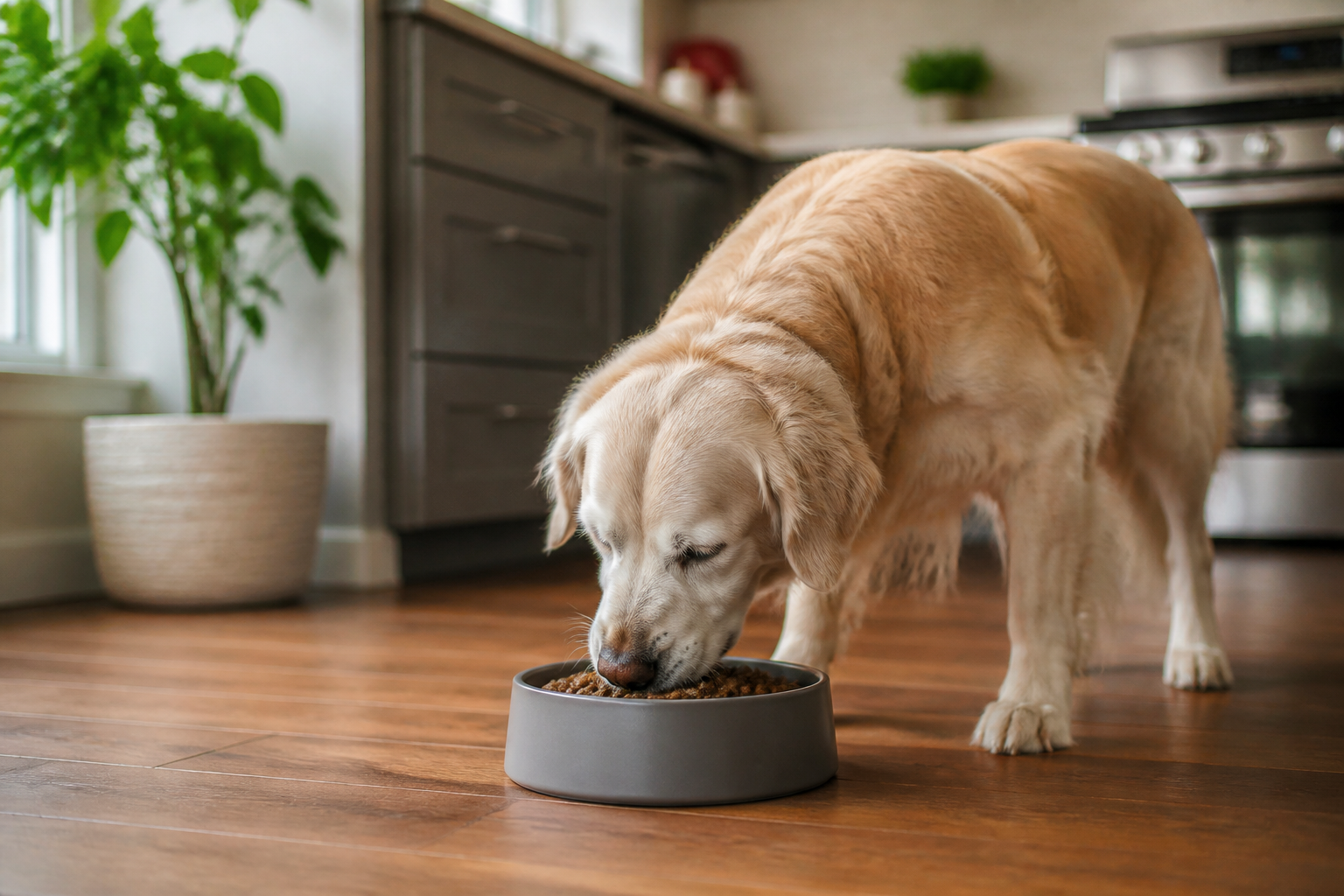
You might notice your dog taking a little longer to stand up after a nap. Perhaps they are not as eager to chase the ball during your afternoon walk. These subtle changes often mean your companion is entering their golden years. At BaxterBoo, we understand that watching your best friend age brings up many questions about their care. One of the most important decisions you will make is choosing the right nutrition to support their changing body. This guide explores what makes a senior diet effective and looks at top-tier options for various health needs. We will cover essential nutrients, weight management, and when to consider specialized diets. Our goal is to help you navigate the aisles so your dog stays comfortable and active for as long as possible.
Understanding the Nutritional Shift in Senior Dogs
As dogs age, their internal systems begin to function differently. Their metabolism naturally slows down, which means they do not burn calories as quickly as they did in their youth. This change often leads to weight gain if their diet remains the same. Excess weight puts significant stress on aging joints and can complicate heart or respiratory issues.
Muscle maintenance is another critical factor. Senior dogs often experience a condition called sarcopenia, which is the natural loss of muscle mass. To combat this, older dogs actually need high levels of quality protein. Many people mistakenly believe that all seniors need low-protein diets. Unless your dog has a specific medical condition like advanced kidney disease, they usually benefit from more protein to keep their muscles strong.
Digestive efficiency also tends to decrease over time. Your dog might not absorb vitamins and minerals as effectively as before. Our senior dog food collection includes options formulated for dogs at different life stages.
Quick Answer: The best dry food for older dogs is typically high in quality protein to maintain muscle and lower in calories to prevent obesity. It should also include joint supports like glucosamine and antioxidants for immune health.
Key Nutrients to Look for on the Label
When you are scanning the ingredient list of a bag of kibble, certain components stand out as essential for an aging pet. Knowing what these ingredients do can help you make a better choice.
High-Quality Proteins
Look for named meat sources as the first ingredient. Chicken, turkey, lamb, and salmon are excellent options. These provide the amino acids necessary for tissue repair and immune function. Avoid generic terms like "meat meal" or "animal by-products" when possible. You want to see "Deboned Chicken" or "Salmon" at the top of the list.
Omega Fatty Acids
Omega-3 and Omega-6 fatty acids are vital for senior health. They help reduce inflammation throughout the body. This is particularly helpful for dogs with stiff joints or skin sensitivities. Ingredients like salmon oil and flaxseed are great sources of these fats. They also help maintain cognitive function and keep the coat looking shiny.
Fiber and Prebiotics
Constipation can become a problem for older dogs as their digestive tract slows down. Fiber helps keep things moving. Look for natural fiber sources like pumpkin, sweet potatoes, and beet pulp. Many premium brands also include prebiotics and probiotics to support a healthy gut microbiome, which is the foundation of a strong immune system. For dogs with food sensitivities, our sensitive digestion dog food selection offers additional formulas to compare.
Glucosamine and Chondroitin
Most senior-specific dry foods include these two supplements. They are the building blocks of cartilage and help keep joints lubricated. While the amounts in kibble are helpful, dogs with significant mobility issues might still need a dedicated supplement.
Key Takeaway: Quality protein prevents muscle wasting, while omega fatty acids and joint supplements protect your dog’s mobility and skin health as they age.
Top Dry Dog Food Options for Older Dogs
We carry a wide variety of brands that cater to the specific needs of senior pets. Each brand focuses on different aspects of aging, from brain health to weight control.
Purina Pro Plan Bright Mind
This is a popular choice for dogs showing signs of cognitive decline. It contains botanical oils that provide an alternative energy source for the brain. Owners often report that their dogs seem more alert and engaged after switching to this formula. It also includes glucosamine and EPA for joint health.
Hill's Science Diet Adult 7+
This formula is designed for general senior support. It focuses on maintaining heart and kidney health with balanced minerals. The kibble is easy to digest and includes a synergistic blend of nutrients that promote energy and vitality. It is a reliable option for dogs that are healthy but simply getting older.
Royal Canin Size-Specific Formulas
Royal Canin takes a very precise approach. They offer senior formulas based on the size of your dog. Small breed seniors have different needs than giant breed seniors. For example, their Large Aging 8+ formula includes specific nutrients to support the heavy bone and joint stress that large dogs face.
Orijen Senior
For owners who want a high-protein, grain-free option, Orijen Senior Grain-Free Dry Dog Food is a standout. It mirrors a natural diet with high inclusions of fresh and raw poultry, fish, and eggs. This is excellent for maintaining lean muscle mass in active seniors.
Blue Buffalo Life Protection Senior
This recipe features "LifeSource Bits," which are a precise blend of antioxidants, vitamins, and minerals. It uses deboned chicken as the primary protein and avoids corn, wheat, and soy. It is a great middle-ground option that provides solid joint support and immune protection.
Vet Tip: Always check your dog’s body condition score with your veterinarian. They can help you decide if your dog needs a weight management formula or a high-protein muscle support diet.
Managing Mobility and Joint Stiffness
Mobility is often the first concern for owners of older dogs. If your dog is reluctant to climb stairs or jump into the car, their diet can play a supportive role. Many of the foods we stock in our senior hip and joint food category are specifically designed to address nutritional needs related to mobility.
In addition to the glucosamine found in dry food, you may want to look for diets enriched with Green Lipped Mussel or higher concentrations of EPA. These ingredients work at a cellular level to ease discomfort. If your dog's stiffness is severe, your veterinarian may suggest a prescription diet.
Our pharmacy carries FDA-approved medications and prescription diets through our partnership with Pet's Choice. These specialized foods, such as Royal Canin Vet Diet Mobility or Purina Pro Plan Veterinary Diets JM, contain clinical levels of joint-supporting nutrients that are not found in over-the-counter bags. You can explore our pet pharmacy for available prescription products.
Checklist for Joint Support
- Confirm the food contains at least 400 mg/kg of glucosamine.
- Look for high levels of Omega-3 fatty acids (EPA and DHA).
- Ensure the calorie count is low enough to keep your dog lean.
- Monitor your dog's activity levels for any improvements in gait.
Cognitive Health and Mental Sharpness
Canine Cognitive Dysfunction is similar to dementia in humans. You might notice your dog getting stuck in corners or staring at walls. They may also experience changes in their sleep patterns. Nutrition can actually help manage these symptoms.
Antioxidants like Vitamin E and Vitamin C help combat oxidative stress in the brain. Some diets also include Medium Chain Triglycerides (MCTs). These act as an efficient fuel source for aging brain cells. Formulas like Purina Pro Plan Bright Mind are specifically built around this technology.
If your dog is struggling with significant behavioral changes, please consult your veterinarian. They can help rule out other medical issues. Our pharmacy offers medications for cognitive support that can be used alongside a brain-healthy diet.
Weight Management for Less Active Seniors
Obesity is a major threat to a senior dog's lifespan. An overweight senior dog is at a higher risk for diabetes, heart disease, and increased joint pain. If your dog has slowed down significantly, they probably do not need as many calories.
Many "Senior" labels also serve as "Weight Management" or "Light" formulas. These foods often replace some of the fat with fiber. This helps your dog feel full without consuming too many calories. Brands like NutriSource or Fromm offer senior gold recipes that balance lower calorie counts with great flavor.
Bottom line: Keeping your senior dog at a lean weight is one of the most effective ways to extend their life and reduce daily pain.
When to Consider a Prescription Diet
Sometimes, standard retail food is not enough to manage a chronic health condition. As dogs age, they are more prone to kidney disease, heart failure, and urinary issues. These conditions require very specific nutrient balances that must be monitored by a professional.
For example, a dog with kidney disease needs a diet with very controlled phosphorus and high-quality, but restricted, protein. A dog with heart issues might need a low-sodium diet. These are not things you should try to manage with over-the-counter food alone.
Through our partnership with Pet's Choice, BaxterBoo provides access to these essential prescription diets. You can have your vet's recommendation sent to us, and we will handle the rest. This ensures your dog gets the exact nutritional profile they need to manage their specific health challenges.
Transitioning to a New Senior Food
Switching your dog's food should never happen overnight. This is especially true for older dogs, whose digestive systems can be more sensitive to change. A sudden switch can cause vomiting, diarrhea, or a total loss of appetite.
Follow a slow transition plan over the course of about ten days. This gives the healthy bacteria in your dog's gut time to adjust to the new ingredients. For additional guidance, read our guide to choosing dog food for senior pets.
The 10-Day Transition Guide
- Days 1-3: Mix 25% of the new senior food with 75% of the old food.
- Days 4-6: Mix 50% of the new senior food with 50% of the old food.
- Days 7-9: Mix 75% of the new senior food with 25% of the old food.
- Day 10: Serve 100% of the new senior food.
During this time, watch your dog closely. Look for any signs of itching, gas, or changes in stool consistency. If you notice any problems, slow the transition down or consult your vet.
Making Dry Food More Appealing
Older dogs often lose some of their sense of smell and taste. This can make them less interested in their dry kibble. If your dog is turning their nose up at their bowl, you do not necessarily have to switch to wet food entirely.
Try adding a small amount of warm water or low-sodium bone broth to the kibble. This releases the aroma of the food and makes it more enticing. It also softens the pieces, which is helpful for dogs with dental issues or missing teeth. You can also use a "topper" like Stella and Chewy's Meal Mixers to add a burst of raw nutrition and flavor. Our freeze-dried pet food hub offers additional options for toppers and meals.
Tips for Picky Seniors
- Warm the food slightly to enhance the scent.
- Add a spoonful of canned food for texture.
- Use a food puzzle to make mealtime more engaging.
- Ensure the bowl is at a comfortable height to reduce neck strain.
Monitoring Your Senior Dog's Progress
Once you have chosen what you believe is the best dry dog food for your older dog, the work is not over. You need to monitor the results. It can take four to eight weeks to see the true impact of a new diet on a dog's coat, energy, and mobility.
Keep a journal of your dog's behavior. Are they more willing to go for walks? Is their coat becoming softer? Are they maintaining a healthy weight? Regular check-ups with your veterinarian are also essential. They may perform blood work to ensure your dog's organs are handling the new nutrient levels well.
Vet Tip: Senior dogs should ideally see a veterinarian every six months. Because they age faster than humans, health issues can progress quickly. Frequent exams help catch problems before they become severe.
Saving on Senior Care with BaxterBoo
Providing high-quality care for an aging pet can become expensive. At BaxterBoo, we want to help you provide the best without breaking your budget. Our MVP Rewards program allows you to earn up to 5% back on your purchases, which can be applied to future bags of food or supplements.
We also offer our Autoship programme. This ensures you never run out of your dog's specific senior formula. You get a discount on your first order and a free MVP Gold membership.
If you are a new customer, we offer a $10 reward on your first order of $39 or more when you are signed in at checkout. We carry over 500 trusted brands, so you can find everything from orthopedic beds to specialized senior treats in one place.
Summary of Senior Nutrition
Caring for an older dog is a rewarding experience that requires a shift in perspective. Their nutritional needs are no longer about growth, but about maintenance and comfort. By focusing on high-quality protein, joint-supporting ingredients, and careful calorie management, you can help your dog enjoy their sunset years.
- Choose high protein to protect muscle mass.
- Look for Omega-3s and glucosamine for joint health.
- Monitor calories to prevent life-shortening obesity.
- Use the BaxterBoo pharmacy for prescription needs through Pet's Choice.
Bottom line: The right dry food for your senior dog is one that supports their specific health needs while keeping them at a healthy weight.
FAQ
When should I start feeding my dog senior food?
Most dogs are considered seniors between the ages of seven and ten. Larger breeds age faster and may need a senior diet as early as six years old, while small breeds might stay on adult food until they are ten. You should consider switching when you notice signs of slowing down, weight changes, or coat dullness.
Is dry food better than wet food for older dogs?
Dry food is excellent for dental health as the crunching helps reduce plaque and tartar. It is also more cost-effective and easier to store. However, wet food provides better hydration and is often more palatable for picky eaters or dogs with dental pain. Many owners choose to mix the two for the best of both worlds. For a broader comparison, see our article on whether senior dogs should eat wet or dry food.
Why does my senior dog need more protein?
Older dogs become less efficient at processing protein and naturally lose muscle mass over time. Providing a diet rich in high-quality animal protein helps them maintain the muscle they have and supports their immune system. Unless your vet has diagnosed your dog with advanced kidney issues, a higher protein diet is usually beneficial.
What if my senior dog has a sensitive stomach?
Many senior dogs develop sensitivities as they age. Look for limited-ingredient diets or formulas specifically designed for sensitive skin and stomachs, such as those from Purina Pro Plan or Blue Buffalo. These foods use easily digestible carbohydrates like rice or oatmeal and avoid common allergens like corn and soy.






